

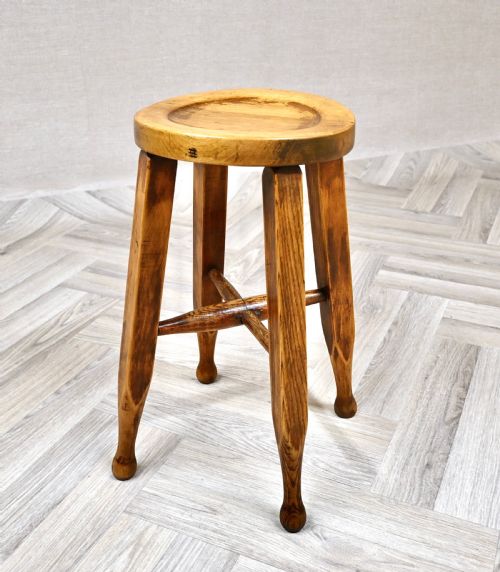


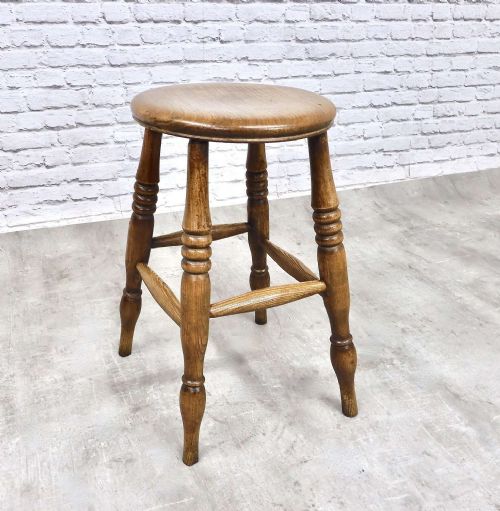


Wooden Workshop Stool
A wooden workshop stool brings honest utility and rugged character into a modern interior.
Wooden Workshop Stool
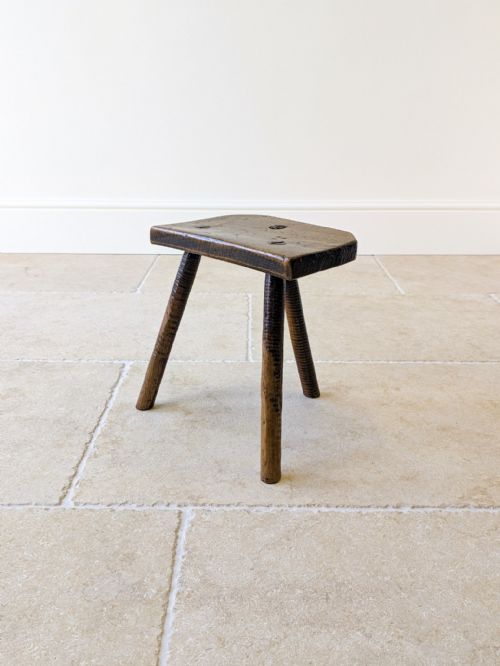
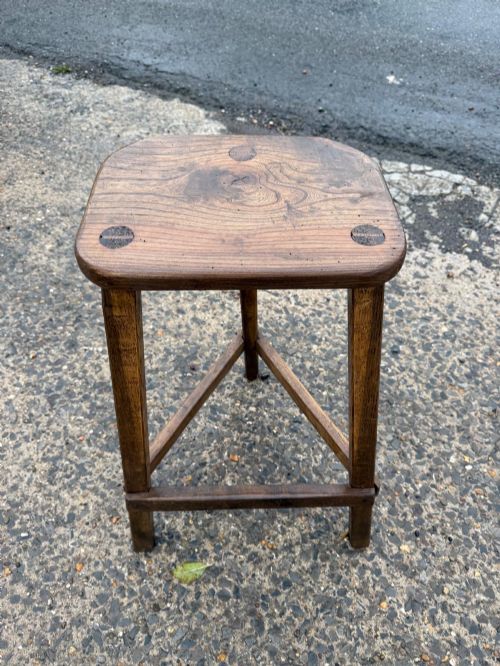
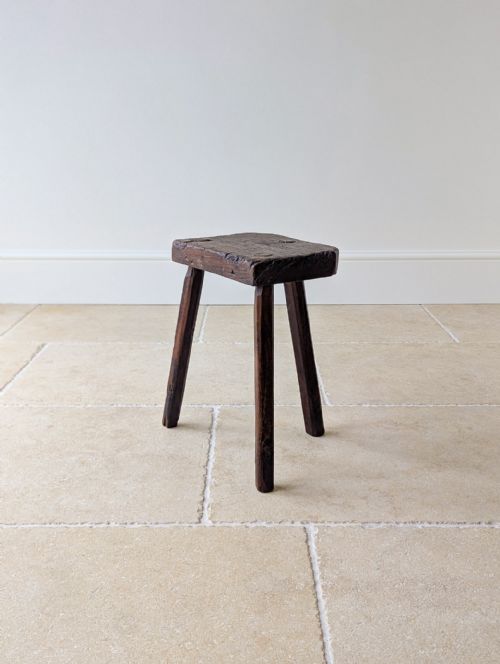
A wooden workshop stool serves as a robust seat designed for trade, factory, and craft use across the nineteenth and early twentieth centuries. When searching for a wooden workshop stool, buyers encounter diverse forms ranging from jeweller and cutler benches to machinist seats and laboratory chairs.
The selection on this page draws from eras including the Victorian, Edwardian, and Art Deco periods, alongside vernacular country and industrial styles. These utilitarian objects were built for endurance rather than display, shaped by the daily demands of artisans and mill workers.
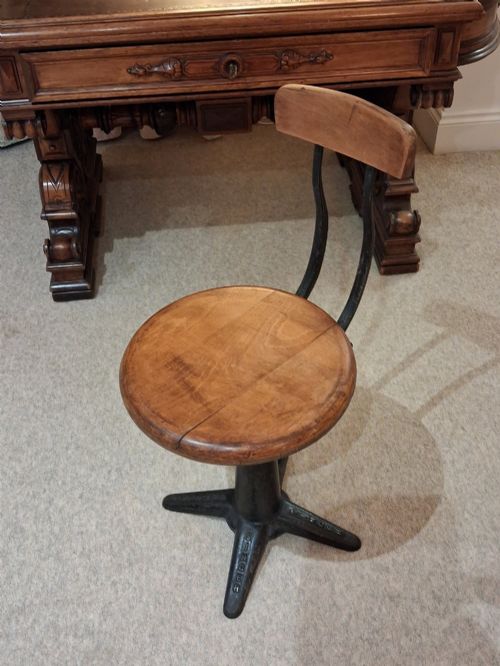
Most examples combine timber seats with metal elements, offering sturdy proportions and honest wear that reveal their working past. Collectors find them in various heights, from low bench seats to high bar stools with adjustable mechanisms.
How they were made
Maker construction relies on robust hardwoods like oak, elm, beech, and ash, chosen for their resilience against heavy daily toil. Timber seats are frequently shaped or carved to provide comfort during long hours at the bench.
Makers integrated steel and cast iron components to create durable frames, adjustable height mechanisms, and supportive bracing. This combination of timber and metal defined the industrial utility and vernacular country traditions of the era.
Wooden Workshop Stool Retail Price Guide 2026
Typical asking prices for wooden workshop stool among the pieces listed under this phrase on Sellingantiques today, from the lower quarter to the upper quarter. They describe what is for sale here now, not the wider market.
Listings feature workshop seating spanning the nineteenth century through the 1930s, constructed from oak, elm, beech, steel, and cast iron.
What varies in quality
Quality rests in the integrity of the original construction and the honesty of the patina earned through active trade use. Superior examples display thoughtful joinery and substantial metal components that remain entirely rigid and functional.
The distinction between a standard utility seat and a finer artisan piece lies in the shaping of the timber seat and the refinement of any adjusting mechanisms. Heavier castings and carefully turned wooden supports elevate certain workshop seating above basic factory output.
Evertaut
The Wooden Workshop Stool Glossary
- Vernacular country
- Domestic or trade furniture made by local regional craftsmen using accessible native timbers. These pieces prioritise function and regional tradition over high-style academic design.
- Industrial utility
- Functional furniture produced for factories, laboratories, and workshops during the nineteenth and twentieth centuries. Form follows strict utilitarian purpose with minimal decorative concession.
- Cutler's stool
- A specialised seat utilised by cutlery workers in industrial centres like Sheffield. These forms often reflect specific trade requirements for height and stability.
- Adjustable height
- A mechanical feature allowing the seat level to rise or fall via a threaded screw or pin mechanism. This allowed multiple workers to share a single workstation comfortably.
Wooden Workshop Stool: Frequently Asked Questions
What is a wooden workshop stool?
A wooden workshop stool is a sturdy seat originally built for tradespeople, factory hands, and artisans in the nineteenth and early twentieth centuries. These pieces were designed strictly for function within demanding industrial environments.
Today, they are repurposed for contemporary homes as kitchen island seating, desk chairs, or side tables. Their appeal lies in their unpretentious materials and honest signs of past labour.
How do I date a wooden workshop stool?
Dating relies on examining the combination of materials, construction techniques, and hardware present on the piece. Items from the Victorian period often feature hand-turned wooden components and simpler iron fixings.
Later pieces from the 1920s and 1930s frequently incorporate heavier steel elements, branded manufacturer tags, or more complex industrial adjustment mechanisms. Comparing the style to known vernacular and industrial traditions helps narrow the decade of production.
How do I live with industrial workshop seating?
Industrial seating integrates easily into modern interiors by introducing textural contrast against softer fabrics and smooth surfaces. Their compact footprints make them versatile additions to kitchens, studios, and small workspaces.
Maintenance involves preserving the aged surface with gentle waxing or oiling to protect the exposed timber and metal. Embracing the existing dents, scuffs, and patina ensures the history of the object remains visible.