
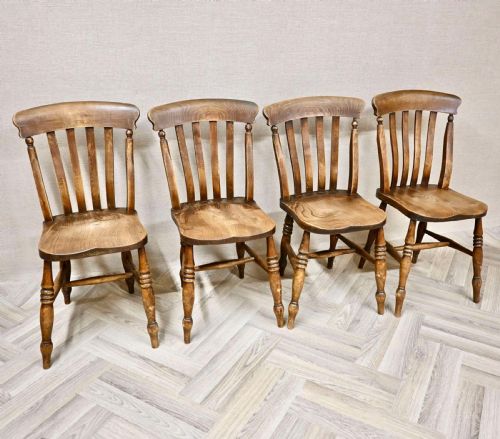
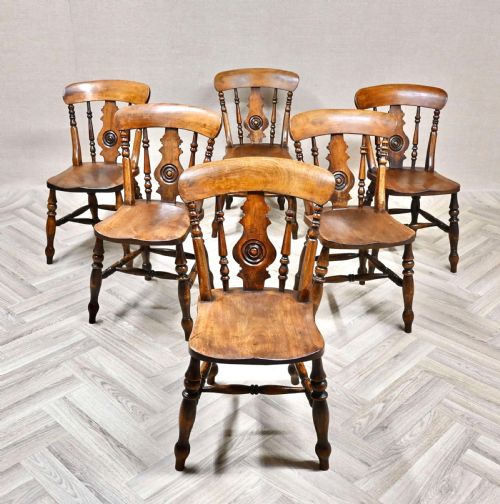
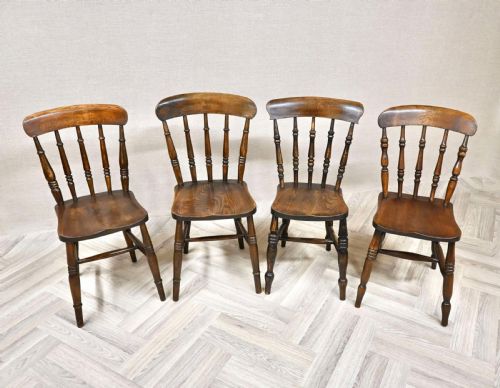
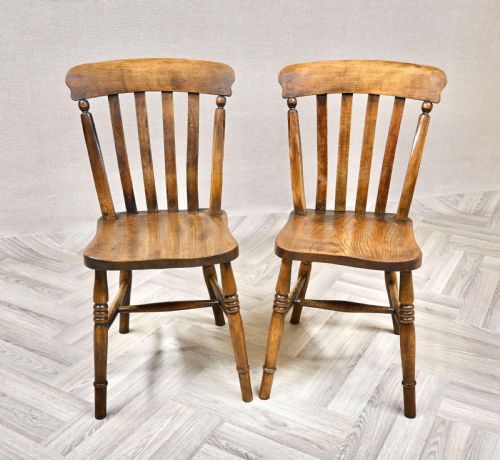
Wooden Windsor Side Chairs
Wooden windsor side chairs bring centuries of practical rural seating into modern rooms with sturdy vernacular charm.
Wooden Windsor Side Chairs
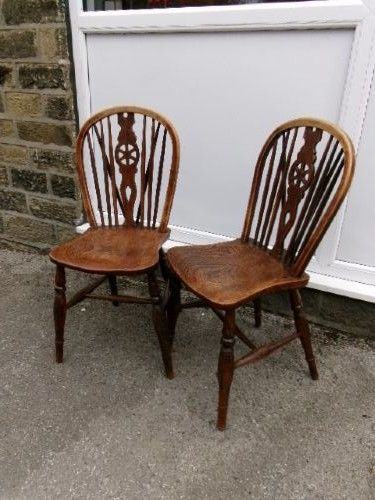
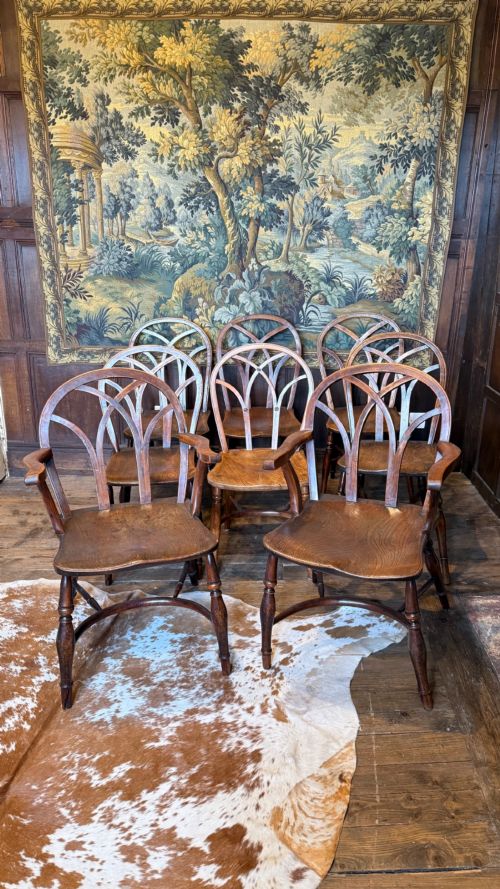
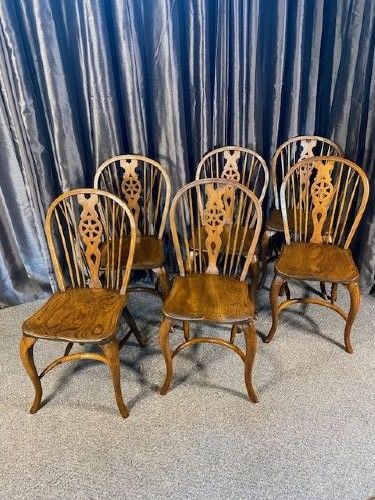
When you search for wooden windsor side chairs, you encounter traditional seating designed for domestic comfort, principally originating across the nineteenth century alongside eighteenth-century and early twentieth-century examples. These pieces span English Country, Victorian Country, and Rustic Farmhouse styles, alongside Georgian, Regency, Gothic Revival, and Mid-Century Utility designs.
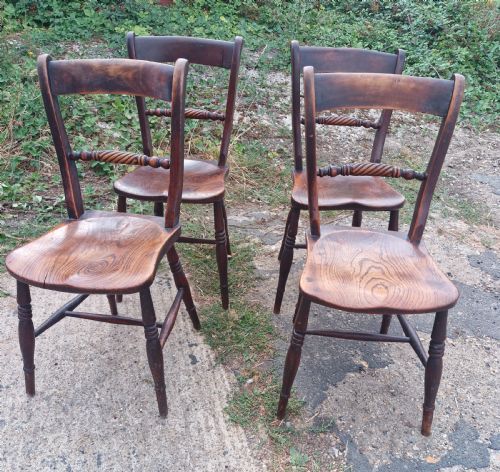
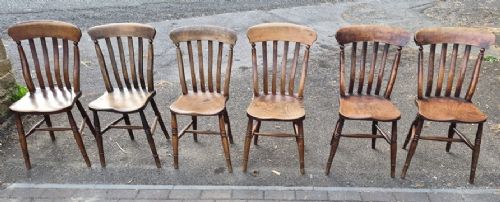
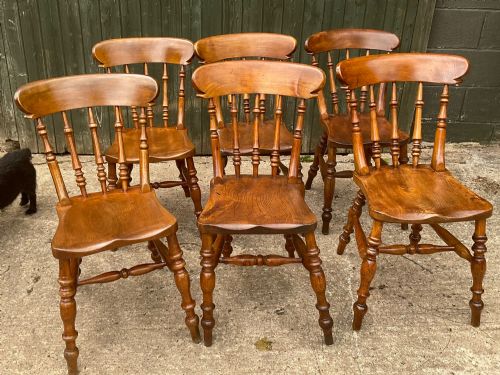
Makers utilised regional variations to shape these forms, leading to Thames Valley models and specific regional outputs like Worksop best model kitchen chairs. Buyers frequently encounter side chairs alongside occasional armchairs and stools.
How they were made
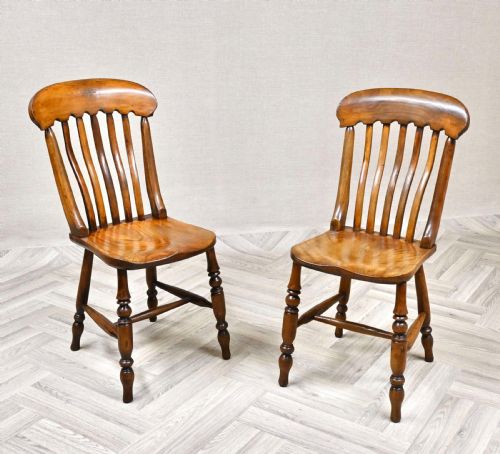
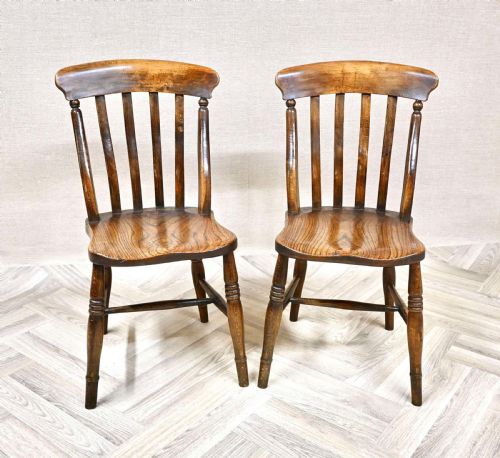
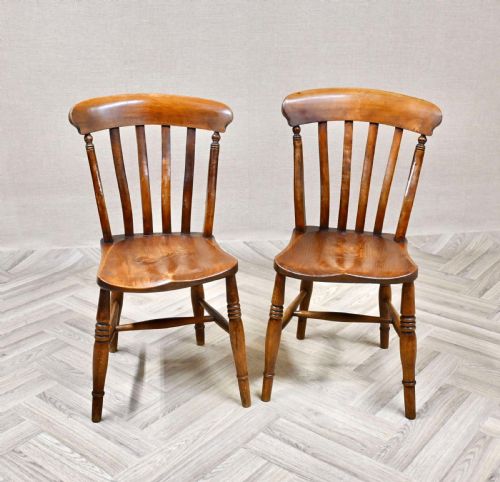
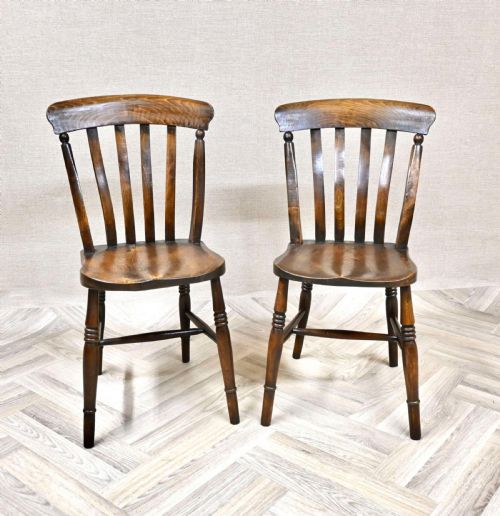
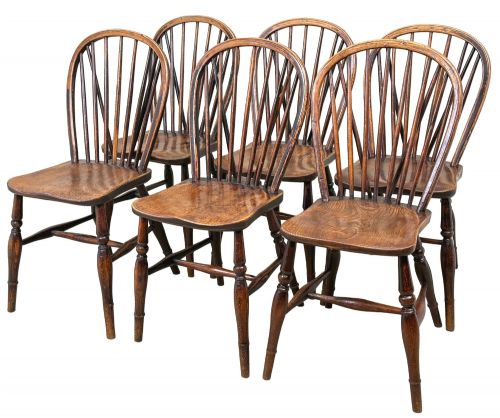
Craftsmen built these chairs using a combination of turned spindles and solid wooden seats, typically sculpted into comfortable saddle or penny shapes. The construction relies on traditional wedged tenon joints where legs and backs lock directly into the thick wooden seat slab.
Makers selected native timbers for specific structural properties, most notably combining elm for resilient, split-resistant seats with ash, beech, or fruitwood for flexible bentwood bows and slender spindles. Oak and pine also appear across various regional workshops to build robust frames.
Several chairs feature deeply hollowed penny seats, thoughtfully sculpted to keep eighteenth-century farmers comfortable through long evenings.
What varies in quality
Quality rests upon the harmony of the timber selection and the integrity of the original joints holding the spindles and legs to the seat slab. Superior examples display balanced proportions in the turning of the legs and the graceful steam-bending of the back bow.
The depth of the saddle shaping in the solid wood seat and the matching grain pattern across a set differentiate standard utility pieces from finer regional workshop production.
Worksop
The Wooden Windsor Side Chairs Glossary
- Windsor chair
- A wooden chair constructed with a thick solid seat into which the legs and back spindles are independently tenoned. This design provides sturdy everyday seating without relying on a bulky frame.
- Lathback
- A chair back featuring a central vertical wooden slat, or lath, framed by upright spindles. This layout offers solid lower back support while maintaining a light visual profile.
- Comb back
- A Windsor chair style where the top rail resembles the spine of a comb, extending above the main spindle arrangement. It often accommodates a low headrest for enhanced seating comfort.
- Elm
- A dense, interlocking timber historically chosen for chair seats because it resists splitting when nailed or bored. Its distinctive swirling grain patterns add character to the finished surface.
- Stick back
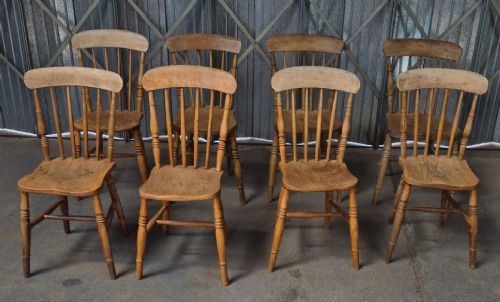
- A minimalist chair design utilising simple turned vertical spindles secured between the seat and the top bow. These pieces form the backbone of traditional country kitchen seating.
Wooden Windsor Side Chairs: Frequently Asked Questions
What is a windsor chair?
A windsor chair is a traditional wooden seat built by inserting legs and back spindles directly into a thick, sculpted solid wood base rather than joining them to a separate box frame.
This construction method creates a robust, enduring piece of furniture designed for heavy daily use in kitchens and dining rooms.
How do I care for wooden windsor chairs?
Keep these chairs away from direct heat sources and extreme humidity fluctuations to prevent the solid timber seats from splitting or the joints from loosening.
Apply natural beeswax periodically to nourish the wood and maintain a soft, protective sheen across the elm and ash surfaces.
Are windsor chairs comfortable for dining?
The saddle-shaped solid wood seats and ergonomically curved back spindles provide natural postural support during long meals.
Adding loose seat cushions can further enhance comfort while preserving the visible timber grain of the chair.
Can I mix different styles around a table?
Mixing various nineteenth-century country kitchen styles creates an authentic harlequin dining arrangement that reflects how these utility chairs were historically accumulated.
Matching heights and sharing common timber tones like elm and beech help unify a diverse group of chairs around a central table.