




Wooden Wall Hanging Salt Box
A wooden wall hanging salt box is a practical domestic container designed to keep kitchen salt dry, combining sturdy timber construction with space-saving utility.
Wooden Wall Hanging Salt Box
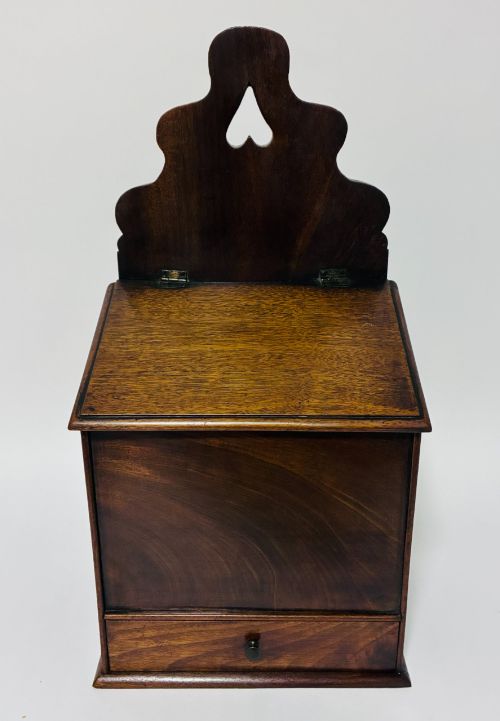
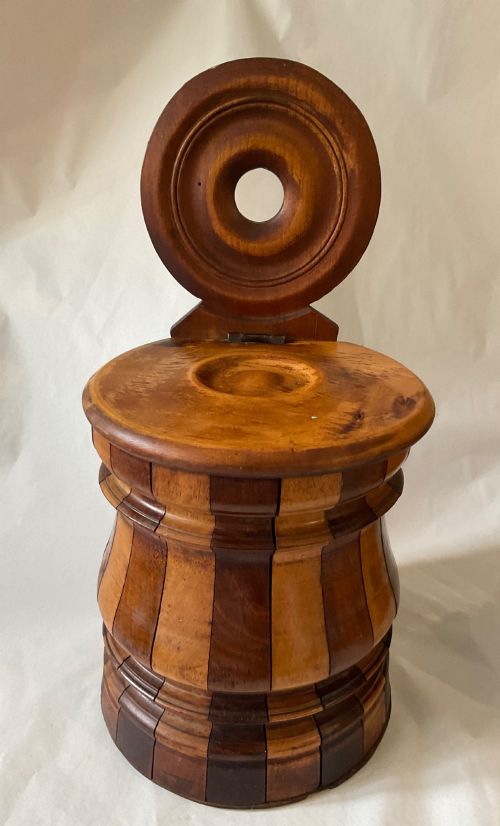
A wooden wall hanging salt box is a practical kitchen container designed to keep coarse salt dry and accessible near the hearth. The forms appearing here span several centuries, including 17th Century, 18th Century, and 19th Century examples originating from English country workshops.
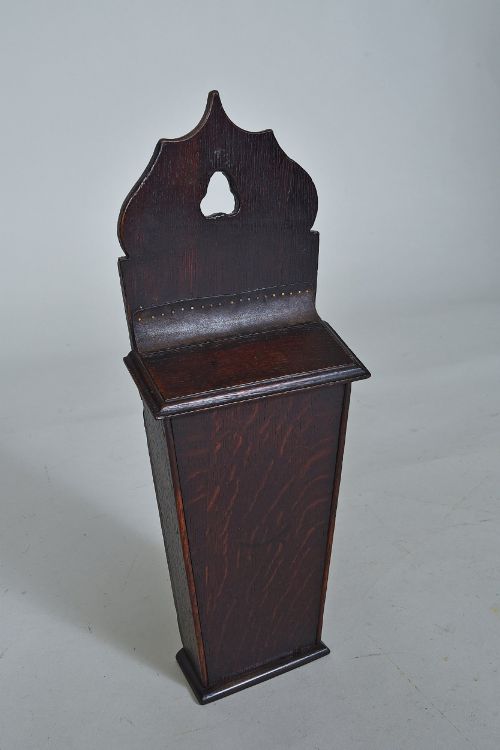
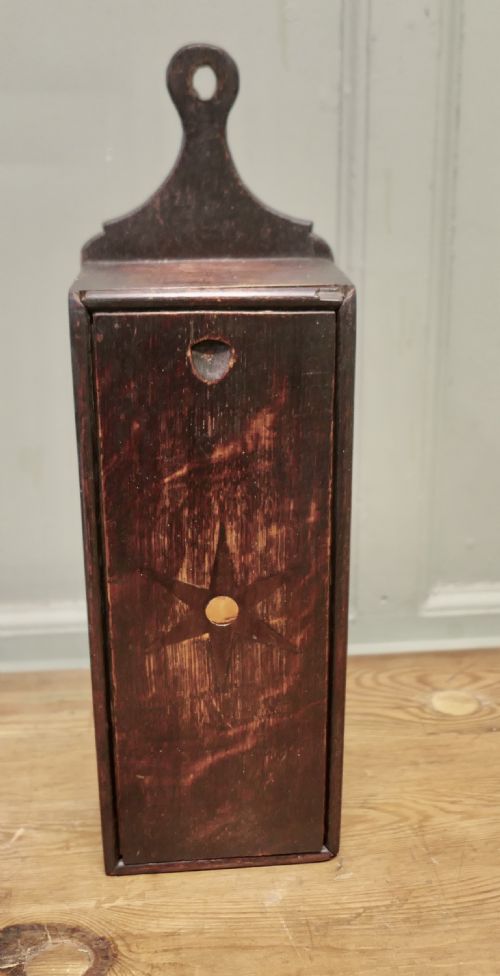
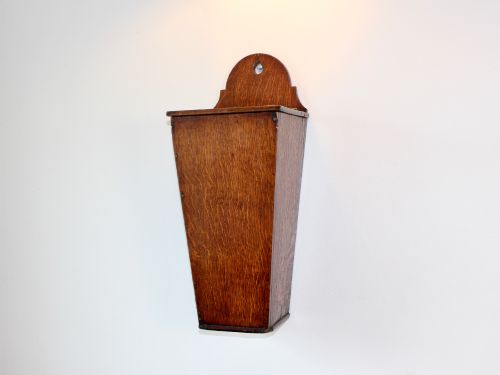
Most pieces encountered on this page belong to the Georgian and Victorian periods, often categorized under rustic country or treen kitchen storage. Alongside dedicated salt boxes, related kitchenware forms such as wall hanging candle boxes and spice cabinets frequently share these domestic spaces.
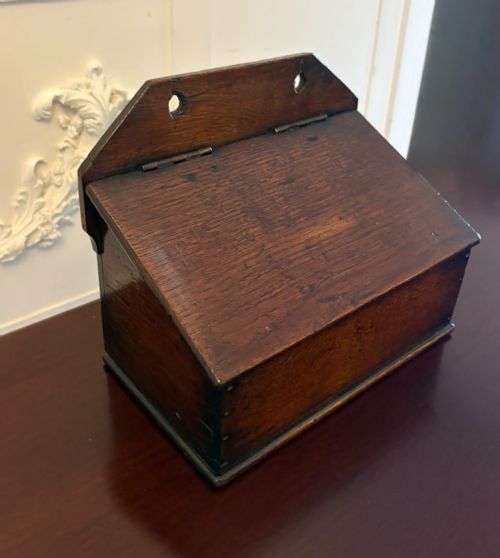
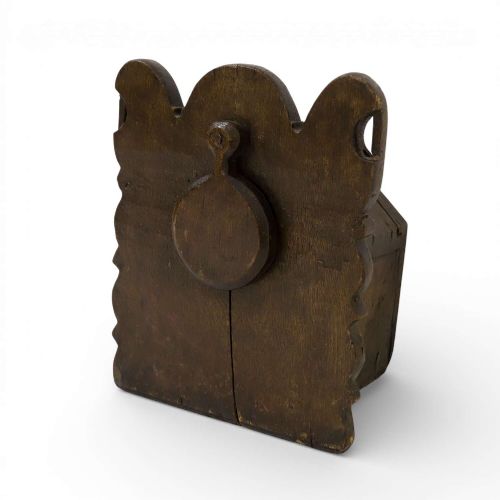
Constructed primarily for utility, these wall-mounted boxes feature hinged lids and back panels pierced for hanging on kitchen walls or beside fireplaces. The selection showcases robust vernacular craftsmanship intended for daily domestic service rather than formal parlour display.
Assessing craftsmanship and condition
Quality rests in the integrity of the timber joints, the survival of original iron or brass hardware, and the preservation of early surface treatments like red paint. Boxes retaining their original hanging points and uncompromised backboards demonstrate greater structural authenticity.
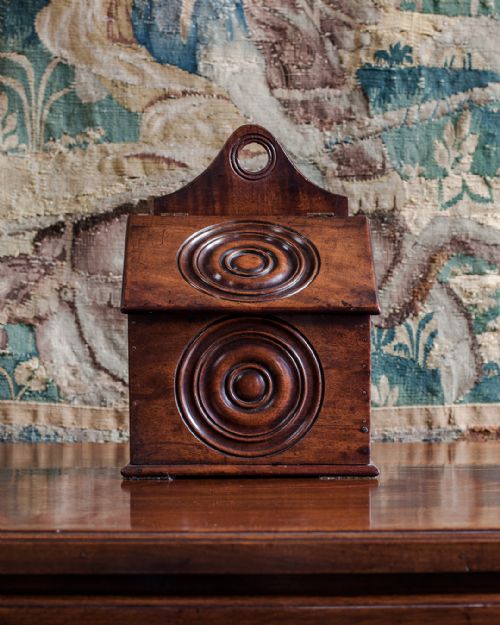
Subtleties of proportion and timber figure separate standard utilitarian kitchen containers from more finely finished pieces in mahogany or carved oak. The presence of honest wear from centuries of domestic use contributes to the character without diminishing the foundational build.
Wooden Wall Hanging Salt Box Retail Price Guide 2026
Typical asking prices for wooden wall hanging salt box among the pieces listed under this phrase on Sellingantiques today, from the lower quarter to the upper quarter. They describe what is for sale here now, not the wider market.
Several boxes still retain stubborn traces of red paint, hinting at a cheerful historical kitchen colour scheme.
The Wooden Wall Hanging Salt Box Glossary
- Treen
- Small handmade wooden domestic objects and utensils created for household use. These items range from salt boxes to kitchen storage and candle boxes.
- Vernacular
- Everyday objects made by regional craftsmen without grand architectural or high-style pretensions. This describes the unpretentious character of country kitchen furniture.
- Hardware
- Metal fixtures attached to furniture, including hinges, latches, and hanging rings. Original iron or brass hardware adds authenticity to period pieces.
- Pine
- A soft timber commonly used in regional and country-made domestic storage pieces. It often appears alongside oak in 19th-century kitchen boxes.
- Backboard
- The rear vertical panel of a wall-mounted box containing holes or brackets for hanging. This structural element supports the weight of the container against a wall.
Wooden Wall Hanging Salt Box: Frequently Asked Questions
How were salt boxes used?
Salt boxes hung near the kitchen hearth to protect coarse culinary salt from damp air. Keeping the seasoning dry ensured it remained free-flowing for daily cooking.
The sloping hinged lid allowed cooks to scoop salt quickly with one hand during food preparation.
What woods were used?
Carpenters utilised native timbers readily available in local workshops. Oak and pine appear frequently across these listings.
Finer examples occasionally employ imported hardwoods like mahogany to suit more polished domestic interiors.
How do I hang one safely?
Utilise the original mounting holes or secure brackets provided on the rear wooden backboard. Ensure the fixing anchor supports the combined weight of the timber box and its contents.
Avoid damp locations near sinks to protect historical wood surfaces and iron hardware from moisture damage.
Are candle boxes the same?
Candle boxes share a similar wall-hanging format with sloping lids designed to protect household contents. Tallow candles required similar safe storage away from dust and pests.
Makers often applied comparable construction techniques to both salt and candle containers in country workshops.