
Wooden Walking Cane
A wooden walking cane combines utility and personal style, offering a tangible link to Victorian and Edwardian daily life.
Wooden Walking Cane
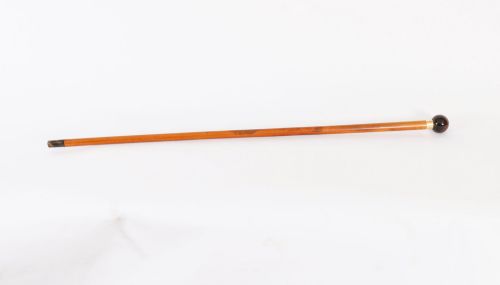
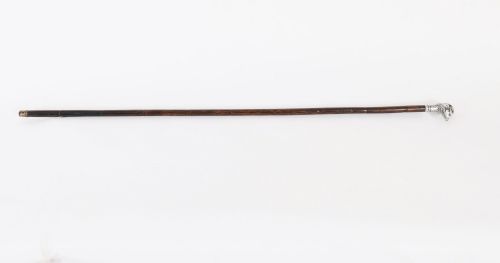
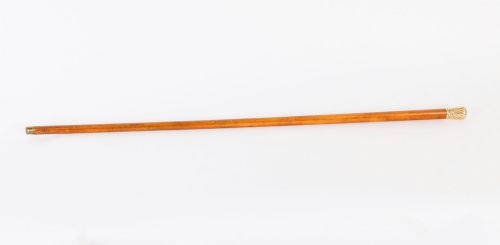
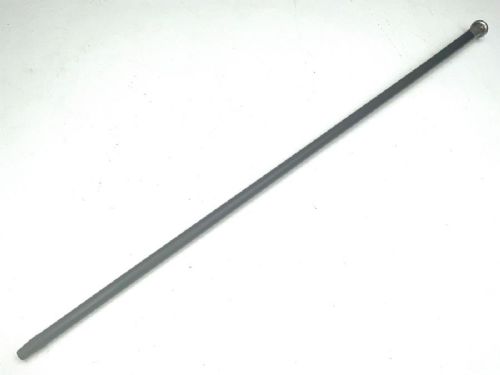
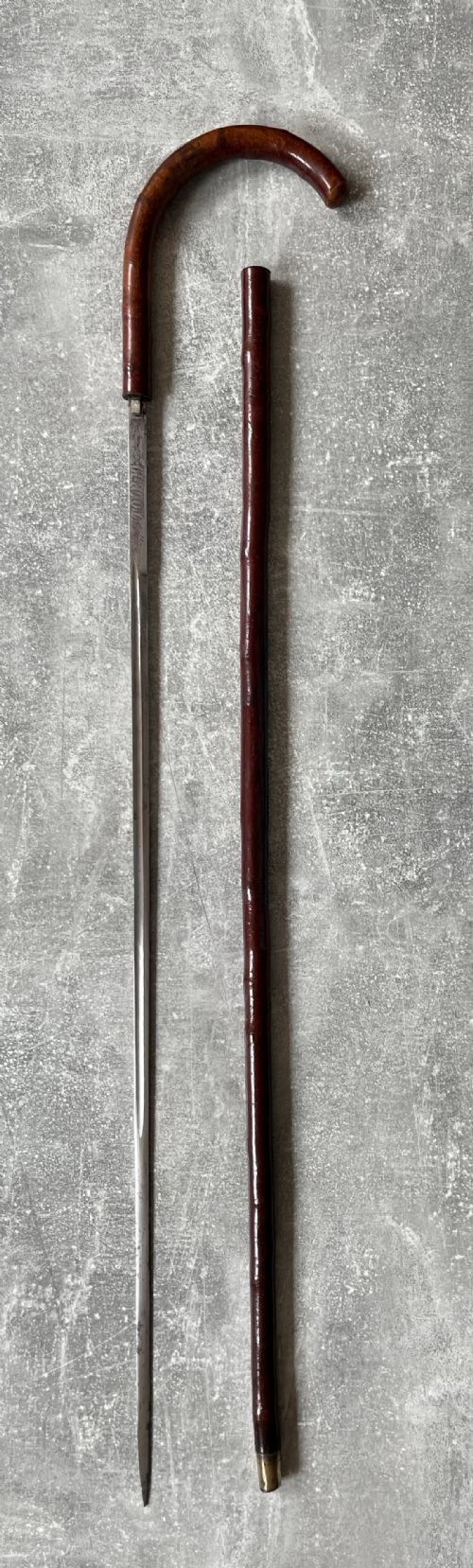
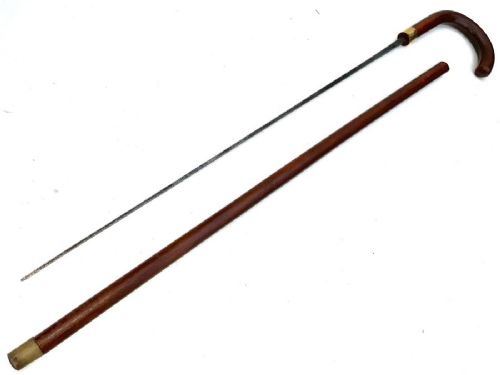
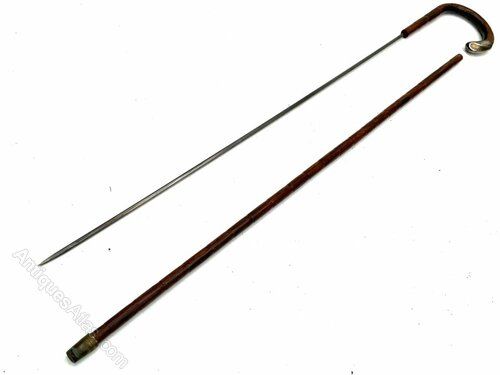
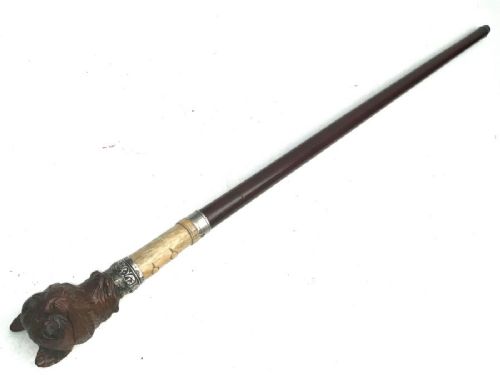
A wooden walking cane is a traditional support and gentleman's accessory originating primarily from the nineteenth and early twentieth centuries. When searching this phrase, a buyer encounters pieces ranging from simple hazel and partridge wood shafts to elaborate examples fitted with concealed blades. The most frequent versions on this page combine timber shafts with metal mounts, silver handles, or carved animal heads.
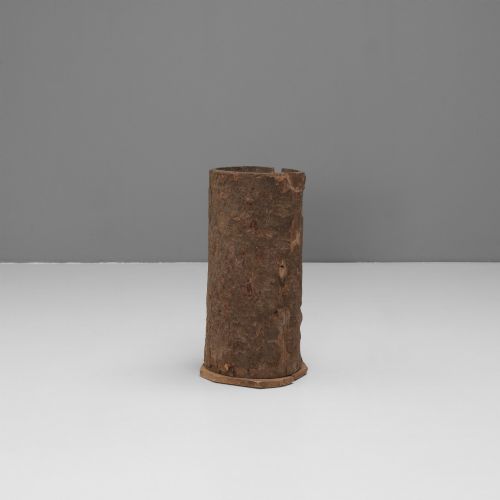
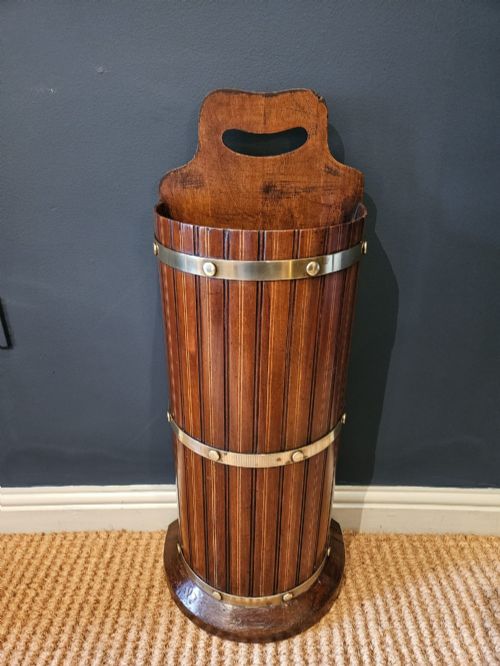
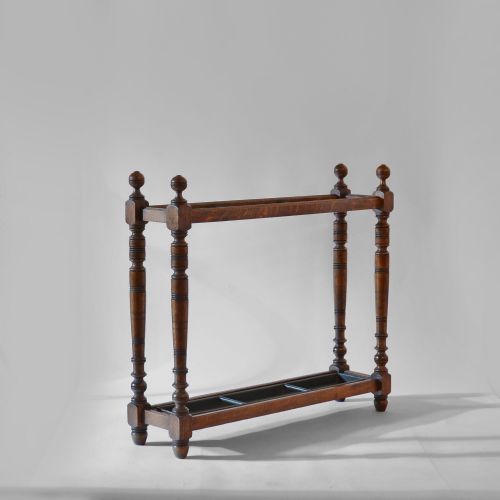
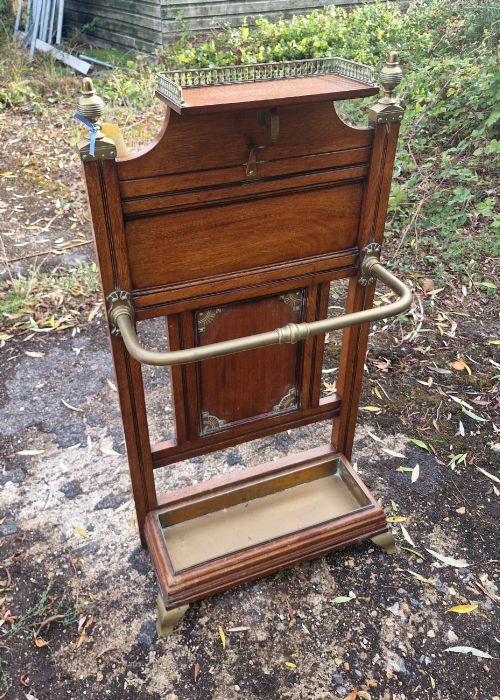
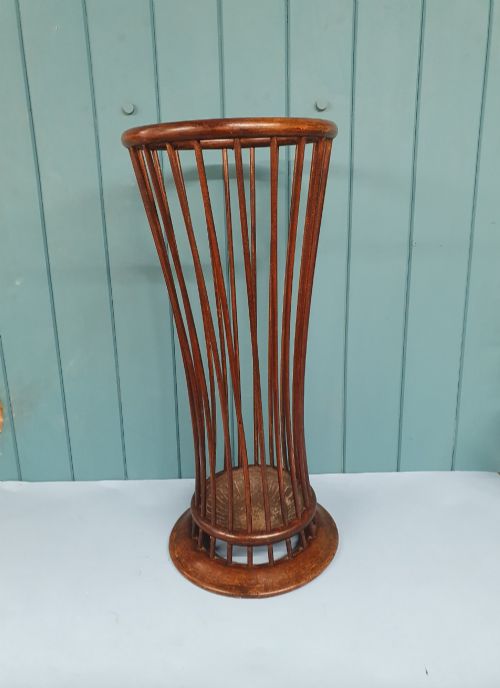
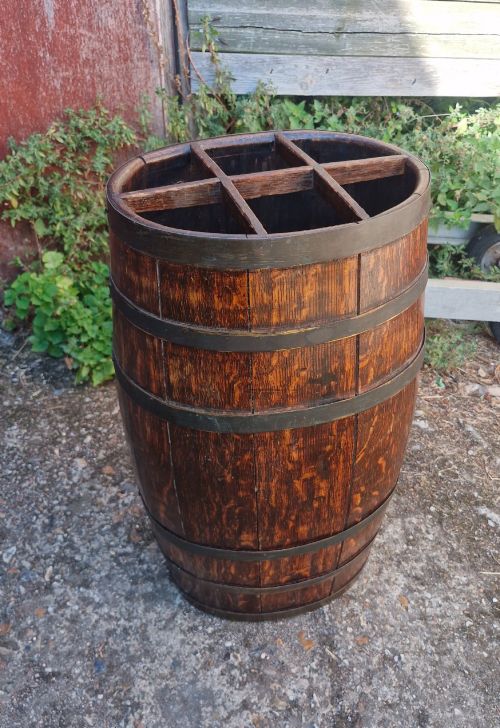
The selection includes specific regional and military variants, such as Irish blackthorn sticks and imperial officers' swagger sticks. Alongside individual walking sticks, the inventory encompasses oak and mahogany umbrella and stick stands designed for nineteenth-century hallways. These companion furniture pieces house collections of canes in country houses and town residences alike.
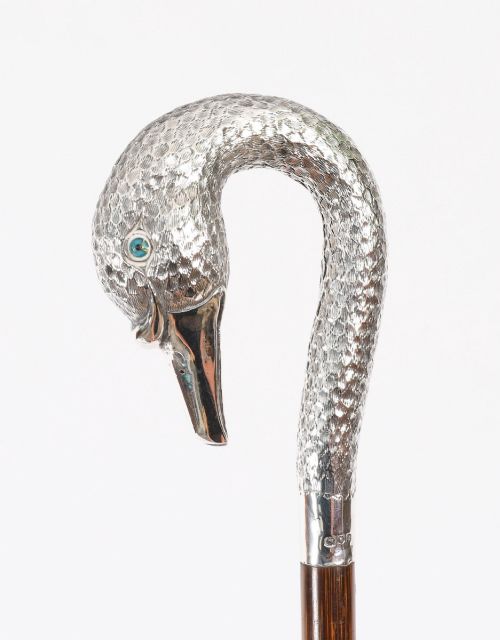
Dated examples span the Victorian and Edwardian eras, utilising hardwoods, cherrywood, and malacca alongside precious metal pommels. Many feature novel or figural handles shaped as ducks, swans, or boars, reflecting the distinct tastes of the period. Collectors evaluate these items based on the integration of the handle with the wooden shaft and the presence of assay marks.
Materials and construction
Makers utilised a variety of dense timbers including oak, mahogany, elm, partridge wood, and blackthorn for the shafts. These woods were selected for straight grain and resilience, often paired with metal collars in steel or brass to reinforce the joints.
Handles and pommels involved specialised metalworking and carving skills, incorporating sterling silver, gold, and horn shaped into avian or mammalian forms. Concealed sword sticks utilised tempered steel blades originating from Toledo or bearing maker inscriptions such as Wilkinson.
Hall furniture pieces relied on traditional coopering and joinery techniques in oak and mahogany, frequently incorporating metal drip trays to manage moisture from wet umbrellas. Silver elements on the canes themselves carried hallmarks indicating London or continental assay offices.
Listings feature items spanning the Victorian and Edwardian eras, incorporating oak, mahogany, silver, brass, and various hardwoods.
Defining quality
Quality rests in the fidelity of the carving and the quality of the precious metal mounts attached to the timber. Finely cast silver duck or boar heads show crisp feather and hair detail, whereas lesser examples appear soft and worn.
The choice of shaft material and blade manufacturer dictates desirability among collectors. Branded steel blades and hallmarked gold or silver pommels elevate a piece far above unmarked utility versions.
For hall stands, the integrity of the timber framing, original metal drip trays, and coopered construction separate utilitarian racks from country house furniture of finer execution.
Thomas Johnson·Wilkinson·Heals of London
The Wooden Walking Cane Glossary
- Pommel
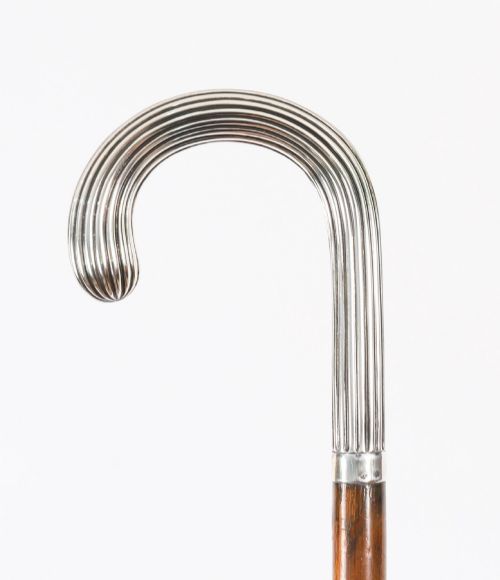
- The rounded handle or knob at the top of a walking stick. These often take the form of metal caps, carved animals, or gold and silver grips.
- Sword stick
- A walking cane containing a concealed blade within the wooden shaft. Many date from the Victorian and Edwardian military periods.
- Swagger stick
- A short cane carried by military officers as a symbol of authority. Examples often display regiment details or silver plating.
- Blackthorn
- A dense, tough wood derived from the sloe bush, traditionally used for Irish walking sticks. The timber retains characteristic knobbly nodes along the shaft.
- Collar
- The narrow metal band fitted around the shaft immediately below the handle. This reinforces the join between the handle and the wooden body.
Wooden Walking Cane: Frequently Asked Questions
What woods were commonly used?
Makers employed dense hardwoods including oak, mahogany, elm, cherrywood, and partridge wood. Hazel and blackthorn also served frequently for country walking sticks.
Selection depended on the intended rigidity of the shaft and whether the piece required natural knops or a smooth, turned finish.
Are hall stands contemporary with the canes?
Hall stands and umbrella racks from the Victorian and Edwardian periods were designed specifically to house these walking sticks and umbrellas in large residences. Many incorporate oak frames and original metal drip trays.
These pieces complement the canes by providing a period-correct display method for an assembled collection.
What do silver hallmarks indicate?
Silver pommels and collars frequently bear hallmarks showing the assay office, such as London, and a date letter. These marks verify the metal standard and narrow down the year of manufacture.
Foreign pieces often feature continental silver stamps indicating the purity standard and country of origin.