


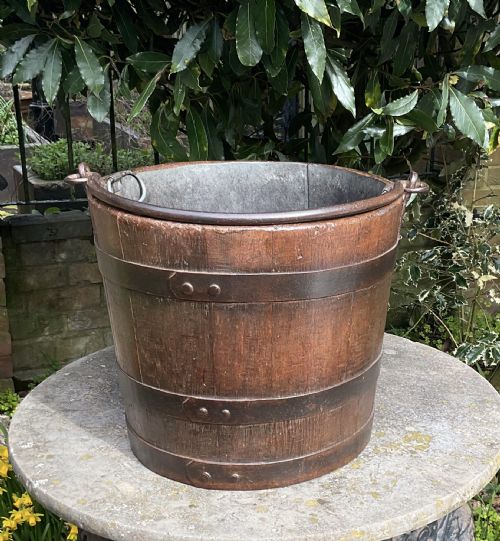


Wooden Tub Planters
These wooden tub planters bring historic coopered vessels, wine coolers, and storage barrels into gardens and interiors.
Wooden Tub Planters
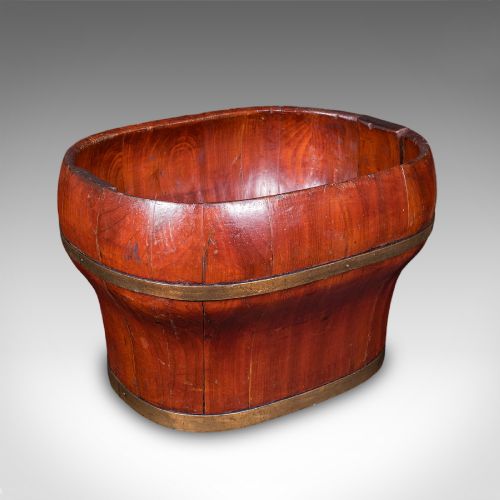
Wooden tub planters encompass sturdy coopered vessels originally built for holding wine, peat, laundry, or harvest goods, which now serve gardeners and interior decorators alike. Buyers seeking wooden tub planters encounter robust shapes shaped by traditional stave-and-hoop construction across the Georgian, Victorian, and later periods.
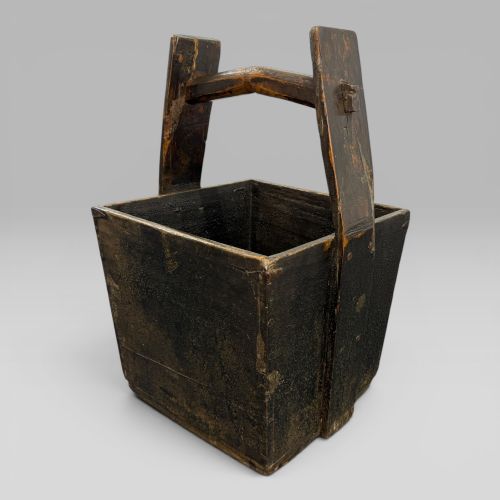
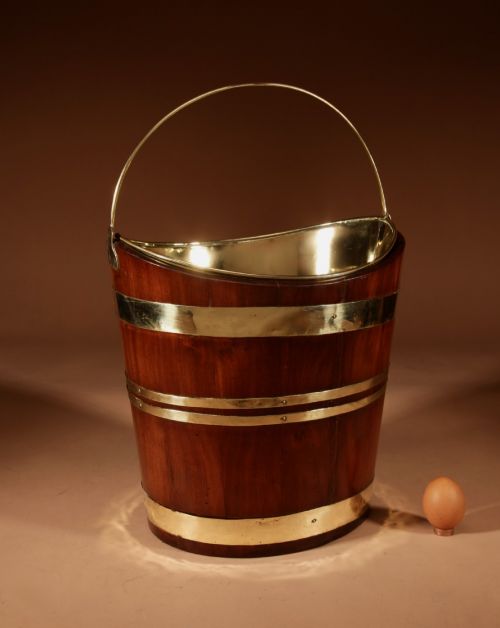
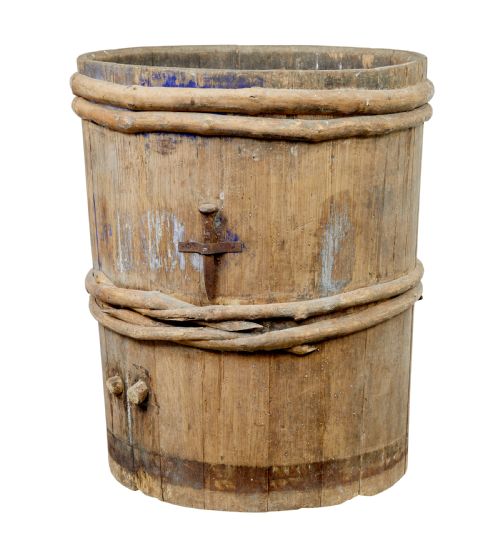
The forms span from small boat-shaped tea stoves and oyster buckets to large oak barrels, pine storage vessels, and elm harvest baskets. Many pieces carry dual heritage, functioning historically as wine coolers or stick stands before finding new purpose as planters.
How they were made
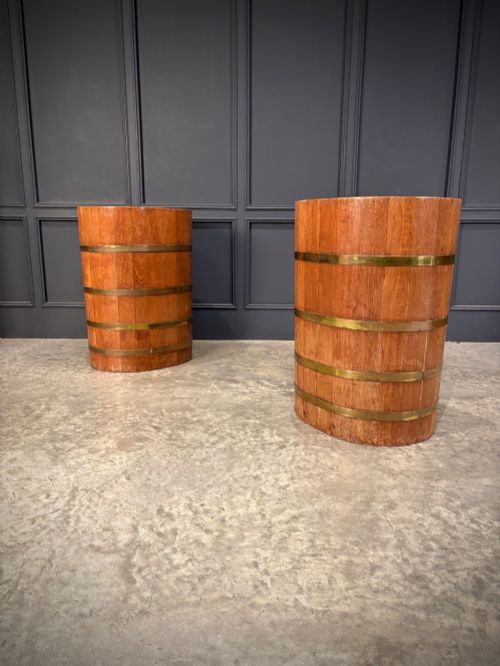
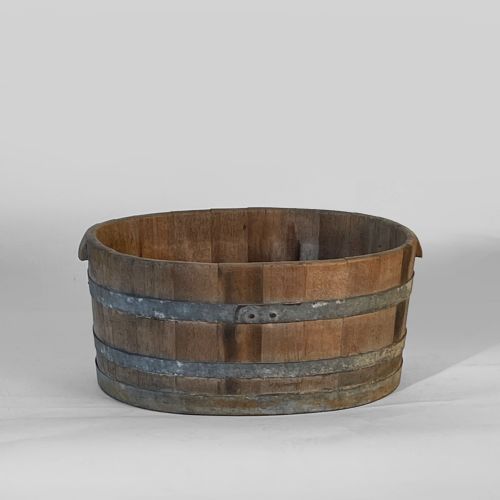
Makers shaped dense timbers such as oak, mahogany, elm, walnut, and pine into curved staves, fitting them tightly together using the traditional craft of coopering. These wooden bodies received structural and decorative reinforcement from metal bands forged in brass or iron.
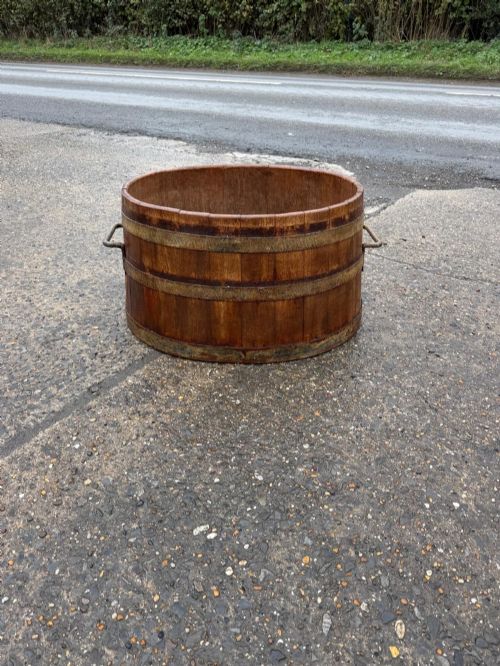
Vessels intended to hold liquids or damp materials often integrated secure metal linings, zinc inserts, or sturdy iron hoops to withstand moisture. Handles in wood, brass, or iron were frequently attached to aid lifting and movement.
Wooden Tub Planters Retail Price Guide 2026
Typical asking prices for wooden tub planters among the pieces listed under this phrase on Sellingantiques today, from the lower quarter to the upper quarter. They describe what is for sale here now, not the wider market.
The listings show wooden tub planters spanning the eighteenth, nineteenth, and twentieth centuries, constructed in oak, mahogany, pine, elm, and walnut.
What varies in quality
Quality rests upon the integrity of the timber selection and the precision of the cooper's jointing across the staves. Dense hardwoods like mahogany and figured oak demand greater skill than utilitarian pine or elm.
Finer examples feature heavy cast brass banding, dovetail construction, and original fitted liners rather than simple iron hoops. The transition from utilitarian container to refined household furnishing marks the higher tier of these pieces.
The Wooden Tub Planters Glossary
- Coopered
- Constructed from curved wooden staves bound together with metal or wooden hoops. This method created watertight vessels for wine, washing, and storage.
- Cellarette
- A lockable container used to store bottles of wine or spirits in dining rooms. Many period cellarettes now serve as deep planters.
- Jardiniere
- An ornamental pot or stand designed to hold growing plants or floral displays. These pieces often feature decorative brass mounts or fine timber veneers.
- Peat bucket
- A deep vessel originally used to hold peat fuel for indoor fires or tea stoves. Their generous proportions suit modern planting.
- Stave
- One of the narrow shaped wooden strips that form the sides of a barrel, tub, or bucket. Staves are tapered to create the curved profile of the vessel.
Wooden Tub Planters: Frequently Asked Questions
Are wooden tub planters waterproof?
Many historical vessels include metal linings or zinc inserts to hold moisture, though timber staves can dry out and develop minor gaps over time.
Placing a plastic pot inside helps protect the historic wood from direct dampness and soil contact.
How do I date an old wooden tub?
Dating relies on timber choice, such as mahogany in Georgian pieces or pine in Scandinavian country items, alongside the style of brass or iron banding.
Tool marks and construction methods left by the cooper also offer clues to the period of origin.
Can I use these planters outdoors?
Sturdy oak and pine vessels withstand outdoor conditions well when treated with appropriate natural oils or kept off damp ground.
Finer mahogany pieces with delicate veneers benefit from sheltered conservatory or indoor placement.
What is a coopered oyster bucket?
An oyster bucket is a small stave-built wooden tub originally employed in harvesting or serving shellfish during the nineteenth century.
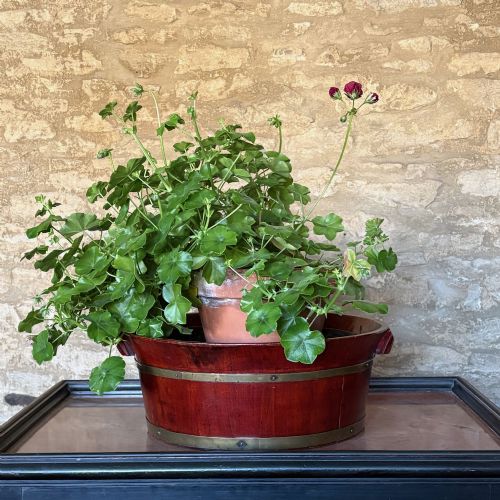
Their compact size and metal bindings make them well-suited for small houseplants.