
Wooden Trestle Kitchen Table
A wooden trestle kitchen table anchors the room with sturdy lines and honest grain, bringing centuries of utility straight to the heart of the home.
Wooden Trestle Kitchen Table
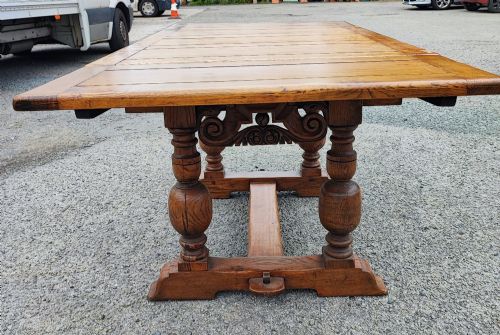
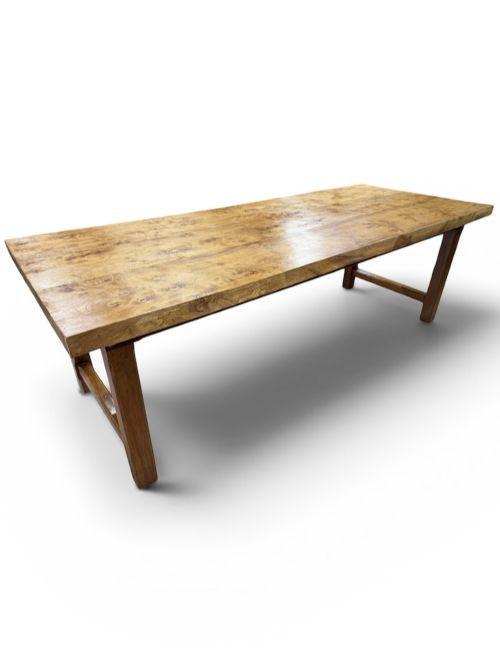
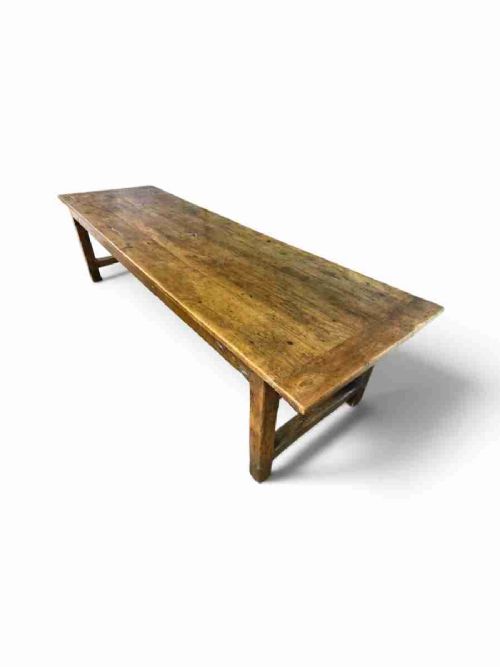
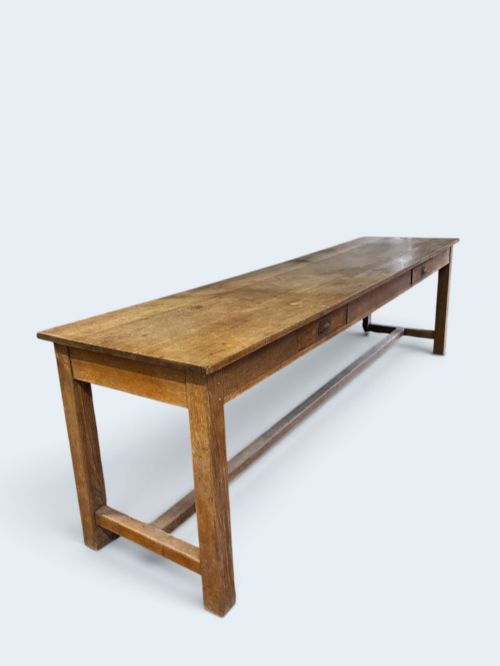
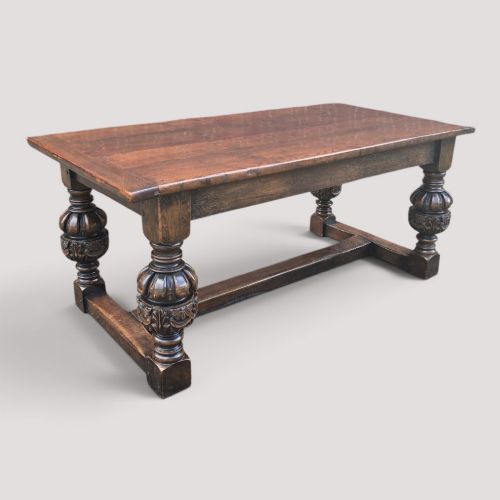
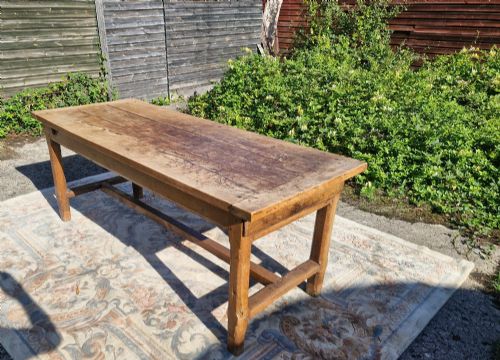
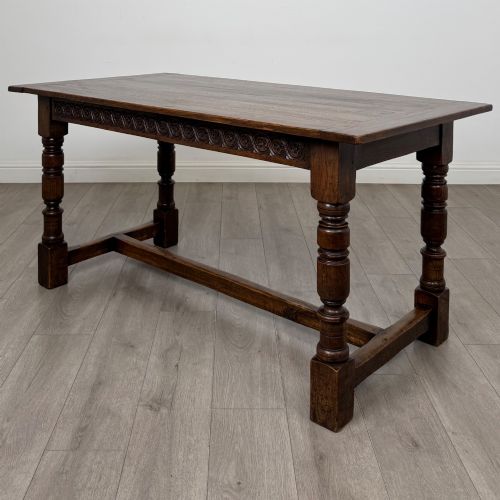
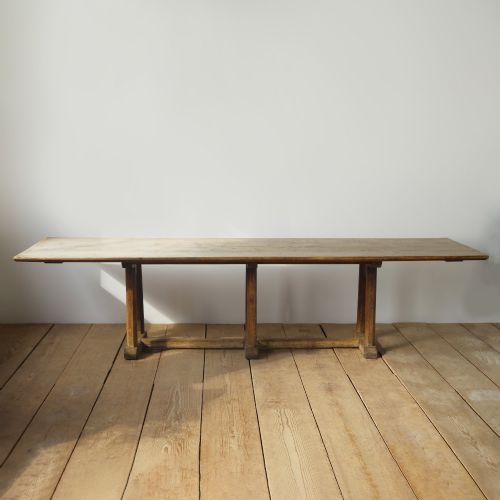
A wooden trestle kitchen table brings together solid timbers and practical floor-standing supports designed to maximise legroom around the board. When searching this phrase, you encounter pieces spanning from the seventeenth century through to the mid-twentieth century, with nineteenth-century examples and Edwardian designs appearing most frequently.
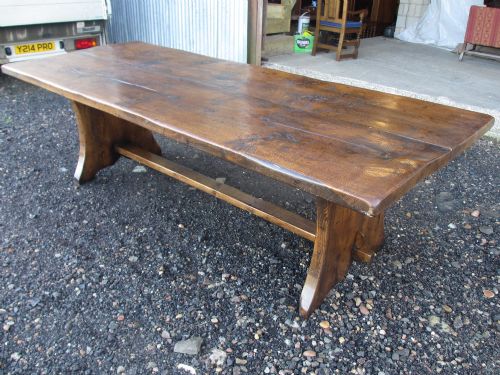
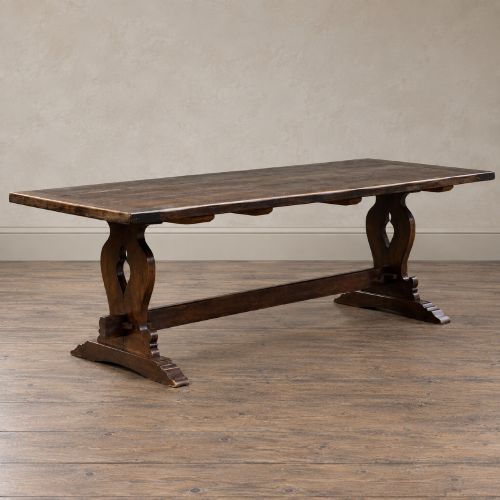
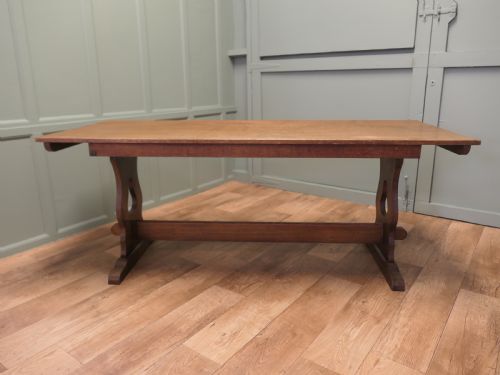
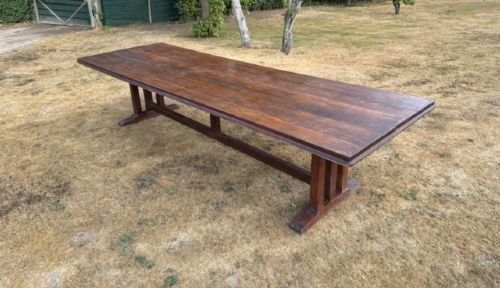
The construction typically pairs a substantial top with upright trestle ends connected by a central stretcher beam. Forms range from rustic farmhouse boards and refectory styles to French provincial and Arts and Crafts interpretations.
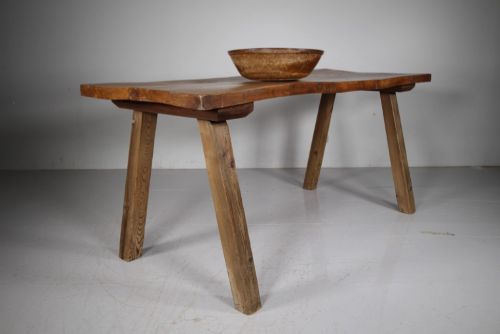
Origins vary across English, French, and Swedish traditions, showing how different makers adapted the core trestle format for dining, serving, and tavern use. The resulting inventory reflects practical domestic furniture built to handle heavy daily gatherings.
Judging the quality of these tables
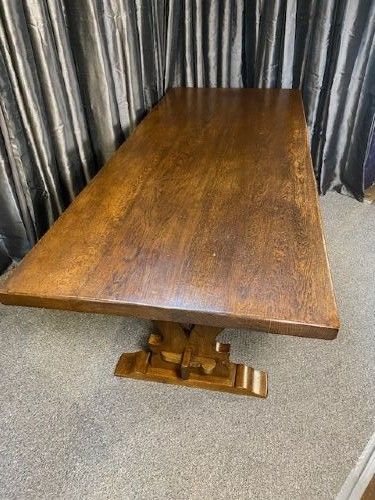
Quality rests in the integrity of the timber selection and the retention of the original surface patina. Tables fashioned from single-plank elm or heavy quarter-sawn oak command attention for their structural stability and deep, unblemished grain.
Proportion and execution separate utilitarian workshop output from finer stylistic expressions like Jacobean Revival or Arts and Crafts dining tables. Well-balanced trestle ends and tight, uncompromised joinery indicate superior cabinet-making traditions.
Some nineteenth-century tavern tables bear the quiet indentations of spilled ale and decades of heavy pewter tankards.
The Wooden Trestle Kitchen Table Glossary
- Refectory table
- A long dining table traditionally used in monastic dining halls, adapted domestically for large kitchens.
- Trestle
- A structural support consisting of two or more upright legs connected by a horizontal beam or stretcher.
- Draw leaf
- A table featuring sliding extension leaves stored beneath the main top that pull out to lengthen the surface.
- Stretcher
- A horizontal timber connecting the legs or trestle bases to provide lateral rigidity and prevent spreading.
- Plank top
- A surface constructed from wide boards joined lengthwise rather than multiple narrow strips.
- Quarter-sawn
- Timber cut radially from the growth rings, producing a durable board with distinct medullary ray flecks.
Wooden Trestle Kitchen Table: Frequently Asked Questions
What is a trestle table?
A trestle table uses two or more heavy upright supports joined by a horizontal beam rather than traditional corner legs. This design provides maximum stability and lets diners sit comfortably along the entire length of the board.
Historically developed for communal dining in halls, the format translates easily into modern kitchens where legroom and sturdy construction matter most.
How do I date an old table?
Dating relies on examining the timber species, tool marks left by saws or planes, and the assembly methods used in the frame. Hand-pegged joints and single-plank tops often point to earlier centuries, whereas twentieth-century pieces show different machining standards.
Stylistic cues such as Edwardian shaping or Arts and Crafts chamfering also help narrow down the period of production.
Are these tables suitable for daily use?
These tables were originally built for heavy daily work, whether in farmhouses, taverns, or domestic kitchens. Solid timber surfaces handle everyday meals and gatherings easily.
Maintenance involves simple cleaning and occasional waxing to protect the historic grain and patina from moisture.
What woods were commonly used?
Makers utilised accessible local hardwoods and softwoods suited to heavy furniture construction. Oak and elm provided exceptional strength for refectory styles, while pine and beech appeared frequently in farmhouse and provincial contexts.
Walnut was selected for finer decorative statements, particularly in later revival pieces.