






Wooden Table Centrepiece
A wooden table centrepiece anchors the dining surface with carved timber, silver plate or glass, offering both practical service and grand table presence.
Wooden Table Centrepiece
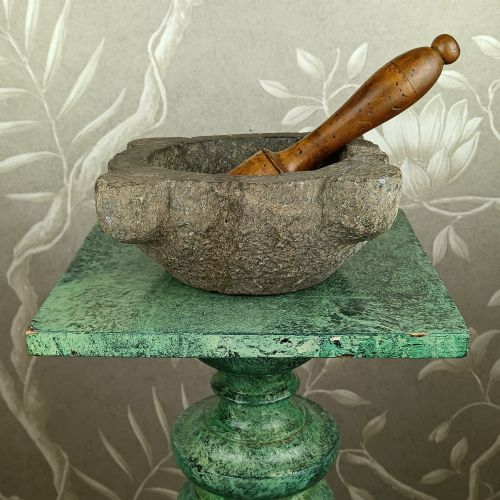
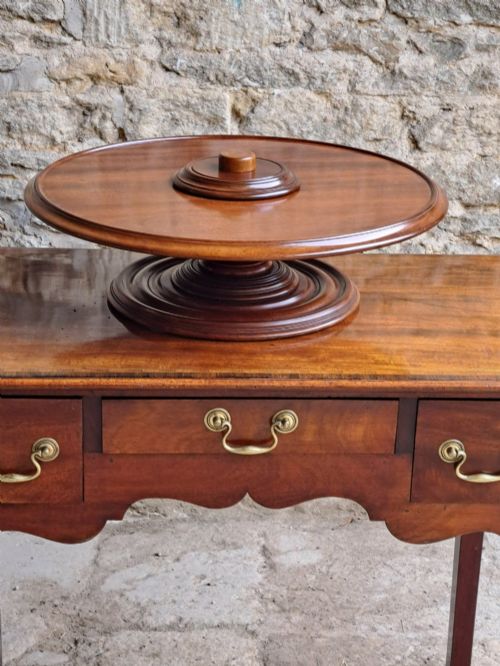
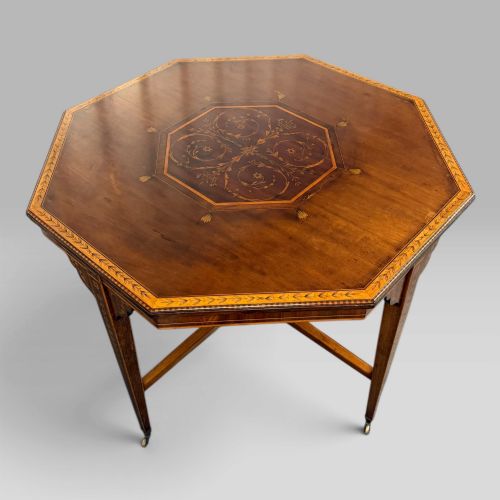
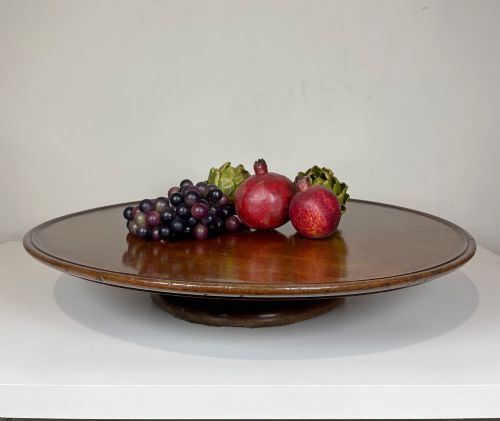
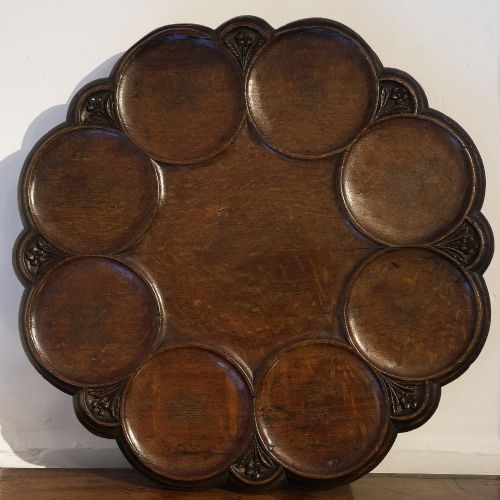
A wooden table centrepiece gathers various serving forms and decorative display objects designed to anchor a dining surface. When searching for a wooden table centrepiece, buyers encounter an array of functional vessels including fruit bowls, revolving lazy susans, cheese coasters and cake stands.
The selections span significant eras from the seventeenth century through the Georgian and Victorian periods up to the nineteen-thirties. Formations range from rustic Black Forest carvings and Arts and Crafts treen ware to formal mahogany revolving stands.
Origin points vary widely across English country workshops, continental studios and Italian carvers. Most pieces serve to present fruit, bread, cheese or confectionery directly to guests at the table.
Materials and construction methods
Makers utilised dense timbers such as mahogany and oak, often shaping the wood through hand carving or turning on a lathe. Selected items incorporate contrasting materials like ebonised surfaces, silver plate, gold leaf and mirrored glass inserts.
Carved details often feature naturalistic motifs such as fruiting vines or ornate architectural elements like pagodas. Rotating mechanisms on lazy susans and tiered stands rely on robust internal wooden pivots or early metal bearings.
Wooden Table Centrepiece Retail Price Guide 2026
Typical asking prices for wooden table centrepiece among the pieces listed under this phrase on Sellingantiques today, from the lower quarter to the upper quarter. They describe what is for sale here now, not the wider market.
One revolving egg cup stand arrives directly from the private collection of the late Mrs Henry Ford the second.
Differentiating quality across pieces
Quality rests in the crispness of the hand carving and the depth of the timber grain rather than any single decorative flourish. Superior examples display fluid, confident lines in foliate carvings and balanced proportions across revolving tiers.
The integrity of the original timber finish and the smooth operation of rotating mechanisms dictate desirability. Finer items retain their original patination and display careful joinery that withstands decades of regular table service.
The Wooden Table Centrepiece Glossary
- Lazy Susan
- A revolving tray placed on a table to assist in moving food easily between diners. These typically feature solid mahogany or oak construction.
- Cheese Coaster
- A low-walled dish or tray, frequently made of mahogany, designed to hold a cheese wedge and protect the table surface. They often feature wheels or flat bases.
- Black Forest
- A nineteenth-century Swiss and German style defined by highly detailed, naturalistic wood carvings of animals and foliage. Bears and woodland flora feature prominently.
- Treen
- Small handmade wooden household objects and utensils. Collectors prize these items for their tactile surfaces and utilitarian charm.
- Candle Pricket
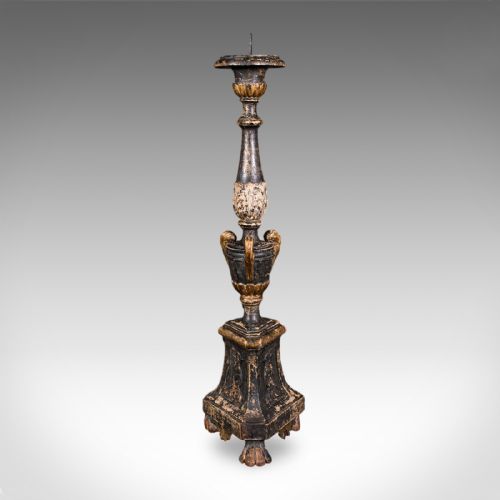
- A candlestick featuring an upright spike that holds a candle in place rather than a socket. These serve as striking decorative elements on dining tables.
Wooden Table Centrepiece: Frequently Asked Questions
How do I use a lazy susan?
Place the revolving stand in the middle of the dining table to hold condiments, fruit or serving dishes. Diners simply spin the tray to access items without reaching across the surface.
Ensure the weight remains reasonably balanced across the centre point to maintain smooth rotation during use.
What is a cheese coaster?
A cheese coaster is a small circular tray designed to hold a wedge of cheese and catch crumbs during a meal. They sit directly on the table surface for easy passing.
Many Georgian examples utilise rich mahogany timber with raised rims to contain the cheese securely.
How do I clean wooden tableware?
Wipe wooden surfaces gently with a slightly damp cloth and dry immediately with a soft towel. Avoid soaking timber pieces in water or exposing them to excessive heat.
Periodically apply a suitable wood wax to nourish the grain and maintain the natural lustre of the finish.
How do I date a wooden centrepiece?
Examine the tool marks, timber choice and construction methods to establish an approximate period. Georgian pieces often feature dense mahogany, while Victorian items lean towards elaborate carving.
Compare stylistic details such as floral motifs and hardware against documented examples from specific decades.