

Vintage Fruit Dish
When you handle a vintage fruit dish, you hold a piece designed to bring colour and form to the dining table.
Vintage Fruit Dish
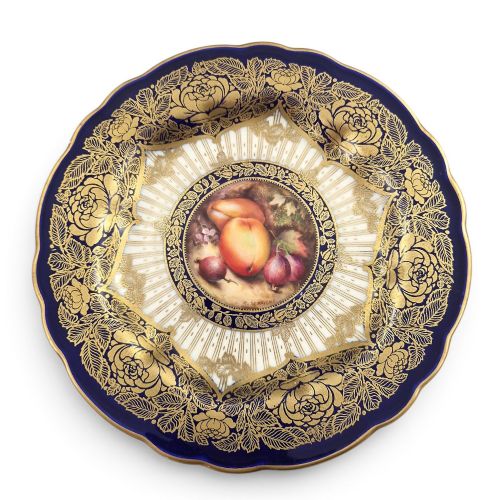
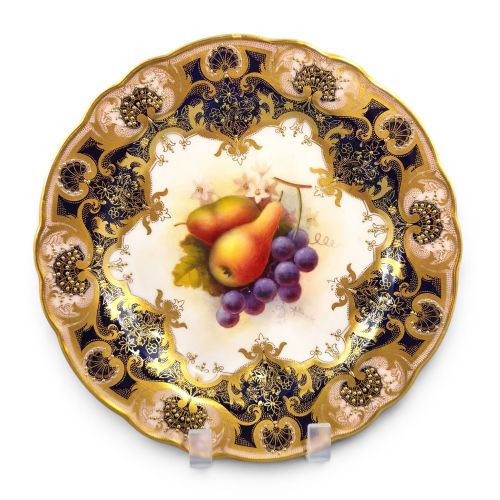
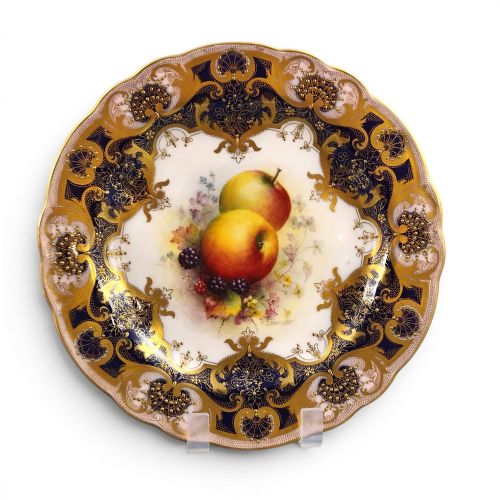
A vintage fruit dish covers a wide range of vessels created to hold and display produce, spanning decorative bowls, centrepieces, baskets, and cabinet plates. The items appearing here stretch from the late nineteenth century through the Edwardian era and into the 1930s and mid-century decades, reflecting shifting tastes in domestic presentation.
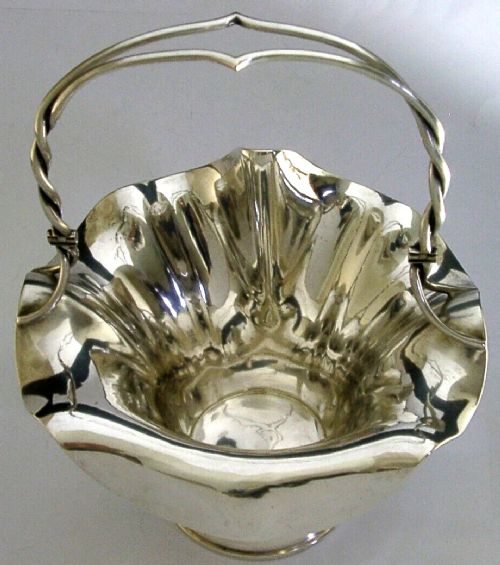
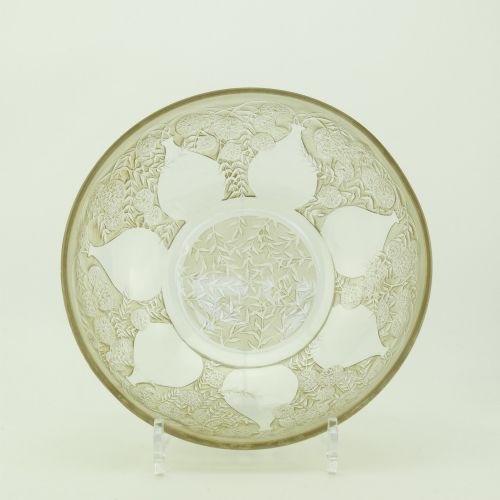
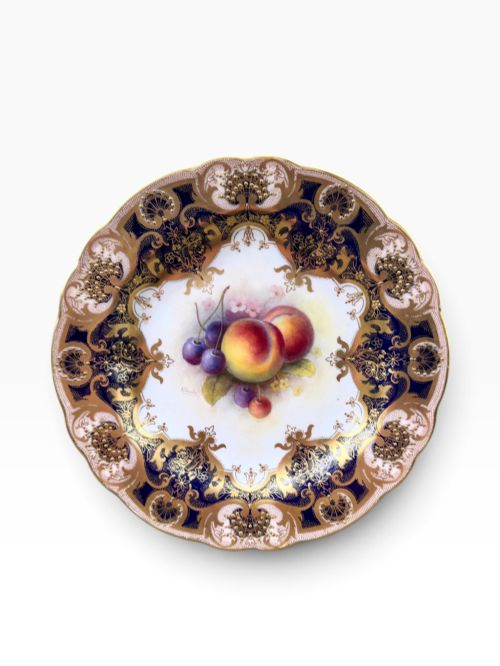
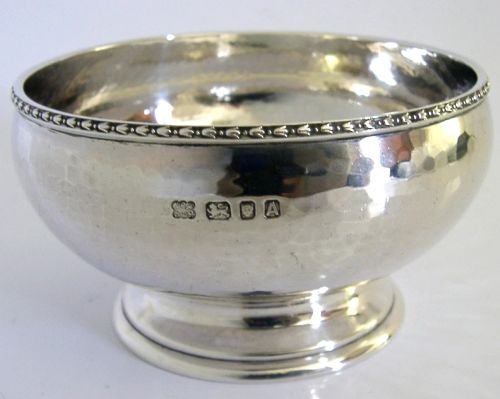
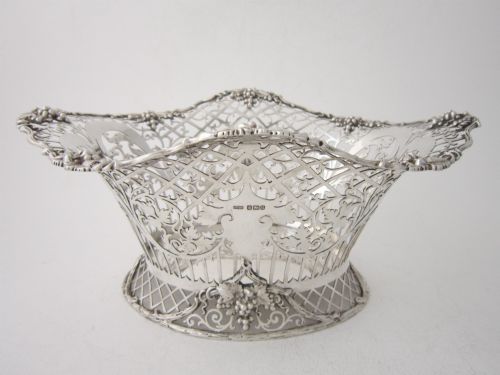
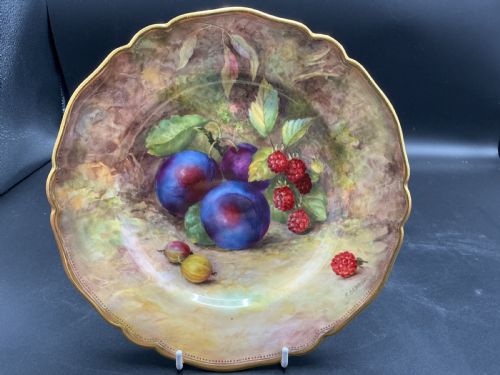
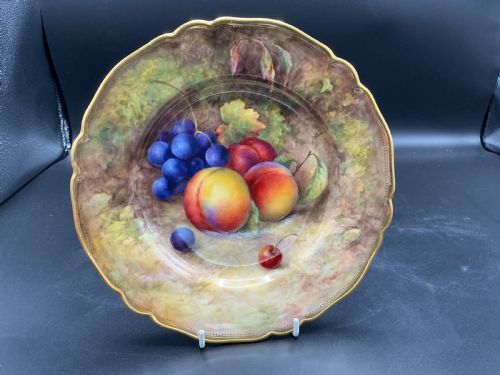
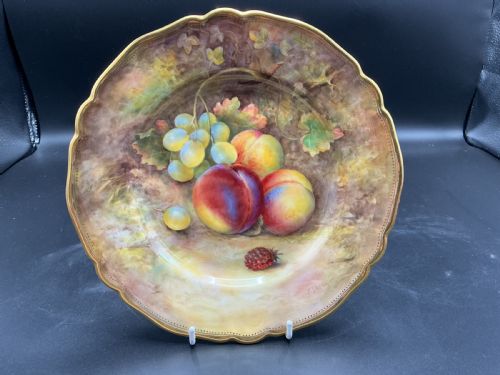
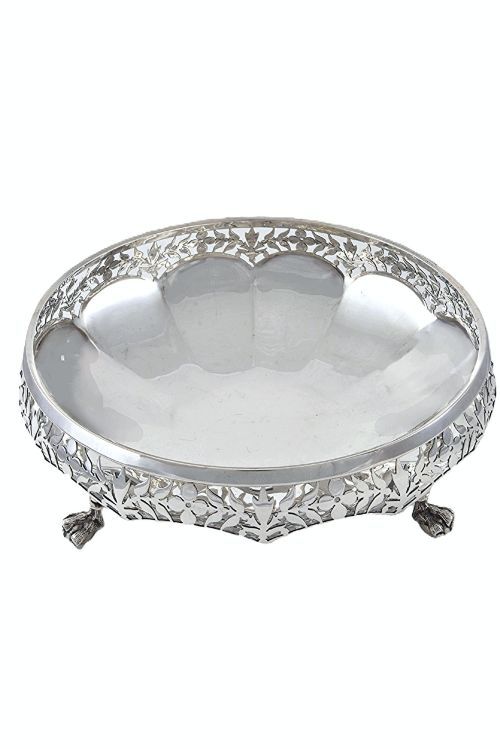
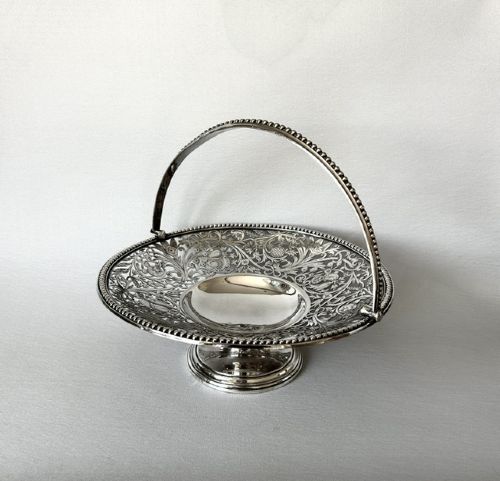
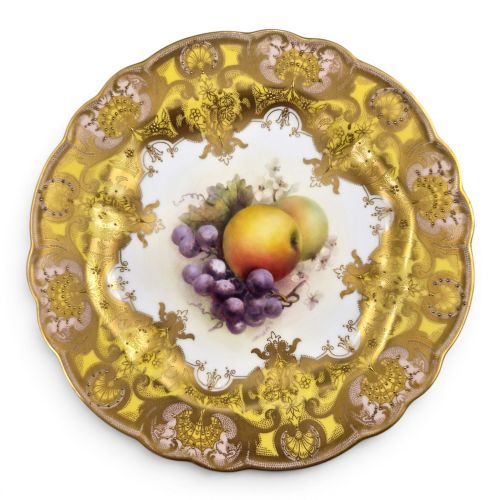
You will encounter substantial silver and silver-plated baskets featuring pierced or repoussé work, alongside delicate porcelain plates painted with botanical studies. Glassware also plays a prominent role, taking the form of heavy cut crystal, opalescent moulded pieces, and brightly coloured bowls.
Makers and workshops across Britain, continental Europe, and Japan contributed to this tradition, producing items that served both functional dining purposes and formal interior decoration. Whether shaped from hammered metal or turned wood, each example reveals the specific material preferences of its period of manufacture.
How they were made
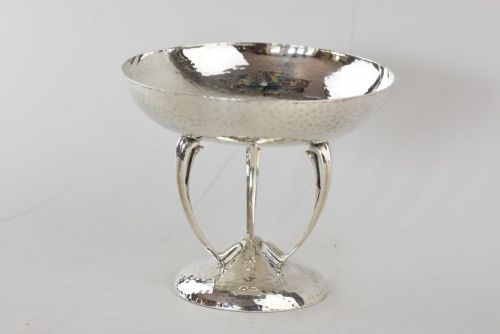
Metal vessels rely on traditional silversmithing techniques, utilising sterling silver or silver plate shaped through planishing, hammering, and piercing. Makers also employed cast bronze mounts, ormolu, and brass to frame glass and ceramic bodies.
Ceramic examples demonstrate fine porcelain and bone china bodies finished with hand-painted polychrome glazes and occasionally accented with gold leaf. Glass pieces combine mould-pressing, deep cutting, and opalescent finishes to achieve their visual depth and texture.
Swiss musical fruit bowls exist to play a tune while holding your apples.
What varies in quality
Quality rests in the execution of the hand-painted or hand-hammered details and the weight of the underlying material. Superior metal items show crisp repoussé work and balanced construction, while ceramic pieces gain distinction through the skill of the named artist painting the fruit subjects.
The choice of medium dictates the character of the piece, with heavier gauge silver and thick cut glass representing more substantial manufacturing effort. Maker attribution also plays a part, as distinguished workshops and studios consistently applied higher standards of design and finishing.
Goldsmiths and Silversmiths Company·Royal Worcester·Mappin and Webb·Rene Lalique·Elkington·John Hunt
The Vintage Fruit Dish Glossary
- Cabinet plate
- A decorative ceramic plate intended for display rather than dining. These often feature detailed hand-painted scenes and gilt borders.
- Centrepiece
- A large decorative vessel placed in the middle of a table. They frequently take the form of footed bowls, tazzas, or handled baskets.
- Repoussé
- A metalworking technique where the design is hammered into relief from the reverse side. This creates raised floral or scroll ornamentation.
- Tazza
- A shallow bowl or dish raised on a slender stem and foot. The form originates from Renaissance dining traditions.
- Planishing
- A hammering process used to smooth and finish metal surfaces. It leaves a distinctive texture of subtle facets across the object.
Vintage Fruit Dish: Frequently Asked Questions
What is a vintage fruit dish used for?
These vessels were originally designed to present fresh produce on the dining table or sideboard, serving as both a functional container and a decorative centrepiece.
Over time, many cabinet plates and handled baskets transitioned into purely decorative display objects within the home.
How do I identify the period of a silver dish?
Silver pieces generally carry hallmarks stamped directly into the metal, indicating the assay office, the year of manufacture, and the maker's mark.
Stylistic cues like Edwardian pierced work or Art Nouveau organic curves also help narrow down the decade of production.
Are painted fruit plates meant for food?
Most decorative ceramic plates featuring detailed hand-painted fruit are intended for cabinet display rather than daily service.
The delicate overglaze enamels and gold leaf accents can wear down with frequent washing and use.
What is the difference between silver plate and sterling?
Sterling silver consists of solid precious metal meeting a specific purity standard, usually marked with a lion passant in British pieces.
Silver plate involves a thin layer of silver bonded to a base metal core such as copper or nickel.