

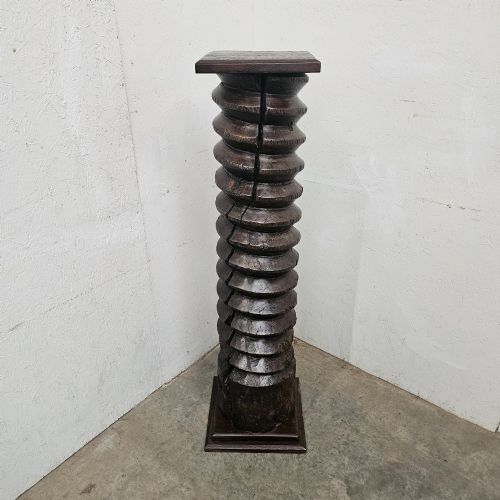
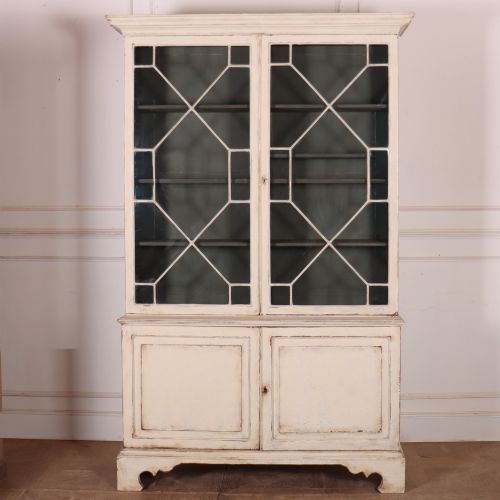
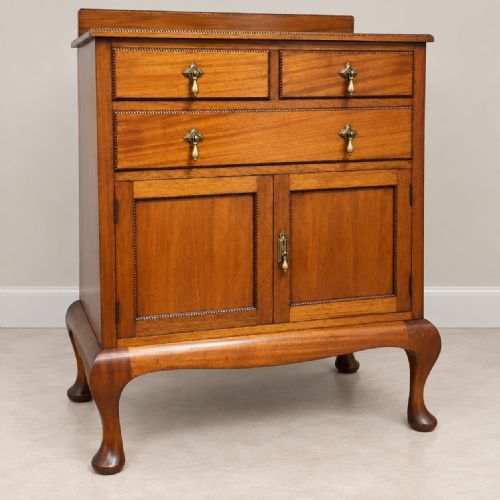
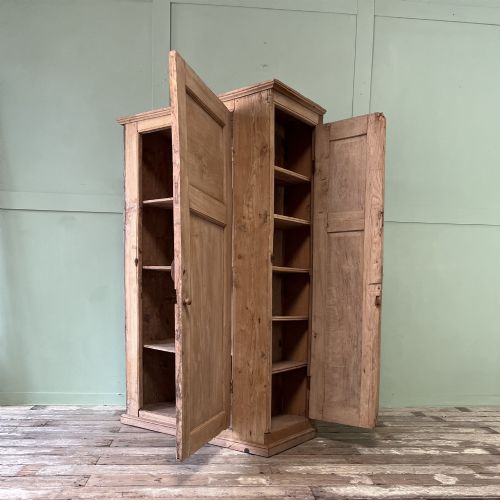




Wooden Standing Press
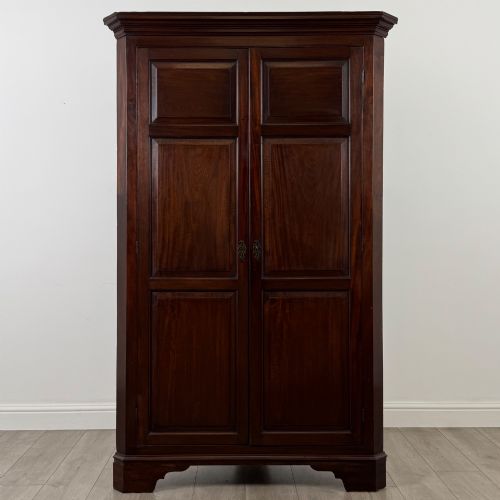
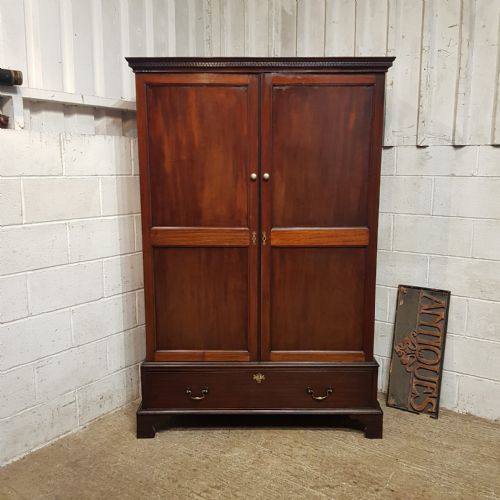
These wooden standing press pieces combine robust timber mechanics with domestic storage, offering substantial historic presence for any room.
Wooden Standing Press
When you search for a wooden standing press, you encounter large structural items and smaller mechanical presses constructed from various timbers. These objects span periods from the seventeenth century through to the Edwardian era, reflecting both utilitarian workshops and formal domestic settings.
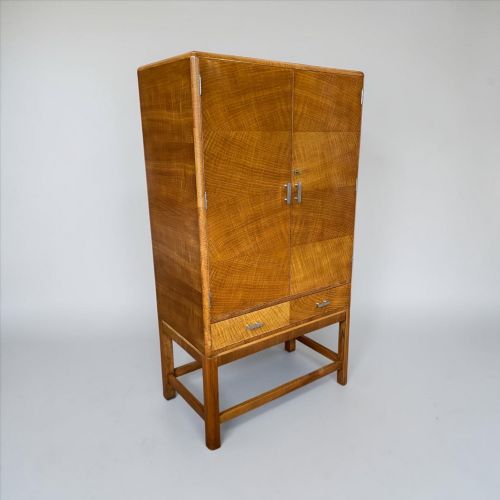
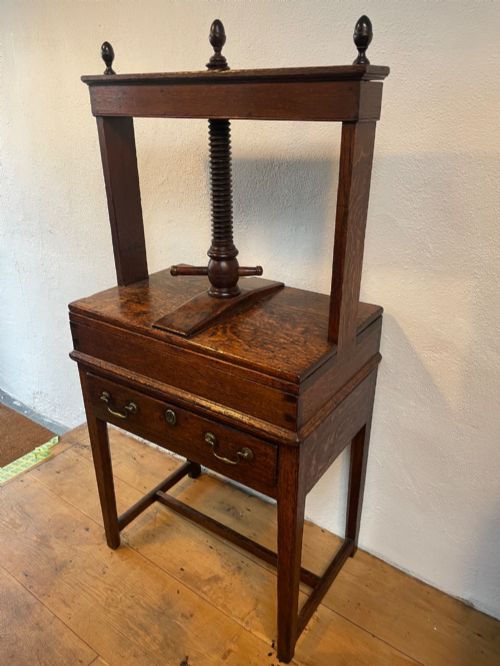
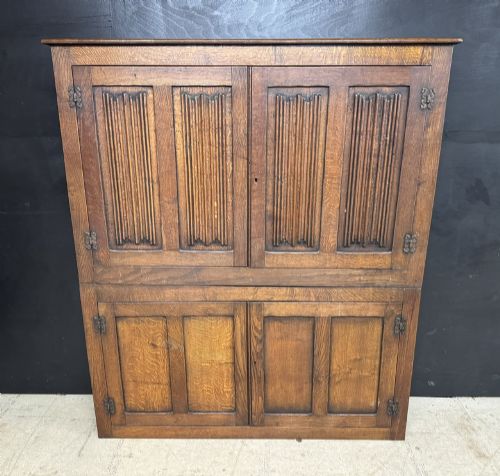
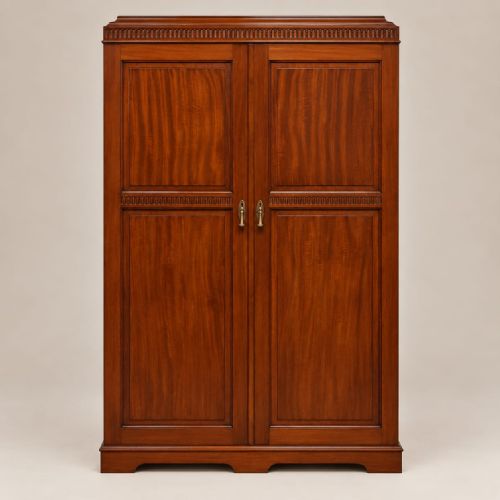
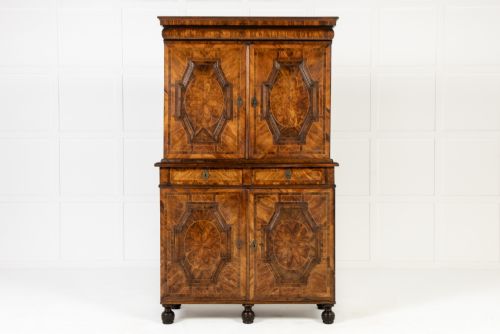
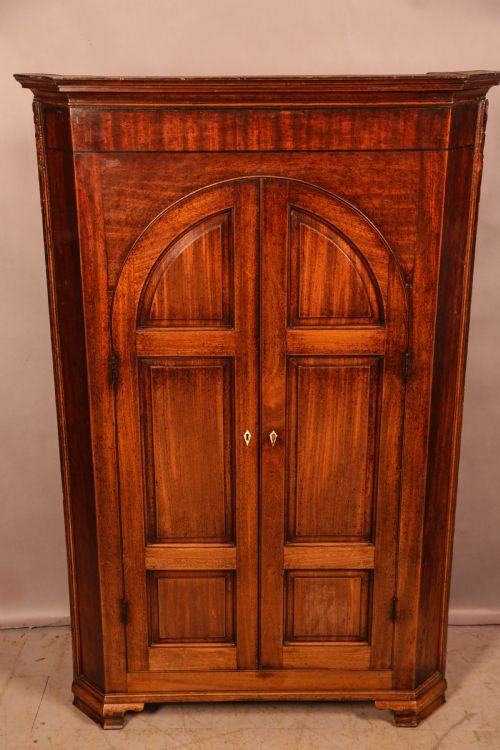
The selections here range from Georgian provincial linen presses with screw mechanisms to early Victorian oak book presses and rustic eighteenth-century food cupboards. You are most likely to meet mahogany double wardrobes, oak cupboards, and elm variants that combine functional storage with period craftsmanship.
The form encompasses floor-standing architectural furniture alongside table-standing devices. Each piece demonstrates how historical interiors integrated mechanical compression or heavy storage into daily domestic and professional routines.
How they were made
Maker construction relies heavily on native and imported timbers, primarily oak, mahogany, and elm, sometimes complemented by painted surfaces and brass hardware. Blacksmith-made iron locks and hinges frequently secure the heavier cabinet doors.
Mechanical elements involve hand-carved wooden screw threads and internal wooden screws that operate compression systems for linen or books. Joinery techniques range from rustic farmhouse pegging to refined Georgian crossbanding and serpentine shaping.
Wooden Standing Press Retail Price Guide 2026
Typical asking prices for wooden standing press among the pieces listed under this phrase on Sellingantiques today, from the lower quarter to the upper quarter. They describe what is for sale here now, not the wider market.
Early blacksmiths laboured over iron hinges and locks that still securely fasten doors after centuries of daily household use.
What varies in quality
The sophistication of the timber selection and the crispness of hand-carved details dictate the upper tiers of quality. Finer examples display carefully matched mahogany grain, crossbanded borders, and intact original brass fittings rather than later replacements.
Mechanical integrity distinguishes utilitarian survivals from finer domestic furniture. Presses with smoothly operating wooden screw threads and original blacksmith-made ironwork retain higher integrity than those with altered components.
The Wooden Standing Press Glossary
- Linen press
- A tall piece of furniture designed for storing folded linen, typically featuring sliding trays enclosed by doors above a chest of drawers.
- Screw mechanism
- The mechanical system using a threaded wooden shaft and nut to apply vertical pressure for flattening textiles or paper.
- Crossbanding
- A decorative border of veneer laid with the grain running perpendicular to the main surface to frame cabinet doors and drawers.
- Serpentine
- A gently undulating curved shape applied to the front of cabinets and chests, characteristic of finer Georgian design.
Wooden Standing Press: Frequently Asked Questions
What is a wooden standing press?
A wooden standing press is a heavy piece of furniture or desktop apparatus designed to apply mechanical pressure, often utilising a large screw mechanism.
Historically, these items served specific domestic or workshop functions, ranging from compressing textiles like linen to pressing bound books and documents.
How do I date a wooden press?
Dating relies on observing construction methods, timber choices, and hardware styles. Seventeenth and eighteenth-century examples often feature pegged oak and hand-forged iron hinges.
Later Victorian and Edwardian pieces frequently showcase machine-sawn elements, mahogany veneers, and standardised brass fittings that reflect industrial production shifts.
Where were standing presses used?
These presses were utilised in large country houses, estate utility rooms, and professional workshops. Housekeepers and printers relied on them to maintain flat, crisp textiles and paper goods.
Today, their substantial proportions make them practical statement pieces for libraries, studies, and hallways requiring historic storage.
Are these presses still functional?
Many surviving presses retain their original wooden screw threads and mechanical parts in working order. Careful handling ensures that historic timber and carved threads remain stable during use.
Owners often use them for light compression tasks or appreciate them purely as sculptural examples of historical carpentry.