
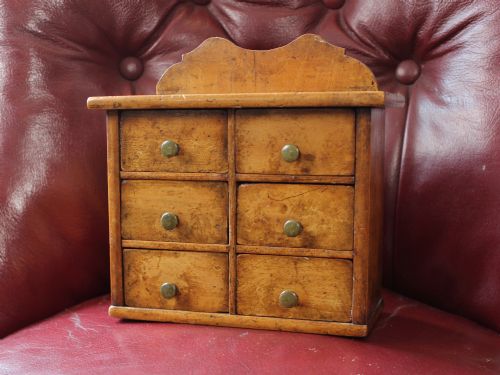
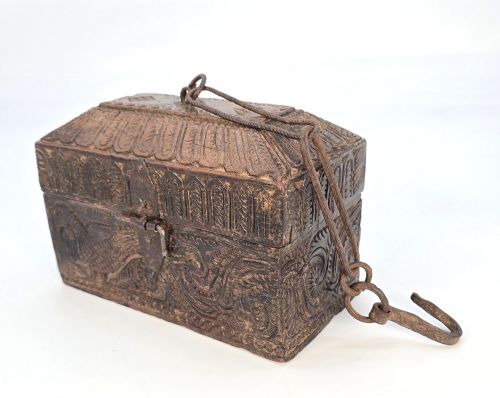


Wooden Spice Chest
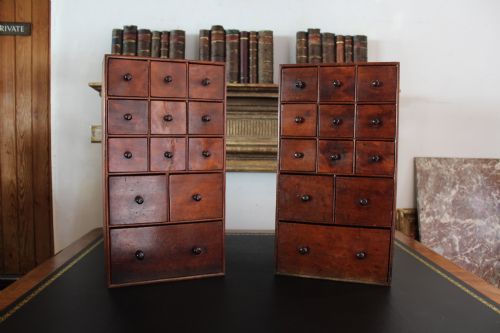
These wooden spice chest designs, encompassing miniature chests of drawers and wall boxes, bring compact antique storage into domestic spaces.
Wooden Spice Chest
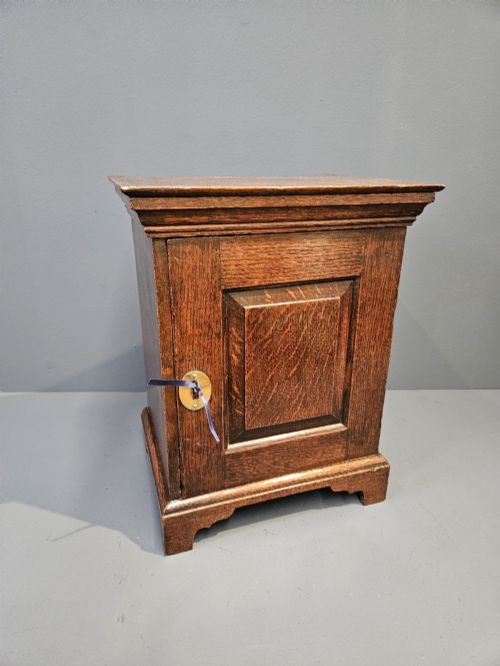
A wooden spice chest groups together small storage forms like miniature chests of drawers, spice cupboards, wall boxes, and table cabinets. These pieces date from the 18th century, Georgian and Victorian eras, up to the 1930s, reflecting domestic and apothecary storage.
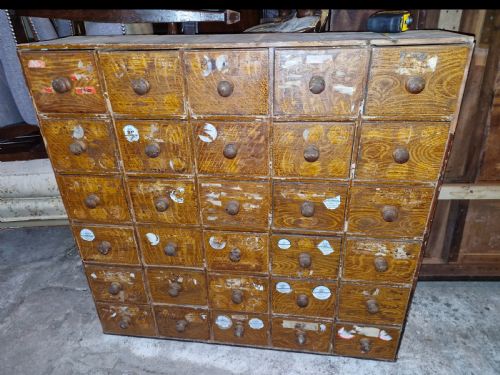
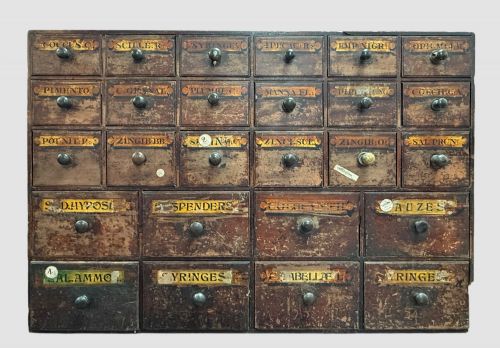
The most common formats on this page are banks of drawers, wall-hanging spice boxes, and miniature chests in oak, pine, and mahogany. Examples range from early Georgian spice cupboards to late Victorian chemist shop fittings and Welsh miniature furniture.
Origins span English, Welsh, and 18th-century Indian traditions, incorporating fruitwood, teak, burr walnut, and painted or decorated softwood surfaces. Formats vary from small lockable table cabinets to double chemist drawers and homeopathic apothecary chests.
What varies in quality
Construction methods distinguish everyday vernacular pieces from finer cabinetwork, particularly in the dovetailing of small drawers and the selection of timber figures like burr walnut or figured mahogany.
The degree of original hardware, such as brass pulls and lock mechanisms, alongside the survival of untouched painted or decorated wood surfaces, shapes the character of each cabinet.
Listings span oak, pine, mahogany, fruitwood, teak, and burr walnut, covering periods from the early 18th century through the Victorian era to the 1930s.
The Wooden Spice Chest Glossary
- Bank of drawers
- A multi-drawer storage unit designed for small items or shop inventory. These configurations range from chemist fittings to miniature sets.
- Spice cupboard
- A small wall-mounted or tabletop cabinet designed to hold culinary seasonings. Early examples often feature panelled doors and internal small drawers.
- Apothecary chest
- A cabinet containing multiple small drawers or compartments for medicines and remedies. These pieces frequently feature medical or homeopathic labels and secure locks.
- Miniature furniture
- Small-scale cabinets and chests built with full-scale joinery techniques. Makers originally produced these as apprentice pieces or salesman samples.
- Table cabinet
- A small cabinet designed to sit on a desk, counter, or table rather than hang on a wall. They provide enclosed storage with doors or drawers.
Wooden Spice Chest: Frequently Asked Questions
What were wooden spice chests used for originally?
These chests stored valuable culinary spices, herbs, and seasonings in domestic kitchens to protect them from dampness and pests.
Over time, many similar multi-drawer small cabinets were adapted or built for apothecary items, chemist supplies, and personal valuables.
How do I hang a wall spice box safely?
Wall-hanging spice boxes usually feature integrated hanging holes or brackets fixed to the rear stiles. It is essential to anchor directly into wall studs or use appropriate masonry fixings given the weight of hardwood timber.
Check that the internal drawers or doors remain balanced and do not swing open under gravity once mounted.
How can I tell an 18th-century chest from a Victorian one?
Eighteenth-century pieces, including Georgian and George II examples, often display hand-cut dovetails, pegged mortise and tenon joints, and timbers like early oak or figured walnut. Drawer linings and backboards show distinct hand-tool marks.
Victorian and later 19th-century banks of drawers frequently utilise machine-sawn components, standardised brass hardware, and denser pine or mahogany constructions associated with shop fittings.
How do I clean and maintain antique wood surfaces?
Dust the wood regularly with a dry, soft cloth and avoid commercial silicone sprays or wet polishes that can degrade historic wax finishes. Feeding the timber occasionally with a traditional beeswax preserves the grain and patina.
Keep these chests away from direct sunlight and strong heat sources to prevent the shrinkage and splitting of antique pine and oak.