




Wooden Snuff Container
These wooden snuff container pieces span centuries of pocket-sized craftsmanship, offering tactile histories of tobacco culture through carved treen and figured grain.
Wooden Snuff Container
A wooden snuff container encompasses small pocket boxes, table boxes, and novelty forms designed to hold finely ground tobacco. These pieces range from simple utilitarian containers to intricately carved folk art items meant for display and daily use.
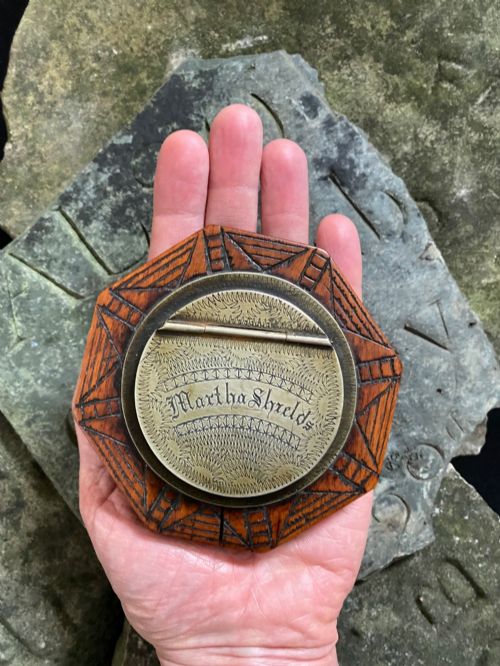
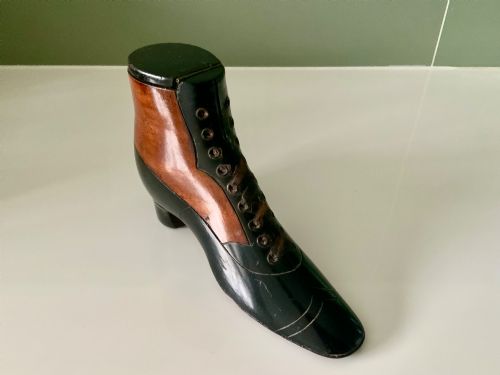
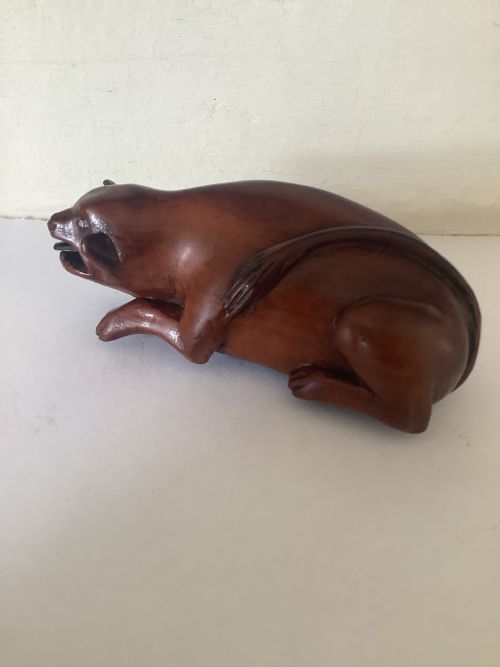
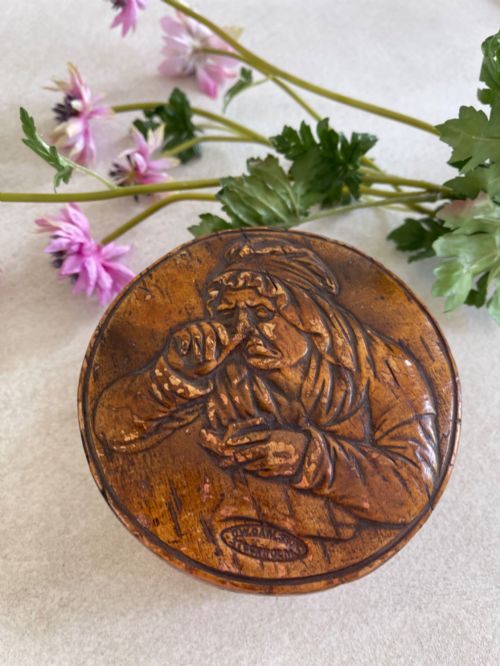
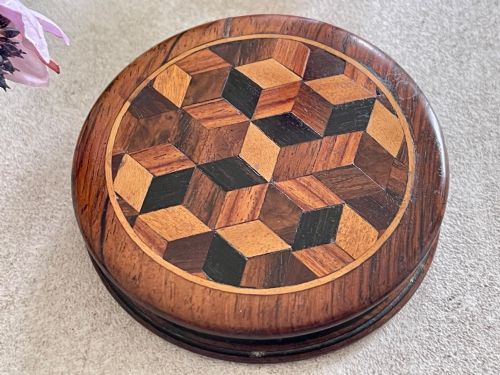
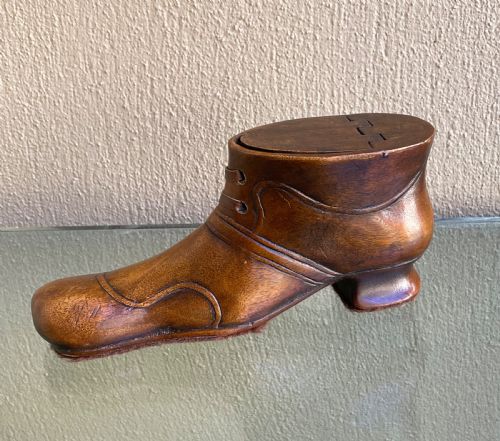
Most examples encountered on this page date from the Georgian, Victorian, and Edwardian eras. Makers utilised various timbers to shape everything from standard rectangular receptacles to whimsical shoes and hands.
Materials and construction methods
Craftsmen shaped these containers from a variety of dense timbers, including walnut, fruitwood, amboyna, and general hardwood. Selected woods often displayed rich grain patterns, which makers enhanced through polishing and handling.
Decoration relied on skilled hand-carving, inlay work, and contrasting materials such as brass pique and tortoiseshell. Artisans utilised specialised joining techniques to ensure snug lids that kept the contents dry.
Wooden Snuff Container Retail Price Guide 2026
Typical asking prices for wooden snuff container among the pieces listed under this phrase on Sellingantiques today, from the lower quarter to the upper quarter. They describe what is for sale here now, not the wider market.
Current listings feature materials including walnut, fruitwood, amboyna, tortoiseshell, and brass, spanning the Georgian, Victorian, and Edwardian periods.
Assessing quality in antique treen
The condition of the timber surface and the development of a deep patina heavily influence the character of a piece. Finesse in decorative inlays and the precise fit of lids indicate higher standards of original manufacture.
The Wooden Snuff Container Glossary
- Treen
- Small handmade wooden domestic objects. The term derives from old regional terminology for things made of tree.
- Tunbridge Ware
- Woodworking characterised by tiny mosaic tiles formed from naturally coloured woods. This technique created intricate geometric or pictorial surface patterns.
- Pique work
- Inlay of tiny pins or points of metal, such as brass, to form decorative motifs on a solid base. It appears frequently on boxes alongside other embellishments.
- Patina
- The surface sheen and colour change developed over decades of handling and ageing. A rich patina indicates long-term use and care.
- Specimen woods
- Furniture or small objects constructed from a variety of distinct timber species. This highlights contrasting grains and natural colours.
Wooden Snuff Container: Frequently Asked Questions
What are these wooden boxes for?
These containers held powdered tobacco known as snuff, which users consumed by inhaling a small pinch through the nose. Wealthy and middle-class patrons carried them in pockets or kept them on tables for social use.
Over time, the social ritual declined, leaving behind these miniature sculptures and functional receptacles as collectible examples of historical woodwork.
How do I identify a Georgian box?
Georgian pieces generally date from the eighteenth or early nineteenth century and often feature restrained geometric shapes, subtle inlay, and early walnut or fruitwood construction. They tend to prioritize clean timber grain over excessive carving.
Later Victorian and Edwardian examples frequently adopt more elaborate novelty shapes, such as shoes, hands, or heavily textured foliage.
What is treen?
Treen refers to small, useful wooden objects created before the era of mass plastics. Items range from kitchen utensils and small bowls to pocket snuff boxes and decorative caskets.
Collectors prize treen for the variety of native hardwoods used and the evidence of hand-tool work visible on each surface.
How should I care for antique wood?
Keep wooden containers away from direct heat sources and strong sunlight to prevent the timber from drying out and cracking. Maintain a stable indoor environment with moderate humidity levels.
Dust gently with a soft, dry cloth and avoid applying modern polishes, which can build up and dull the historic patina.