



Wooden Secretaire Desk
These wooden secretaire desk pieces are hardworking multi-taskers that combine writing surfaces with hidden compartments and storage, offering timeless utility for any room.
Wooden Secretaire Desk
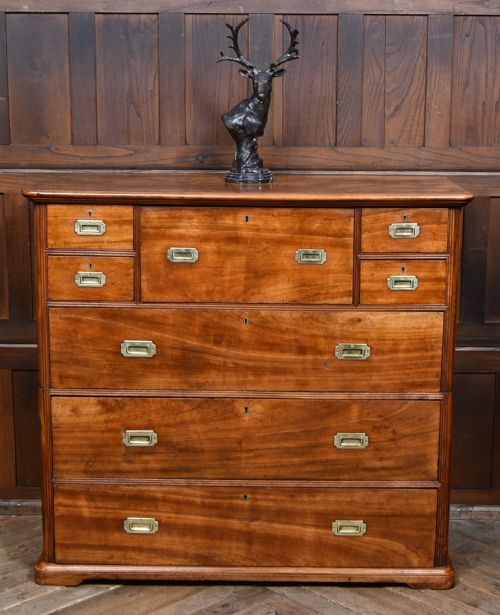
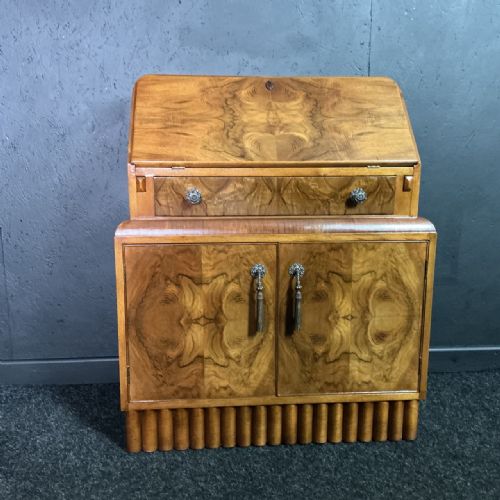
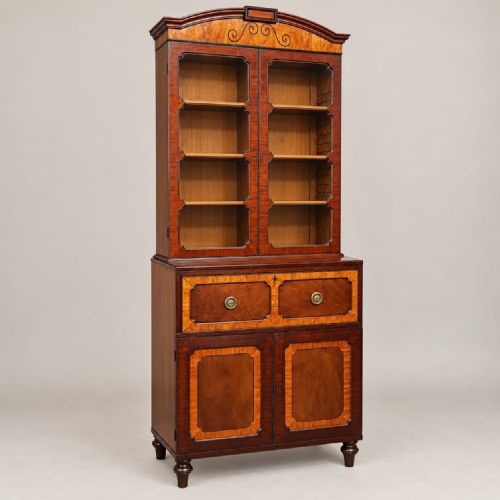
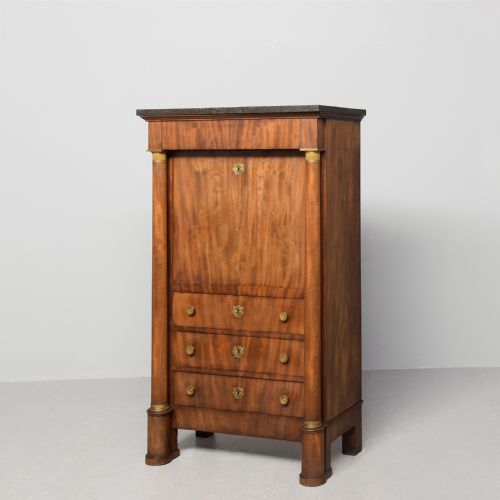
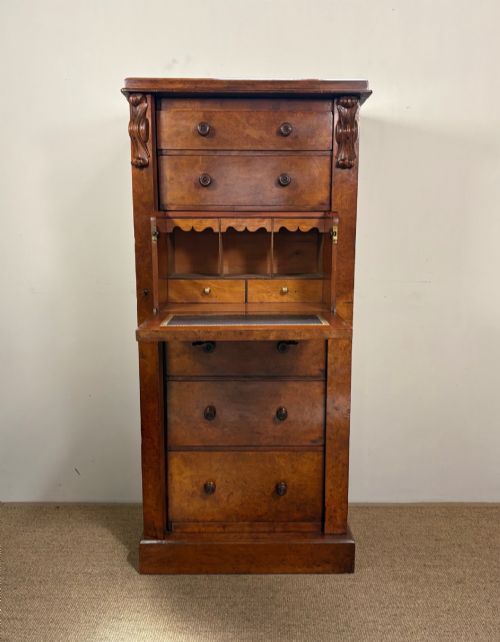
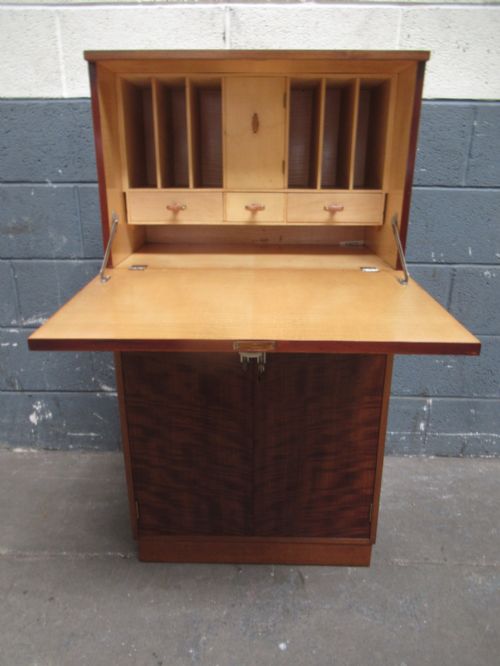
A wooden secretaire desk is a versatile form designed for both writing and storage, appearing across multiple eras from the Georgian period through the 1930s. When you search for a wooden secretaire desk, you will encounter diverse variations including tall bookcases, campaign chests, and upright chests of drawers.
The selections span distinct stylistic traditions such as Regency, Victorian, Art Deco, and Biedermeier. These items function primarily as compact writing surfaces that conceal inner compartments behind a drop-front panel while maintaining the exterior appearance of a standard chest or cabinet.
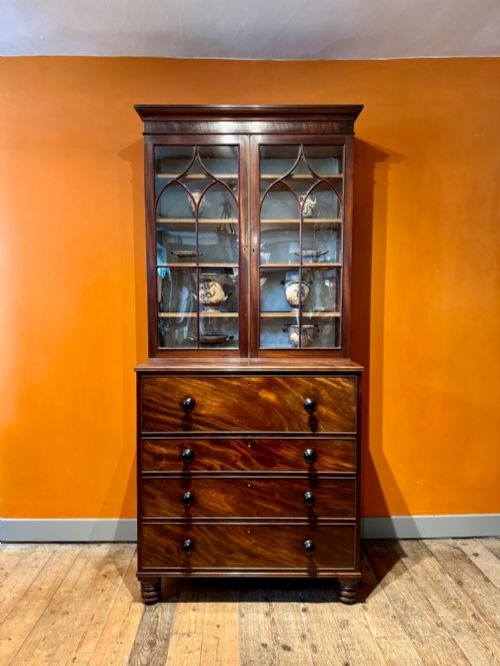
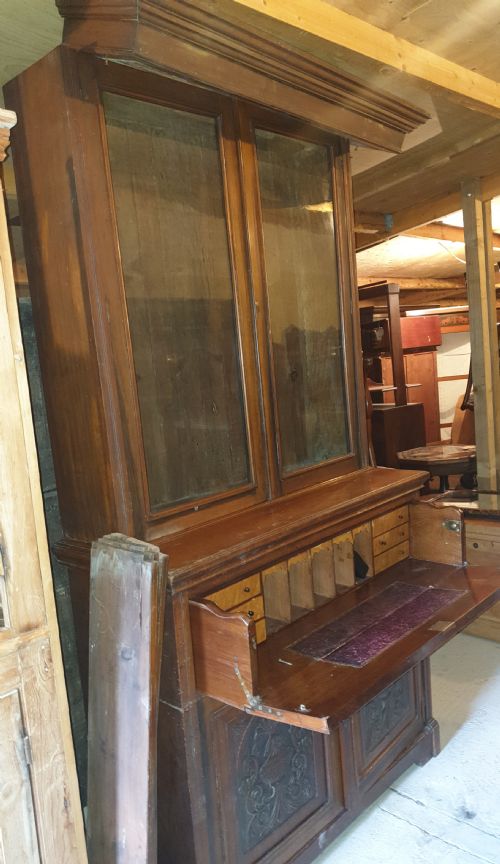
Many examples integrate upper bookcase sections with glazed doors, while others present as clean-lined campaign pieces or refined bureau desks. The form adapts to various rooms by concealing papers and writing tools when not in use.
How they were made
Cabinet makers utilised dense hardwoods like mahogany and walnut as the primary structural foundations, often accented with satinwood veneer or contrasting inlay work. Pine appears in secondary construction elements, while brass hardware provides functional handles, hinges, and lock escutcheons.
Writing surfaces frequently incorporate leather inserts, and internal compartments reveal small secret drawers constructed with traditional joinery techniques. Glazed upper doors utilise delicate wooden bars to house glass panels securely.
Wooden Secretaire Desk Retail Price Guide 2026
Typical asking prices for wooden secretaire desk among the pieces listed under this phrase on Sellingantiques today, from the lower quarter to the upper quarter. They describe what is for sale here now, not the wider market.
Listings feature mahogany, walnut, pine, and satinwood across periods from the Georgian era through Art Deco.
What varies in quality
The refinement of the internal arrangement distinguishes different grades of execution, particularly the complexity of secret drawers and pigeonholes hidden behind the main drop-front panel. Superior examples display thoughtful timber selection, matching grain patterns across the exterior surfaces, and precise inlay work.
Structural integrity depends on the quality of the cabinet making, from the smooth drop of the writing flap supported by sliding arms or hinges to the tight fit of the structural drawers. Secondary woods and lesser-known regional variations maintain simpler internal construction compared to grander London or continental workshops.
The Wooden Secretaire Desk Glossary
- Secretaire Abattant
- An upright writing cabinet featuring a drop-down front panel that opens to reveal a fitted interior. This continental form presents a flat vertical surface when closed.
- Biedermeier
- A Central European style dating to the nineteenth century that emphasises clean lines, domestic comfort, and the natural grain of timbers like walnut and birch without heavy ornamentation.
- Campaign Chest
- A modular form designed for travel, typically constructed in sections with brass corners and flush recessed handles. These pieces split apart for transport by military officers.
- Breakfront
- A large cabinet or bookcase where the central section projects forward from the flanking wings. This architectural arrangement creates depth and visual rhythm across the facade.
- George III
- The stylistic period spanning the mid to late eighteenth century known for classical proportions, fine mahogany use, and refined cabinet making standards.
Wooden Secretaire Desk: Frequently Asked Questions
What is a secretaire?
A secretaire is a desk or cabinet featuring a folding or drop-down writing flap that conceals inner compartments and small drawers. When closed, it often resembles a standard chest of drawers or bookcase.
This dual nature allowed owners to keep correspondence and writing materials neatly hidden away when not in active use.
How do I identify the period?
Dating relies on observing the combination of primary woods, hardware styles, and overarching design characteristics. Georgian and Regency pieces show classical proportions and mahogany, while Art Deco items display streamlined 1930s forms in walnut.
Secondary woods and construction methods inside the hidden drawers also offer clues to the era of manufacture.
Where were these desks used?
These pieces served in principal reception rooms, libraries, and bedrooms of period homes as dedicated writing and correspondence stations. Campaign variants travelled with military personnel.
Today they function effectively in modern home offices or living spaces where surface area and concealed storage are both required.
What are secret drawers?
Secret drawers are concealed compartments built into the inner architecture of the desk behind pigeonholes or removable panels. They require manipulation of spring-loaded catches or hidden releases to open.
Owners historically used them to safeguard valuables, private letters, or currency.