

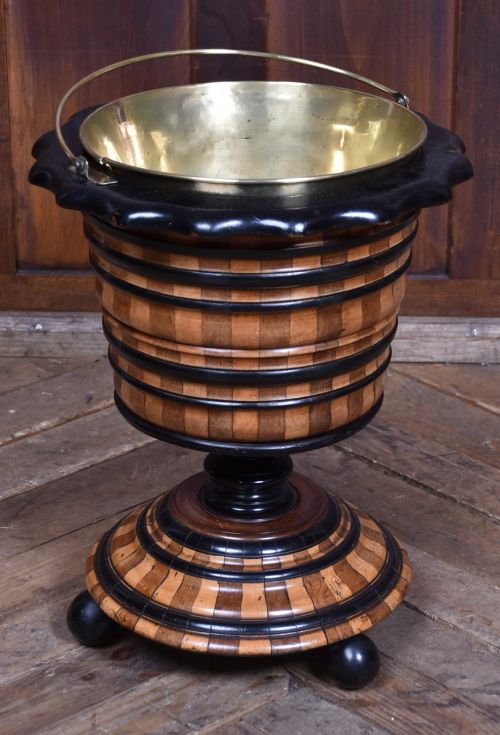
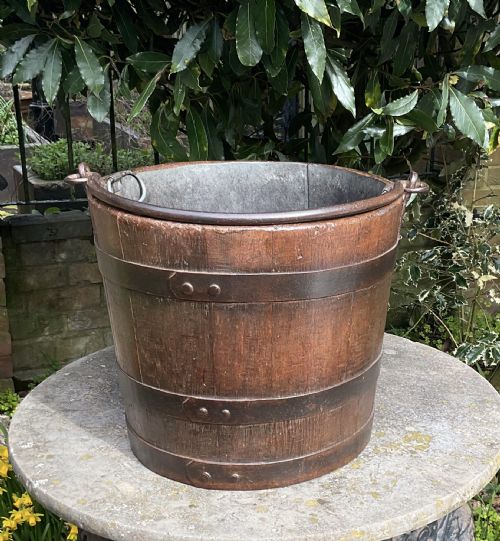


Wooden Planter Bucket
These robust wooden planter bucket designs bridge the practical world of historic utility and the refined domestic interior.
Wooden Planter Bucket
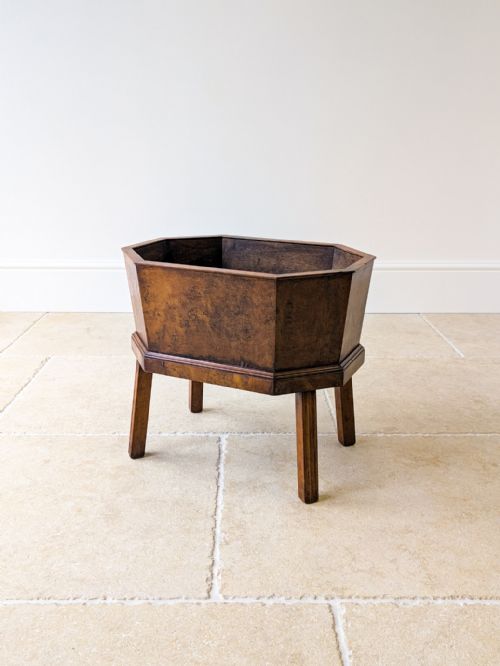
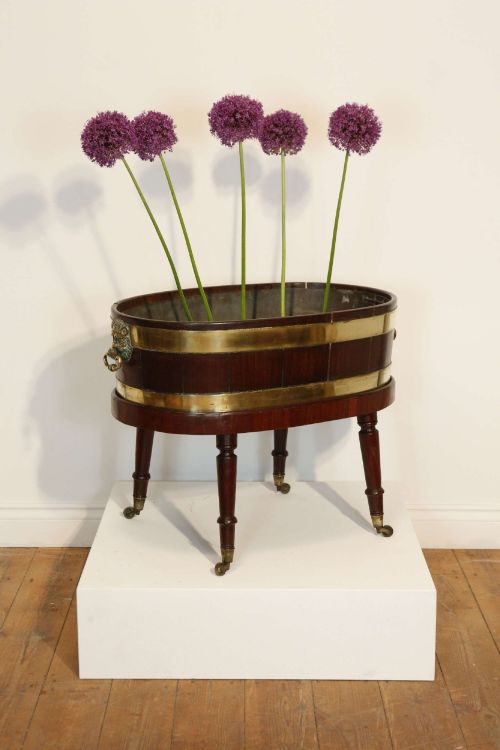
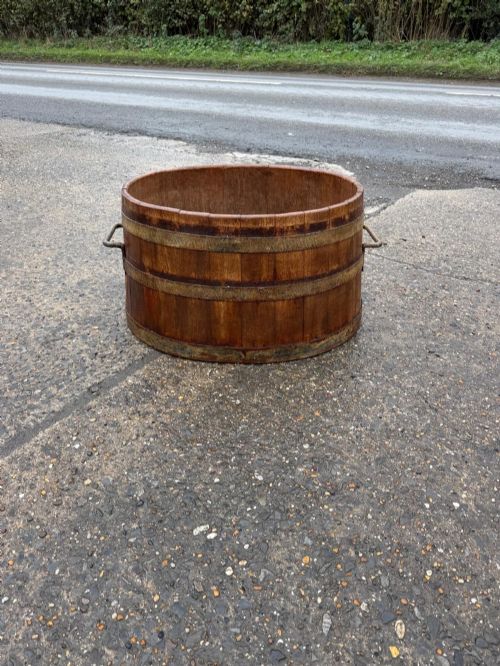
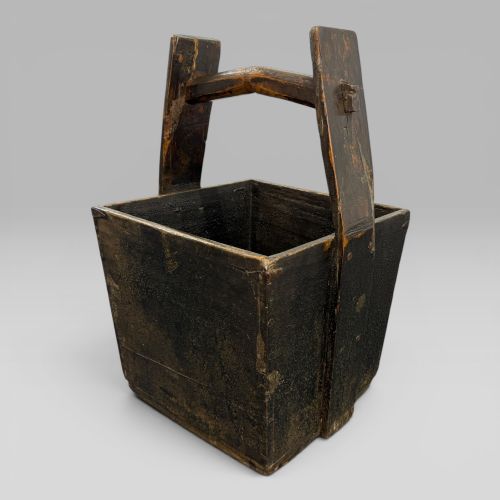
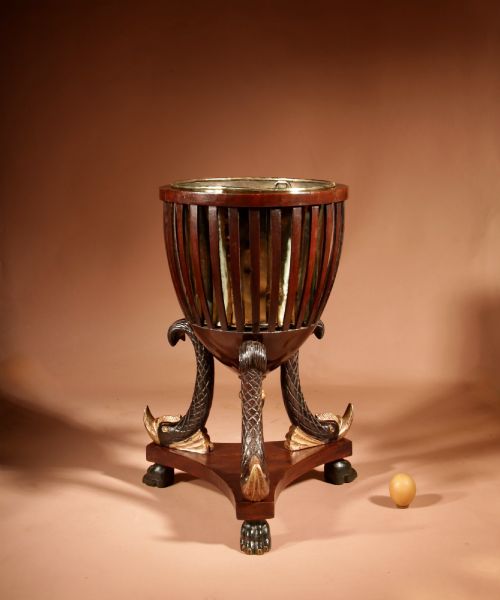
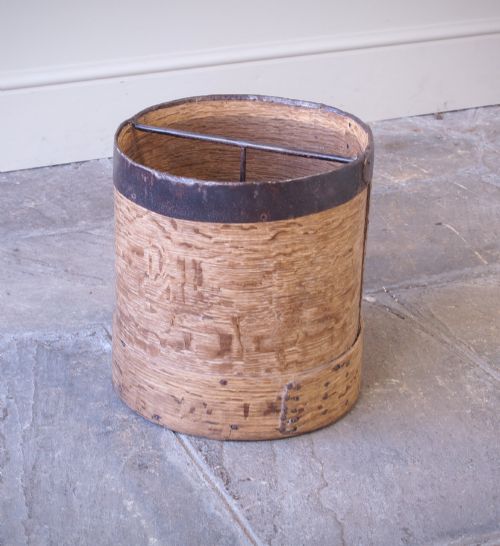
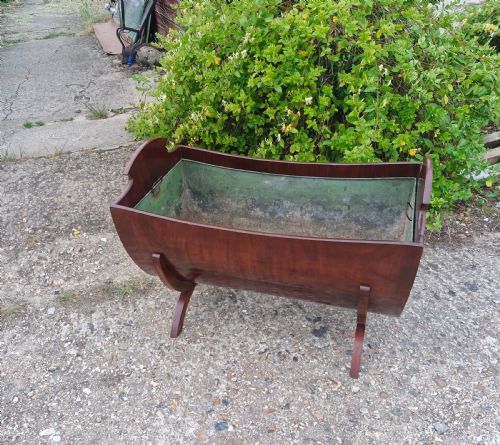
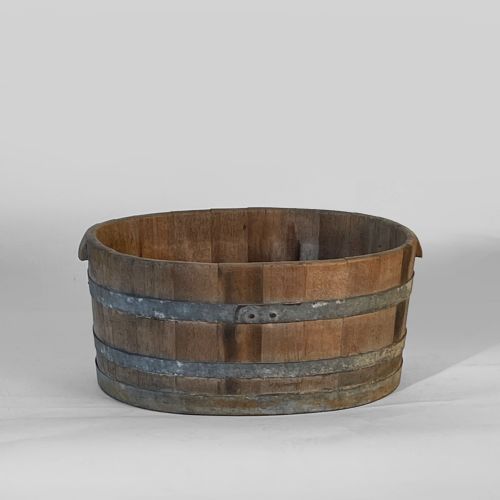
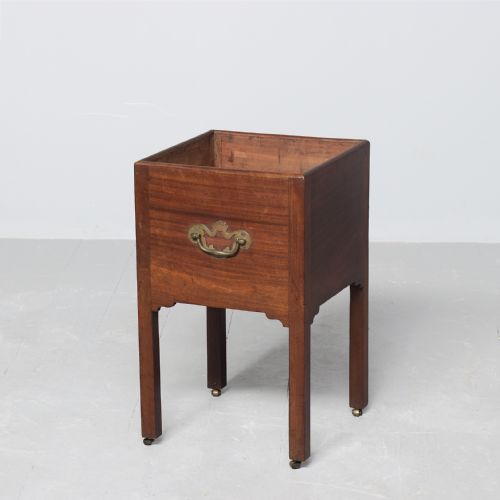
A wooden planter bucket encompasses a diverse range of historic coopered vessels, from Georgian mahogany wine coolers and peat buckets to utilitarian Victorian wash tubs and grain measures. Buyers searching this phrase typically encounter sturdy oak, mahogany, and walnut vessels originally built for cooling wine, storing fuel, or handling garden produce.
The selections span the eighteenth, nineteenth, and early twentieth centuries, drawing upon English, French, Dutch, and Scandinavian traditions. Many pieces double as jardinières, plant stands, or cellarettes, reflecting how utilitarian vessels found new life in domestic drawing rooms and gardens.
Materials and Construction
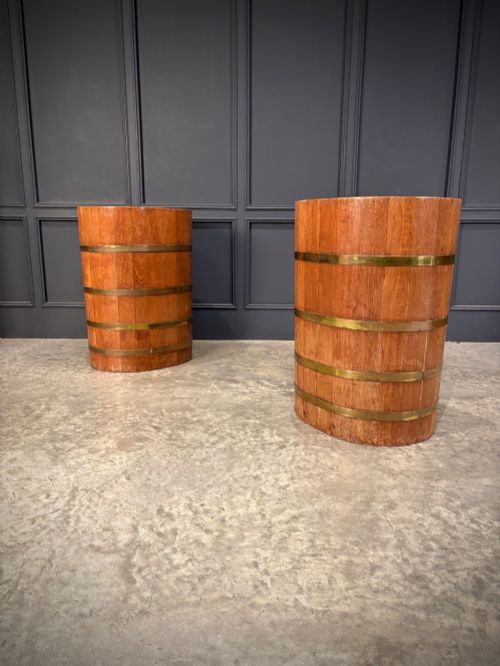
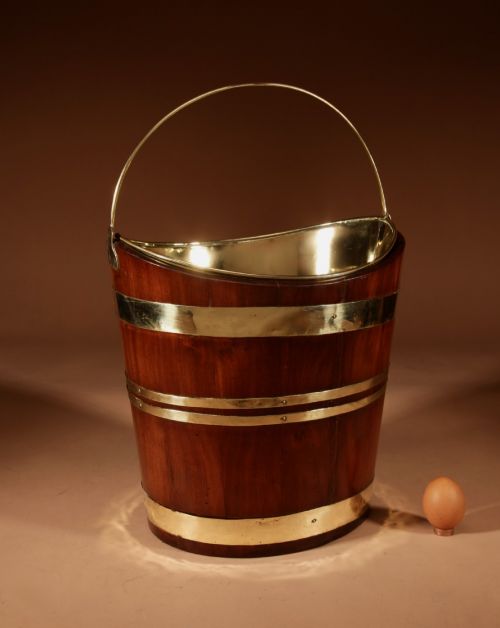
Traditional construction relies heavily on the art of cooperage, where individual wooden staves of oak, mahogany, pine, or elm are shaped and tightly bound by metal hoops of brass, iron, or copper. This time-honoured technique ensures structural stability, allowing the vessel to hold weight and moisture safely.
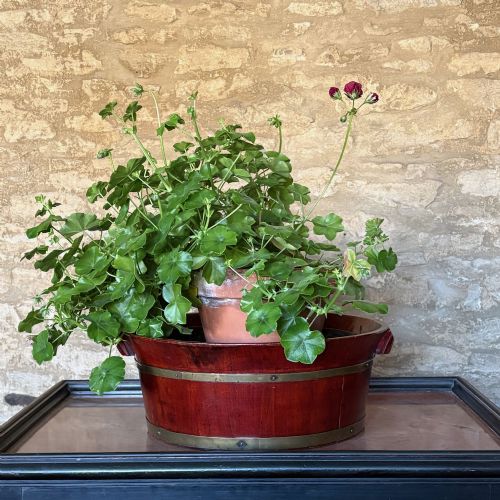
Many examples incorporate protective metal liners in zinc or brass to safeguard the wood from damp soil and water. Secondary woods and decorative elements such as ebonised banding, inlay, and hand-carved handles further distinguish the higher-tier workshop output.
Wooden Planter Bucket Retail Price Guide 2026
Typical asking prices for wooden planter bucket among the pieces listed under this phrase on Sellingantiques today, from the lower quarter to the upper quarter. They describe what is for sale here now, not the wider market.
Materials appearing across current listings include mahogany, oak, walnut, pine, elm, brass, copper, iron, and zinc.
Assessing Craftsmanship
Quality rests upon the precision of the cooperage work and the integrity of the original timber selection. Tighter stave joints, substantial metal banding, and intact period liners separate fine drawing-room furniture from purely utilitarian yard vessels.
Proportion and decorative restraint dictate the distinction between vernacular items and sophisticated pieces from Georgian and Regency workshops. The crispness of inlaid details, the preservation of original patination, and the retention of period mounts elevate an ordinary container into a collector piece.
The Wooden Planter Bucket Glossary
- Coopered
- Constructed from curved wooden staves bound together with hoops, much like a traditional barrel. This method provides immense strength for holding liquids, fuel, or earth.
- Jardiniere
- An ornamental stand or large pot designed to hold growing plants or flowers. These items often feature metal liners to protect the surrounding woodwork.
- Cellarette
- A lockable container used for storing wine bottles near the dining table. Many examples share the stave-built construction and brass banding characteristic of planters.
- Peat bucket
- A traditional vessel used to hold peat fuel by the fireplace. They frequently appear with decorative handles and brass mounts.
- Teestoof
- A Dutch warming vessel, sometimes lined with brass, used historically to keep tea apparatus warm. They frequently cross over into decorative jardiniere usage.
Wooden Planter Bucket: Frequently Asked Questions
How do I use a wooden planter bucket safely?
Protect the interior timber by placing a modern plastic pot inside the metal liner to catch drainage water. Regular wiping prevents stagnant moisture from damaging the historic base.
Keep the timber away from direct heat sources such as radiators to prevent the staves from shrinking and loosening the metal bands.
Can I keep these planters outdoors?
Most antique pieces were constructed for indoor domestic use as wine coolers, coal buckets, or drawing-room jardinières. Exposing fragile mahogany or walnut to harsh weather will degrade the historic finish and wood.
Sturdier pine or heavy oak garden well buckets and farm tubs handle outdoor conditions better, provided they are treated with care during winter months.
How do I date a coopered wooden bucket?
Examine the timber species, the hand tools evident in the stave shaping, and the style of the metal mounts. Georgian and Regency pieces often feature rich mahogany with fine brass banding, while later Victorian and Edwardian examples utilise simpler oak or pine construction.
Hardware details, such as hand-beaten rivets on iron or brass bands, offer further clues to the manufacturing era.
What is the difference between a wine cooler and a planter?
Many items listed as wooden planter bucket forms started life as cellarettes or wine coolers designed to hold ice and bottles. Over time, collectors and owners repurposed these watertight, metal-lined vessels to display large houseplants and floral arrangements.
Their shared construction means the terms often overlap in historic descriptions.