
Wooden Plant Column
A wooden plant column lifts foliage into the light, bringing architectural presence and height to a room.
Wooden Plant Column
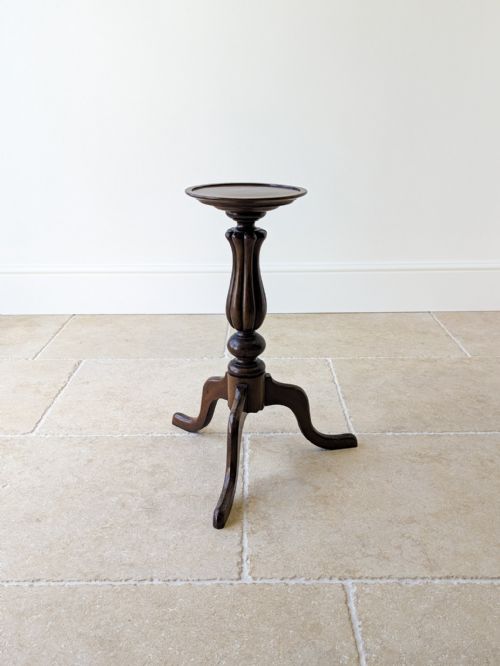
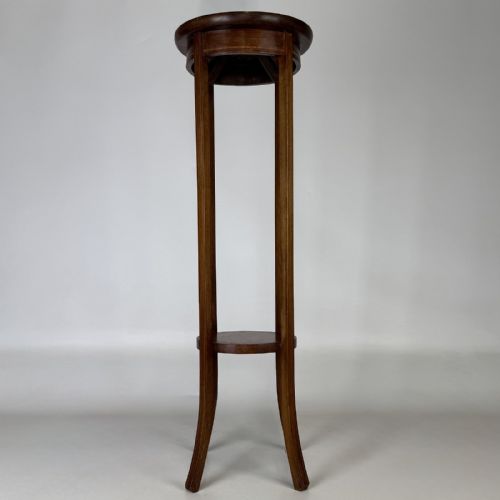
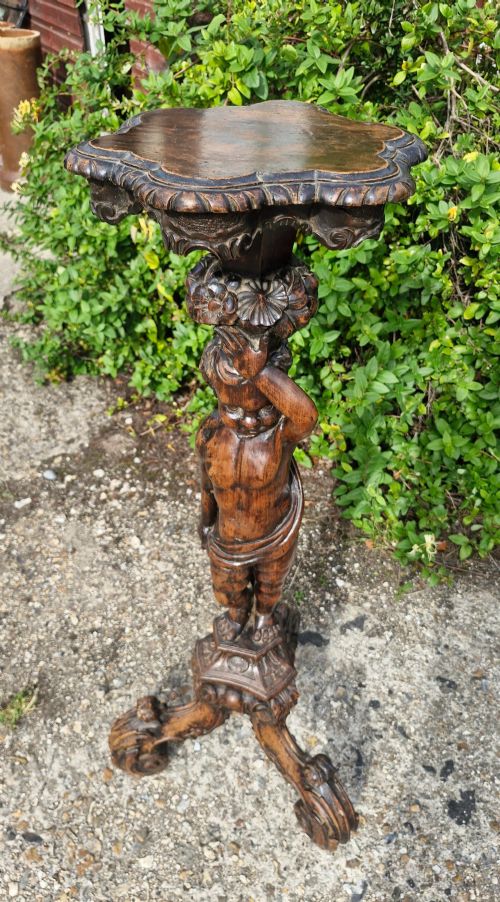
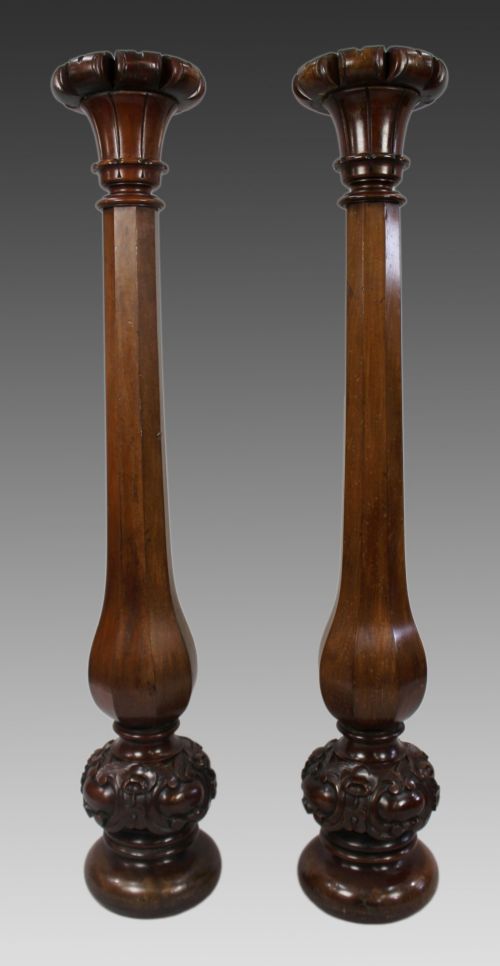
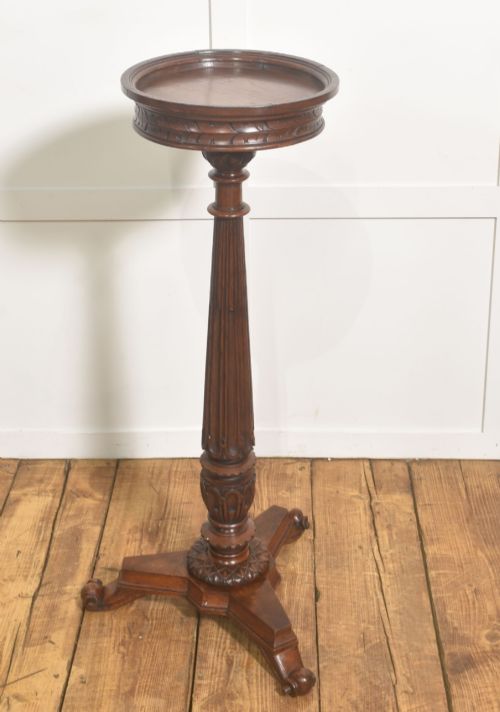
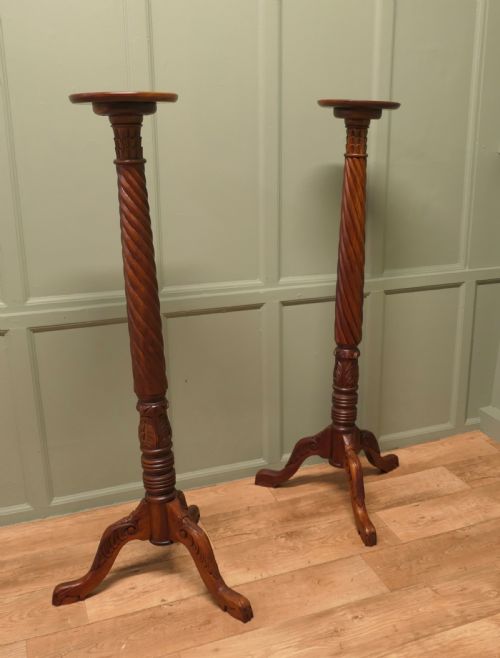
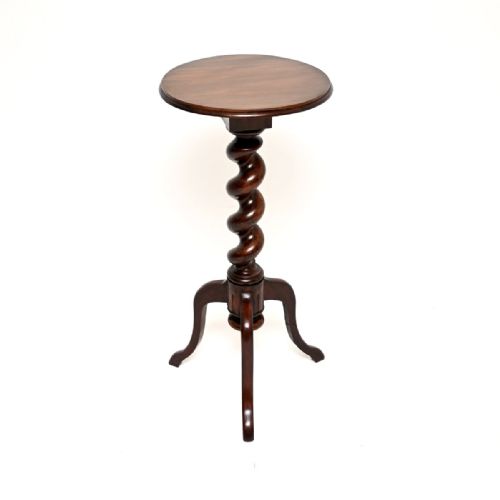
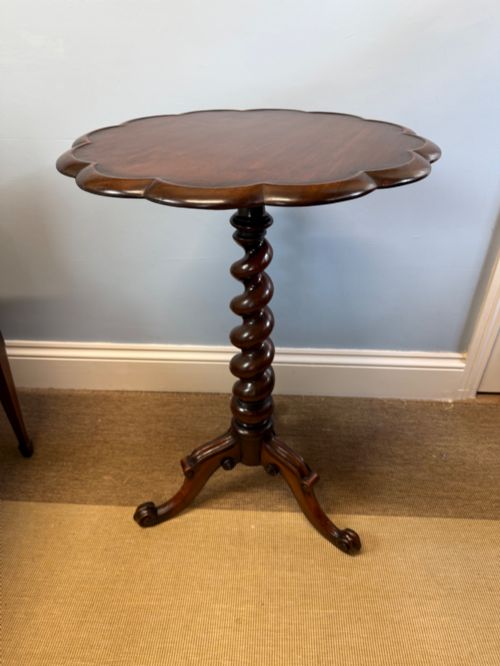
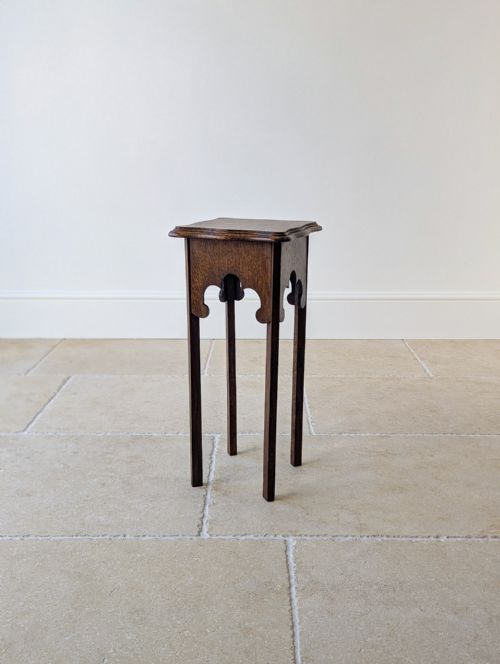
A wooden plant column serves to elevate vegetation, sculpture or lamps within an interior space. When searching for a wooden plant column, buyers encounter forms ranging from simple turned supports to elaborate carved displays.
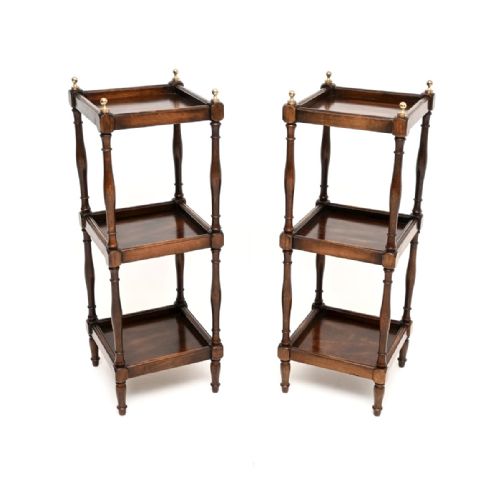
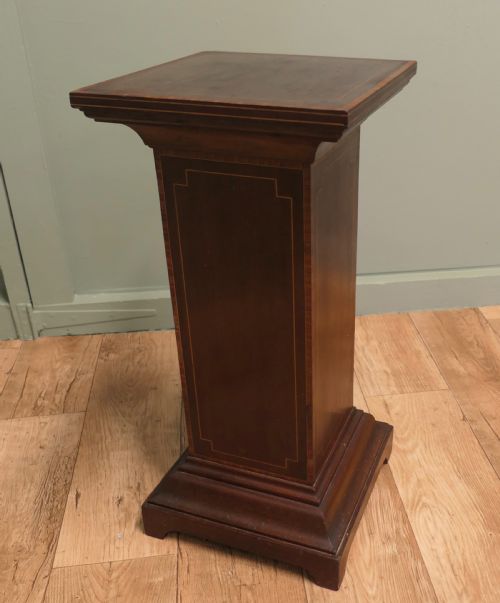
The selections span centuries, featuring Victorian and Edwardian iterations alongside earlier 18th-century examples. These objects appear as pedestals, torcheres, plinths and plant stands.
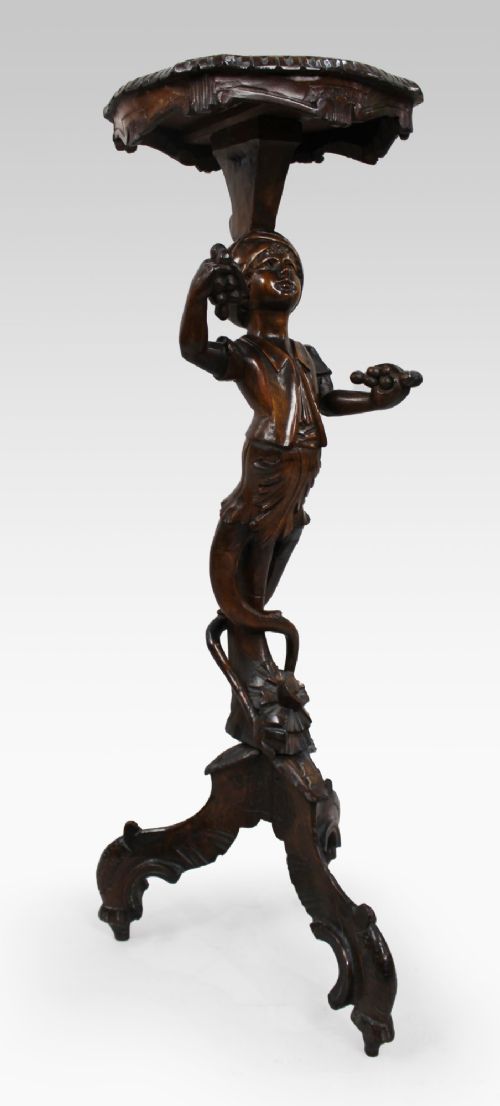
Origin details reveal varied craftsmanship, including English mahogany works, Italian walnut designs and Swedish birch pieces. Each configuration fulfils the practical need to raise a botanical specimen or decorative object off the floor.
Construction and materials
Mahogany, walnut and oak form the primary structural timbers, shaped through turning, carving and joinery. Makers utilised secondary woods and applied finishes such as ebonising, paint or satinwood veneer to enhance the surface appearance.
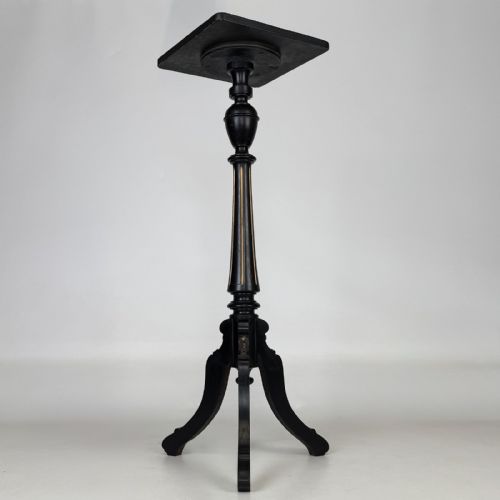
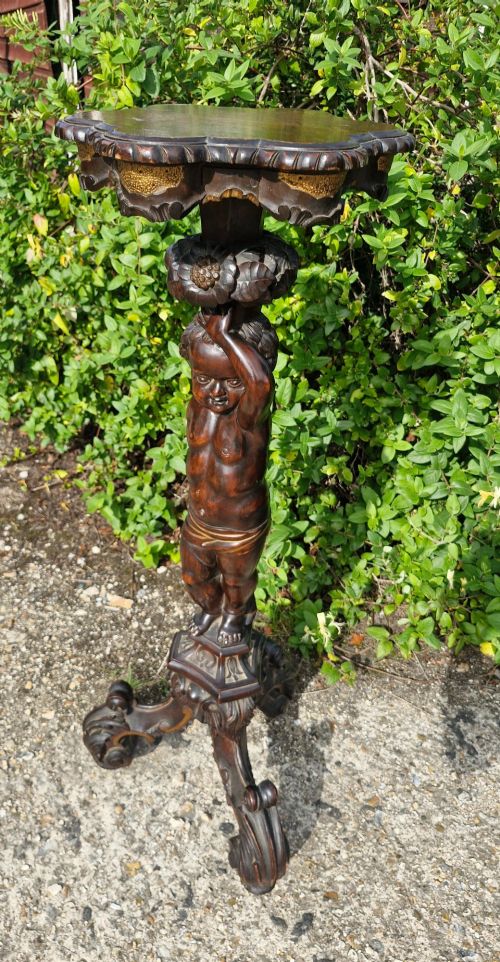
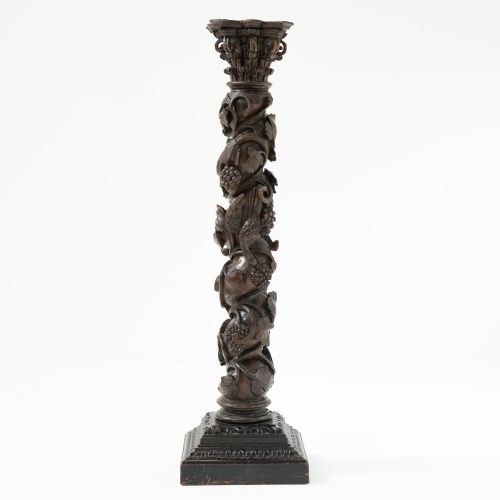
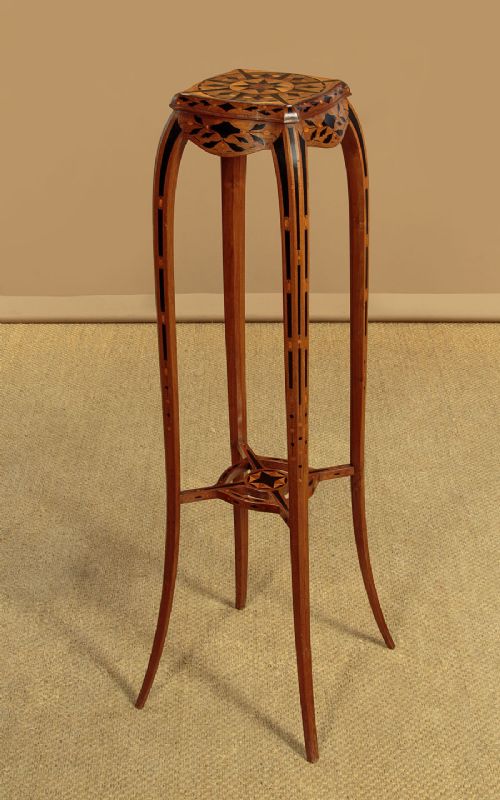
Decorative embellishments incorporate brass fittings, intricate inlay work and figural carvings. Construction methods range from solid turned plinths to sophisticated architectural columns with triform bases.
Listings feature pieces spanning the 18th, 19th and early 20th centuries, constructed from mahogany, walnut, oak, satinwood and birch.
Judging quality and craftsmanship
Excellence in a wooden plant column rests on the depth of the carving and the selection of timber grain. Superior examples display crisp detail in foliage or figures and stable, balanced weight distribution.
Original surface treatments, such as untouched paint or aged polish, distinguish finer workshop output from later alterations. The integration of brass elements and the precision of inlaid satinwood indicate higher manufacturing standards.
Shoolbred·Gillow & Co.
The Wooden Plant Column Glossary
- Torchere
- A tall, slender stand designed to hold a light source or plant. Originating in the 17th century, these elevated supports later served primarily for floral displays.
- Solomonic
- A helical or spiral twist column shape inspired by the twisted columns of Bernini's baldacchino in St Peter's Basilica. This distinctive form adds dynamic movement to wooden pedestals.
- Plinth
- The base block or lower support of a column, which can also function independently as a display stand for busts or urns. It provides structural stability for top-heavy objects.
- Ebonised
- Wood treated with a chemical stain or black finish to imitate ebony. This technique was popular in Victorian and Aesthetic Movement pieces.
- Jardiniere
- An ornamental pot or stand for plants, often integrated into the top of a tall column or pedestal structure.
Wooden Plant Column: Frequently Asked Questions
What is a wooden plant column used for?
These pieces elevate indoor plants, floral arrangements, lamps or sculptural busts to create focal points in a room. By raising greenery off the floor, they draw the eye upward and introduce architectural rhythm to interior corners.
Historically, tall stands held candles or oil lamps before evolving to showcase decorative ceramics and ferns. Their primary function remains combining display utility with decorative presence.
How do I date an antique pedestal?
Dating relies on timber choice, construction marks and stylistic cues associated with specific eras like the Victorian or Edwardian periods. Earlier pieces often feature hand-carved solid oak or walnut, while later 19th-century works frequently utilise mahogany with machine-turned elements.
Examining the underside and joint construction reveals assembly methods characteristic of particular decades. Revivals of Georgian or Renaissance styles also provide clues to the era of manufacture.
Are these columns stable enough for heavy pots?
Stability depends on the base configuration, with triform and tripod designs offering a wide footprint to support substantial weight. Solid mahogany and oak shafts provide inherent sturdiness for heavier ceramic planters.
Buyers should verify the balance and base weight of tall, slender torcheres before placing heavy or precious items on top. Most period stands were engineered to support substantial decorative urns and bronze figures.