

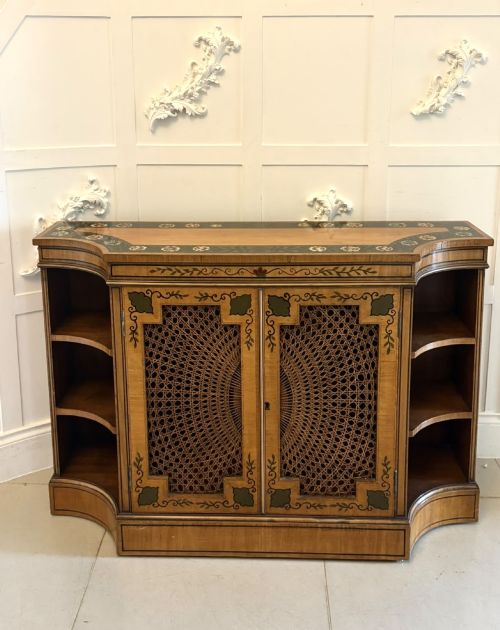
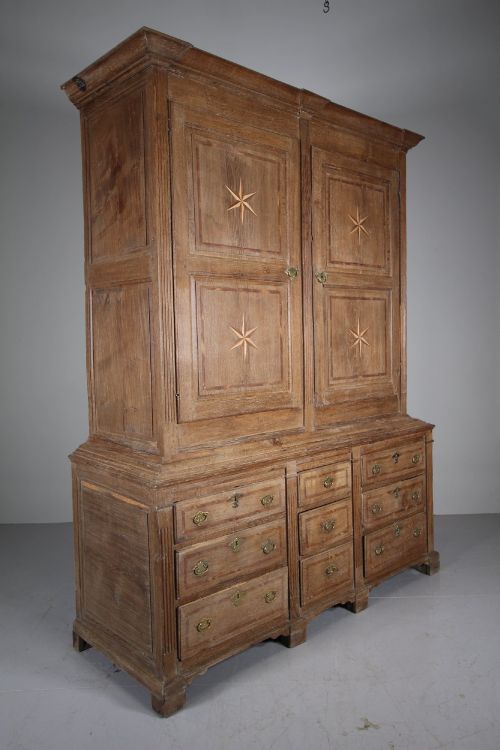
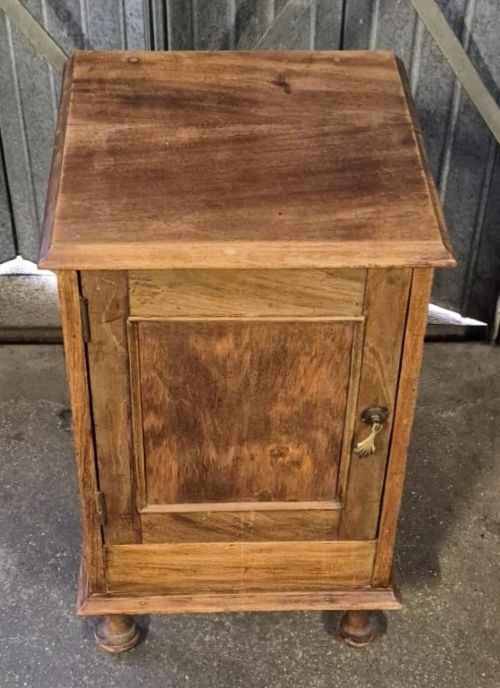
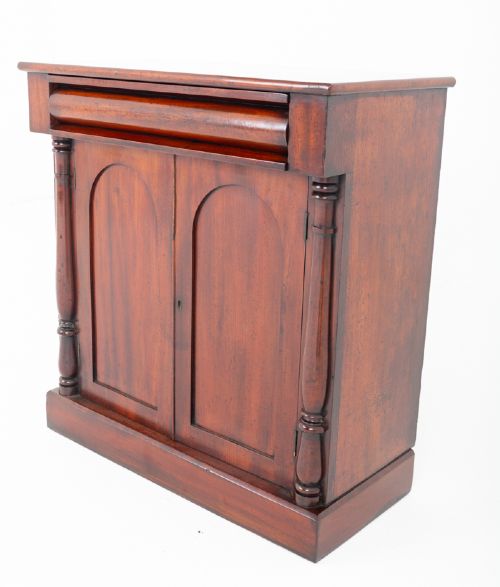
Wooden Panelled Cabinet
A wooden panelled cabinet brings architectural depth and honest storage to a room, built from solid timbers like oak and mahogany.
Wooden Panelled Cabinet
A wooden panelled cabinet spans a range of utilitarian and formal storage furniture, from compact spice cupboards to large linen presses and sideboards. When you search for a wooden panelled cabinet, you encounter diverse forms shaped by centuries of domestic needs.
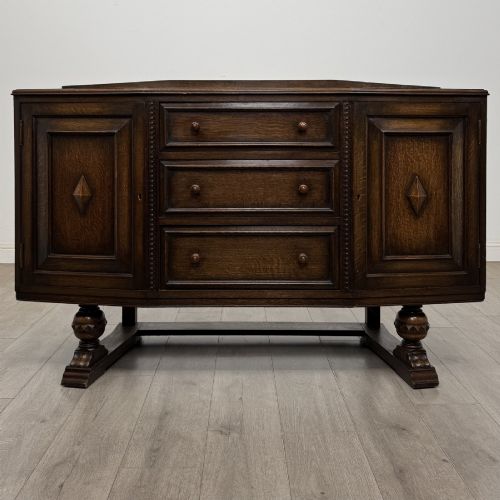
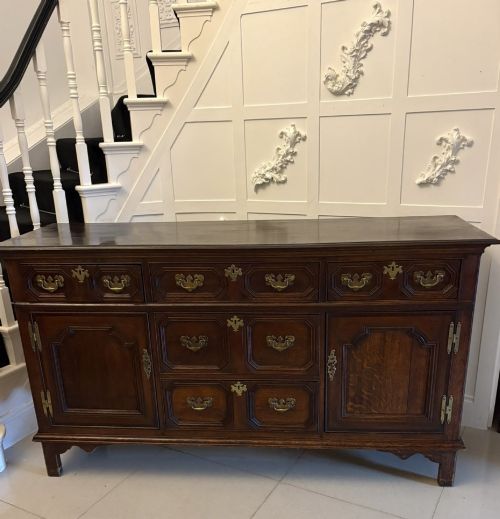
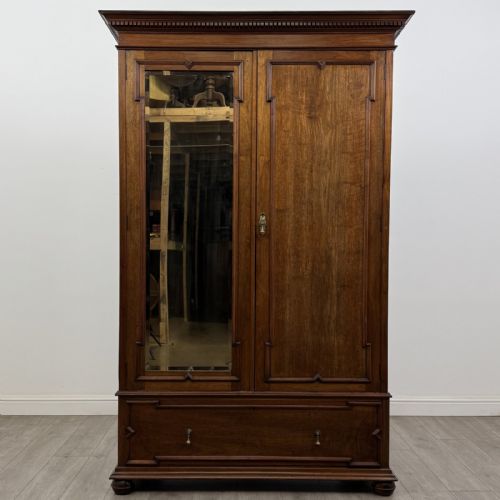
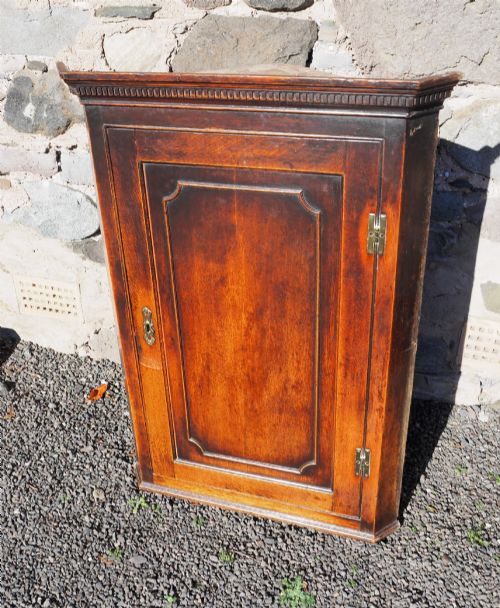
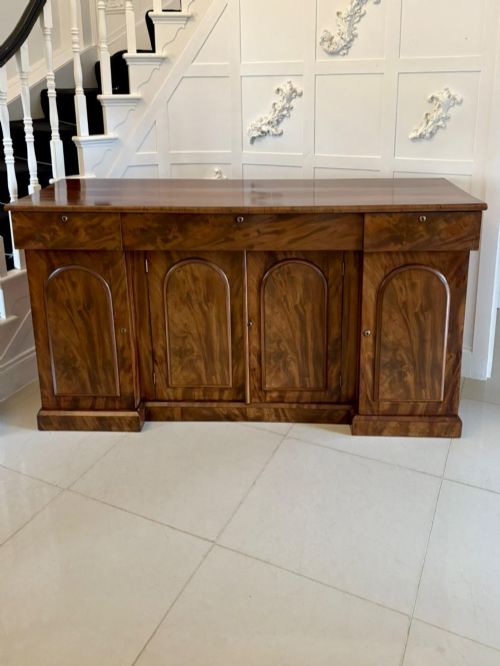
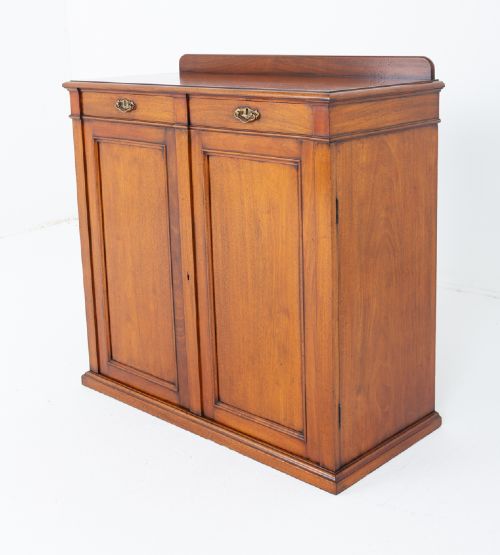
The pieces on this page lean heavily towards Georgian, Victorian, and Edwardian examples constructed in Britain. You will frequently meet corner cabinets, side cabinets, and wardrobing pieces utilising framed timber construction.
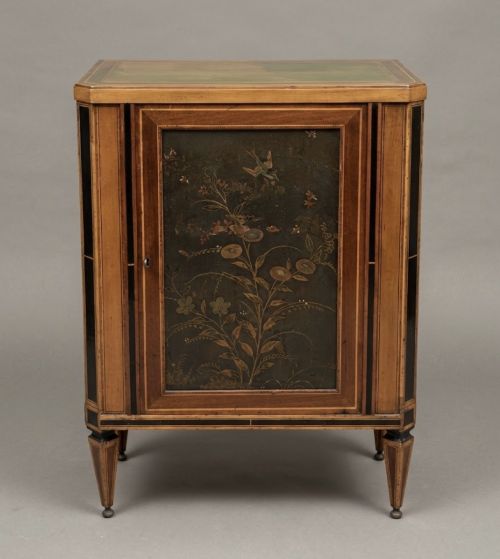
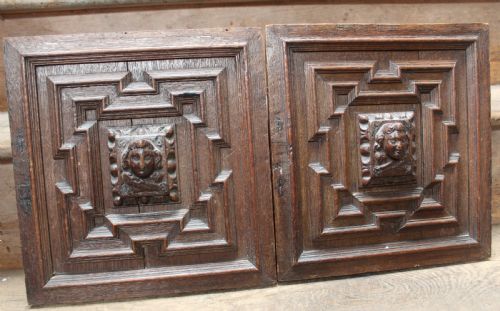
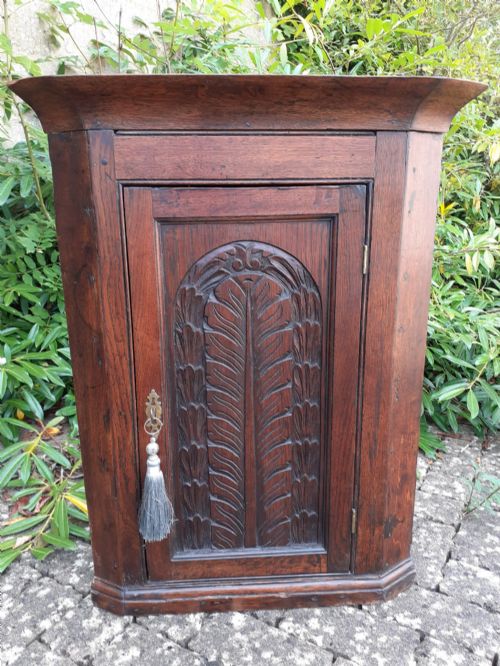
Earlier iterations favour solid oak and elm from the eighteenth century, while later nineteenth and twentieth century pieces introduce mahogany, walnut, and pine. These works often integrate architectural panel details, such as carved pillar panels or silk-backed doors.
How they were made
Cabinet makers built these pieces using solid regional hardwoods like oak, walnut, and mahogany, frequently pairing them with secondary softwoods such as pine. Construction relies on traditional joinery methods that allow timber to move naturally through seasonal changes.
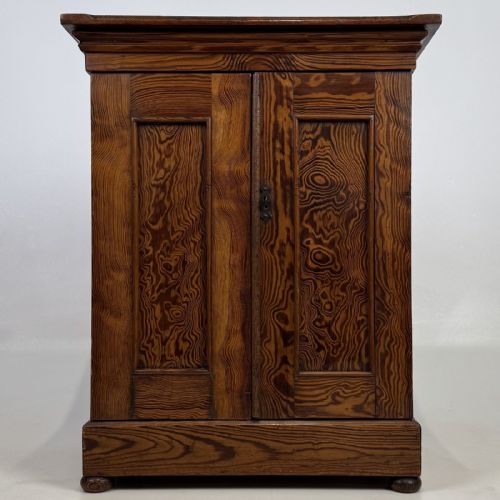
Surfaces receive varied treatments ranging from plain waxed finishes and natural grain display to painted pine and elaborate carved details. Metalwork fixtures such as brass ring pulls, iron hinges, and turned wooden feet complete the structural assembly.
Wooden Panelled Cabinet Retail Price Guide 2026
Typical asking prices for wooden panelled cabinet among the pieces listed under this phrase on Sellingantiques today, from the lower quarter to the upper quarter. They describe what is for sale here now, not the wider market.
Listings span several eras, with eighteenth century oak spice cupboards and Georgian corner cabinets appearing alongside Victorian mahogany sideboards and Edwardian wardrobes.
What varies in quality
The distinction between standard and superior pieces lies in the selection of timber and the precision of the joinery. Figured veneers, balanced grain matching, and well-executed relief carving elevate certain cabinets far above basic utilitarian boxes.
Proportion and interior arrangement also dictate standing, with fitted drawers, secret compartments, and original hardware showing greater maker attention. Pieces retaining untouched original surfaces and honest patination represent the higher tier of surviving examples.
Heals
The Wooden Panelled Cabinet Glossary
- Panel
- A flat piece of wood set within a surrounding frame to prevent splitting as the timber expands and contracts. This construction method defines the visual rhythm of panelled cabinets.
- Linen Press
- A tall storage piece traditionally used for stashing folded linens in sliding trays above drawers. Later examples often convert these internal spaces for hanging garments.
- Corner Cabinet
- A specialised storage unit designed to fit squarely into a room angle, saving floor space while displaying or hiding contents. These appear in hanging wall versions or floor-standing formats.
- Chiffonier
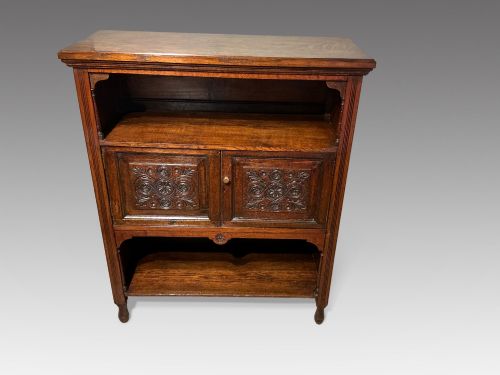
- A low sideboard featuring a combination of enclosed cupboard space and upper shelving or drawers. Popular during the Victorian period, they served dining and reception rooms.
- Spice Cupboard
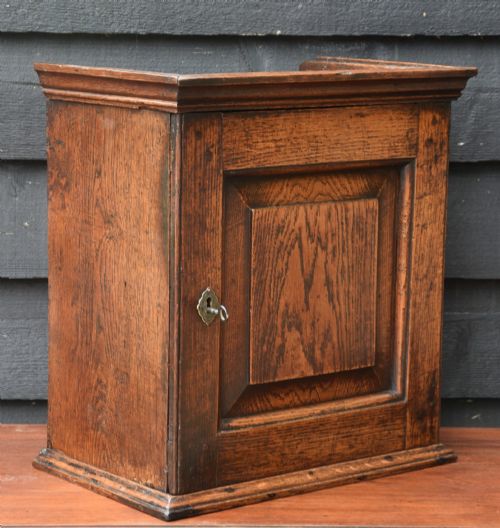
- A miniature wall-hung or table-top cabinet containing multiple small internal drawers for provisions. Eighteenth century examples in oak are particularly sought after by collectors.
Wooden Panelled Cabinet: Frequently Asked Questions
What is a wooden panelled cabinet used for?
These cabinets serve as versatile storage furniture designed to hold tableware, linens, books, or provisions depending on their original domestic function. Their enclosed doors keep contents tidy while adding architectural texture to living spaces.
Today, buyers utilise them in dining rooms, hallways, and living areas as drinks cupboards, sideboards, or general display spaces that conceal clutter.
How do I date an antique wooden cabinet?
Dating relies on observing timber choices, construction techniques, and decorative styles characteristic of specific periods like the Georgian or Victorian eras. Examining backboards, drawer linings, and hardware often reveals the manufacturing era.
Earlier eighteenth century pieces generally feature heavy oak with pegged joinery, whereas later nineteenth century variants introduce machine-sawn elements and different secondary woods.
Where should I place a corner cabinet?
Corner cabinets fit naturally into unused room angles, making them ideal for smaller spaces that cannot accommodate flat-backed furniture. They draw the eye upward and utilise dead floor space effectively.
Wall-hung versions work well above tables or seating, while tall floor-standing corner cupboards anchor empty room corners with substantial vertical presence.
Are these cabinets made from solid wood?
Many listings feature solid timbers such as oak, mahogany, and pine, though later pieces occasionally incorporate veneers over secondary woods. Solid construction ensures durability and allows timber to develop a rich patination over centuries.
Checking door edges and interior surfaces helps confirm whether a piece is built entirely from solid boards or relies on applied veneers.