


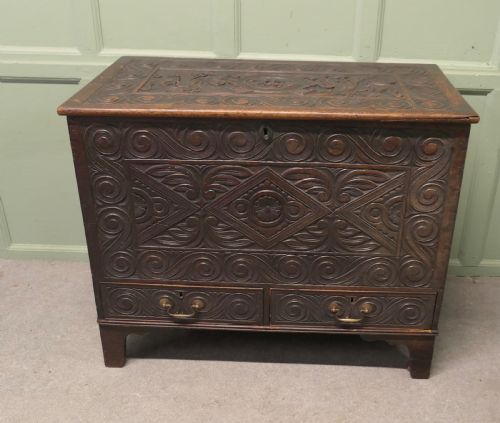


Wooden Mule Chest Drawers
These wooden mule chest drawers combine upper blanket storage with lower drawer space, giving you a practical hybrid piece for daily storage.
Wooden Mule Chest Drawers
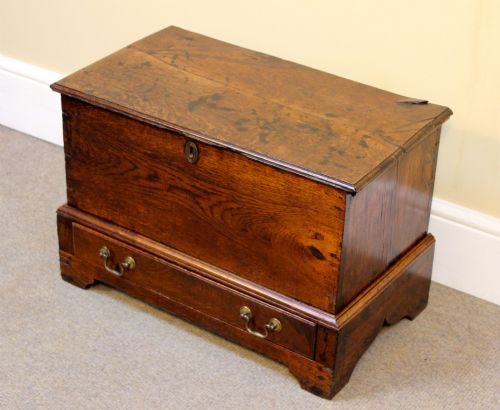
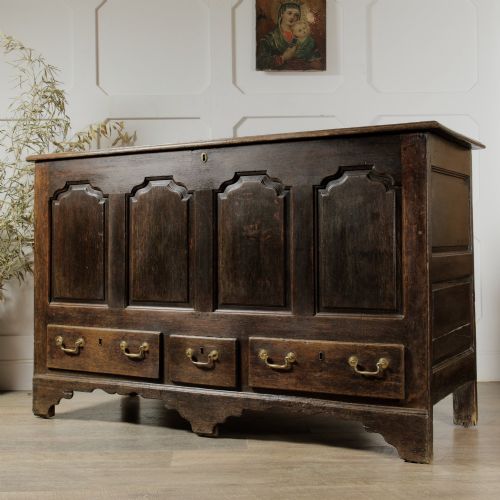
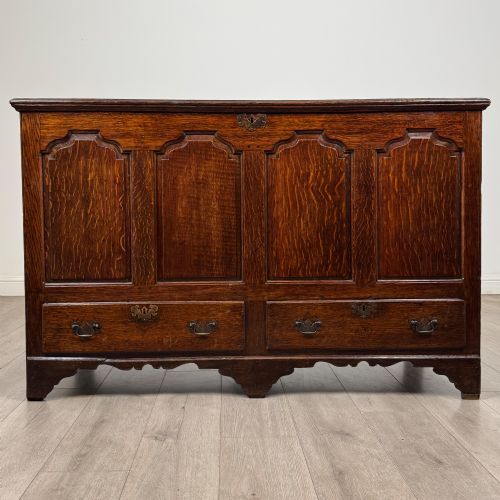
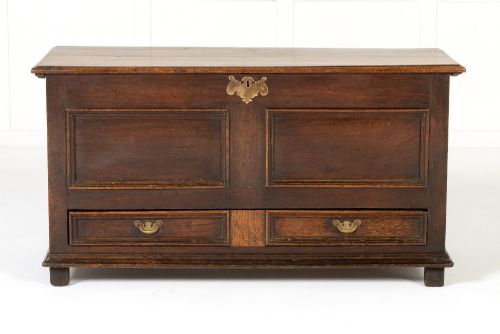
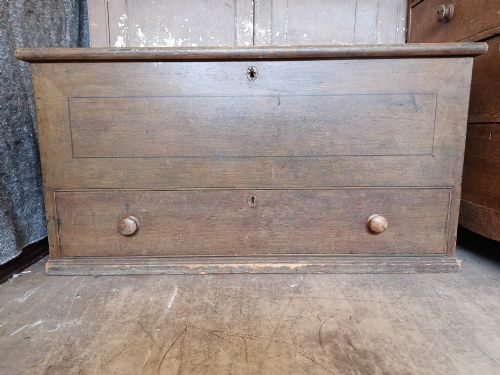
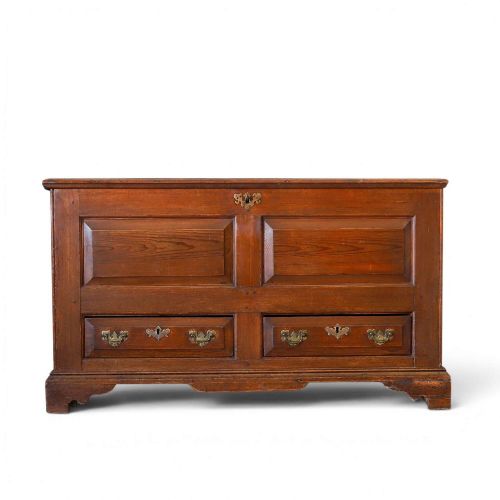
Wooden mule chest drawers bridge the gap between a traditional blanket coffer and a chest of drawers, introducing one or more base drawers beneath the main lift-top compartment. When you search for wooden mule chest drawers, you encounter examples spanning from the seventeenth century through the Victorian era, alongside regional variants like the smaller coffer bach and the larger Lancashire forms.
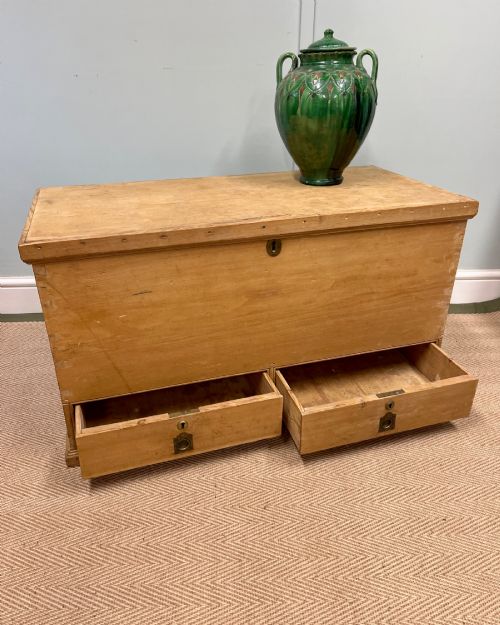
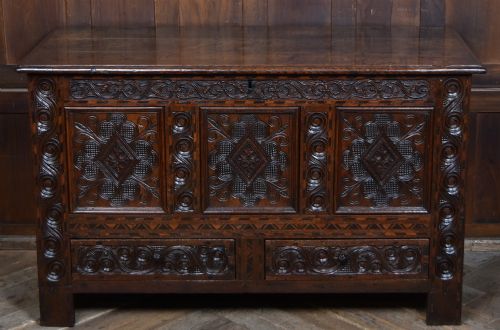
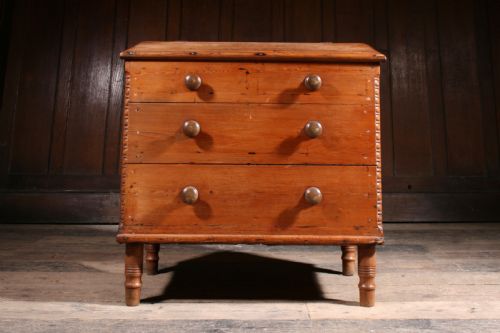
Oak dominates the selection, joined by pine, mahogany, and walnut, reflecting the domestic utility of these storage items across centuries. Pieces range from plain country pine and robust oak panels to elaborately carved surfaces and inlaid marquetry details.
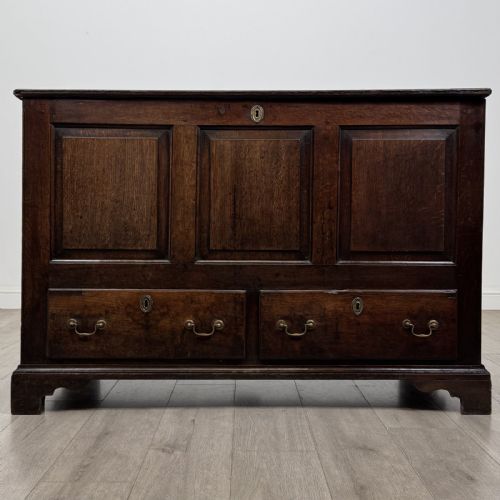
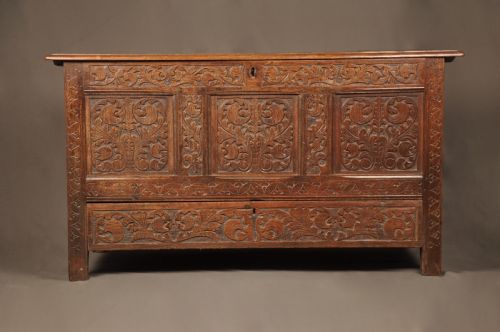
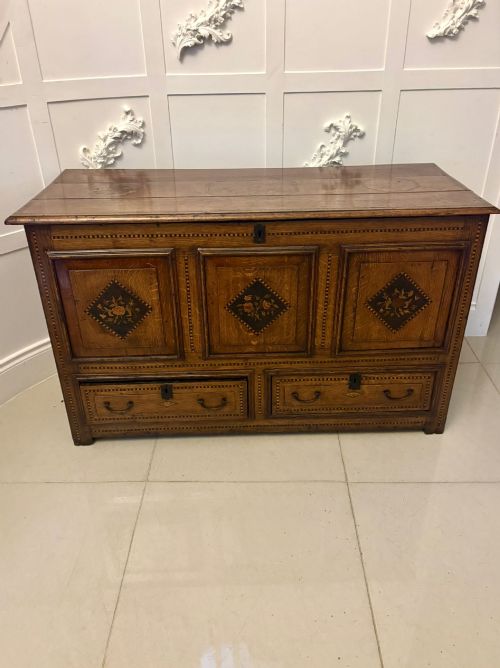
Georgian examples frequently incorporate mahogany crossbanding or substantial drawer banks, while seventeenth-century pieces display heavier framing and intricate carved details. You also find painted pine finishes and apprentice pieces that show skilled miniature craftsmanship.
Materials and construction
Carpenters built these chests primarily using native timbers like oak and pine, often framing panels within sturdy stiles and rails to accommodate seasonal wood movement. Joints rely on traditional pegged mortise and tenon construction, ensuring structural stability for the heavy lid and base drawers.
Secondary woods appear inside drawer boxes and carcases, while brass handles and iron hinges secure the moving parts. More ornate specimens incorporate mahogany crossbanding, burr elm panels, or marquetry inlay across the drawer fronts and upper friezes.
Wooden Mule Chest Drawers Retail Price Guide 2026
Typical asking prices for wooden mule chest drawers among the pieces listed under this phrase on Sellingantiques today, from the lower quarter to the upper quarter. They describe what is for sale here now, not the wider market.
The listings on this site feature oak, pine, mahogany, and walnut mule chests spanning the seventeenth, eighteenth, and nineteenth centuries.
Determining quality
Quality rests on the selection of timber and the crispness of the joinery, particularly where the drawer runs smoothly beneath the main chest cavity. The survival of original brass hardware, uncompromised panel work, and patinated surface wax separates utilitarian storage from finer regional pieces.
Carved decoration and marquetry inlay show the hand of a more skilled cabinetmaker, whereas simpler pine and oak examples rely on honest proportions and sturdy vernacular construction.
The Wooden Mule Chest Drawers Glossary
- Mule chest
- A storage chest fitted with one or more drawers at the base beneath the main compartment. This form evolved from simple coffers when makers realised lower drawers provided easier access without disturbing items stacked on top.
- Coffer bach
- A Welsh term for a small chest or coffer, often featuring a single small drawer below. These compact pieces served domestic storage needs in smaller rural homes.
- Crossbanding
- A decorative border technique where thin strips of veneer are laid across the grain of the primary wood. This frames drawer fronts or lid edges on finer Georgian pieces.
- Marquetry
- The art of forming decorative patterns using fitted pieces of various coloured woods and veneers. It appears on seventeenth-century examples to create elaborate surface designs.
Wooden Mule Chest Drawers: Frequently Asked Questions
What is a mule chest?
A mule chest is a blanket box that includes one or more drawers built into the base. It represents a transitional stage between a simple coffer and a tall chest of drawers.
Craftsmen added drawers to the bottom of standard storage trunks so users could retrieve items without lifting the heavy lid.
How old is my mule chest?
You can date a mule chest by examining its construction methods, timber choices, and overall style. Early seventeenth-century pieces show heavy oak framing and pegged joints, while Georgian examples often feature mahogany crossbanding or pine carcases.
Later Victorian versions display softer pine construction and different interior drawer configurations compared to their earlier country counterparts.
Where were mule chests used?
Mule chests served as primary bedroom and landing furniture in domestic homes, holding linens, blankets, and clothing. Their dual storage design made them practical for farmhouses and larger country houses alike.
Smaller regional variants like the coffer bach fitted easily into more modest living spaces.
What is a coffer bach?
A coffer bach is a traditional Welsh miniature or small chest featuring a drawer at the bottom. The Welsh term translates directly to little coffer.
These compact items were often made as marriage or presentation pieces for domestic use.
How do I maintain the finish?
Maintain the wood surface by applying natural beeswax periodically and buffing it with a soft cloth. Avoid placing the chest near direct heat sources or in damp environments to protect the timber.
Gentle cleaning preserves the historic patina accumulated over centuries of use.