



Wooden Miniature Desk
These wooden miniature desk pieces and related table cabinets bring domestic scale and precise carpentry into compact spaces.
Wooden Miniature Desk
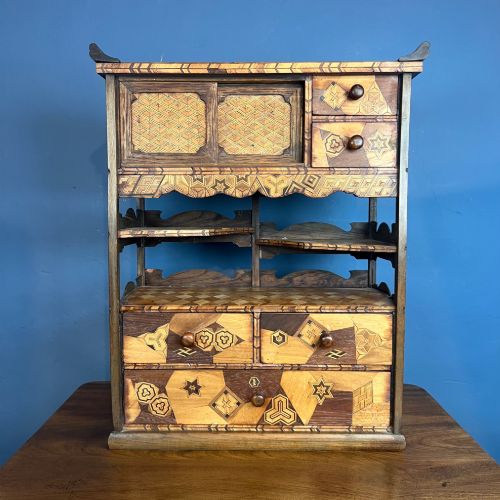
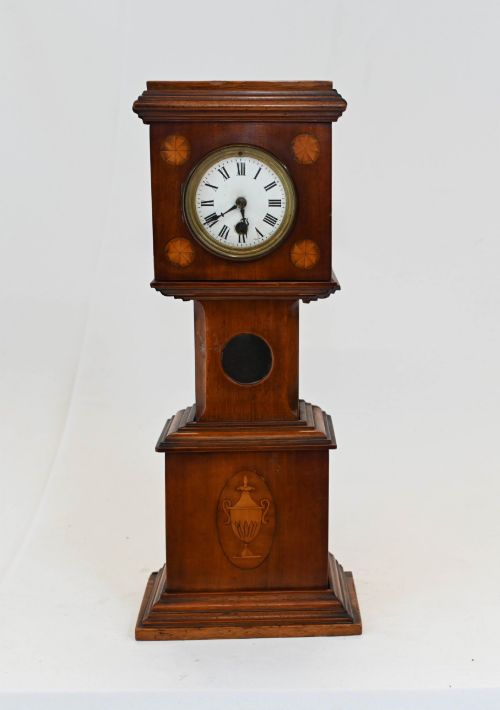
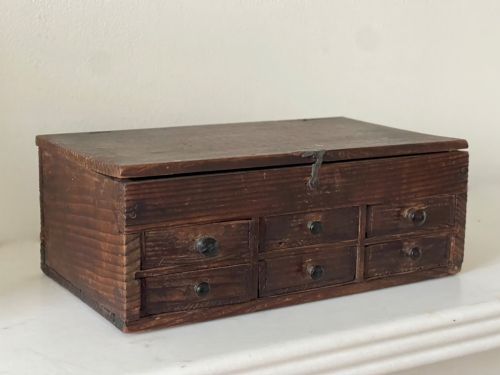
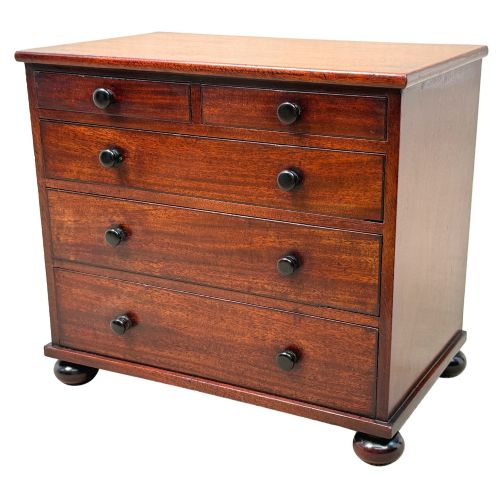
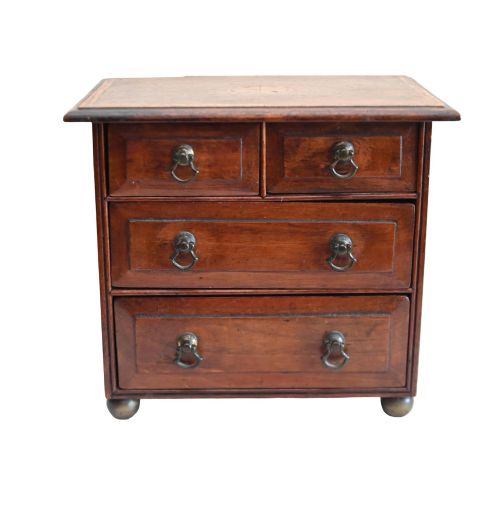
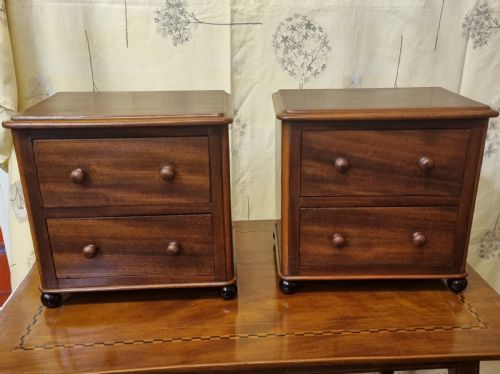
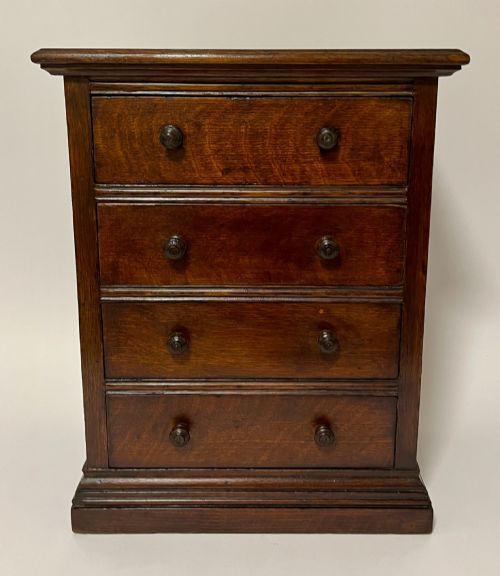
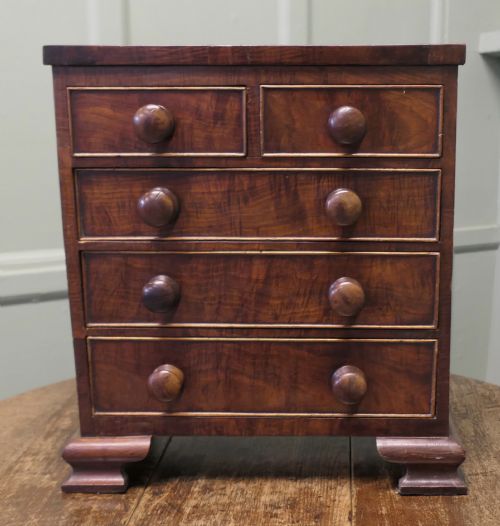
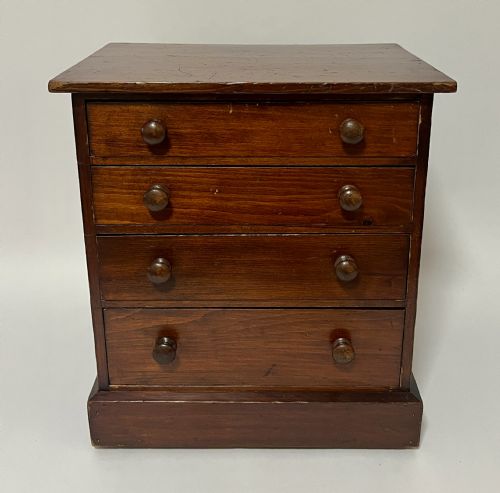
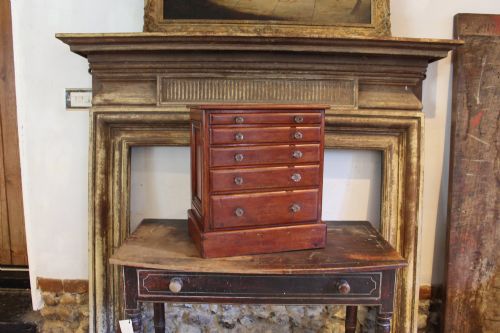
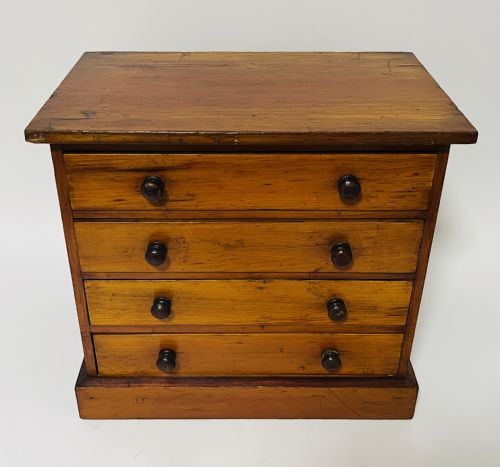
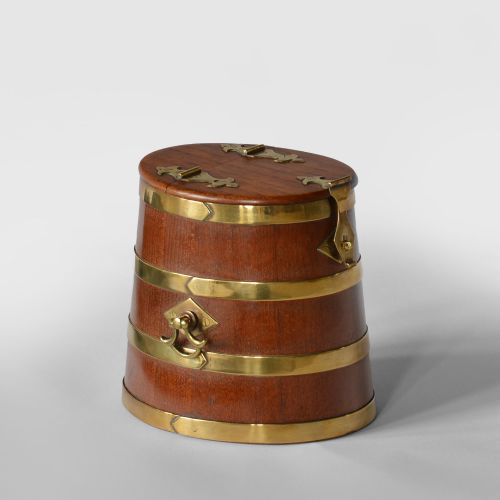
When searching for a wooden miniature desk, buyers encounter a variety of small-scale furniture and table cabinets originating from the eighteenth, nineteenth, and early twentieth centuries. These items include miniature chests of drawers, apprentice pieces, table top cabinets, and specialised writing forms such as escritoires.
The pieces on this page span several recognised design eras, including Georgian, Victorian, and Regency, alongside later revivals like Sheraton Revival and George II style. Walnut, mahogany, and oak appear frequently as the primary woods shaping these compact domestic items.
Makers and craftsmen produced these small works for display, travel, or demonstration purposes, resulting in functional drawer arrangements and fitted interiors scaled down from full-size furniture.
Materials and construction methods
Carpenters constructed these miniature pieces using dense hardwoods such as mahogany, walnut, and oak, occasionally incorporating secondary timbers like pine or incorporating burr veneers for decorative effect.
Joinery techniques mirror full-size cabinet making of the period, utilising dovetailed drawer construction, brass hardware fittings, and inlaid stringing to achieve durability at a reduced scale.
Wooden Miniature Desk Retail Price Guide 2026
Typical asking prices for wooden miniature desk among the pieces listed under this phrase on Sellingantiques today, from the lower quarter to the upper quarter. They describe what is for sale here now, not the wider market.
Listings feature items built from mahogany, oak, walnut, and pine across the Georgian, Victorian, and Edwardian periods.
Distinctions in construction and design
The refinement of the timber selection and the precision of the joinery dictate the standing of each piece, with figured veneers and careful grain matching marking out superior examples. Simple pine or heavily stained utility pieces sit at the other end of the scale from finely figured mahogany and burr walnut.
Proportion and fidelity to full-scale architectural or furniture styles separate standard workshop items from exceptional cabinet work, where hidden drawers, working locks, and original brasses remain intact.
Mappin And Webb·McCabe
The Wooden Miniature Desk Glossary
- Apprentice piece
- A small item of furniture demonstrated by a craftsman to prove skill before gaining guild admission. These objects frequently share the exact proportions and timber quality of larger furniture.
- Table cabinet
- A small storage case designed to sit upon a desk or surface. These pieces often feature multiple internal drawers or lockable doors.
- Escritoire
- A small desk equipped with a sloping writing surface or drop-front panel. Such items conceal pigeonholes and compartments inside.
- Inlay
- A decorative technique where contrasting wood or brass is inserted into the primary surface. Sheraton Revival pieces utilise this method extensively.
- Stringing
- A thin line of contrasting timber embedded into the edges of furniture surfaces. This detail outlines drawer fronts and tabletops on Georgian and Regency pieces.
Wooden Miniature Desk: Frequently Asked Questions
What is a wooden miniature desk?
A wooden miniature desk is a small-scale writing table or cabinet created for display, travel, or apprentice demonstration during the eighteenth and nineteenth centuries.
These pieces replicate the functional drawers, fitted interiors, and stylistic details of full-sized furniture in a compact format.
How were apprentice pieces used?
Apprentice pieces served as test projects where young woodworkers demonstrated their mastery of joinery, dovetailing, and finishing techniques to guild masters.
Once completed, these miniature chests and desks functioned as decorative household objects or salesman samples.
Which woods are most common?
Mahogany, oak, and walnut appear most frequently across these miniature furniture pieces, often enhanced by brass mounts and fine veneer work.
Pine and fruitwoods also occur in regional or utilitarian pieces from the Victorian and Edwardian eras.
How do I date these pieces?
Dating relies on identifying the prevailing style, such as Georgian proportions, Regency brass bindings, or Victorian figured walnut veneers.
Construction traits, including hand-cut dovetails and timber choice, help narrow the period of origin alongside any maker signatures.