






Wooden Knob Pine Dresser
A wooden knob pine dresser brings robust utility and honest charm to a room, offering generous storage through practical drawers and time-worn surfaces.
Wooden Knob Pine Dresser
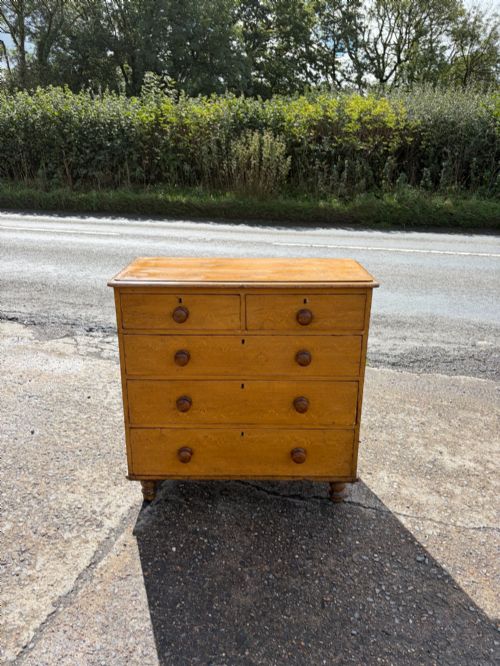
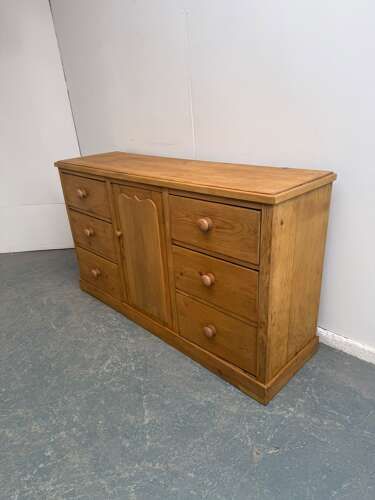
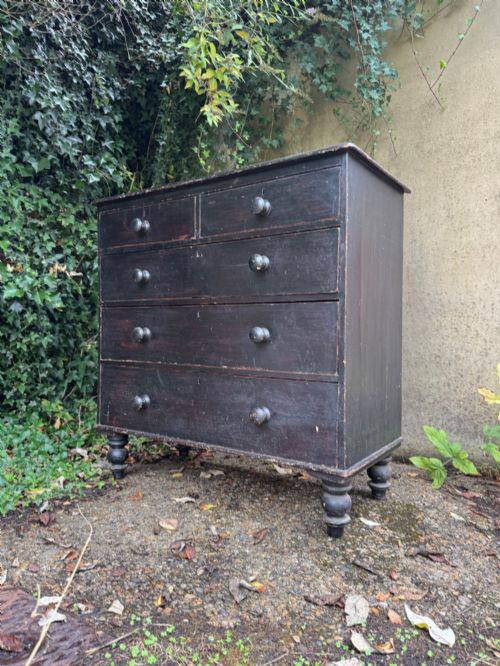
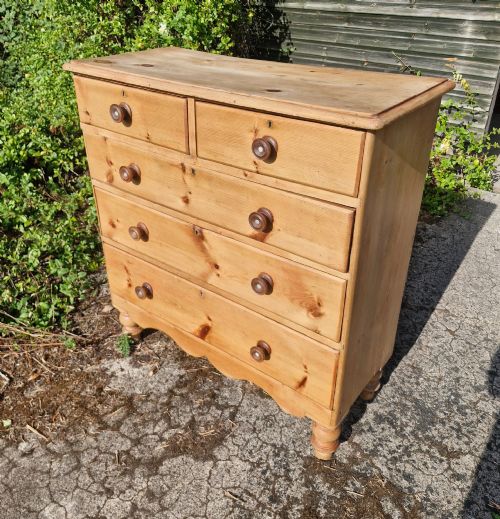
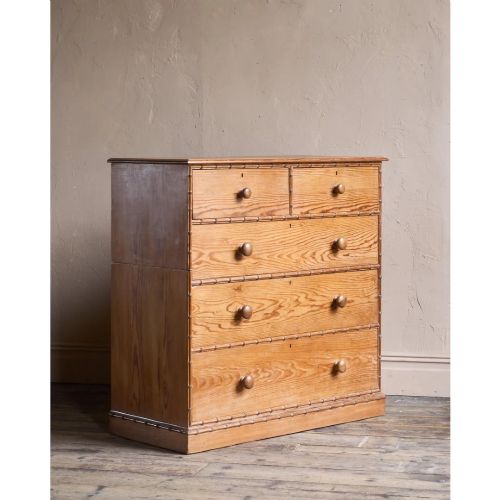
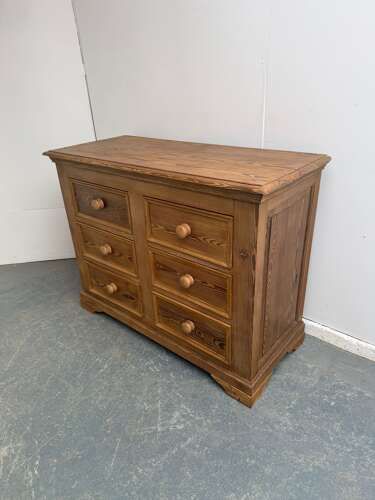
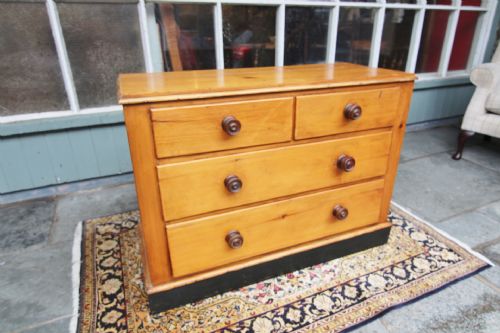
When searching for a wooden knob pine dresser, buyers encounter utilitarian storage furniture predominantly dating from the Victorian period and the nineteenth century. These pieces encompass sturdy chests of drawers, kitchen dresser bases, and sideboards built for everyday domestic use.
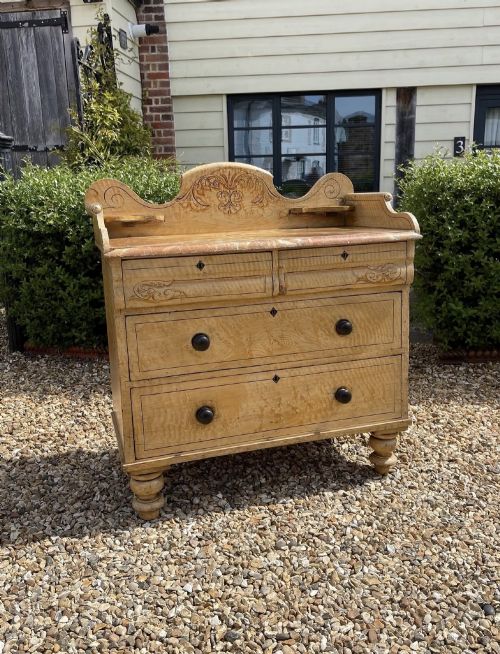
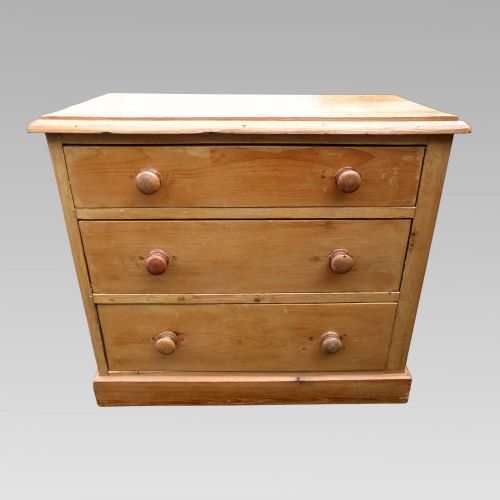
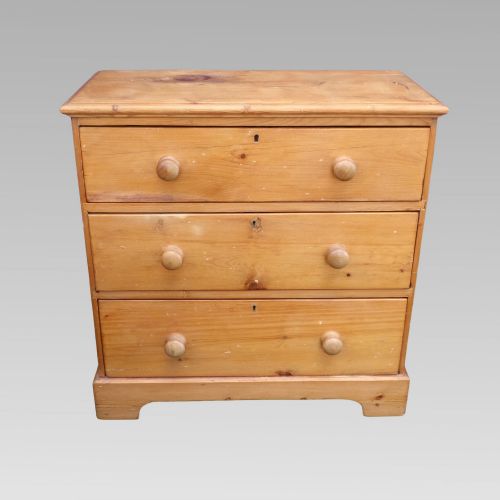
The versions most likely to appear on this page are nineteenth-century pine chests of drawers and dresser bases originating from English, Scottish, and Irish workshops. They manifest in styles ranging from plain Victorian country vernacular to Arts and Crafts and Victorian folk art.
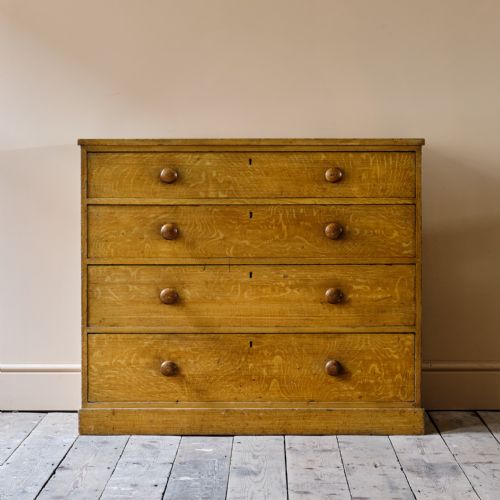
Formations vary from low three-drawer configurations to tall five and six-drawer chests, occasionally complete with galleries or turned feet. Regional variations reveal themselves in proportions, drawer arrangements, and timber selection.
How they were made
These items are constructed primarily from solid pine, utilising timber worked by hand during the nineteenth century. Cabinet makers joined carcases and drawer boxes using traditional techniques suited to domestic furniture.
Surfaces receive different finishes depending on their original application and subsequent treatment, appearing either stripped and waxed or retaining layers of original paint. Hardware such as turned wooden knobs, brass, and iron fittings complete the construction.
Wooden Knob Pine Dresser Retail Price Guide 2026
Typical asking prices for wooden knob pine dresser among the pieces listed under this phrase on Sellingantiques today, from the lower quarter to the upper quarter. They describe what is for sale here now, not the wider market.
Listings span the Victorian period, nineteenth century, and the Arts and Crafts movement, featuring solid pine, paint, wax, brass, and iron.
What varies in quality
Quality in these domestic pieces depends upon the integrity of the original construction, the thickness of the solid pine timber, and the balance of proportions. Superior examples retain their original turned feet, turned knobs, and galleries without heavy structural alterations.
The character of the finish significantly influences the standing of a piece, whether it displays a deep, warm wax patina or well-preserved original paint surfaces. Regional build quality also plays a role, with sturdier framing and finer dovetailing distinguishing the better workshops.
Howard and Sons
The Wooden Knob Pine Dresser Glossary
- Pine
- A soft timber extensively used for domestic furniture throughout the nineteenth century. It accepts wax and paint finishes readily.
- Dresser base
- The lower section of a kitchen dresser, usually containing cupboards or rows of drawers beneath a solid wooden top. These served as primary work and storage surfaces in traditional homes.
- Gallery
- A raised wooden upstand or rail fitted along the back or sides of a chest top. It prevented items from sliding off the surface.
- Waxed finish
- A treatment applied to bare timber to nourish the wood and produce a mellow sheen over time. It highlights the natural grain and knots of the pine.
- Original paint
- Pigment applied to the exterior of the furniture during its period of manufacture that has survived subsequent stripping or repainting. Such surfaces offer historical evidence of how the piece was decorated.
Wooden Knob Pine Dresser: Frequently Asked Questions
How do I date a pine chest?
Dating relies on examining construction methods, timber thickness, and hardware styles. Nineteenth-century pieces often feature hand-cut joints and native pine boards.
Secondary clues include the presence of original paint, turned wooden knobs, and specific regional proportions associated with Victorian cabinet making.
Are these pieces made of solid pine?
Yes, these items are constructed from solid pine timber rather than veneered substitutes. Cabinet makers utilised the wood for both the structural carcases and the drawer linings.
Selected examples incorporate secondary timbers for internal components while maintaining solid pine primary surfaces.
Should I choose waxed or painted pine?
The choice depends upon your interior aesthetic and whether the piece retains its historical coating. Waxed pine exposes the natural grain and warmth of the wood.
Painted examples preserve the original colour applied during the Victorian era, offering a distinct folk art character.
Where were these dressers used?
These pieces served practical storage functions throughout domestic Victorian interiors, including kitchens, bedrooms, and hallways. Dresser bases provided workspace and utensil storage in food preparation areas.
Chest of drawers variants accommodated clothing and household linens in private quarters.