

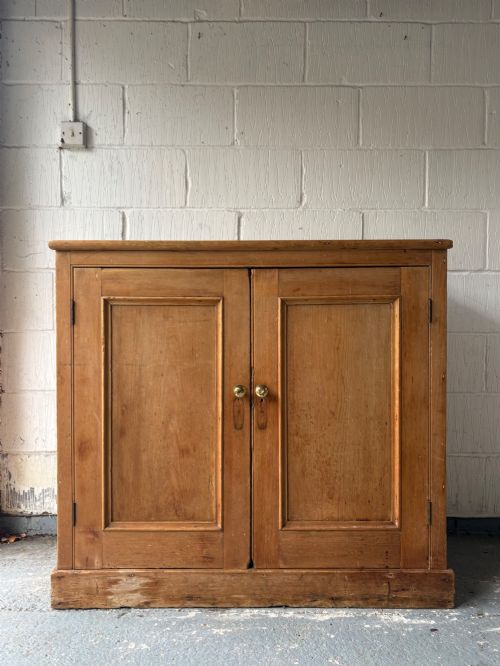
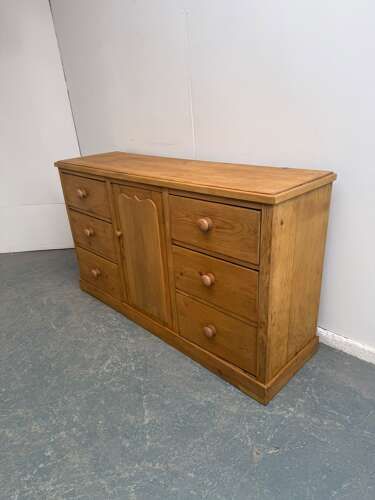
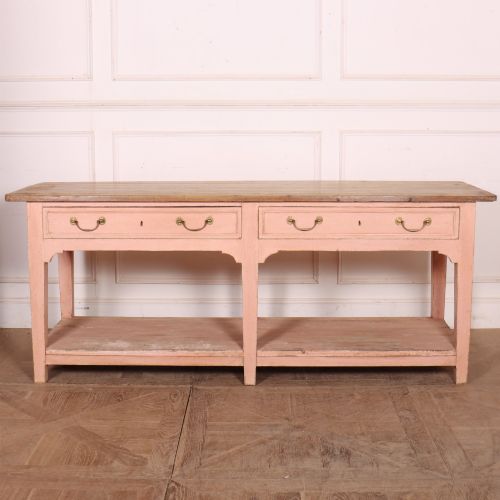
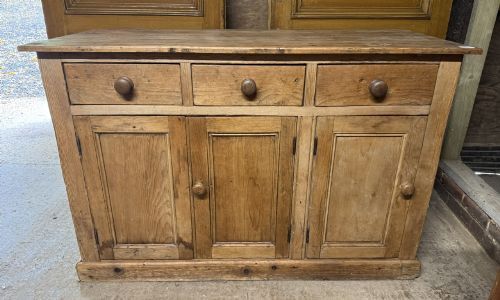
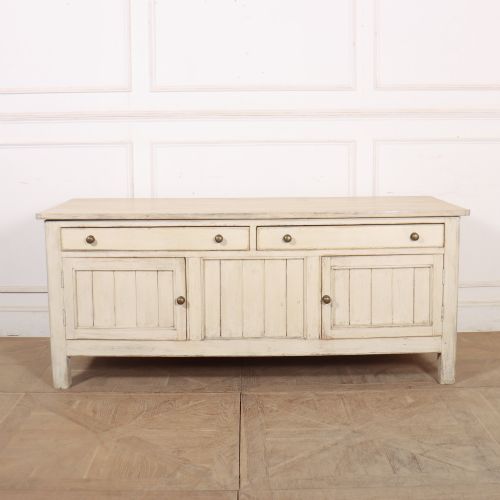


Low Pine Kitchen Dresser
A low pine kitchen dresser is a utilitarian workhorse of the country interior, prized for its generous surface and heavy, honest timber.
Low Pine Kitchen Dresser
A low pine kitchen dresser is a functional anchor for the rustic interior, combining deep base storage with a wide serving surface.
Most examples found here span the eighteenth and nineteenth centuries, taking the form of open potboard bases, enclosed cupboards, and painted farmhouse units.
Origins stretch from Scottish farmhouses to English country houses, demonstrating regional variations in hardware and timber selection.
Materials and construction
Solid pine forms the core of these pieces, often paired with oak for structural strength or interior drawers.
Original painted surfaces appear alongside waxed finishes, while brass and iron provide the original hinges and pulls.
Low Pine Kitchen Dresser Retail Price Guide 2026
Typical asking prices for low pine kitchen dresser among the pieces listed under this phrase on Sellingantiques today, from the lower quarter to the upper quarter. They describe what is for sale here now, not the wider market.
Some nineteenth-century survivors wear cheerful coats of lime green or yellow paint applied generations ago to brighten dark provincial kitchens.
Judging quality in low pine kitchen dressers
Quality rests on the integrity of the timber and the honesty of the surfaces, with untouched original paint holding distinct character.
Proportions dictate the elegance of the piece, distinguishing utilitarian joinery from finer provincial furniture.
The Low Pine Kitchen Dresser Glossary
- Potboard base
- A dresser base featuring a low open shelf beneath the cupboards for storing pots and pans. This lower tier sits directly off the floor on short feet or stiles.
- Waxed finish
- A traditional surface treatment using beeswax applied to bare timber to nourish the wood and create a soft sheen. It highlights the natural grain and knots of the pine.
- Original paint
- Pigment applied during the period of manufacture that has survived largely undisturbed. This surface records the ageing process and colour choices of earlier domestic settings.
Low Pine Kitchen Dresser: Frequently Asked Questions
What is a low pine kitchen dresser?
A low pine kitchen dresser is a traditional storage and preparation unit built primarily from softwood during the eighteenth and nineteenth centuries. These pieces typically feature a combination of drawers and lower cupboards or open potboards.
Designed for heavy domestic use in farmhouses and country homes, they offer a wide top surface alongside practical internal storage for kitchen wares.
How were these dressers used historically?
These pieces served as the central workstation for food preparation and storage in rural kitchens. The broad top acted as a table for kneading dough and butchering meat.
Below, the drawers and cupboards held linens, cutlery, and heavy cookware, keeping everyday necessities close to hand in busy domestic spaces.
How do I live with a pine dresser?
Living with a low pine kitchen dresser involves embracing its utility as a sideboard, server, or storage unit in modern living spaces. The generous top surface suits display lamps or crockery.
Maintenance requires simple waxing to protect the timber and keeping the piece away from direct heat sources that cause the pine to dry and split.
How do I tell periods apart?
Dating these pieces relies on examining construction methods, timber patination, and hardware styles. Eighteenth-century examples often display hand-cut dovetails and deeper, more rustic pine.
Victorian pieces from the later nineteenth century frequently feature machine-sawn elements, standardised ironmongery, and sometimes decorative painted finishes or glazed upper sections.