



Wooden Kitchen Plate Rack
A wooden kitchen plate rack brings practical display and honest craft into daily domestic life.

Wooden Kitchen Plate Rack
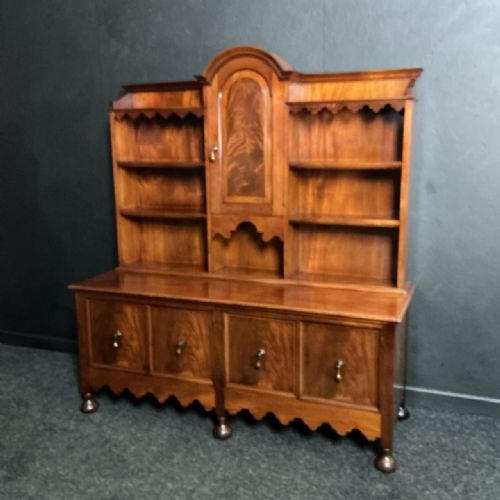
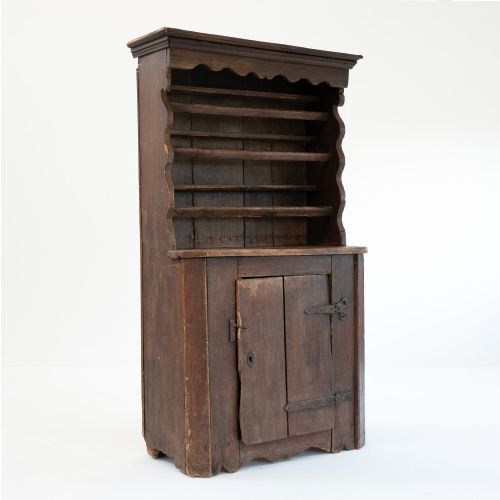
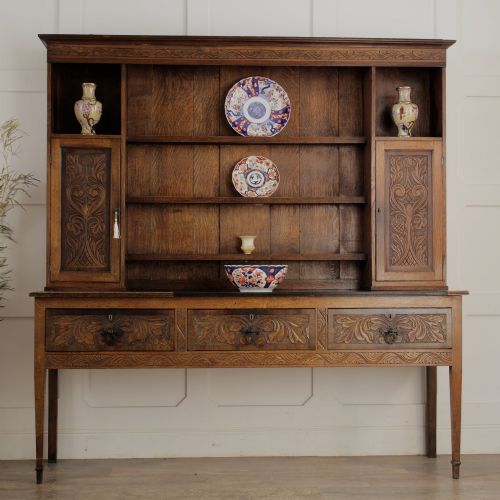
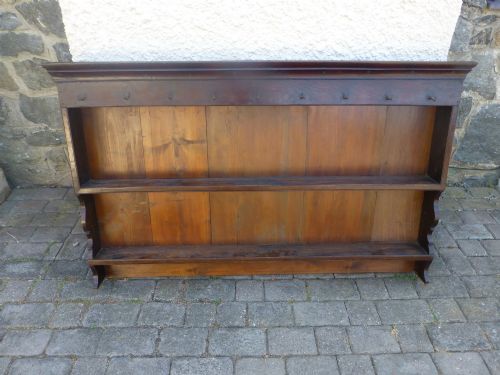
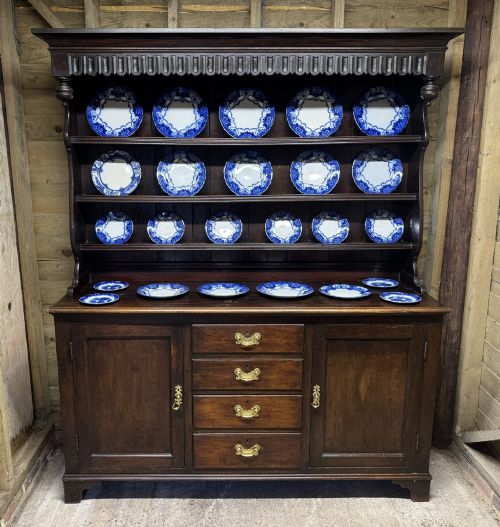
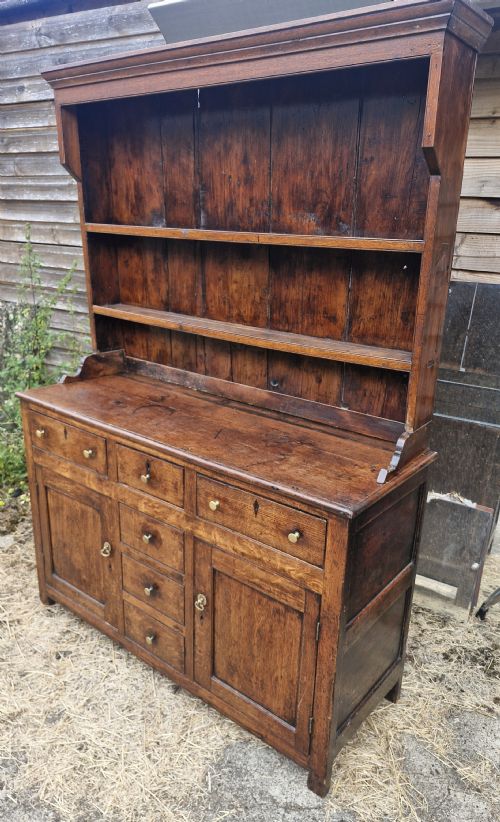
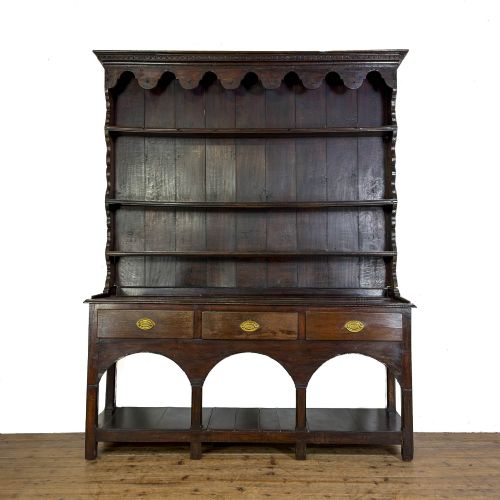
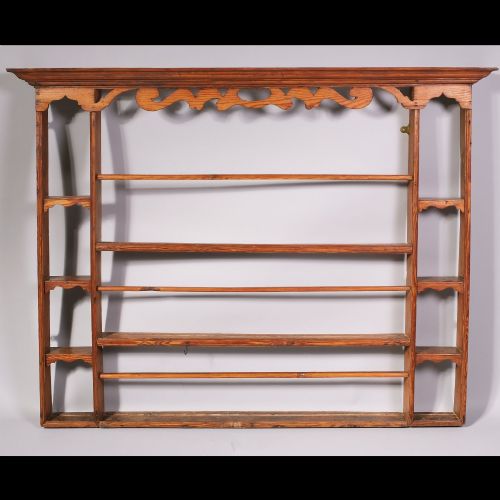
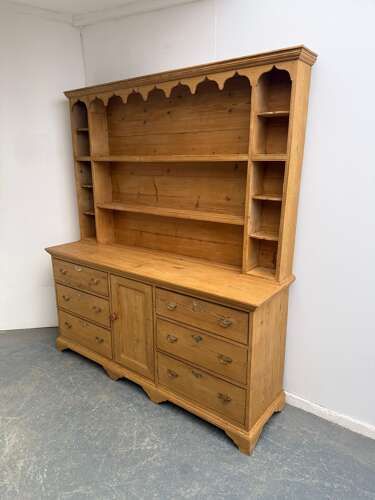
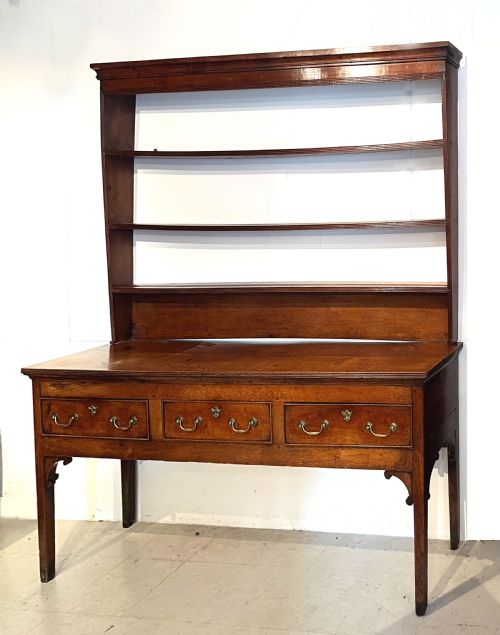
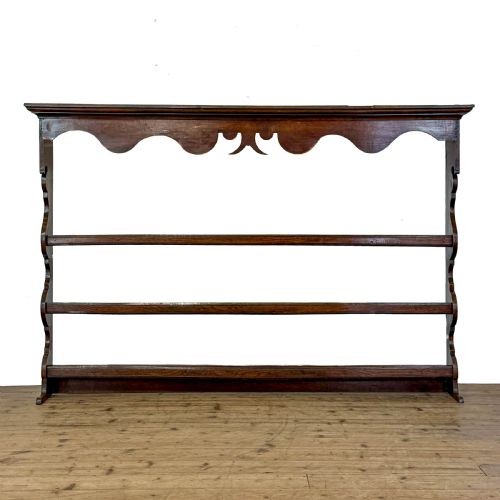
A wooden kitchen plate rack provides open shelving for plates and bowls, often integrated into larger storage forms or mounted directly to walls. You will frequently encounter wall-mounted racks alongside base dressers and pot board dressers originating from Georgian, Victorian, and Edwardian periods.
The selection ranges from simple country pine wall shelves to substantial Welsh and English dressers featuring tiered upper sections. These kitchen furnishings reflect regional domestic traditions from England, Wales, France, and Denmark.
Makers designed these fixtures for everyday utility in working kitchens and farmhouses, prioritising accessible storage for domestic crockery. Surviving examples span the eighteenth, nineteenth, and early twentieth centuries, maintaining their original function as display units.
How they were made
Cabinet makers relied primarily on native timbers such as oak, pine, elm, and cherrywood, supplemented occasionally by walnut and fruitwood. Boards were joined using traditional methods and fitted with brass or iron hardware where necessary.
Surfaces often show traces of historic paint, wax finishes, or natural patination built up through generations of domestic use. Construction details reflect regional workshop practices, from pegged joints on country dressers to simpler nailed or screwed assembly on utility pine shelves.
Listings feature oak, pine, elm, walnut, and cherrywood, spanning the eighteenth to the early twentieth century.
What varies in quality
The distinction between ordinary and superior pieces rests on the choice of timber, the integrity of the original structure, and the depth of surface patination. Denser hardwoods like oak and walnut command attention for their durability and grain, whereas pine offers a lighter vernacular charm.
Proportion and detail dictate visual success, distinguishing utilitarian storage from pieces executed with refined mouldings, carved elements, or integrated pot boards. Original surface finishes without modern stripping elevate the character of a rack, preserving the marks of its age.
The Wooden Kitchen Plate Rack Glossary
- Delft rack
- A wall-mounted or dresser-top shelf designed specifically to display plates upright against slats or grooves.
- Pot board
- A lower open shelf built into a dresser base, traditionally used for storing heavy pots and pans.
- Buffet vaisselier
- A French regional two-part cabinet combining a lower buffet with an upper display rack for tableware.
- Patina
- The surface sheen and colour acquired by wood and paint over decades of handling and exposure.
Wooden Kitchen Plate Rack: Frequently Asked Questions
How do I hang a wall plate rack?
Check the weight of the timber and locate fixing points into wall studs or masonry to ensure a secure hold. Use appropriate brackets or screw through the internal back rails for stability.
Distribute the weight of your ceramics evenly across the shelves once the rack is firmly mounted on the wall.
Are these racks suitable for daily use?
Most antique wooden racks remain sturdy enough to hold everyday ceramics and plates securely in a modern kitchen. Ensure the grooves and retaining rails are deep enough for your specific dinnerware.
Avoid overloading older pine or softwood shelves with exceptionally heavy stoneware to preserve the joints.
How do I clean an antique wooden rack?
Dust the wood regularly with a dry cloth and occasionally apply a neutral beeswax to nourish dry surfaces. Avoid modern silicone sprays or harsh chemical cleaners that strip the historic finish.
Keep wooden racks away from direct heat sources and excessive moisture to prevent warping or splitting.
How do I tell an 18th-century rack from a later copy?
Examine the timber boards for hand-saw marks, peg construction, and signs of age-related wear around the fixing points. Older pine and oak exhibit a dry, mellow surface texture that modern manufacturing struggles to replicate.
Check for consistency in nails and screws, as handmade iron fixings typically indicate earlier production periods.