

Wooden Kitchen Desk
These wooden kitchen desks and working tables bring honest utility and historic timber into a home, offering sturdy surfaces built for daily life.
Wooden Kitchen Desk
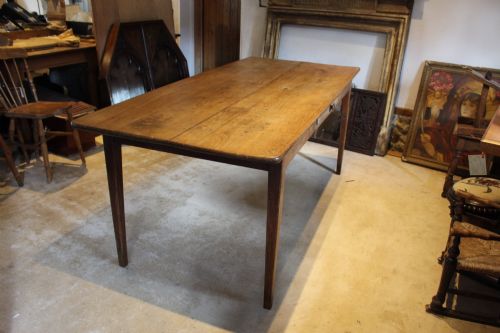
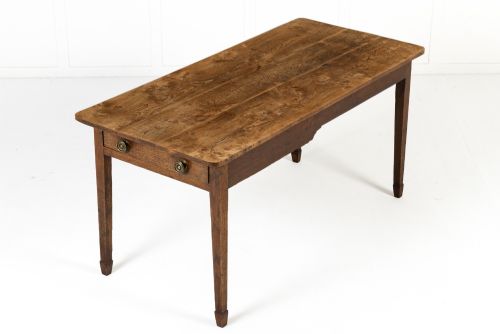
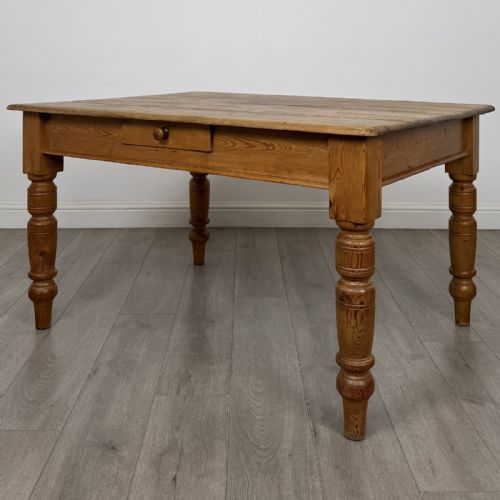
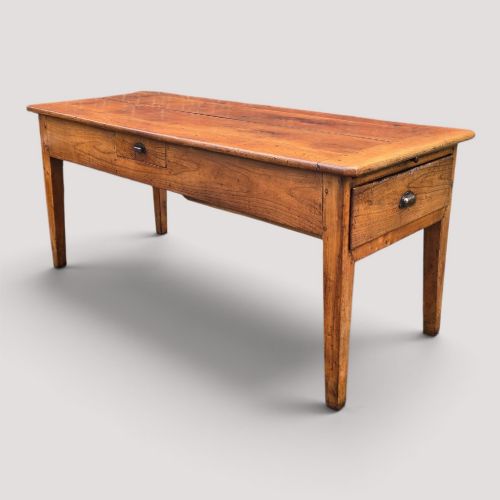
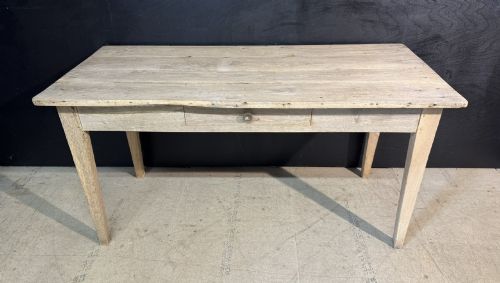
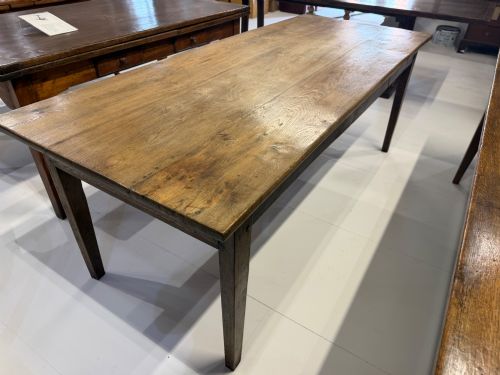
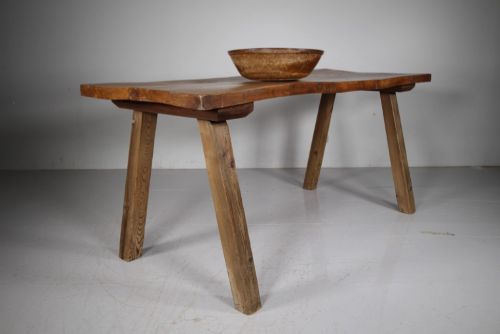
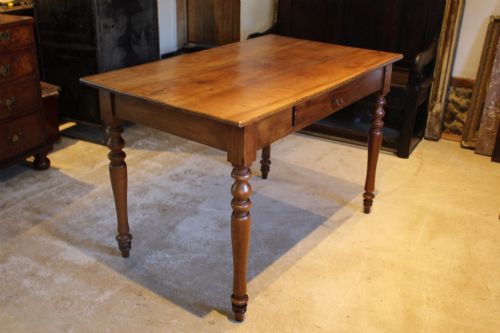
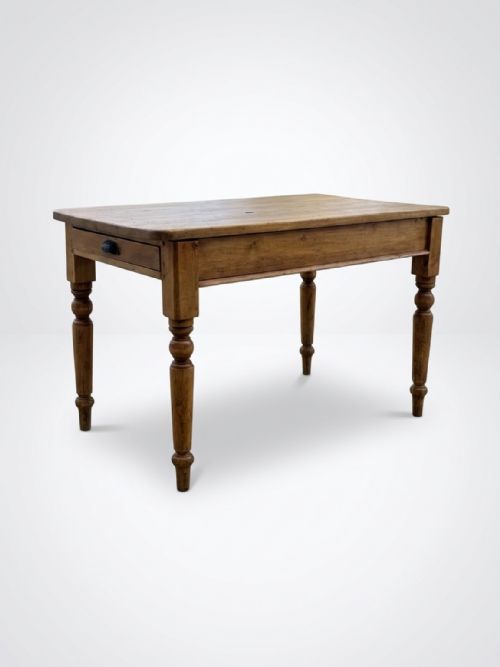
A wooden kitchen desk or working table represents the hard-working hub of historic domestic life, taking the form of prep tables, scullery tables, and sturdy work desks. You will mostly meet robust pine and oak pieces originating from the nineteenth and early twentieth centuries, bearing the simple lines of Victorian country and rustic farmhouse styles.
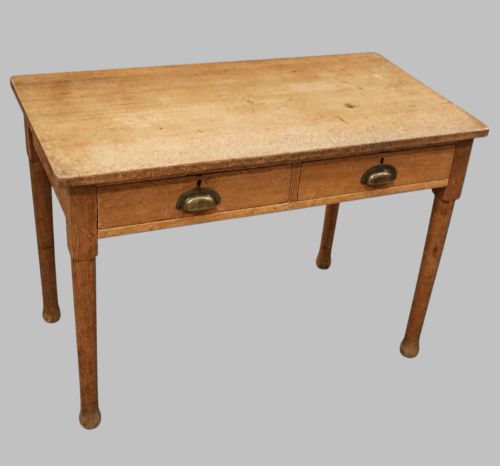
Many examples incorporate functional drawers for storage, reflecting their original purpose as baker's prep tables or utilitarian writing surfaces in busy kitchens. The forms range from compact side tables to long refectory boards, all sharing a straightforward construction intended for heavy daily use.
How they were made
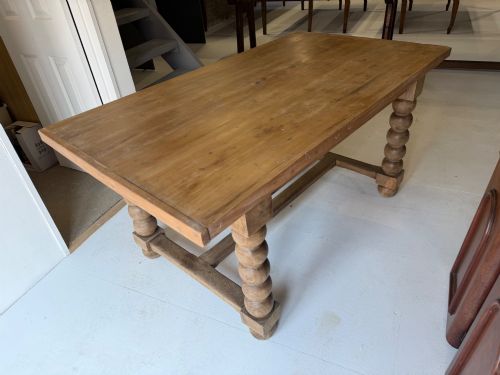
Joiners relied on domestic hardwoods like oak, elm, ash, and beech alongside soft pine to build these pieces, selecting timbers for strength and durability. Tops were often constructed from thick planks joined together, sometimes paired with turned or bobbin legs and metal hardware for added stability.
Surface treatments remained practical, utilising scrubbed bare wood, natural wax, or painted finishes on the bases. This construction method ensured the furniture could withstand constant scrubbing, food preparation, and heavy domestic chores.
Wooden Kitchen Desk Retail Price Guide 2026
Typical asking prices for wooden kitchen desk among the pieces listed under this phrase on Sellingantiques today, from the lower quarter to the upper quarter. They describe what is for sale here now, not the wider market.
Listings feature woods such as pine, elm, oak, beech, and ash, reflecting the common timber choices of nineteenth and early twentieth-century makers.
What varies in quality
Quality rests in the integrity of the timber selection and the honesty of the construction, where tighter grain and thicker plank tops elevate a piece. Better examples show thoughtful proportions and original patination earned through decades of genuine service.
The degree of hand-craftsmanship in details such as dovetail joints and well-turned legs separates standard utility items from finer vernacular work. Original painted finishes and untouched surface wear also distinguish superior survivors from heavily restored pieces.
The Wooden Kitchen Desk Glossary
- Refectory table
- A long, narrow dining or working table traditionally used for communal meals. These pieces offer substantial length and sturdy stretcher bases.
- Scrub-top
- A wooden table top designed to be scrubbed clean with water and sand in a scullery. This process creates a pale, smooth surface with prominent grain.
- Windsor chair
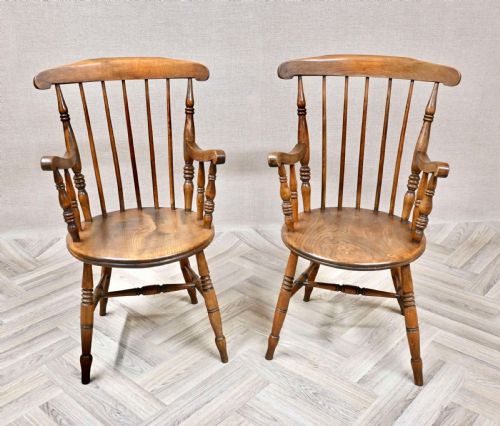
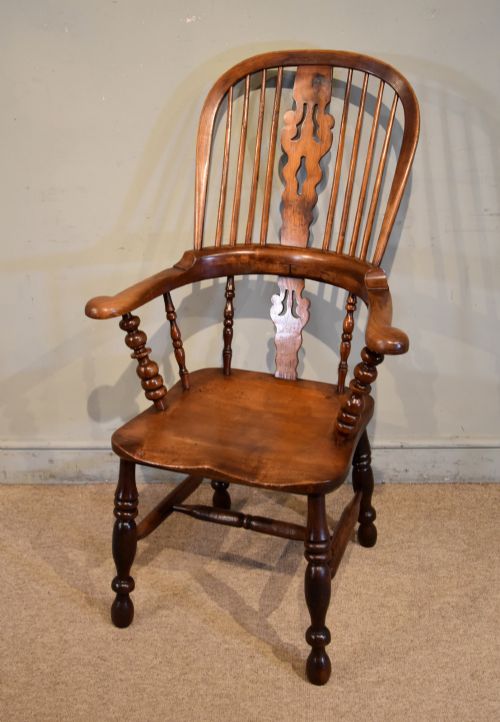
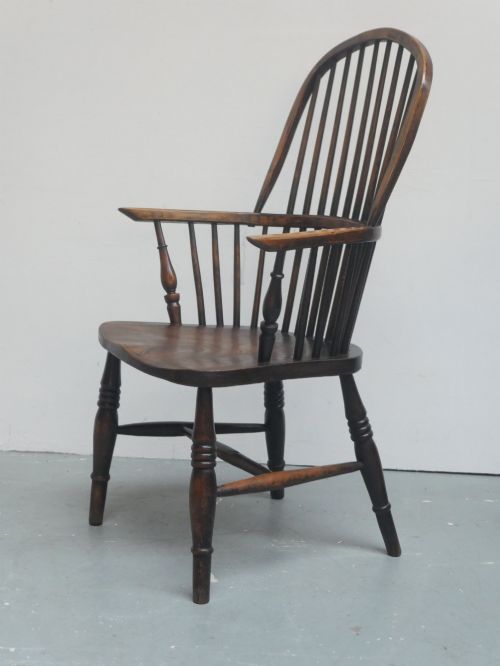
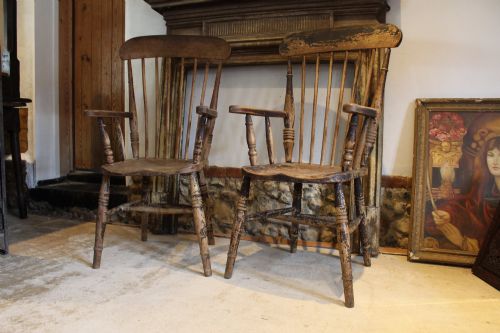
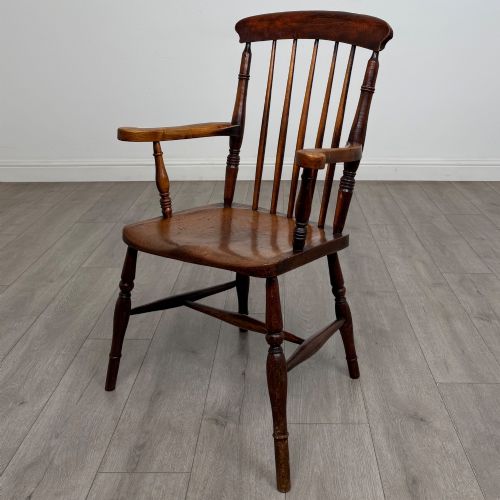
- A wooden chair featuring a solid saddle-seated base into which the legs and back spindles are direct-inserted. They often combine elm seats with ash or beech components.
- Scullery table
- A utilitarian work table utilised for messy kitchen tasks like food preparation and washing. They frequently feature deep drawers and heavy pine tops.
- Bobbin leg
- A furniture leg turned on a lathe to resemble a series of wooden bobbins or spools stacked together. This decorative turning appeared frequently on nineteenth-century tables.
Wooden Kitchen Desk: Frequently Asked Questions
How do I use a wooden kitchen desk today?
These versatile tables serve brilliantly as kitchen islands, sideboards, or alternative writing desks in a study.
Their robust timber surfaces handle daily work easily while adding historic character to modern rooms.
Are these tables suitable for daily food preparation?
Many historic tables were built precisely for baking and food preparation, featuring thick plank tops.
A simple treatment with food-safe oil protects the historic timber while keeping the surface hygienic for use.
How do I date a wooden kitchen table?
Dating relies on observing construction methods, tool marks, and timber types across the piece.
Nineteenth-century examples often display hand-sawn boards and traditional joinery rather than modern mechanical fastenings.
How do I care for antique pine and oak?
Protect the wood by avoiding direct heat sources and excessive moisture on the untreated surfaces.
Applying a traditional beeswax periodically maintains the natural lustre and nourishes the historic grain.