





Wooden Icon Painting
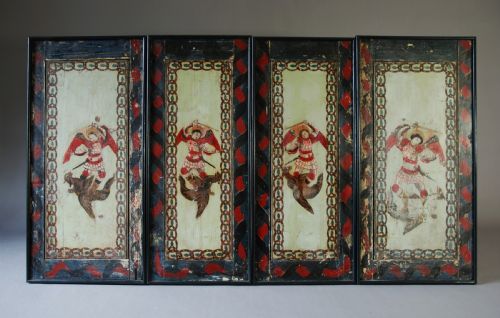
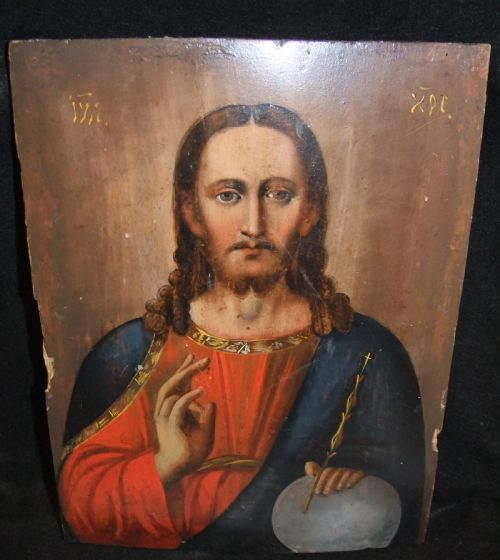
These wooden icon painting pieces are sacred panels and altars carrying tempera and oil on wood, offering buyers centuries of devotional art.
Wooden Icon Painting
When you search for wooden icon painting, you encounter sacred religious artworks created across multiple centuries and regions. These objects range from Russian Orthodox panel paintings to Spanish folk art home altars.
The pieces listed here include religious icons, wall art, and pine panels depicting saints and biblical scenes. You are most likely to meet 18th-century and 19th-century Russian Orthodox examples alongside folk art panels.
Forms vary from framed oil on wood panels to large carvings and sets of painted pine panels. Each piece serves as a domestic shrine or devotional focus rooted in orthodox or continental traditions.
How they were made
Maker workshops built these works using wooden panels, predominantly pine, prepared to receive pigments. Artisans applied tempera paint, polychrome paint, or oil directly onto the prepared wood surface.
Gilding techniques introduced gold leaf, silver, and gilt details to illuminate holy figures and backgrounds. Pigments were combined with traditional binders to create durable, layered imagery on the wooden supports.
Wooden Icon Painting Retail Price Guide 2026
Typical asking prices for wooden icon painting among the pieces listed under this phrase on Sellingantiques today, from the lower quarter to the upper quarter. They describe what is for sale here now, not the wider market.
Listings feature 18th-century and 19th-century items utilising wood, tempera paint, gold leaf, and brass.
What varies in quality
The refinement of the brushwork and the complexity of the theological narrative separate simpler folk creations from master workshop pieces. Finer panels display meticulous control in the tempera application and facial expressions.
Materials also distinguish the range, particularly the presence and extent of genuine gold leaf or silver embellishments against standard pigment. Age and regional origin further influence the character of each wooden support.
The Wooden Icon Painting Glossary
- Tempera
- A permanent, fast-drying painting medium consisting of coloured pigment mixed with a water-soluble binder. It was the primary paint used for traditional Russian icon panels.
- Polychrome
- The practice of decorating architectural elements, sculpture, or wood panels in a variety of colours. This surface treatment appears frequently on folk art altars.
- Gold leaf
- Gold beaten into extremely thin sheets used for gilding wooden icon surfaces. It creates a luminous, reflective background for sacred figures.
- Panel painting
- A painting made on a flat panel made of wood. These sturdy supports form the foundation of nearly all traditional icons.
- Orthodox
- Relating to the Eastern Orthodox Church, whose strict theological canons governed the depiction of saints and sacred narratives on wood.
Wooden Icon Painting: Frequently Asked Questions
What is a wooden icon painting?
A wooden icon painting is a sacred artwork executed on a wooden support, typically depicting saints, Christ, or biblical events within Christian traditions.
These pieces functioned as objects of veneration in homes and churches, serving as focal points for prayer and devotion.
How do I date a wooden icon?
Dating relies on examining the construction of the wooden panel, the preparation layers, and the style of the pigment work. Earlier pieces often display distinct handling of tempera and regional artistic conventions.
Comparing the subject matter and framing to documented examples from periods like the eighteenth or nineteenth century helps establish the timeframe.
Where were these icons made?
The pieces originate primarily from Russian Orthodox workshops, alongside continental European and Spanish folk art traditions.
Regional painting schools developed distinct colour palettes and iconographic details that identify their geographical source.
How should I display an icon?
Icons should be kept away from direct sunlight, excessive heat, and moisture fluctuations that might warp the wooden panel or crack the paint layer.
Wall mounting or placing the piece within a stable domestic environment ensures the tempera and gold leaf remain preserved.