


Wooden Housekeepers Cupboard
A wooden housekeepers cupboard provides substantial traditional storage, combining deep proportions with utilitarian character built to organise household stores over centuries.
Wooden Housekeepers Cupboard
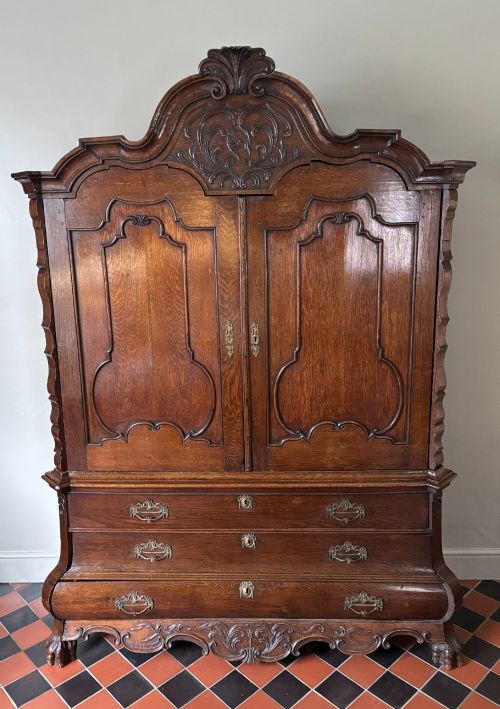
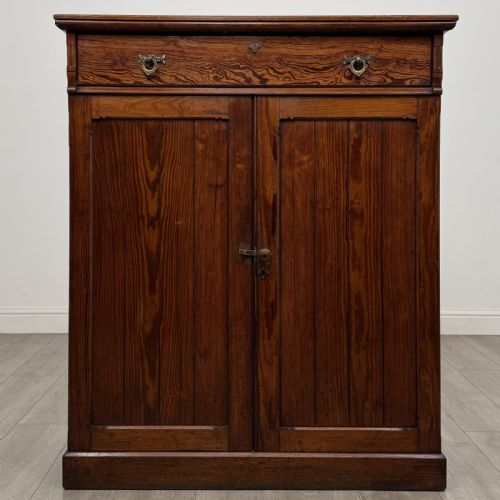
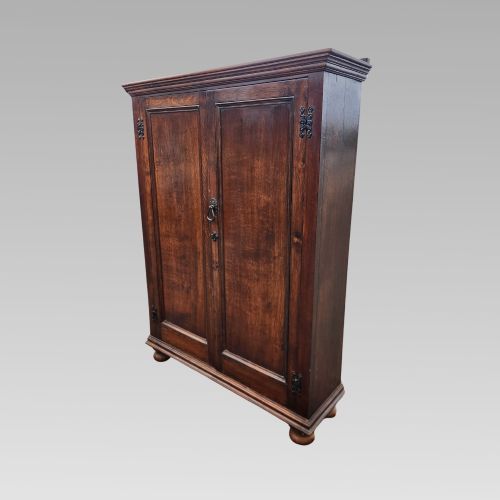
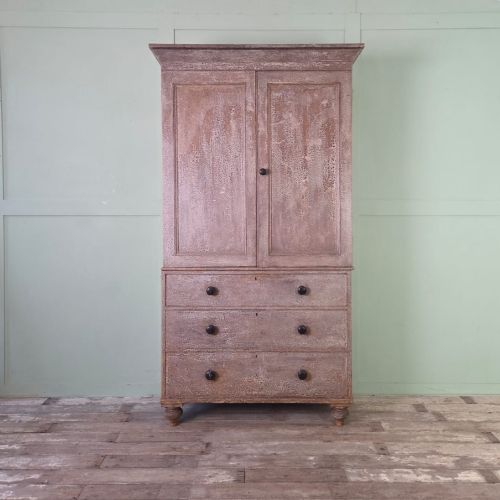
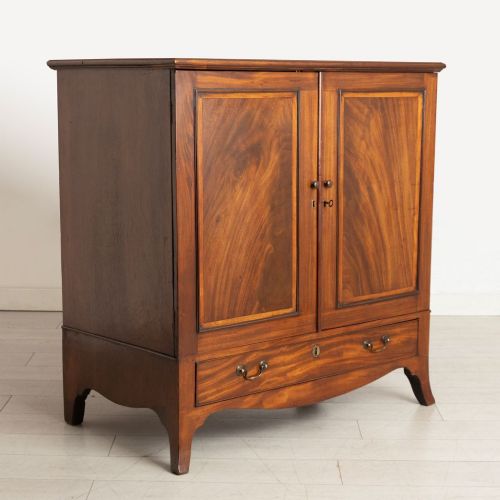
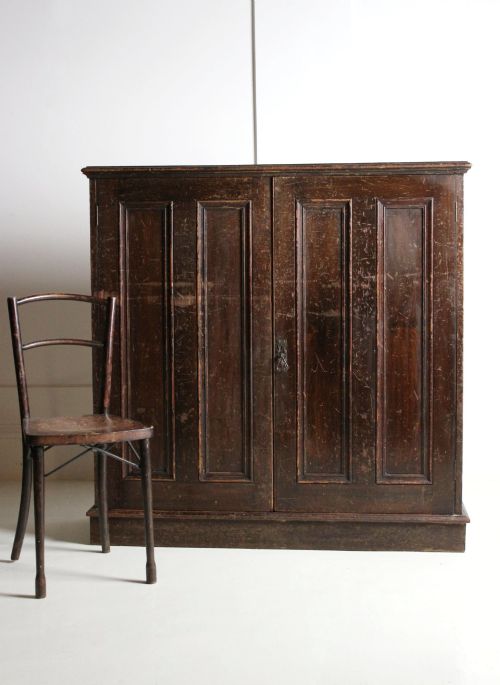
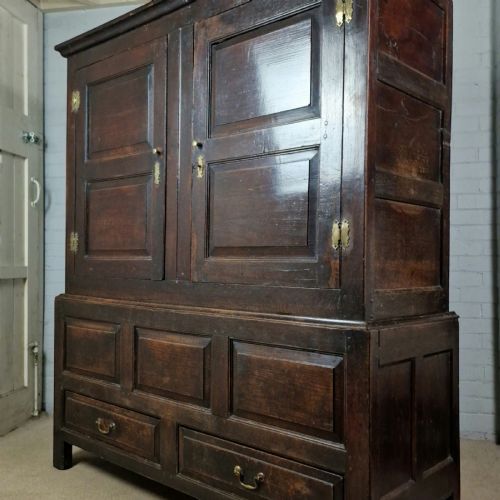
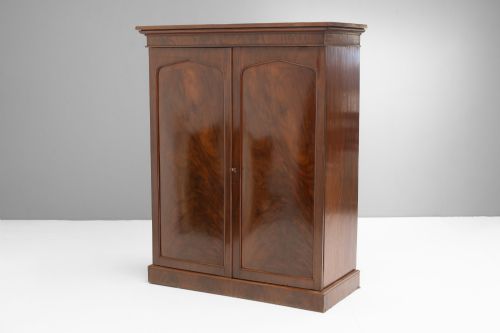
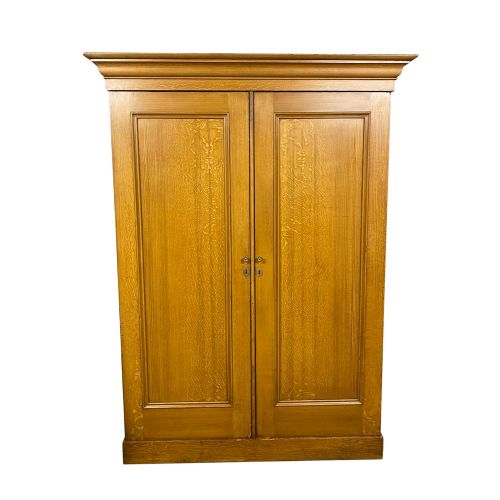
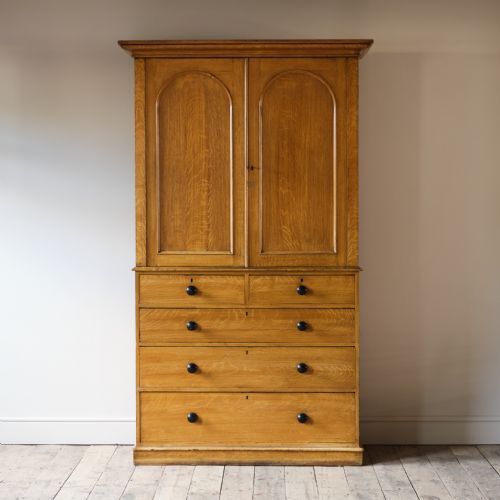
A wooden housekeepers cupboard represents a major piece of domestic utility, historically relied upon for storing household textiles, provisions, and linens. These large cabinets appear primarily across Georgian, Victorian, and nineteenth-century periods, reflecting the storage demands of substantial homes. Buyers encounter diverse regional forms, ranging from English country pine examples to French provincial and Dutch variations.
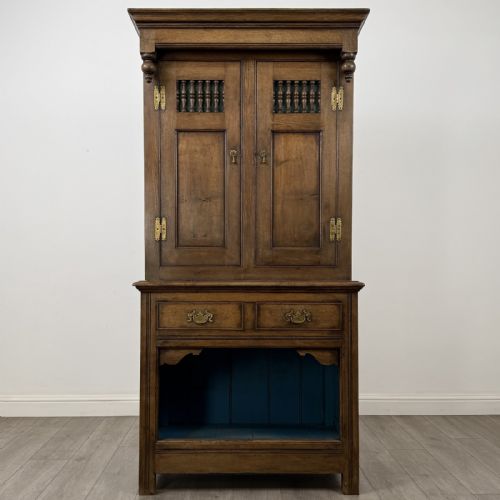
The objects span multiple object types including linen presses, press cupboards, and tall storage cabinets. Pine and oak dominate the surviving examples, often found in original paint finishes, scumble glaze, or waxed surfaces. Such furniture brings authentic period presence and robust utility into modern settings.
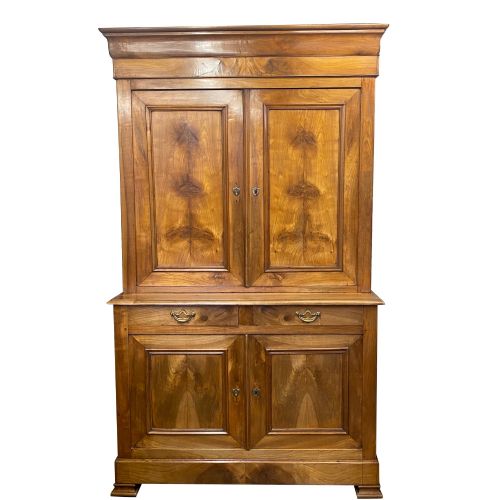
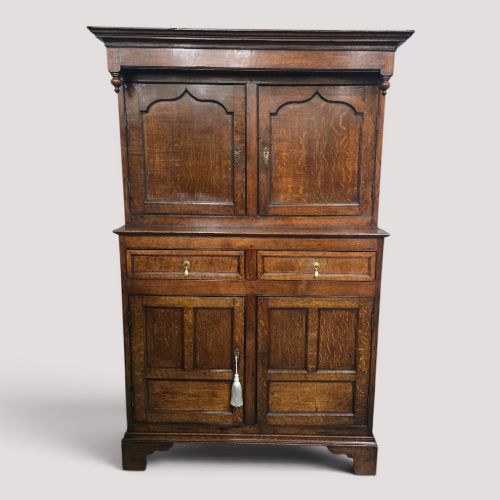
Regional diversity shapes these listings, encompassing English, French, Spanish, Scandinavian, and Italian origins. Buyers frequently meet two-part configurations and tall single or double door formats designed for maximum internal capacity. The structural form remains rooted in practical domestic service rather than courtly display.
How They Were Made
Traditional construction relies on solid timbers such as oak, pine, mahogany, and cherry wood, joined to withstand heavy daily use. Cabinet makers utilised panelled doors, pegged joints, and robust shelving to support substantial household inventories. Brass and iron hardware, including hinges and locking plates, secure the heavy doors.
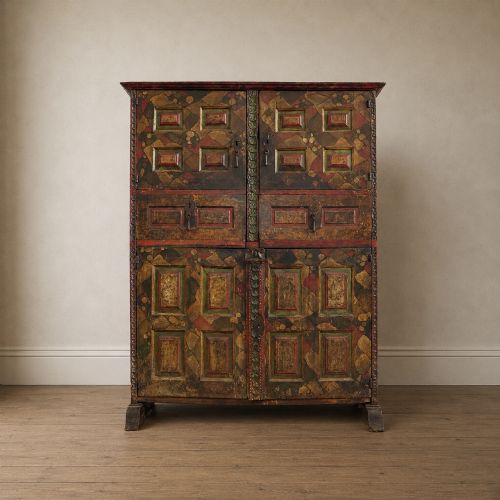
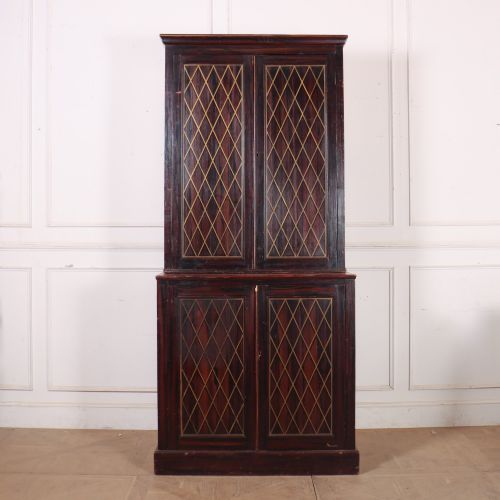
Surface treatments vary widely between natural waxed finishes and decorative layers of paint. Many pine examples retain original painted surfaces, cream finishes, or scumble faux oak paintwork applied during the nineteenth century. Polychrome painted details also appear on continental pieces, showing regional decorative traditions.
Wooden Housekeepers Cupboard Retail Price Guide 2026
Typical asking prices for wooden housekeepers cupboard among the pieces listed under this phrase on Sellingantiques today, from the lower quarter to the upper quarter. They describe what is for sale here now, not the wider market.
Listings feature periods from the 17th century through the Victorian era, utilising pine, oak, mahogany, cherry wood, and painted finishes.
What Varies in Quality
Quality rests upon the integrity of the timber and the survival of original surface treatments like paint, scumble work, or warm wax patination. Superior examples maintain their original internal shelving, hardware, and structural soundness without heavy alterations. The refinement of proportion, from compact single-door units to large two-part linen presses, dictates the visual impact.
The sophistication of regional joinery and decorative elements separates standard utility pieces from exceptional cabinet work. Carved pillar panels, panelled doors, and well-executed cornices demonstrate greater maker skill. Original paint finishes that remain untouched hold distinct character compared to stripped or heavily restored surfaces.
Heals
The Wooden Housekeepers Cupboard Glossary
- Scumble Paint
- A decorative technique involving translucent glaze dragged or textured over a base coat to imitate finer wood grains like oak. This finish protects the softer pine beneath while adding visual depth.
- Court Cupboard
- An antique sideboard or cabinet featuring stacked tiers, often enclosed by doors, used historically for displaying plate and storing provisions. These pieces date to earlier periods such as the seventeenth and eighteenth centuries.
- Cornice
- The ornamental moulding running around the top edge of a large cabinet or press. It finishes the architectural profile of tall storage furniture.
- Polychrome
- Painted or decorated in multiple colours, frequently seen on continental European cabinets. This finish adds vibrant surface pattern to hardwood or softwood structures.
Wooden Housekeepers Cupboard: Frequently Asked Questions
What is a wooden housekeepers cupboard used for?
These large cabinets served domestic staff for storing household linens, blankets, and dry provisions. They provided secure, dust-free organisation in large country houses and domestic quarters.
Today, they function as substantial freestanding wardrobes, larder cupboards, or linen storage in contemporary homes. Their deep shelves and generous interior capacity accommodate modern storage needs while retaining historical character.
How do I date an antique cupboard?
Dating relies on examining the timber species, construction methods, and tool marks visible on the interior boards. Eighteenth-century and earlier pieces often display hand-sawn timber and pegged joinery, whereas nineteenth-century examples show more standardised machine-sawn components.
Paint finishes, hardware styles, and overall proportions also offer strong chronological clues. Regional construction traits help narrow down the geographic origin and period of manufacture.
Are these cupboards made of solid wood?
Surviving period examples utilise solid timbers such as oak, pine, mahogany, cherry, and walnut. Cabinet makers selected these woods for their structural strength and ability to bear heavy domestic loads over centuries.
Secondary woods often appear on interior drawer linings and backboards, consistent with traditional period workshop practices. This solid construction ensures the furniture remains durable and repairable.
Can I paint or wax an unfinished cupboard?
Many listings note pieces sold in raw timber or stripped states specifically prepared for finishing. Buyers can apply traditional beeswax to nourish the wood or paint the exterior to suit modern interior schemes.
Original painted surfaces should be preserved rather than stripped, as untouched historic paint adds considerable character. Waxing raw pine brings out a warm, traditional lustre that deepens with age.