


Wooden Handle Desk
A wooden handle desk brings centuries of cabinetmaking skill to your study, offering practical work surfaces paired with period brass pull hardware.
Wooden Handle Desk
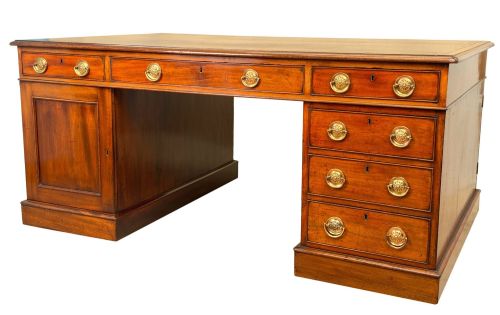
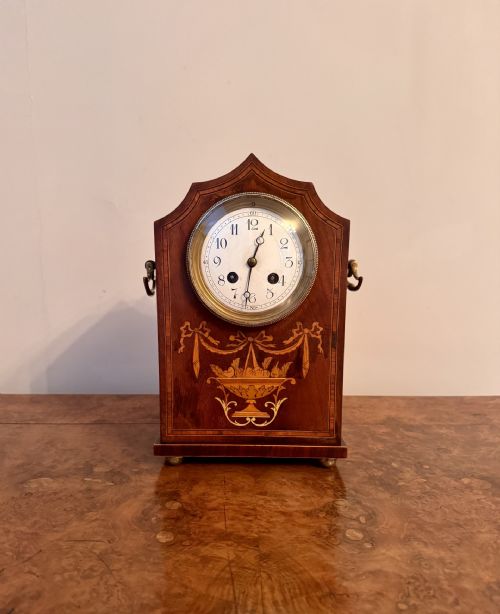
A wooden handle desk gathers varied writing furniture from the eighteenth, nineteenth, and early twentieth centuries, spanning Georgian, Victorian, Edwardian, and Art Deco periods. Buyers seeking a wooden handle desk often encounter pedestal formats, partner desks, and compact writing tables equipped with drawers.
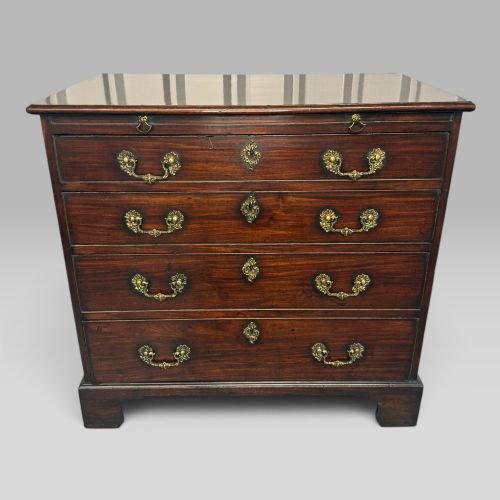
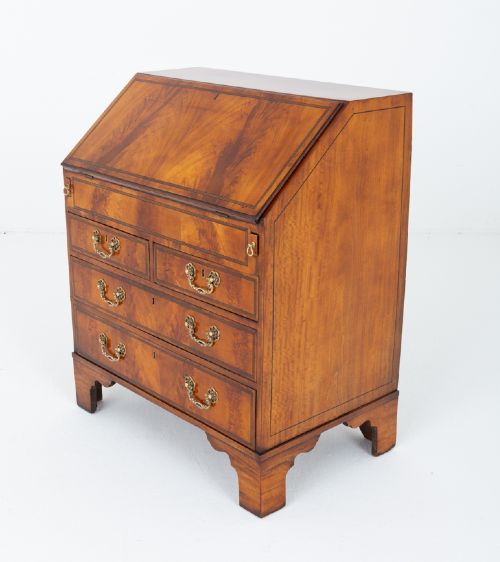
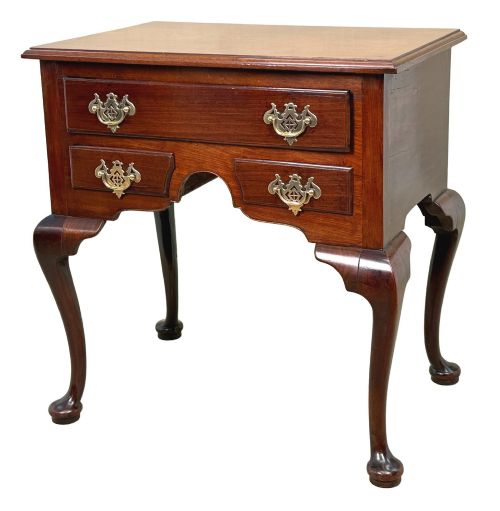
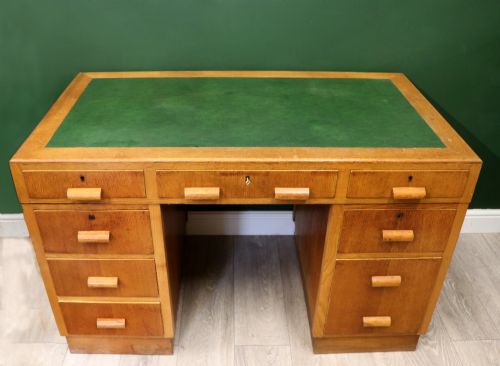
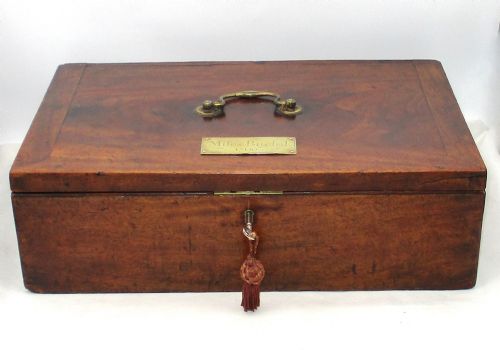
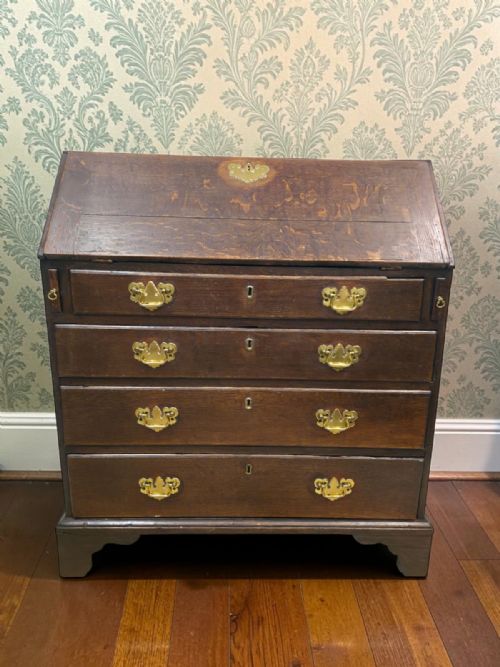
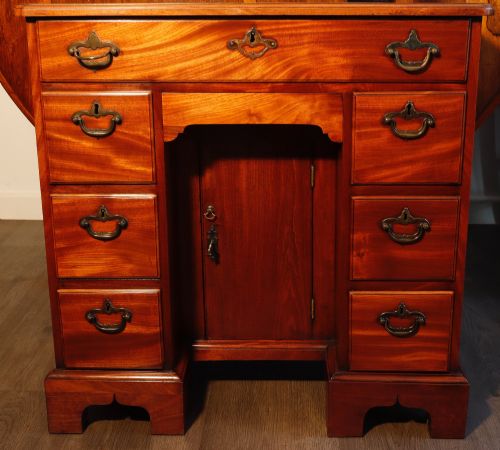
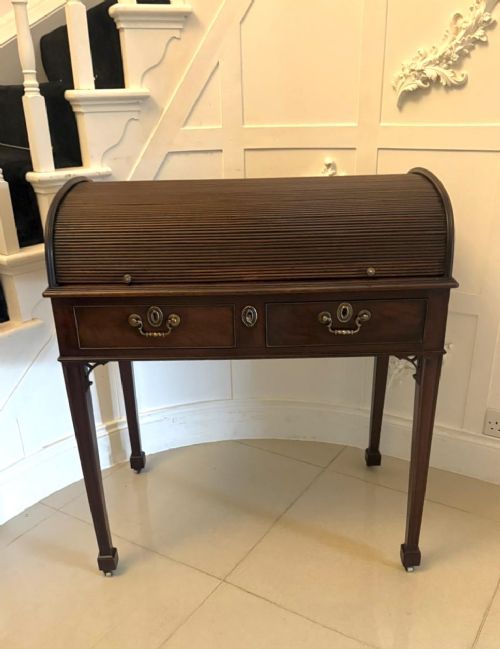
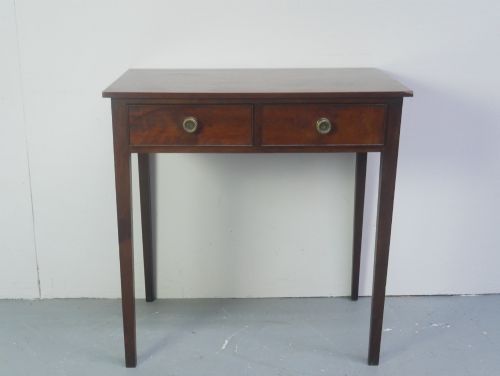
The selection ranges from early mahogany lowboys and fall-front bureaux to light oak twin pedestal office desks and walnut Dickens styles. Side tables, writing slopes, and stationery boxes also appear among the forms, showing how writing implements and paperwork were stored across different eras.
Materials and construction
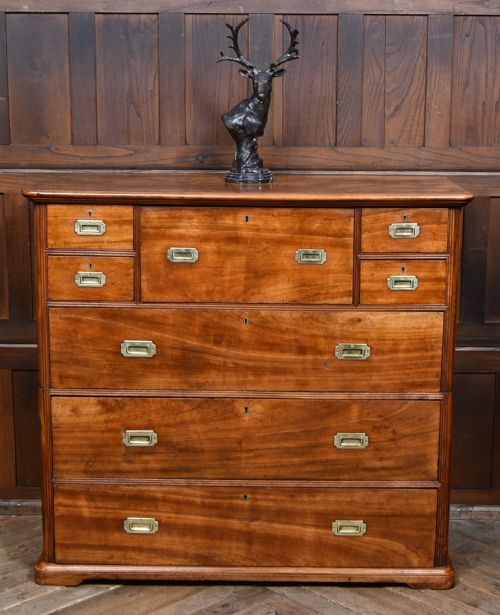
Carpenters built these pieces using dense hardwoods including mahogany, walnut, oak, rosewood, and satinwood, often applying wood veneer over secondary timbers. Brass hardware appears frequently on drawers and campaign fittings, while leather surfaces are inset into writing tops.
Joinery techniques include hand-cut dovetails for drawer construction and secure framing for tambour cylinders and fall fronts. Cabinetmakers matched grain patterns across large surfaces and incorporated galleries, brass drop handles, and locking mechanisms into the final assembly.
Wooden Handle Desk Retail Price Guide 2026
Typical asking prices for wooden handle desk among the pieces listed under this phrase on Sellingantiques today, from the lower quarter to the upper quarter. They describe what is for sale here now, not the wider market.
Listings feature eighteenth and nineteenth-century woods including mahogany, walnut, rosewood, and satinwood alongside Edwardian oak and Art Deco light oak.
Standards of craftsmanship
Quality differentiates through the selection of timber veneers, the precision of dovetail joints, and the integrity of period brass handles. Superior examples maintain original surface finishes and matching hardware across all drawers.
Construction depth shows in the thickness of secondary timbers used inside drawers and the smoothness of sliding mechanisms like tambour cylinders and pull-out writing slides. Maker attribution to established firms also separates standard utility pieces from high-end commissions.
Howard and Sons·Mappin and Webb·Druce and Co
The Wooden Handle Desk Glossary
- Pedestal desk
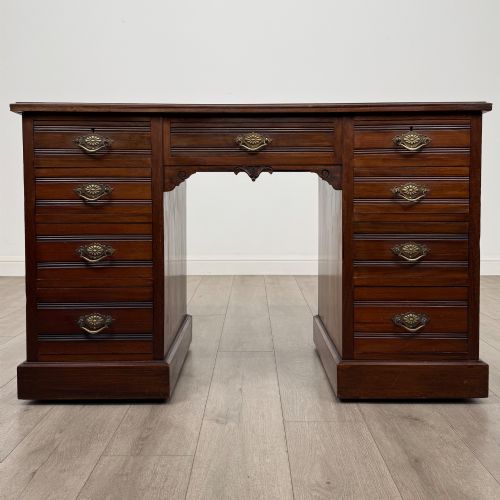
- A heavy writing table supported by two vertical banks of drawers, commonly found in nineteenth-century offices.
- Tambour top
- A flexible covering made of narrow strips of wood glued to canvas, allowing a cylinder desk top to slide open.
- Fall-front bureau
- A writing cabinet featuring a sloping lid that folds down to create a horizontal writing surface over internal compartments.
- Writing slope
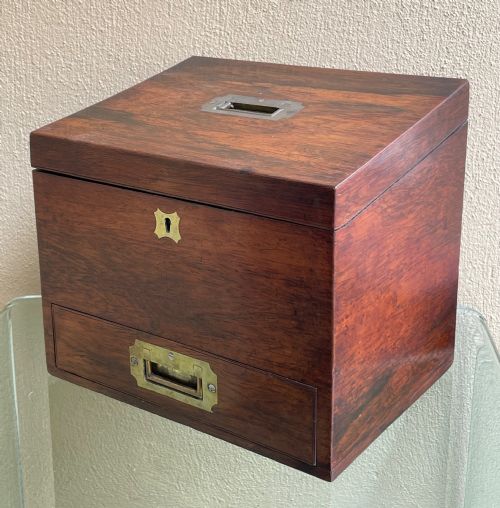
- A portable box with a slanted lid that opens to reveal storage for paper and inkwells.
- Lowboy
- A small eighteenth-century dressing or side table with one or more rows of drawers beneath the top.
Wooden Handle Desk: Frequently Asked Questions
How do I care for a leather desk insert?
Clean the leather surface gently using a dry or barely damp cloth, avoiding harsh chemical cleaners that strip the dye.
Condition the leather periodically with neutral paste wax or specialist leather balm to maintain suppleness and prevent cracking.
Are these desks suitable for daily computer work?
Many period writing desks accommodate laptops and modern stationery, though drawer dimensions inside older bureaux may limit keyboard placement.
Pedestal and partner desks offer generous surface areas and sturdy construction ideal for daily administrative tasks.
How do I identify a Georgian desk?
Georgian pieces rely on solid mahogany or oak, featuring hand-cut dovetailing, solid brass drop handles, and restrained proportions.
Mouldings remain crisp and proportions follow classical architectural rules established during the eighteenth century.
What is a partners desk?
A partners desk provides identical drawer and cupboard configurations on both sides, allowing two people to sit opposite each other.
Cabinetmakers designed these large tables for institutional or shared office use during the nineteenth century.