

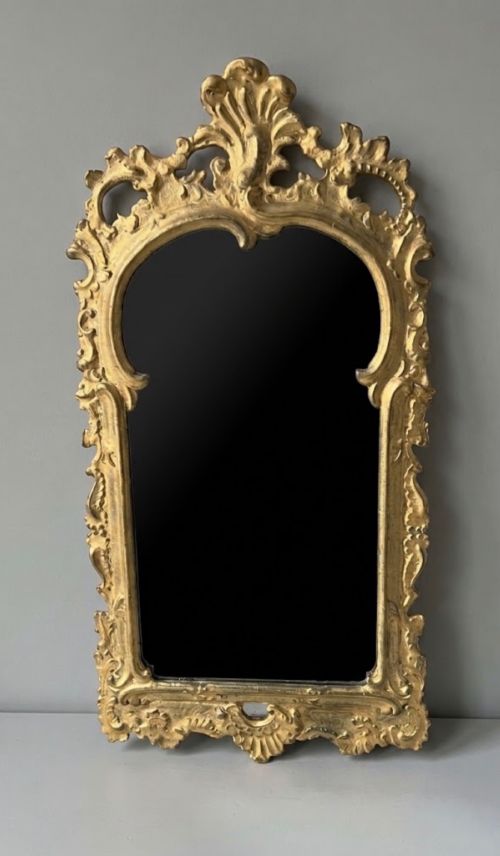
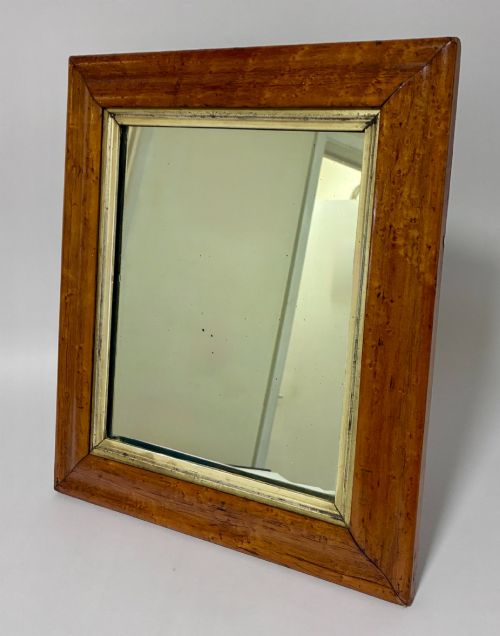
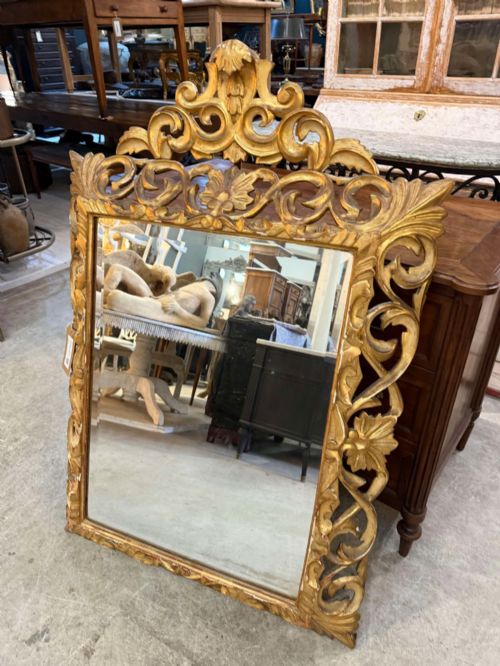
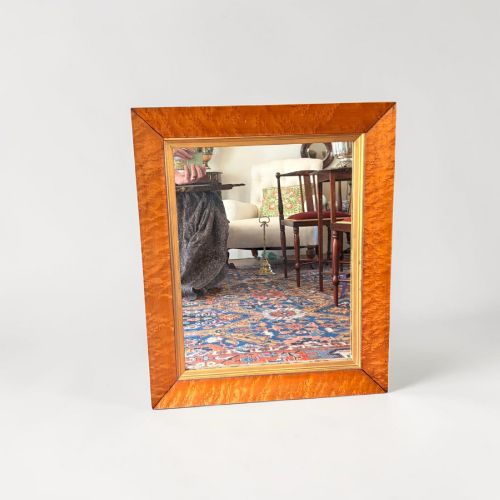

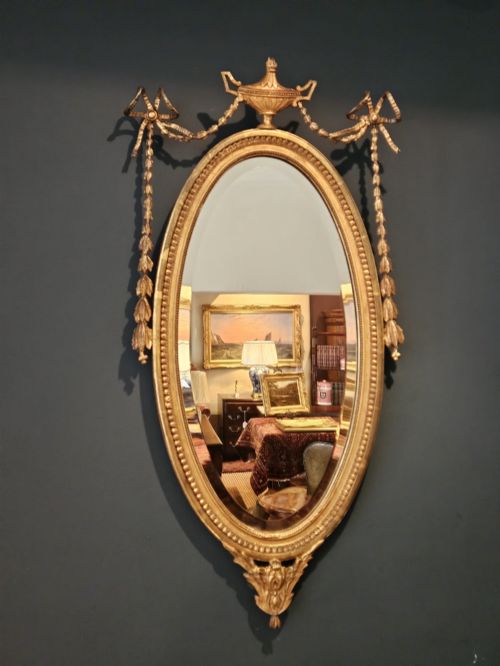
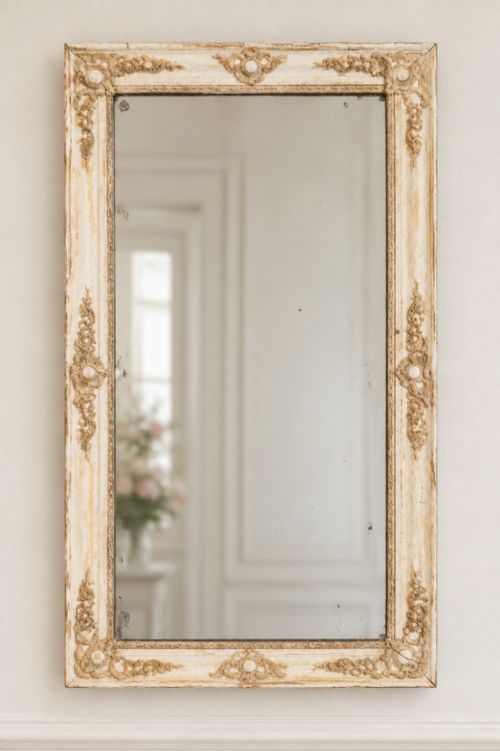
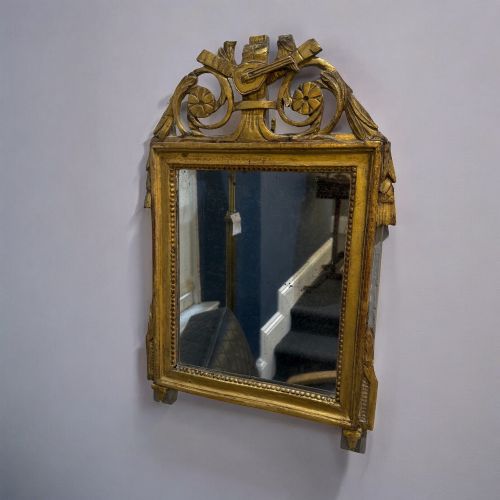
Wooden Gilt Mirror
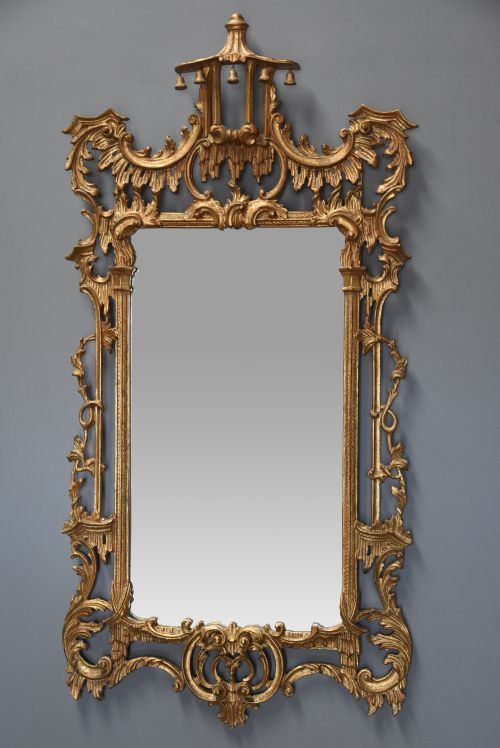
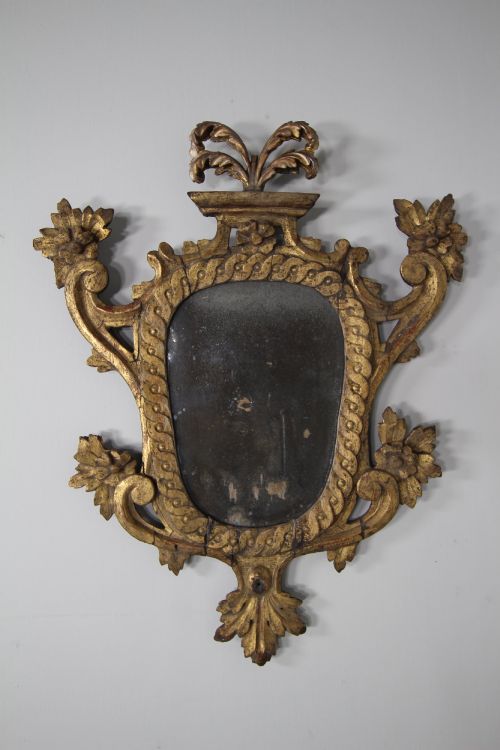
A wooden gilt mirror brings warmth and reflective light to a room through carved timber, gesso, and gold leaf.
Wooden Gilt Mirror
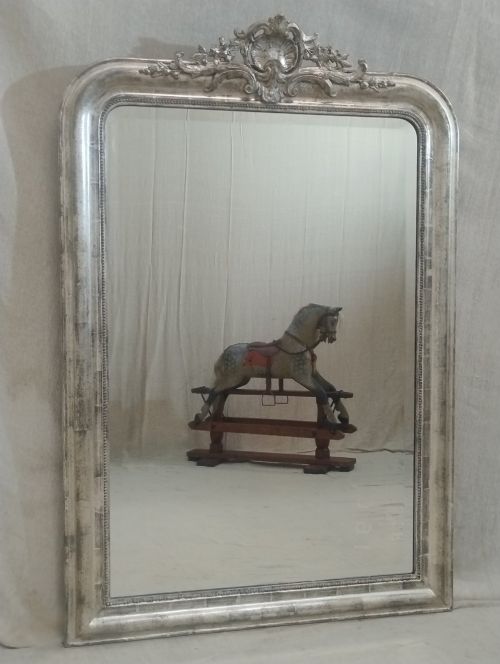
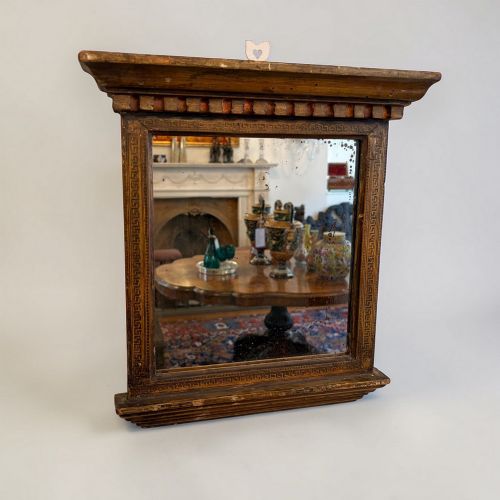
A wooden gilt mirror combines a timber base with a decorative gold surface to create a reflective wall or mantel piece. These items span several centuries, with the nineteenth century heavily represented alongside eighteenth and early twentieth-century examples.
The forms vary widely in scale and purpose. Buyers encounter large overmantel mirrors designed for chimney breasts, smaller wall mirrors with fretwork frames, and easel table mirrors intended for dressing furniture.
How they were made
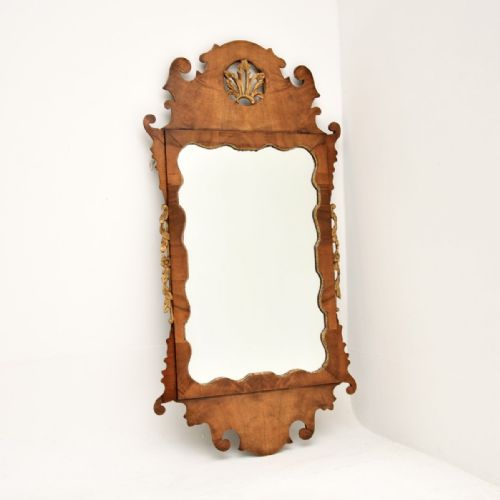
Carpenters and joiners constructed the primary carcass using woods such as mahogany, sycamore, oak, or maple. Some frames incorporate parcel-gilt details where sections of the natural timber grain remain visible beneath thin applications of gold leaf.
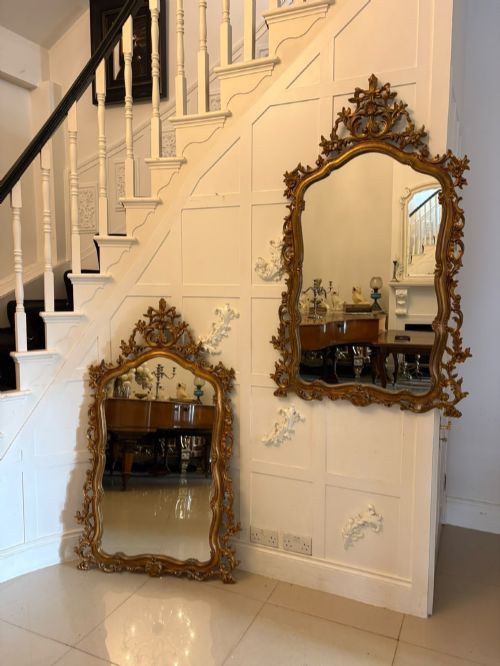
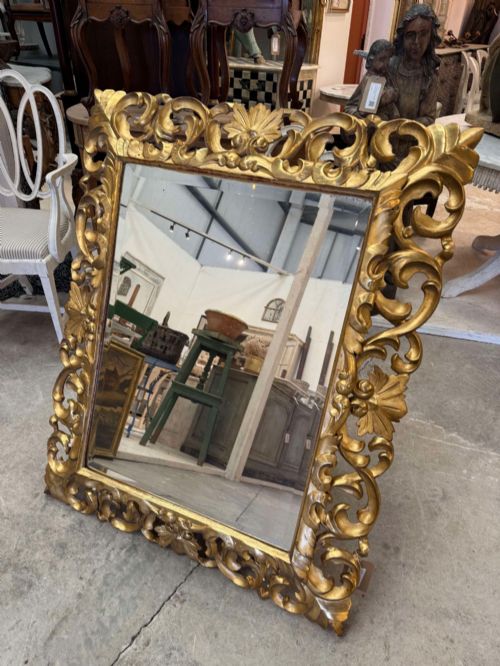
Ornate surface decoration relies on gesso, a plaster-like mixture applied over the wood to receive intricate carved relief work. Artisans then gilded these prepared surfaces using fine gold leaf or silver-gilt.
Glass plates were silvered by hand, occasionally resulting in aged or foxed panels. Later pieces utilise machine-cut mirror glass, sometimes engraved or divided into triple plate configurations.
Wooden Gilt Mirror Retail Price Guide 2026
Typical asking prices for wooden gilt mirror among the pieces listed under this phrase on Sellingantiques today, from the lower quarter to the upper quarter. They describe what is for sale here now, not the wider market.
Listings feature woods including mahogany, sycamore, maple, and oak, combined with gesso and gold leaf across multiple centuries.
What varies in quality
The depth and crispness of the wood carving dictate the visual impact of the frame. Skilled carvers produced undercut foliage, birds, and scrolls with distinct three-dimensional definition, whereas lesser examples rely on flat or moulded gesso.
The integrity of the gilding and the preparation of the gesso ground determine longevity. Superior surfaces retain coherent layers of gold leaf over smooth, well-molded plaster without extensive flaking or careless modern overpainting.
The Wooden Gilt Mirror Glossary
- Gesso
- A mixture of plaster of Paris or chalk with glue, applied to wood as a smooth base for gilding and relief decoration. This material allows artisans to carve intricate surface details before applying gold leaf.
- Giltwood
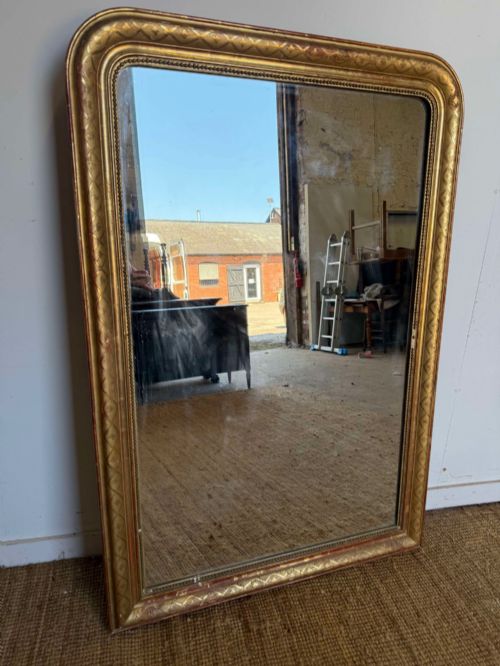
- Timber that has been entirely covered in gold leaf or gold paint. It forms the primary visual structure of classical decorative mirrors.
- Parcel-gilt
- A decorative treatment where only specific portions of a wooden object are gilded, leaving the underlying timber grain exposed elsewhere. This technique highlights particular carved motifs against a natural wood background.
- Fretwork
- Openwork patterns created by cutting designs through thin boards of wood using a fret saw. Georgian and Chippendale style mirrors frequently employ this technique on their outer frames.
- Overmantel mirror
- A large horizontal mirror designed specifically to hang above a fireplace mantelpiece. These pieces often feature landscape formats or elaborate crestings.
- Trumeau mirror
- A decorative wall mirror combined with a painted panel or artwork within a single frame. Originating in French interior design, these pieces often incorporate pastoral scenes above the glass plate.
Wooden Gilt Mirror: Frequently Asked Questions
How do I date a wooden gilt mirror?
Dating relies on examining the construction methods of the timber frame, the composition of the gesso, and the style of the carving. Secondary woods at the back and the characteristics of the glass plate offer further clues to the period of origin.
Revival pieces often replicate earlier eighteenth-century aesthetics during the nineteenth and early twentieth centuries. Checking the joinery helps distinguish a genuine period piece from a later stylistic interpretation.
What is an overmantel mirror used for?
An overmantel mirror is designed to sit directly above a fireplace mantelpiece, filling the vertical wall space and reflecting light around the room. Their generous proportions make them a natural focal point in a reception room.
Historically, placing a mirror above the hearth also helped amplify the light from candles and fires before electricity became common. Today, they serve a similar decorative purpose in living spaces and dining rooms.
How should I clean a giltwood frame?
Cleaning giltwood requires minimal intervention to protect the delicate gold leaf and underlying gesso. Dusting gently with a soft, dry brush prevents accumulation without disturbing the surface.
Avoid using water, liquid cleaners, or chemical polishes, as moisture can dissolve the water-gilding size and lift the gold leaf. Professional conservation is recommended for older frames requiring deeper restoration.
What does parcel-gilt mean?
Parcel-gilt describes an object that is partially covered in gold leaf while leaving other areas exposed. On mirrors, this usually means specific carved details are gilded while the main mahogany or walnut timber remains visible.
This technique creates a contrast between the rich warmth of polished wood and the reflective brilliance of gold. It appears frequently on Georgian and Neoclassical frames.