
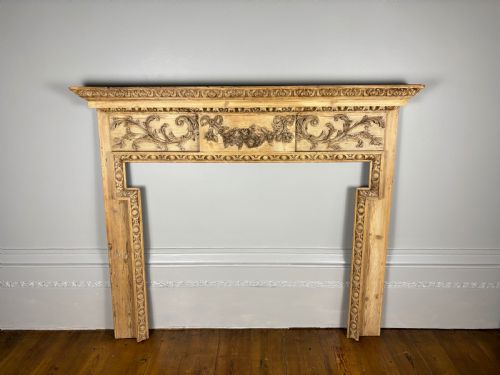


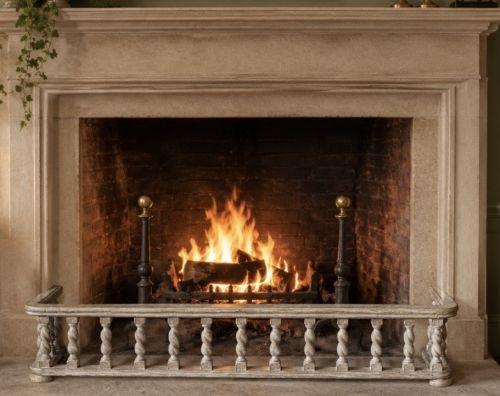


Wooden Fireplace Surround
A wooden fireplace surround anchors a room with period warmth, bringing architectural presence and timber character straight to a hearth.
Wooden Fireplace Surround
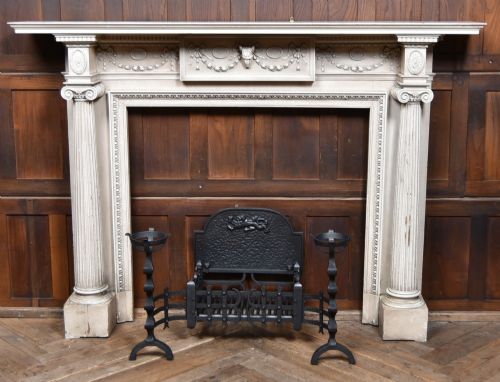
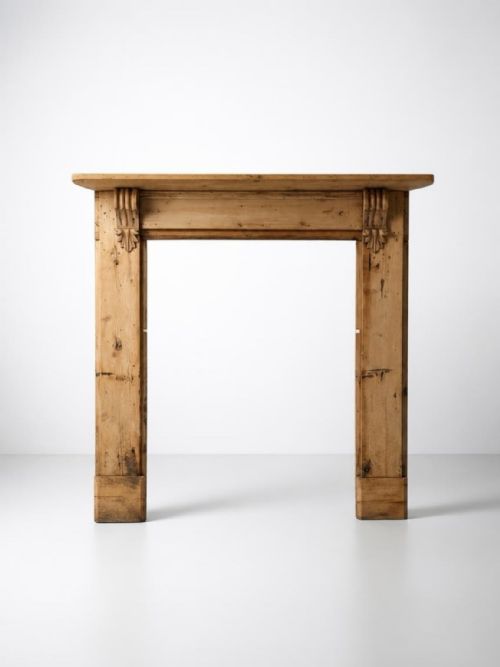
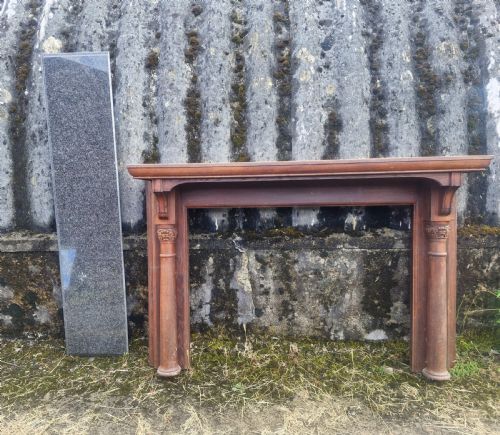
A wooden fireplace surround forms the architectural frame around a hearth, combining mantelpieces and jambs to define a room's focal point. When you search for a wooden fireplace surround, you encounter varied proportions spanning centuries of domestic design.
The selections here range from Georgian pine and gesso mantelpieces to Victorian hand-carved mahogany chimney pieces and Edwardian oak versions. You also find associated architectural salvage pieces such as overmantels and club fenders.
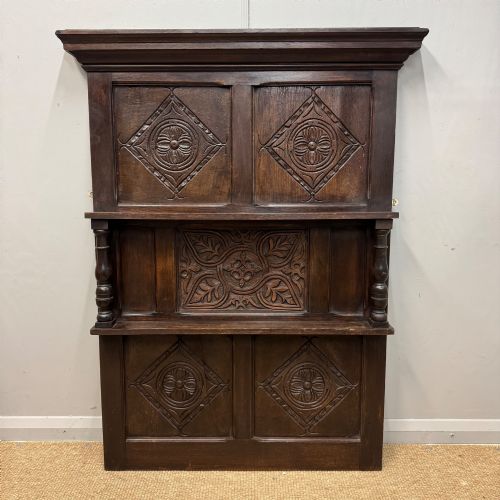
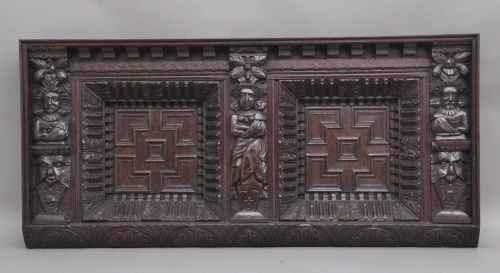
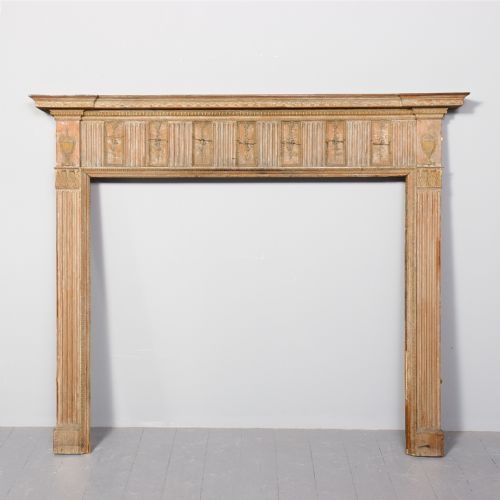
Earlier examples display neoclassical detailing or Jacobean influences, while later pieces adopt Art Deco geometry or Arts and Crafts simplicity. Pine and oak appear frequently, alongside mahogany, elm, and pitch pine.
Materials and construction methods
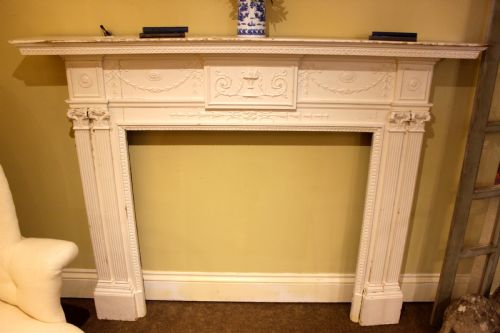
Carpenters shaped these architectural pieces from solid hardwoods like oak and mahogany, or domestic softwoods including pine and pitch pine. Many pine examples received white paint or applied gesso to take intricate moulded decoration.
Craftsmen employed traditional joinery techniques, combining hand-carving with fretwork columns and fielded panels. Selected pieces incorporate contrasting materials such as brass, iron, or granite inserts.
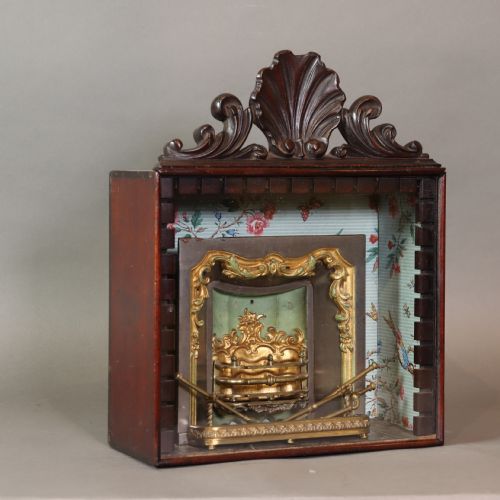
Miniature salesman's samples let travelling craftsmen pitch grand architectural chimney pieces using pocket-sized pine and brass models.
Distinguishing quality in timber surrounds
Superior examples demonstrate depth and crispness in hand-carved ornamentation, where floral swags, columns, or neo-classical motifs retain sharp definition. Lesser pieces rely on simpler machine moulding or coarser application.
The integrity of the timber selection dictates the character of the piece, with dense grain patterns and well-seasoned oak or pine outlasting softer, less stable alternatives. Original surface treatments, whether polychrome paint or polished mahogany, preserve historical authenticity better than unsympathetic modern stripping.
Sir Edwin Lutyens
The Wooden Fireplace Surround Glossary
- Chimneypiece
- An ornate architectural frame surrounding a fireplace opening, encompassing both the mantel and the vertical jambs. This term often describes grander focal points in formal rooms.
- Overmantel
- A decorative panel, mirror, or framework mounted directly above the mantel shelf. It visually links the fireplace to the wall space higher up.
- Club Fender
- A low, padded seat placed around the hearth, traditionally constructed with brass or iron supports and leather squab cushions. They offer fireside seating.
- Gesso
- A plaster-like mixture applied to wood surfaces and carved or moulded into relief decoration before painting or gilding. It appears frequently on Georgian and Regency mantels.
- Fretwork
- Openwork ornamentation cut from thin wood boards using a saw, creating intricate geometric or floral patterns. It adorns friezes and columns on later surrounds.
Wooden Fireplace Surround: Frequently Asked Questions
How do I choose the right size?
Measure the height and width of your internal fire opening first, ensuring the surround's rebate accommodates your hearth dimensions. Check that the exterior proportions complement the scale of your chimney breast.
Account for ceiling height when considering taller chimney pieces or accompanying overmantels. A balanced clearance around the mantel shelf prevents the piece from dominating a smaller room.
Can I paint a wooden surround?
Many historical pine surrounds were originally painted or polychromed to imitate costlier stones or woods. Applying a breathable paint finish suits traditional interiors.
Hardwoods like oak and mahogany were typically polished or waxed to highlight the natural grain. Stripping historic painted finishes risks losing original decorative layers.
How do I date a fireplace surround?
Examine the decorative motifs, such as neoclassical urns and swags on Georgian pieces or geometric lines on Art Deco designs. Construction methods and tool marks on the timber reveal manufacturing eras.
Timber species also offer clues, with pitch pine and fumed oak pointing towards Victorian and Edwardian periods. Secondary woods at the rear often confirm the age of assembled components.
Are club fenders adjustable?
Certain club fenders feature telescopic or modular frames designed to adjust in width and depth. This adaptability assists with fitting them around varied hearth sizes.
Check the mechanical fixings on older brass and iron models to ensure smooth adjustment. Fixed-size fenders require exact measurement of the hearth surround before acquisition.