



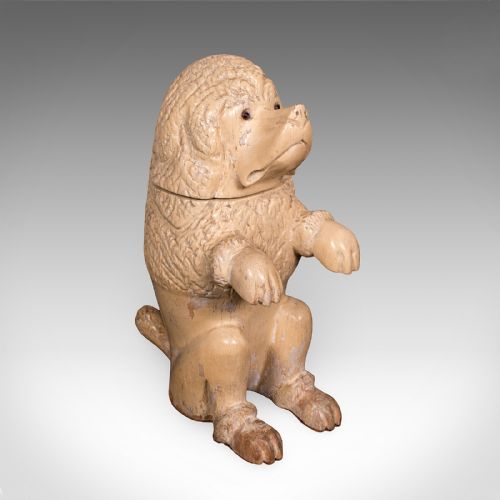

Wooden Figural Carving
These wooden figural carving pieces bring tangible human and animal forms into furniture and object design, capturing centuries of skilled artisan tradition.
Wooden Figural Carving
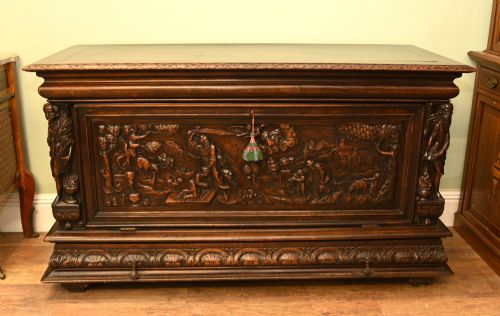
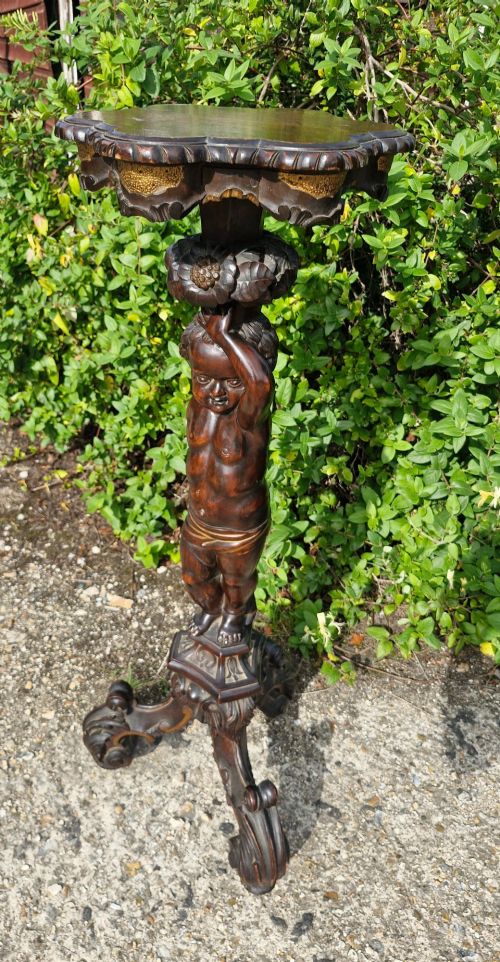
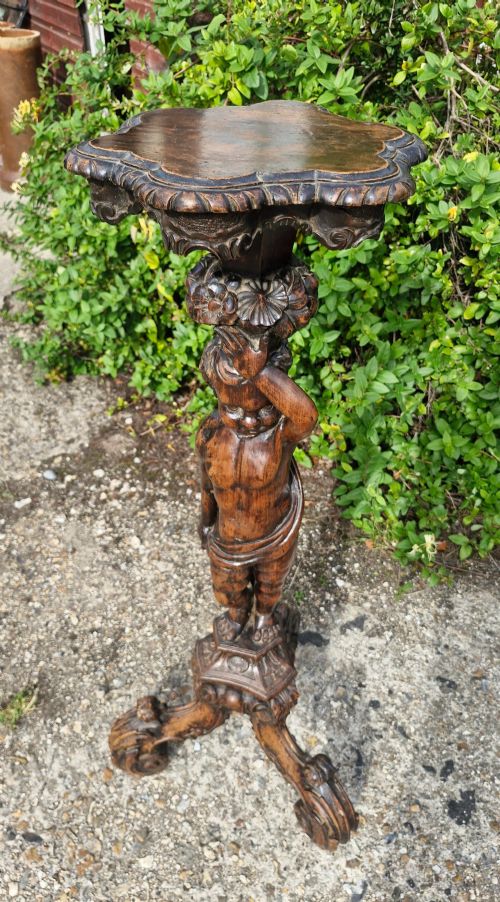
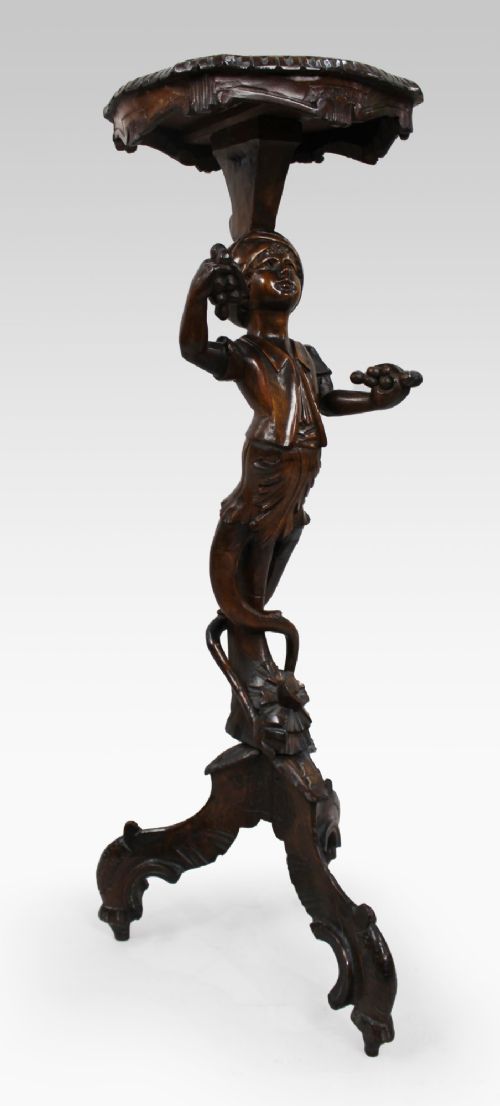
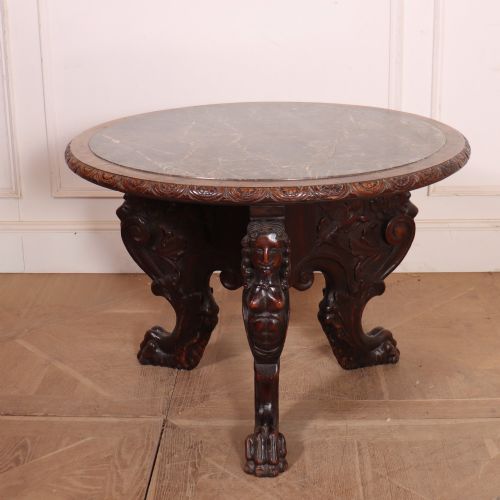
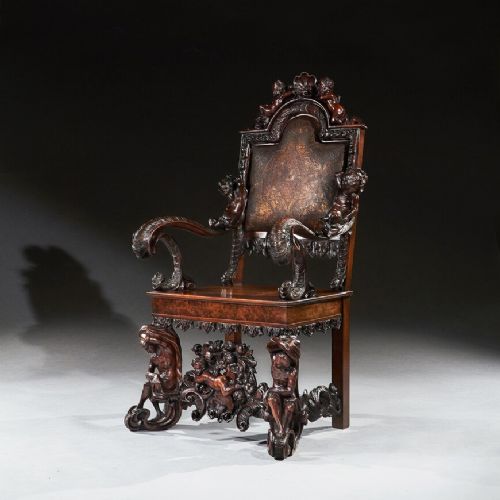
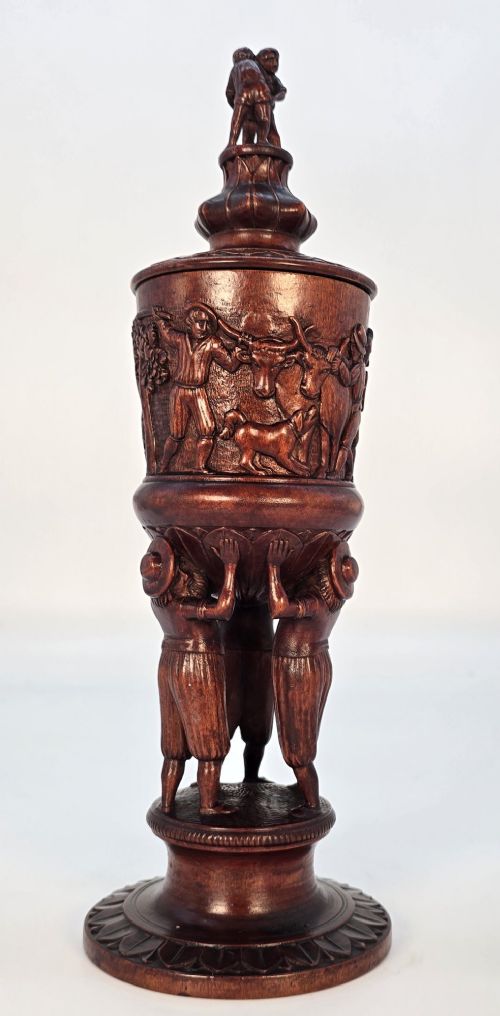
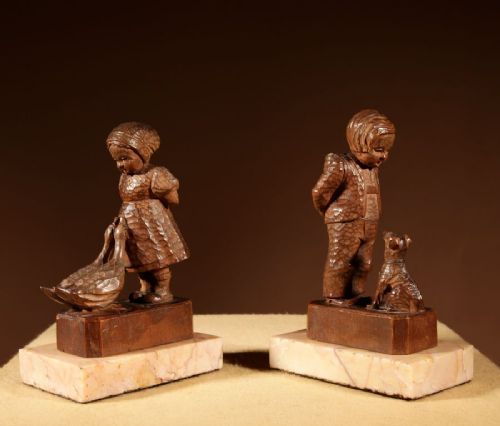
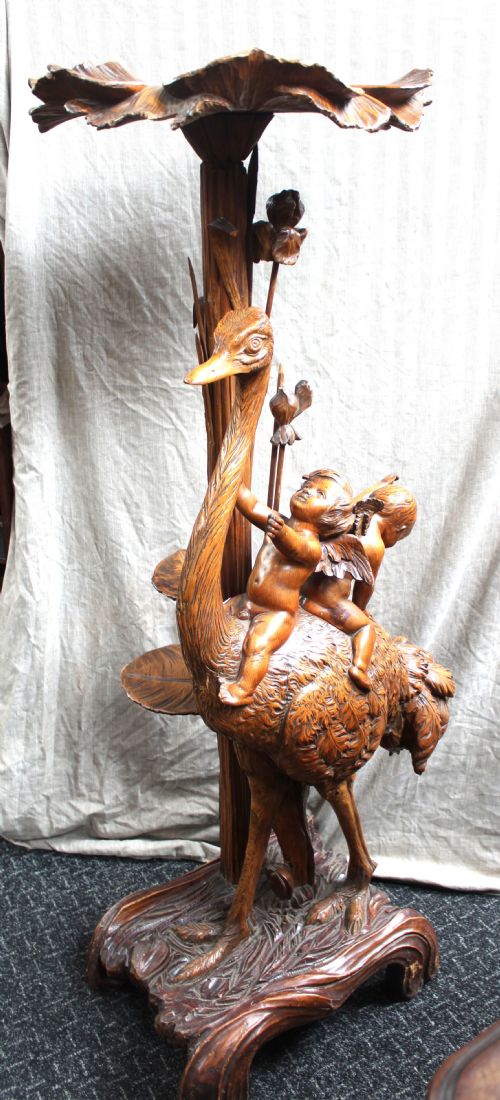
A wooden figural carving selection encompasses diverse functional and decorative objects where human or animal figures form the primary design element. Buyers encounter everything from large architectural pedestals and armchairs to smaller tobacco jars, nutcrackers, and sculptural table lamps.
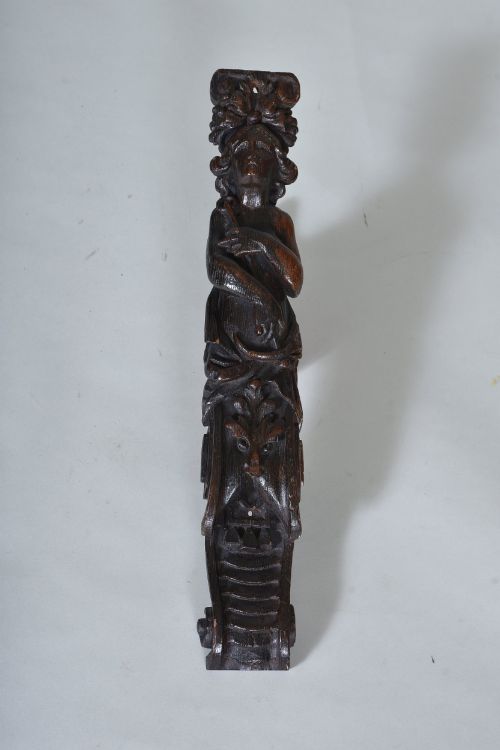
The objects span multiple centuries and regional workshops, drawing heavily on nineteenth-century European production, particularly Swiss Black Forest and Italian Renaissance Revival schools. Pieces range from substantial oak caryatids and walnut stands to intricate fruitwood treen and export items from Asia and Africa.
Materials and Techniques
Carvers predominantly utilised dense timbers that held fine detail, selecting walnut, oak, fruitwood, and linden wood for their specific grain structures and working properties. Artisans employed traditional hand chisels and gouges to undercut drapery, limbs, and facial expressions directly from the solid block.
Surface treatments varied widely according to origin, combining wax polishing with occasional polychrome paint or marquetry inlay. Many European and regional Asian pieces relied entirely on the natural warmth of oiled timber, whilst others integrated mixed media such as glass eyes or bone elements.
Wooden Figural Carving Retail Price Guide 2026
Typical asking prices for wooden figural carving among the pieces listed under this phrase on Sellingantiques today, from the lower quarter to the upper quarter. They describe what is for sale here now, not the wider market.
Craftsmanship and Proportion
Superior examples demonstrate anatomical conviction and confident spatial depth where limbs detach cleanly from the core block without appearing rigid. Lesser pieces often exhibit flat relief work, clumsy proportions, and hasty tool marks that obscure the character of the subject.
Bergen Co
The Wooden Figural Carving Glossary
- Caryatid
- A sculpted human figure acting as an architectural support column or pillar. These figures often appear beneath the cornices of pedestals and cupboards.
- Black Forest
- A nineteenth-century style of intricate wood carving originating in Switzerland, known for realistic animal and figural studies. These objects frequently utilise linden wood and walnut.
- Treen
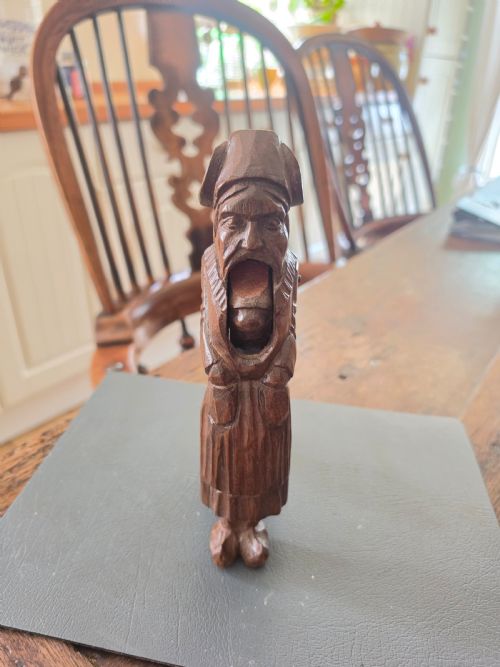
- Small handmade wooden household objects such as boxes, nutcrackers, and tobacco jars. The term covers functional items shaped with considerable decorative skill.
- Renaissance Revival
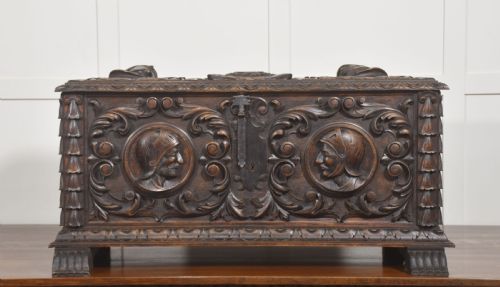
- A nineteenth-century artistic movement drawing inspiration from sixteenth-century Italian and Northern European design. Pieces in this style feature heavy relief carving and architectural motifs.
- Polychrome
- Painted or decorated in several colours. This treatment appears on specific figural stands and decorative figures to highlight costume details.
Wooden Figural Carving: Frequently Asked Questions
What defines a wooden figural carving?
These pieces incorporate sculpted human, animal, or mythical figures into the structure or decoration of furniture, lamps, and decorative objects. They range from small tabletop nutcrackers to life-size architectural pedestals.
Craftsmen carved them directly from hardwoods like walnut, oak, and fruitwood to serve both practical and ornamental purposes within domestic interiors.
How do I care for antique carved wood?
Keep wooden pieces away from direct heat sources and strong sunlight to prevent the timber from drying out and splitting over time. Gentle dusting with a dry microfibre cloth protects the fine crevices of the carving.
Apply a light application of traditional beeswax polish occasionally to nourish the grain and maintain the natural lustre of the surface.
How do I distinguish Black Forest carvings?
Swiss Black Forest pieces typically feature deeply textured fur, feathers, and realistic animal or human subjects rendered in linden wood or walnut. They often take the form of functional items like clocks, nutcrackers, and lidded chalices.
The carving style prioritises naturalism and narrative charm, frequently depicting bears, dogs, or children engaged in daily activities.
Where were figural furniture supports placed?
Figures acting as structural supports, such as caryatids or Atlas figures, usually sit beneath the corners of table tops, armchairs, and cabinets. They bear the visual weight of the object while displaying sculptural mastery.
Placing these pieces where side lighting can strike the carved surfaces helps emphasise the depth and detail of the woodwork.