


Wooden Extension Dining Table
A wooden extension dining table brings versatility to a room, offering room for family gatherings while keeping a manageable daily footprint.
Wooden Extension Dining Table
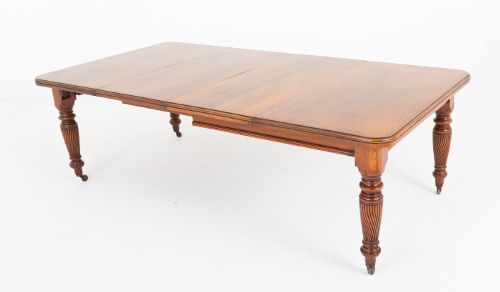
A wooden extension dining table provides practical scale for everyday dining while offering expandable surface area when hosting guests. When searching for a wooden extension dining table, buyers meet various functional mechanisms designed to alter the table length.
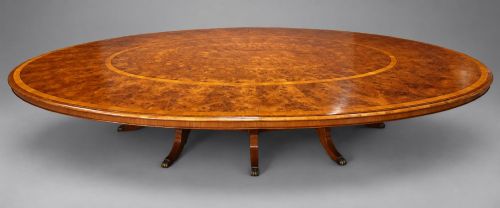
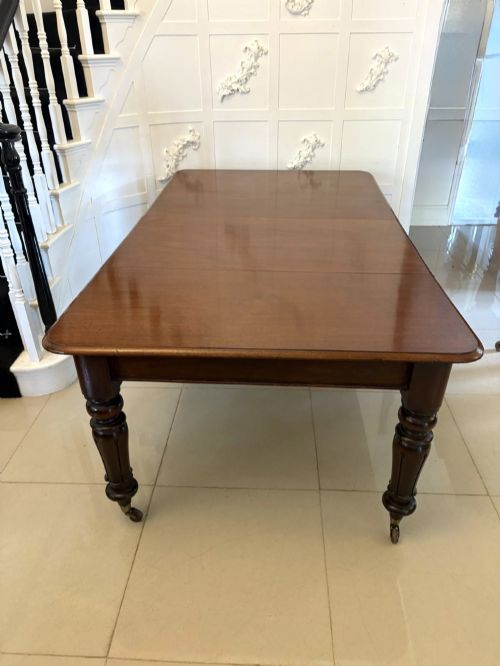
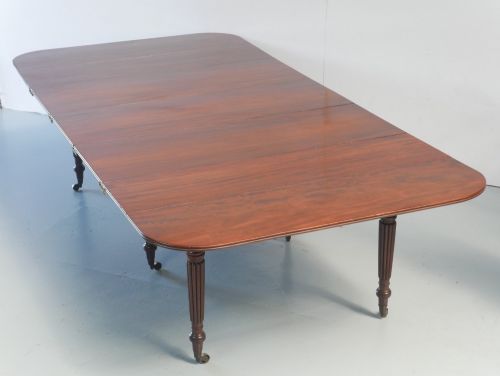
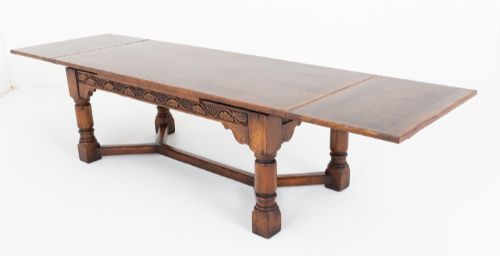
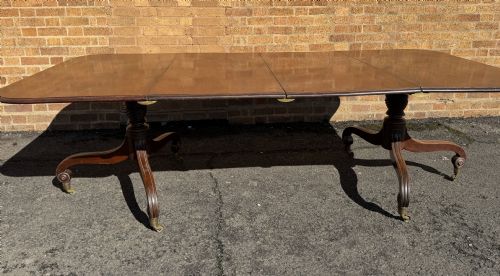
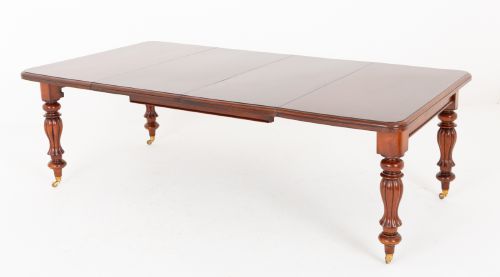
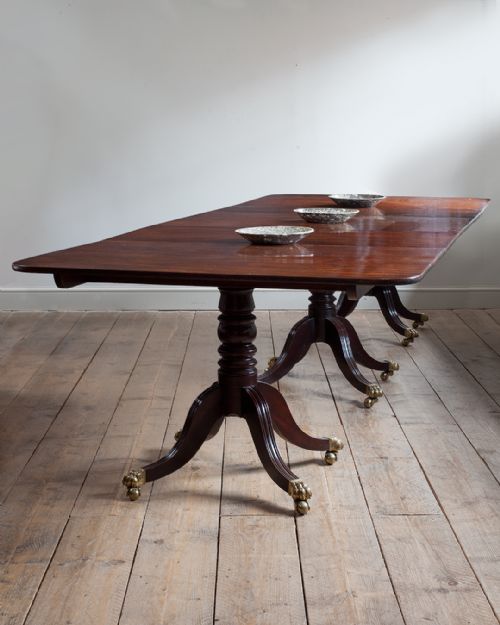
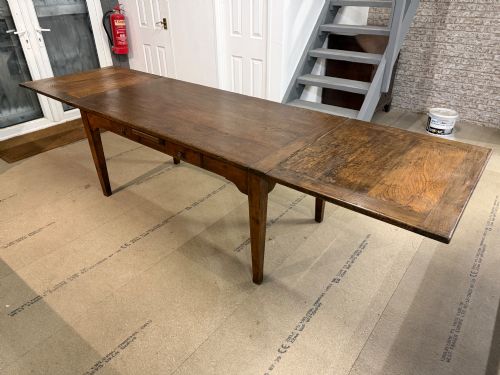
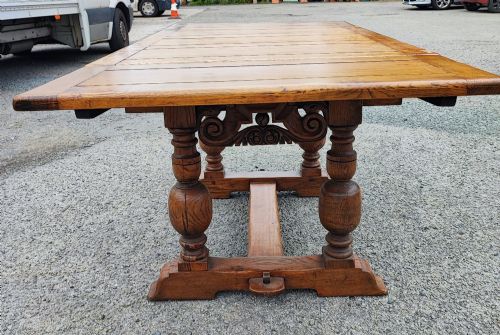
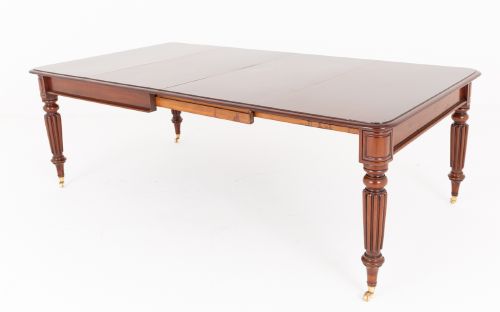
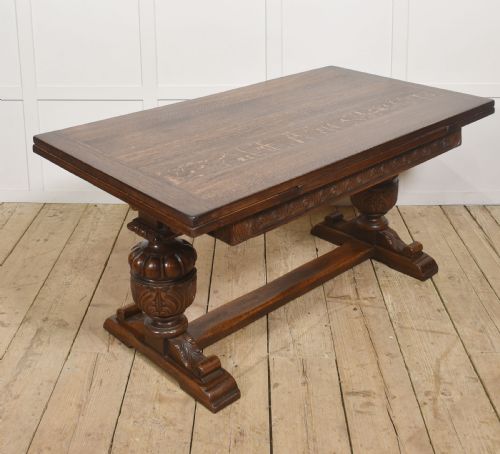
The pieces listed here span several centuries and styles, ranging from early oak draw leaf examples to twin-pillar mahogany tables from the Regency period. Nineteenth-century mahogany wind-out tables and Edwardian oak designs appear frequently among the selection.
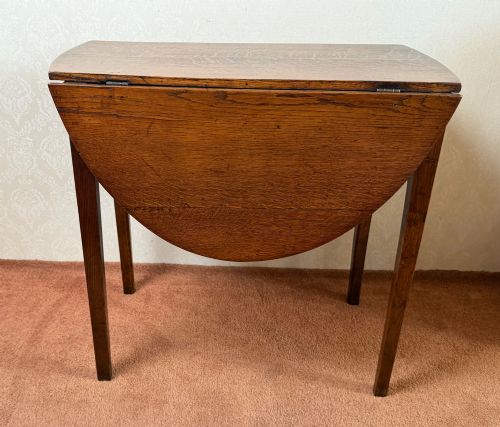
Makers utilised traditional forms such as refectory, pedestal, and gateleg bases to support the leaves. These surfaces accommodate different household sizes through drop leaves, pull-out extensions, or removable leaves.
Assessing Quality
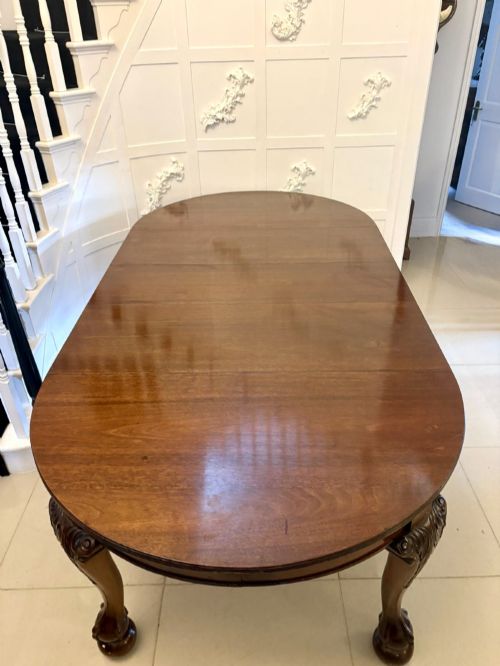
Quality rests upon the selection of timber, particularly the grain figuration in mahogany and walnut surfaces. Superior examples demonstrate careful matching of wood veneers across added leaves and main tabletops.
Mechanical precision dictates the success of an extension system, separating robust, smooth-running draw leaves or wind-out screws from rigid or binding alternatives. Solid brass components and stable pedestal bases indicate higher tier production.
Wooden Extension Dining Table Retail Price Guide 2026
Typical asking prices for wooden extension dining table among the pieces listed under this phrase on Sellingantiques today, from the lower quarter to the upper quarter. They describe what is for sale here now, not the wider market.
Periods represented span from the 17th century through the Regency, Victorian, and Edwardian eras up to the 1930s.
The Wooden Extension Dining Table Glossary
- Draw leaf
- A table design featuring leaves stored beneath the main top that pull out to extend the surface length. This mechanism appears frequently in oak dining furniture.
- Wind-out table
- A mechanical dining table operated by a handle that turns an internal screw mechanism to part the top and insert leaves. This innovation gained popularity during the nineteenth century.
- Pedestal table
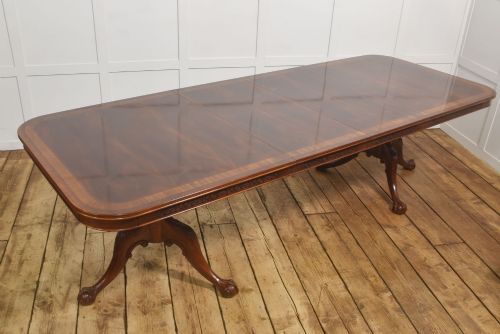
- A table supported by one or more central pillars rather than four corner legs. These columns frequently stand on brass castors.
- Gateleg table
- A drop-leaf table where hinged legs swing out like a gate to support the folded leaves. Early examples date to the seventeenth century.
- Refectory table
- A long, narrow dining table traditionally used in communal halls. Examples in oak often feature stretcher bases.
Wooden Extension Dining Table: Frequently Asked Questions
How do wind-out extension tables operate?
Wind-out tables use an internal metal screw mechanism operated by a detachable handle. Turning the handle parts the table halves to create a gap for insertion leaves.
Once the leaves drop into place, the mechanism winds backward to secure the top firmly together.
What is a draw leaf table?
A draw leaf table conceals two additional leaves beneath the main surface. To extend the table, the main top lifts slightly while the leaves pull out from each end.
As the leaves slide into position, the main top drops back down to lock them flush with the surface.
How do I care for a mahogany dining table?
Mahogany surfaces require protection from direct sunlight to prevent the timber colour from fading unevenly. Regular dusting with a soft cloth maintains the polished finish.
Applying wax polish periodically nourishes the wood and helps guard against moisture marks.
Are pedestal tables stable when extended?
Pedestal tables rely on heavy pillar bases, often fitted with splayed legs and brass castors, to distribute weight evenly. Multiple pedestal configurations provide additional support for longer tops.
Properly maintained internal runners and sturdy pillar joints ensure stability during daily use.