





Antique Double Extending Table
An antique double extending table offers versatile dining space, bringing period craftsmanship and rich timber into the home.
Antique Double Extending Table
An antique double extending table provides adaptable surface area for dining rooms, shifting effortlessly from everyday meals to larger gatherings. When searching for an antique double extending table, buyers encounter robust nineteenth-century designs alongside earlier Georgian-style and Regency pieces.
The selections span distinct historical eras, featuring nineteenth-century examples, Regency creations, and rustic farmhouse interpretations. Mahogany remains the dominant timber, though oak and cherry wood versions appear frequently across the inventory.
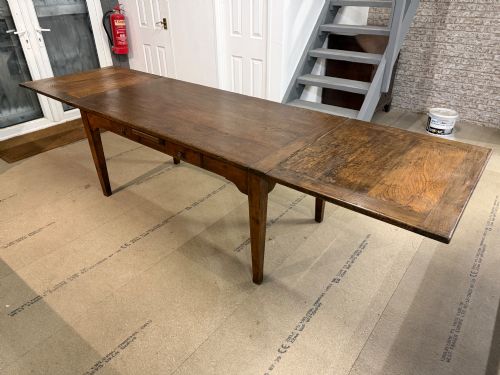
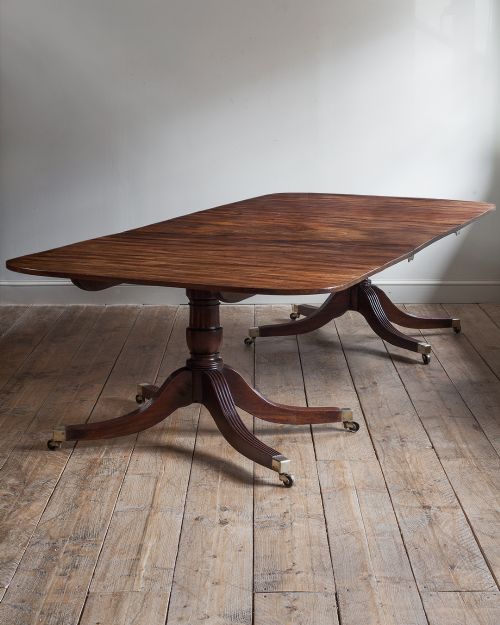
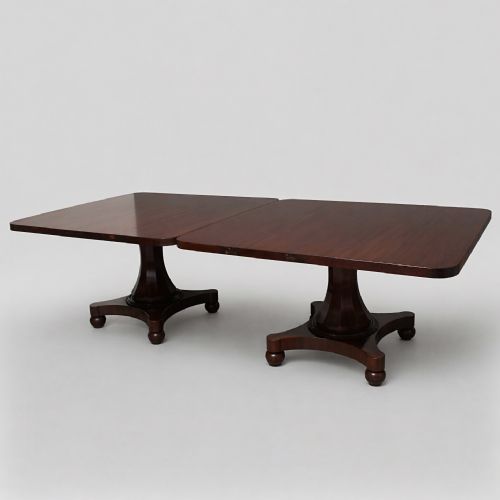
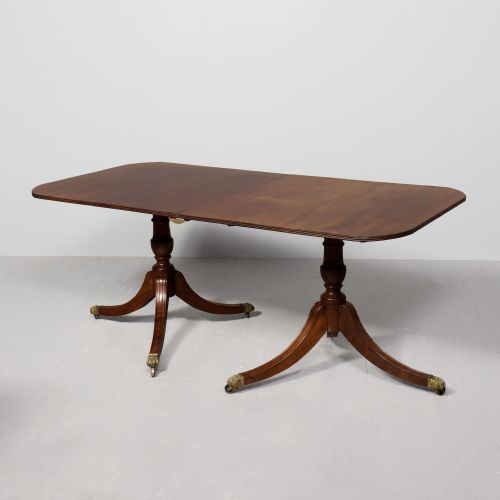
Most pieces on display utilise twin pillar pedestals or draw-leaf mechanisms to achieve their extended length. Buyers will find that these functional dining tables combine practical engineering with traditional cabinet-making materials.
Materials and construction
Cabinet-makers relied primarily on dense timbers such as mahogany, oak, and cherry wood to build durable dining furniture. These woods provided the structural strength required for extending mechanisms and heavy daily use.
Metal components like brass hardware supported the sliding actions and pedestal fittings on double pillar tables. Joinery techniques ensured that leaves and draw-leaves operated smoothly without compromising the stability of the main frame.
Antique Double Extending Table Retail Price Guide 2026
Typical asking prices for double extending table among the pieces listed under this phrase on Sellingantiques today, from the lower quarter to the upper quarter. They describe what is for sale here now, not the wider market.
A surprise bread slide built into a cherry table proves that ancestors took their toast as seriously as their dinner parties.
Markers of distinction
Quality rests in the choice of timber and the precision of the extending mechanism. Superior examples feature figured mahogany or well-selected cherry wood with consistent grain patterns across all added leaves.
The execution of pedestal carvings and the smoothness of the draw-leaf action distinguish finer workshops from standard production. A well-constructed table maintains rigidity and alignment whether fully closed or extended to its maximum capacity.
The Antique Double Extending Table Glossary
- Double extending
- A mechanical arrangement allowing a table to increase in length from both ends or via multiple central leaves. This system accommodates variable seating numbers.
- Pedestal
- A central column support resting on a branched base, commonly used in twin pillar dining tables. It removes the need for corner legs and maximises legroom.
- Draw-leaf
- A table design where extra leaves slide out from beneath the main top surface. They drop into place with minimal effort.
- Mahogany
- A durable, reddish-brown tropical hardwood favoured by cabinet-makers for its rich grain and stability. It forms the primary material for Regency and Georgian dining furniture.
- Bread slide
- A pull-out wooden shelf historically used for cooling baked goods or extending surface workspace. It appears on select period dining tables.
Antique Double Extending Table: Frequently Asked Questions
How do double extending tables work?
These tables utilise internal runners, draw-leaves, or removable centre sections to expand the surface area. Users pull the ends apart or slide concealed leaves out from beneath the main top.
Once extended, additional leaves drop or lock securely into the central gap to create a smooth, continuous dining surface.
What rooms suit a twin pedestal table?
Twin pedestal dining tables fit well in formal dining rooms and spacious open-plan kitchens. The central pillar arrangement prevents table legs from interfering with diner seating positions.
Measuring the surrounding floor space ensures chairs pull out comfortably when the table reaches its full extended length.
How do I care for mahogany timber?
Mahogany surfaces respond best to regular dusting with a soft, dry cloth and occasional treatment with quality beeswax. Avoiding direct sunlight and extreme temperature shifts protects the polished finish from fading or cracking.
Using coasters and placemats safeguards the historical wood against moisture rings and heat marks during everyday dining.
How can I identify a Regency style table?
Regency and Regency-style tables typically feature bold mahogany grain, twin pedestal bases, and sometimes brass paw feet or castors. Proportions tend to be classical, drawing inspiration from classical Greek and Roman architecture.
Looking beneath the top reveals traditional joinery methods and the presence of original or replacement leaf-locking brackets.