
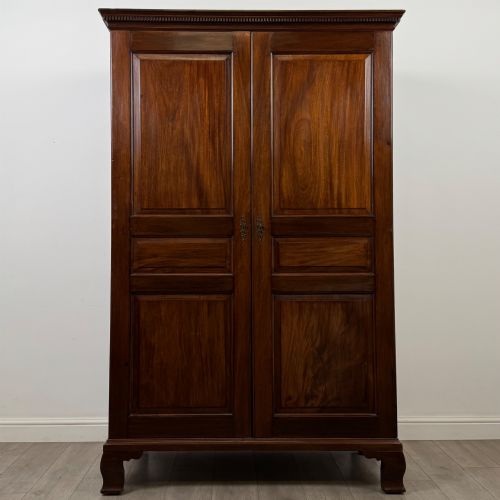
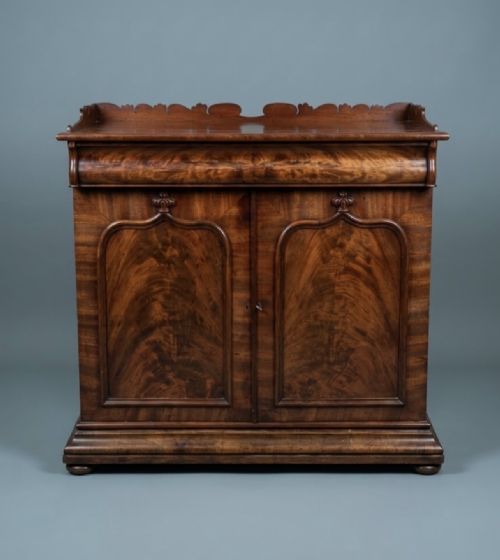
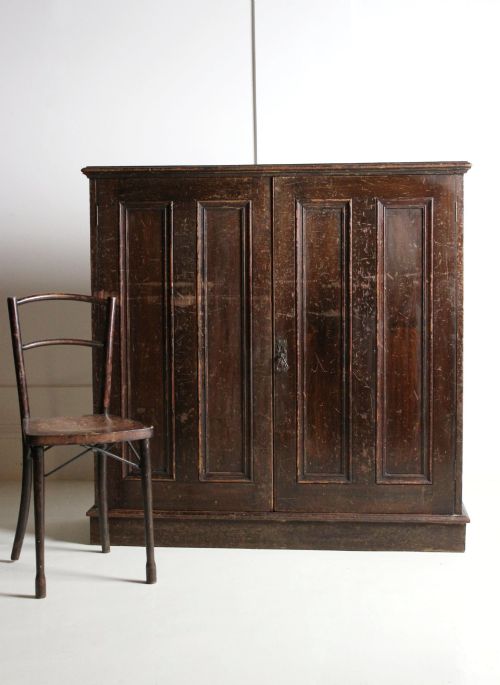
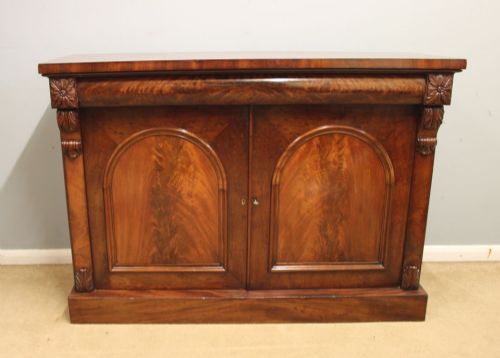
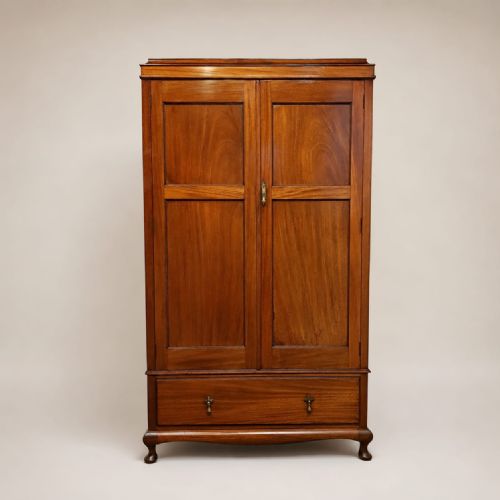
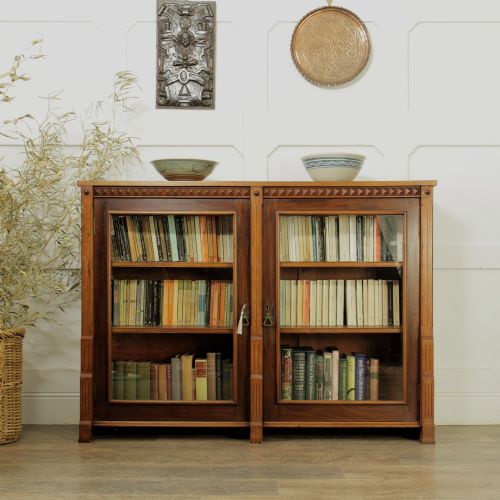
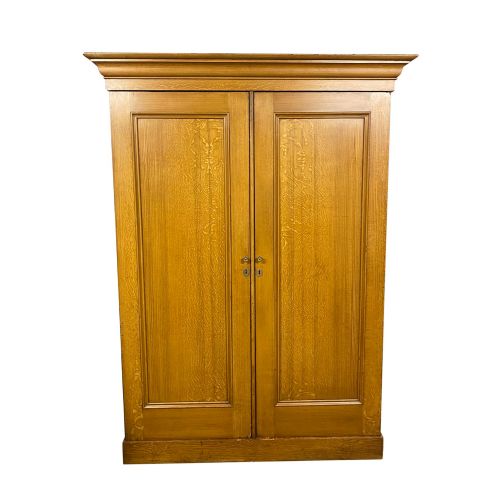
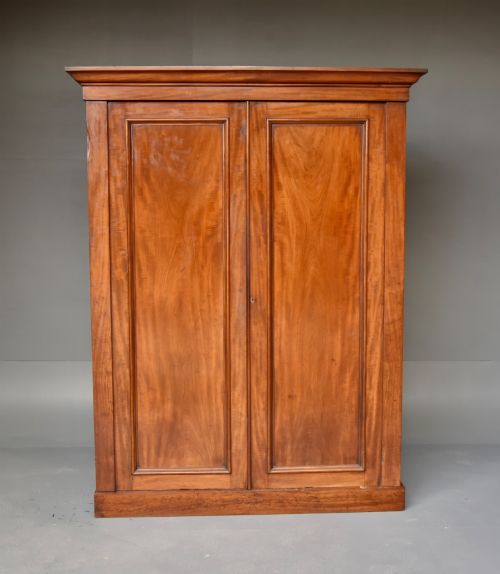
Wooden Double Doors
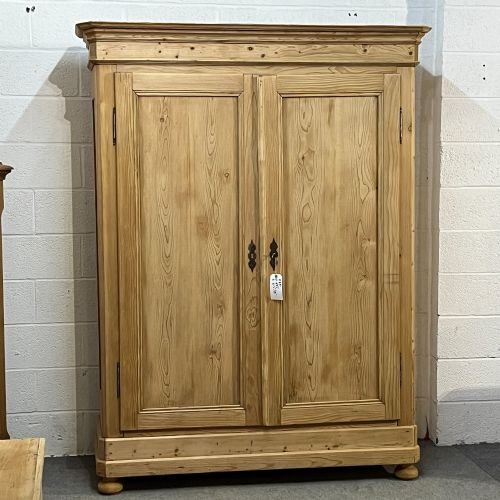
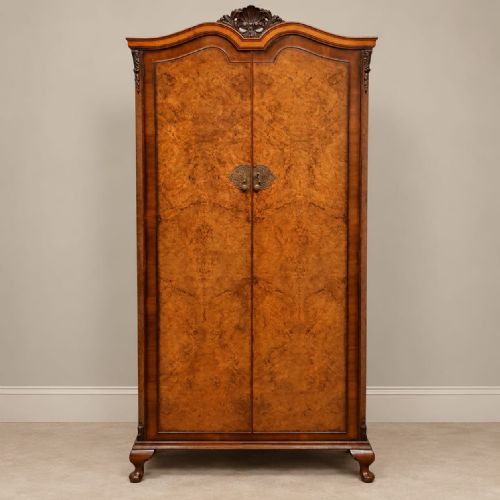
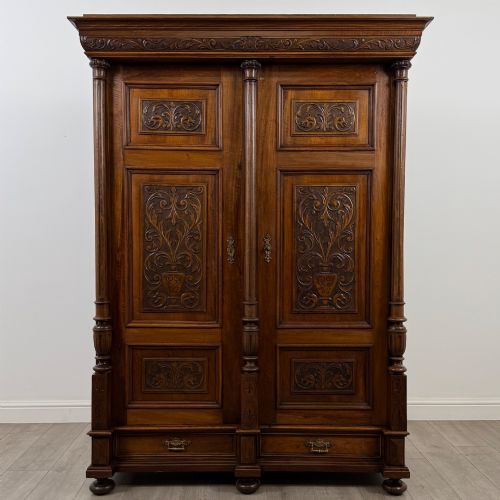
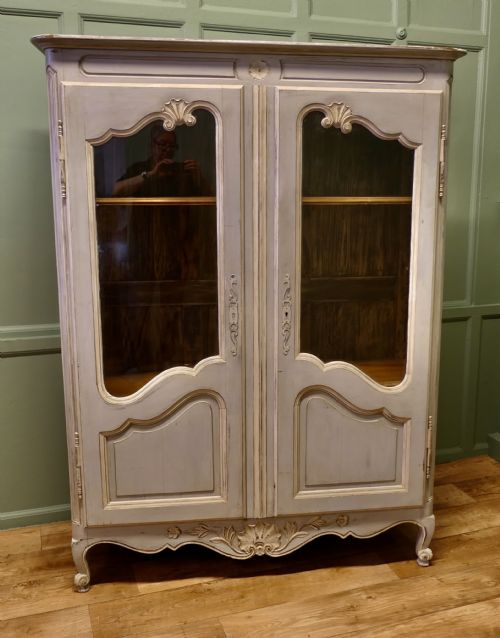
These wooden double doors open large storage volumes in wardrobes, armoires, and cupboards from Georgian to Art Deco periods.
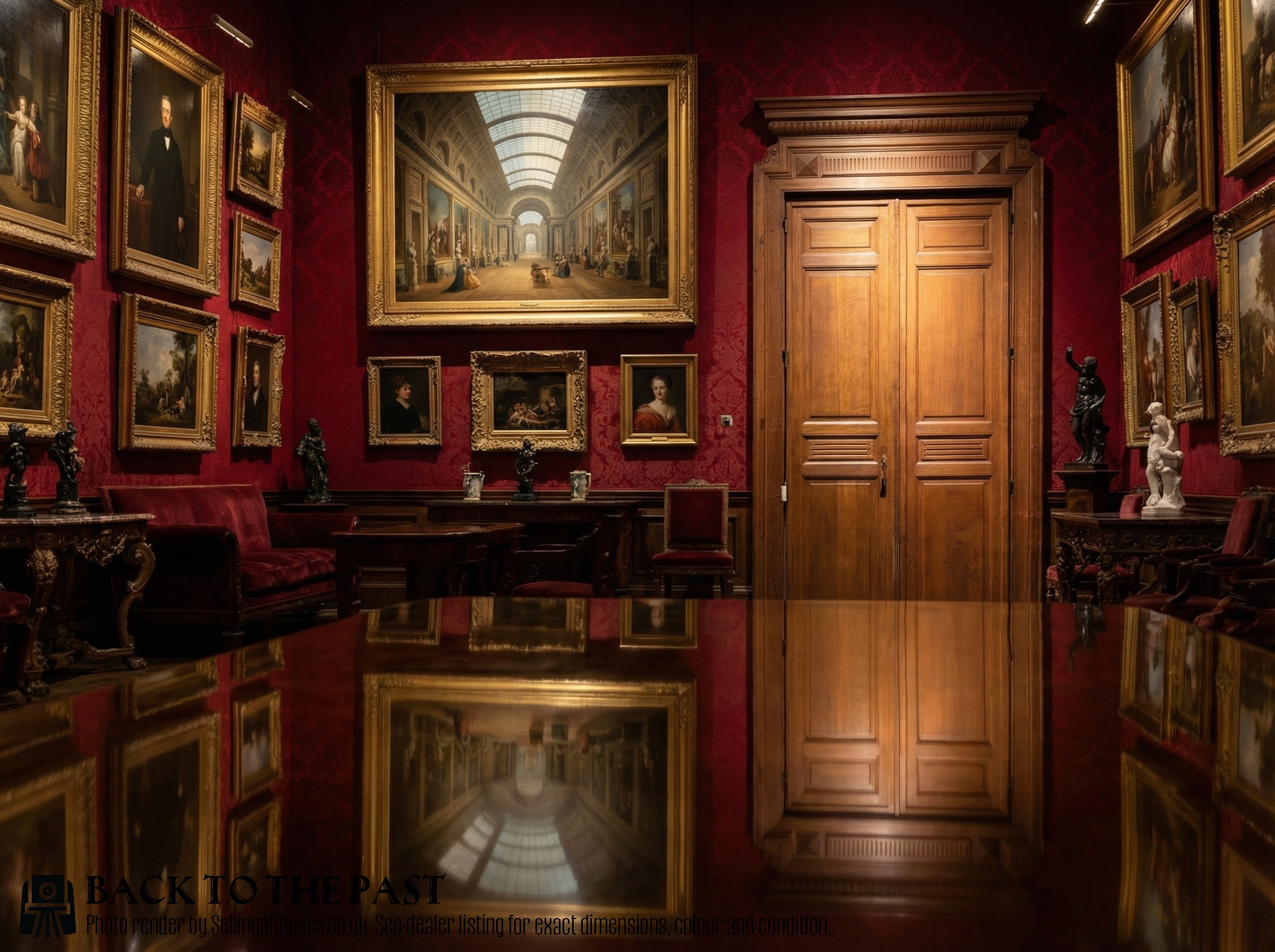
Wooden Double Doors
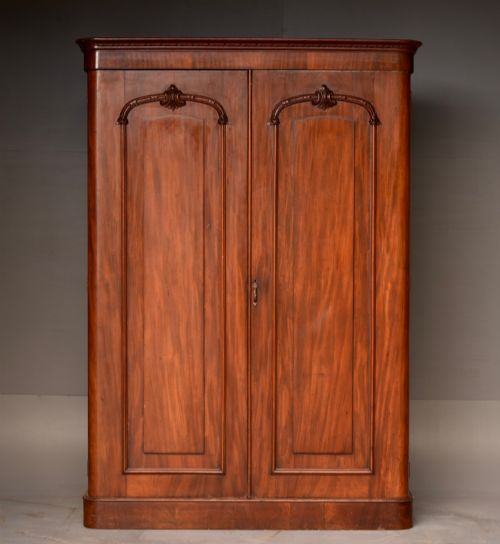
When you search for wooden double doors, you meet substantial case furniture and architectural storage pieces equipped with twin opening leaves. The pieces on this page span several centuries, reaching from eighteenth-century Georgian and French pieces through Victorian and William IV examples down to Edwardian and Art Deco designs.
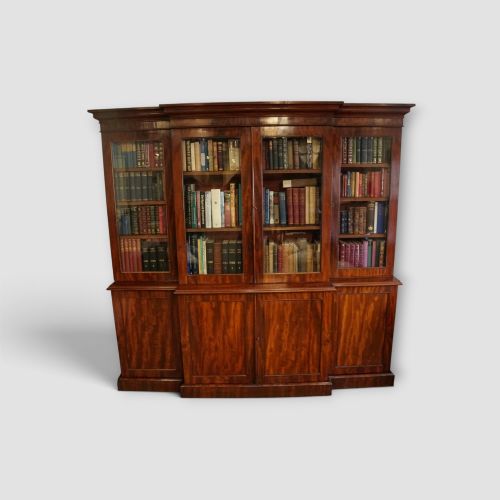
You are most likely to encounter large wardrobes and armoires built with twin panelled or glazed doors. These forms dominate the selection, alongside linen presses, side cabinets, bookcases, and architectural salvage.
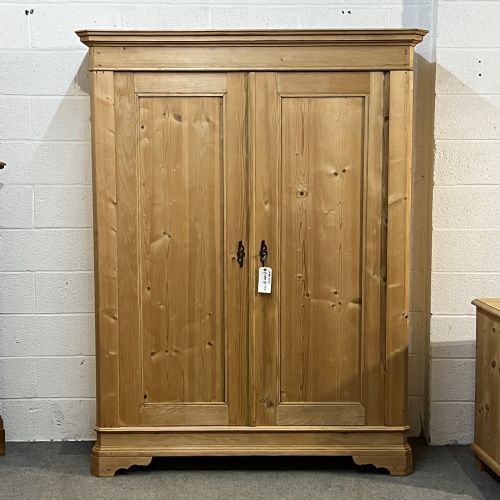
Makers constructed these double-door items in diverse regional traditions, ranging from English mahogany and oak workshop pieces to French and continental pine, walnut, and fruitwood armoires. Many retain functional internal hanging space, shelves, or sliding trays.
Quality factors
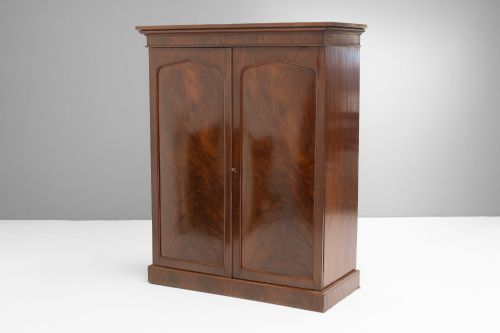
The degree of refinement in timber selection separates standard storage pieces from high-status furniture. Choice cuts such as burr walnut, flame mahogany veneer, and well-figured oak indicate superior workshops.
Structural integrity across wide double doors depends on balanced timber seasoning and precise joinery that keeps panels true over decades. Superior hardware, including original brass key escutcheons and robust internal fittings, elevates a piece.
Original surface treatments, whether polished hardwood or period scumble paintwork, preserve the historic character of the item compared to later stripping or modern refinishing.
Listings feature woods like mahogany, pine, walnut, oak, and rosewood, alongside glass and brass elements across eight distinct historical periods.
S & H Jewell
The Wooden Double Doors Glossary
- Armoire
- A large upright cupboard or wardrobe featuring two doors, originating in continental Europe. These pieces typically provide deep interior storage with shelves or hanging rails.
- Linen press
- A tall piece of case furniture combining upper cupboard space with lower drawers. The upper section generally houses sliding trays for folded textiles behind double doors.
- Compactum
- A multi-compartment wardrobe design dividing interior space into hanging sections, linen shelves, and drawers. It offers comprehensive storage within a single footprint.
- Scumble paint
- A decorative surface technique using translucent or opaque glazes over a base coat to imitate finer timber grain. It appears on nineteenth-century pine furniture.
- Breakfront
- A cabinet facade where the central section projects forward from the flanking wings. This configuration adds architectural depth to large bookcases and wardrobes.
Wooden Double Doors: Frequently Asked Questions
What fits inside these cupboards?
Most of these large pieces function as wardrobes, armoires, or linen presses designed to hold clothing and textiles. Interiors often contain hanging rails, fixed shelves, or sliding trays.
Smaller side cabinets and bookcases serve alternative storage needs for books or household items. Interior configurations vary significantly between eighteenth-century presses and twentieth-century wardrobes.
How do I date a wardrobe?
Stylistic markers such as bracket feet, cornice details, and timber choices help identify periods from Georgian mahogany to Art Deco walnut. Drawer construction and backboards also provide clues to age.
Secondary woods and the style of brass hardware offer further evidence of manufacture dates. Comparing proportions against documented period pieces confirms the era.
Are these double wardrobes heavy?
Solid hardwood pieces built from mahogany, oak, or walnut carry substantial weight and require multiple people for transport. Large nineteenth-century armoires often feature knockdown construction to ease movement.
Pine cupboards and smaller side cabinets prove somewhat lighter but remain large items of furniture. Careful measurement of stairways and doorways is essential before acquisition.
How do I care for old wood?
Maintain stable indoor humidity levels to prevent timber from splitting or warping across wide doors. Regular application of suitable furniture wax preserves polished mahogany and walnut surfaces.
Avoid placing wooden furniture near direct heat sources or strong sunlight. Gentle dusting with a dry cloth protects historic finishes and painted surfaces.