
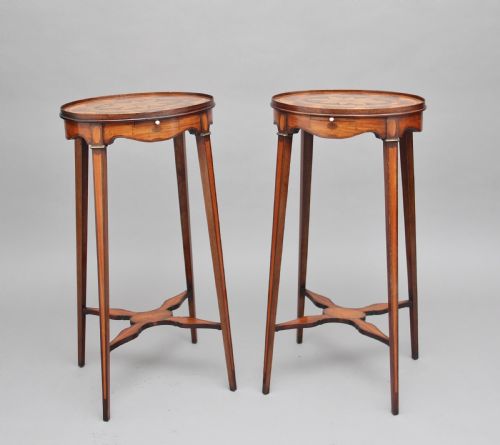


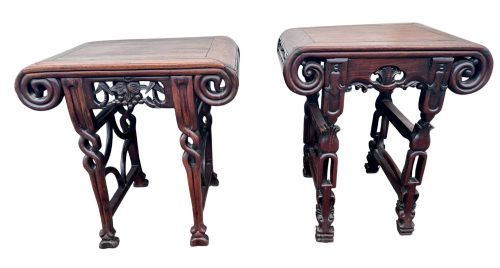


Wooden Display Pedestals Pair
Wooden display pedestals pair selections bring height and structure to rooms, holding busts, urns and plants with symmetry.
Wooden Display Pedestals Pair
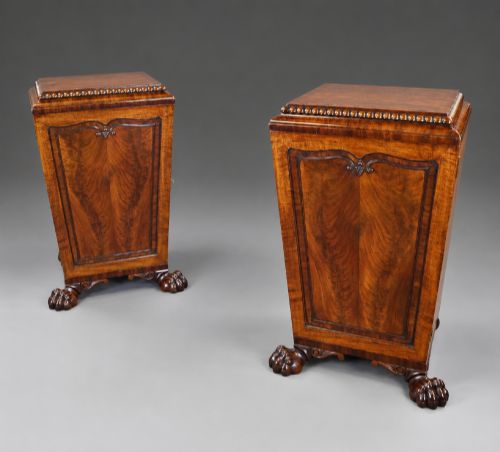
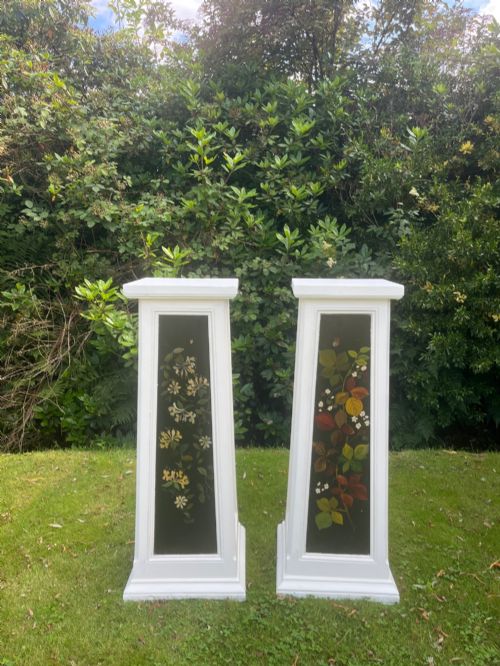
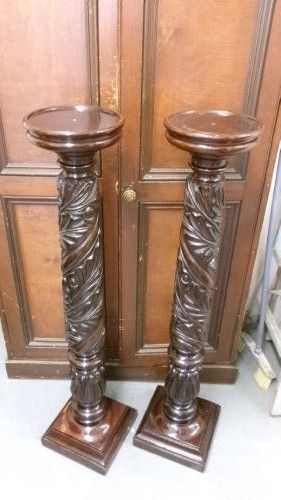
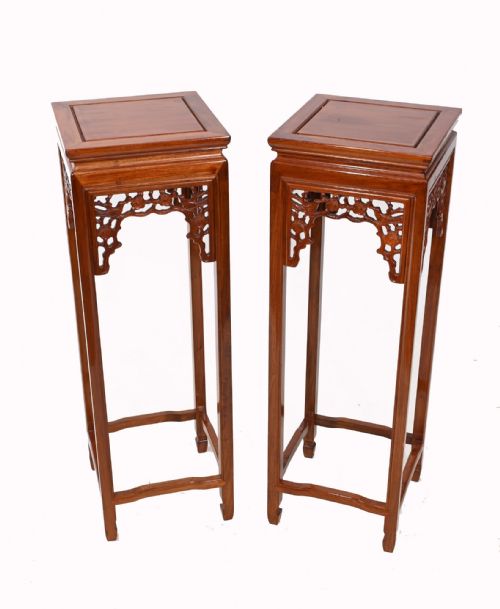
Wooden display pedestals pair pieces function as elevated platforms for sculpture, porcelain and botanical specimens, creating focal points within interiors. Buyers searching for wooden display pedestals pair formats encounter columns, torchieres and plant stands originating from the nineteenth and early twentieth centuries. These matching pairs allow for balanced arrangements on either side of a fireplace, doorway or window.
The domestic role of wooden display pedestals pair items spans formal Victorian reception rooms to country house hallways and Asian interiors. Surviving examples demonstrate diverse forms, including hexagonal cabinets, fluted columns and low occasional tables. Their primary purpose remains the elevation of decorative objects to eye level.
Materials and construction
Cabinetmakers utilised dense timbers such as mahogany, rosewood, oak, walnut and exotic hardwoods to construct stable columns capable of supporting heavy loads. Selected pieces incorporate contrasting veneers, satinwood inlay, brass mounts and intricate hand-carved ornamentation along the shafts and capitals.
Surface treatments range from clear french polish revealing natural grain patterns to painted, lacquered and parcel-gilt finishes. Certain columns employ specialist decorative techniques to simulate more costly materials such as verde antico marble.
Certain nineteenth-century pedestals conceal sliding secret compartments within their fluted wooden columns for hidden storage.
Evaluating craftsmanship
Distinction within wooden display pedestals pair items rests on the precision of the joinery, the selection of figured timbers, and the crispness of carved details. Superior examples display seamless construction that maintains stability across tall vertical spans without warping.
The refinement of secondary elements, such as brass fittings, secret compartments and inlaid borders, separates standard utilitarian stands from exhibition quality pieces designed for prominent display.
MARGUERITE
The Wooden Display Pedestals Pair Glossary
- Torchere
- A tall, slender stand designed specifically to hold a light source or decorative urn. These pieces provide vertical emphasis in room corners.
- Plinth
- The flat base or lower block upon which a column or pedestal stands. It distributes weight evenly and anchors the vertical structure.
- Verde antico
- A dark green serpentine marble often simulated through decorative paint finishes on wooden columns. This technique mimics classical Italian stonework.
- Inlay
- A method of ornamenting a wooden surface by inserting contrasting materials such as satinwood or ebony into prepared recesses.
- Jardiniere stand
- A specialised table or column intended to support indoor plant pots and floral arrangements. These stands frequently feature water-resistant tops.
Wooden Display Pedestals Pair: Frequently Asked Questions
What were wooden pedestals used for?
These tall stands served to elevate decorative urns, portrait busts, taxidermy showcases and potted plants within nineteenth-century drawing rooms and halls.
By raising objects above floor level, households drew attention to prized possessions and improved interior symmetry.
How do I style a pair of columns?
Matching columns work effectively when placed symmetrically on either side of a sideboard, architectural doorway or large fireplace.
Placing identical sculptures or matching floral arrangements on top completes the balanced visual composition.
Are these stands structurally stable?
Solid hardwood construction and weighted bases generally ensure that nineteenth-century columns support substantial weight safely.
Buyers should verify that the top surface remains level and that the vertical shaft shows no structural tilt.
How do I identify the period?
Dating relies on observing timber choices, turning styles, and decorative motifs such as Sheraton inlay or Gothic revival tracery.
Comparing the construction methods inside the base to known nineteenth-century cabinetmaking practices helps confirm the age.