




Vintage Tall Occasional Table
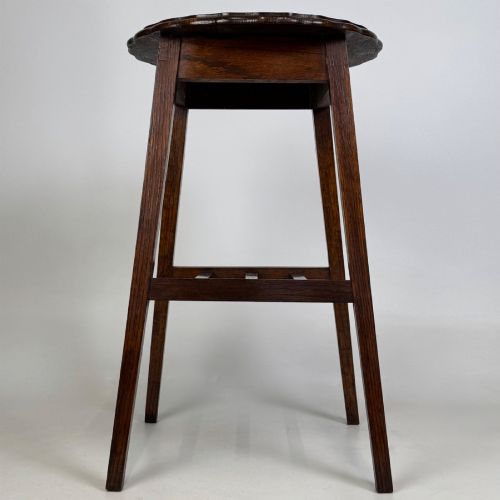
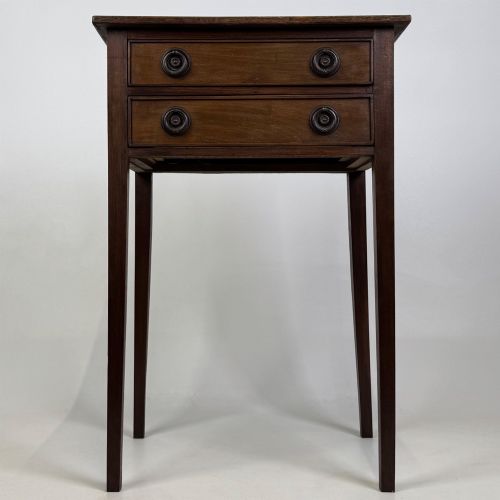
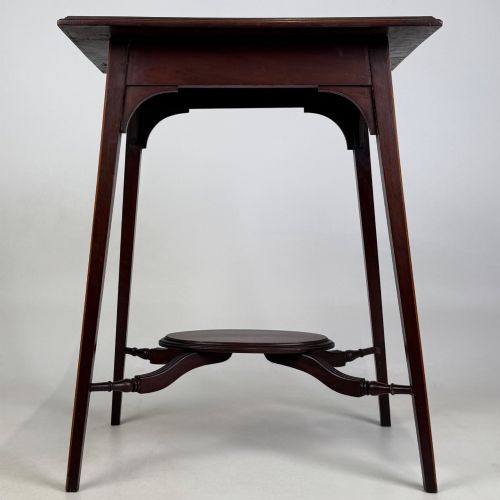
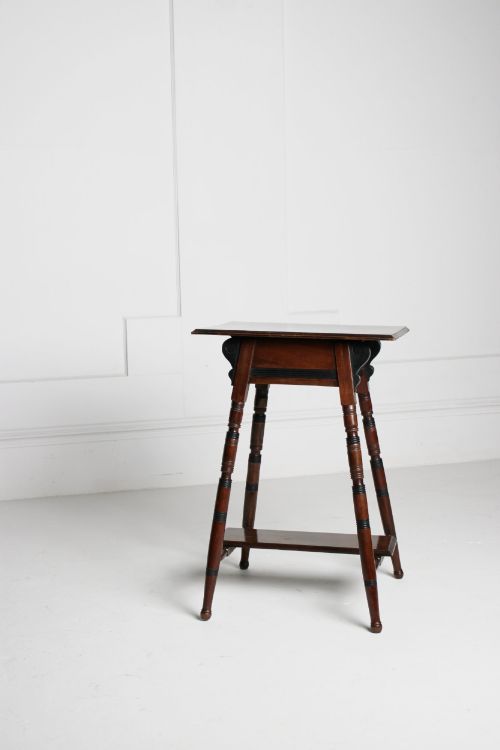
These vintage tall occasional table pieces bring practical surfaces and period craftsmanship to corners and hallways, offering a useful height for lamps or plants.
Vintage Tall Occasional Table
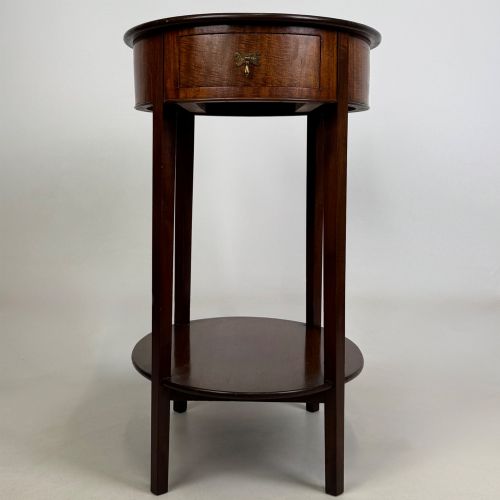
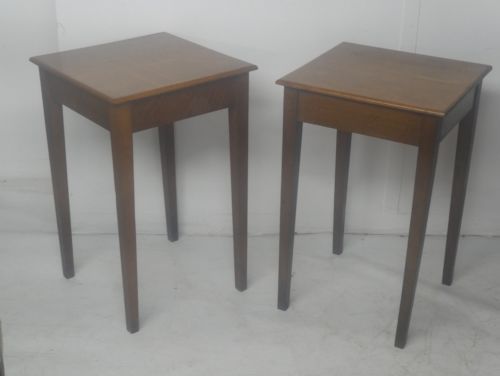
A vintage tall occasional table serves as a flexible surface piece within domestic spaces, appearing across Edwardian, late Victorian, and early twentieth-century eras. The selection on this page leans heavily toward Edwardian mahogany side tables, plant stands, lamp tables, and tall wine tables.
Makers fashioned these pieces in diverse formats, from oval and heart-shaped table tops to square lamp tables and tall pedestals. Buyers encounter variations including dropleaf bedside cabinets, console tables, and galleried designs suited for specific corners of a room.
Materials and construction methods
Cabinet makers utilised dense hardwoods predominantly, with mahogany, walnut, and oak appearing frequently across the listings alongside decorative accents of satinwood, boxwood, and ebony. Brass elements and giltwood surfaces also figure in French and decorative styles from the period.
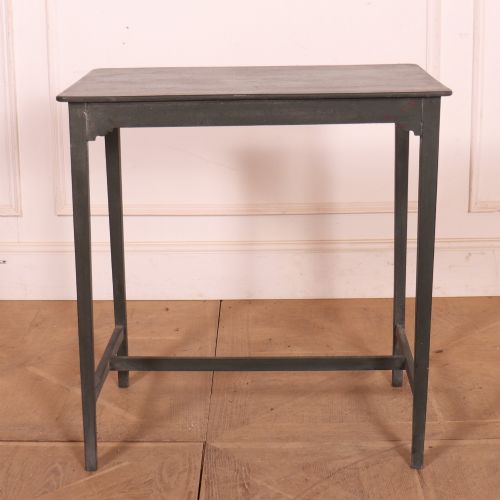
Construction techniques include inlaid marquetry work, barley twist turnings, and panelled tambour fronts, showing a blend of utilitarian purpose and decorative cabinet making. Finishes span polished natural grain to ebonised wood and painted oak.
Design forms range widely from plant stands and wine tables to dropleaf bedside cabinets and tambour front stands.
Distinguishing quality in period tables
Quality rests primarily on the selection of timber and the precision of decorative elements such as inlaid stringing, burr veneers, and turned supports. Pieces featuring solid oak, burr elm, or figured mahogany exhibit greater structural integrity and visual depth.
Refinement in joinery and hardware separates standard utility items from finer workshop pieces. The crispness of carved details, stability of tall slender legs, and integrity of gallery edges dictate the standard of execution.
Druce & Co London·Shoolbred
The Vintage Tall Occasional Table Glossary
- Galleried top
- A raised wooden border surrounding the edge of a table surface to prevent items from rolling off. This feature is common on French and occasional tables.
- Barley twist
- A spiral carving resembling a twisted rope, utilised for table legs and plant stand supports during the late nineteenth and early twentieth centuries.
- Marquetry
- Decorative patterns formed by fitting together thin veneers of different coloured woods, frequently seen on Edwardian inlaid table tops.
- Tambour
- A series of narrow wooden slats attached to a flexible backing, allowing a door to slide around a curved track on cabinets and stands.
Vintage Tall Occasional Table: Frequently Asked Questions
Where should I place a tall occasional table?
These tables fit easily into narrow hallways, beside armchairs, or in unused corners where standard furniture proves too bulky. Their elevated surface suits reading lamps, telephones, or decorative plants.
Ensure the floor surface is level because taller tables with slender legs can wobble on uneven antique floorboards. Positioning them away from direct heat sources protects the timber and veneer.
How do I identify an Edwardian table?
Edwardian tables often feature light mahogany or satinwood inlays, slender tapered legs, and restrained neoclassical or Sheraton revival motifs. The construction typically feels lighter than heavy Victorian furniture.
Examine the secondary woods underneath and inside drawers, as Edwardian cabinet makers frequently combined mahogany with pine or oak. Look for signs of age in the patina rather than relying solely on stamped maker marks.
Can these tables hold heavy lamps?
Most occasional tables handle standard table lamps and decorative objects comfortably, provided the base is wide and stable. Taller plant stands and wine tables are designed for lighter loads.
Check the stability of the central column or leg joints before placing fragile items on top. Three-legged and pedestal designs require careful centring of weight to prevent tipping.
How do I care for antique wood surfaces?
Maintain the finish by dusting with a soft, dry cloth and applying natural beeswax periodically to nourish the dry timber. Avoid silicone-based polishes that build up sticky residues over time.
Keep wooden tables away from radiators and direct sunlight to prevent the timber from warping or the glue from drying out. Use coasters beneath glasses and plant pots to protect the polish from water rings.