

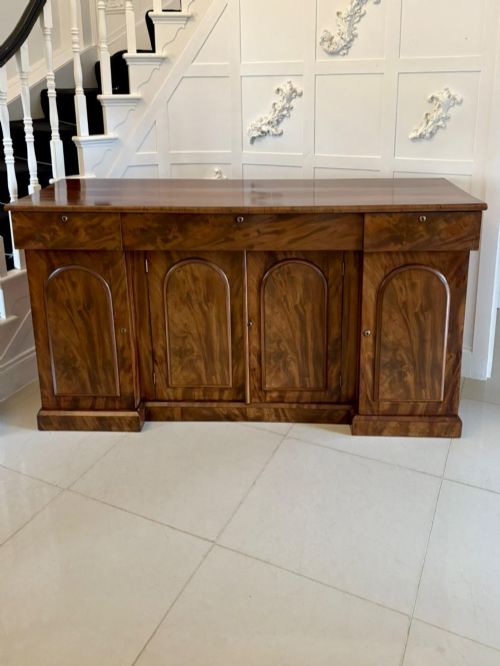
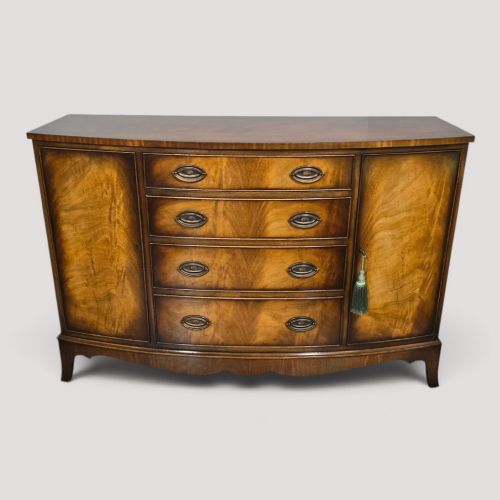
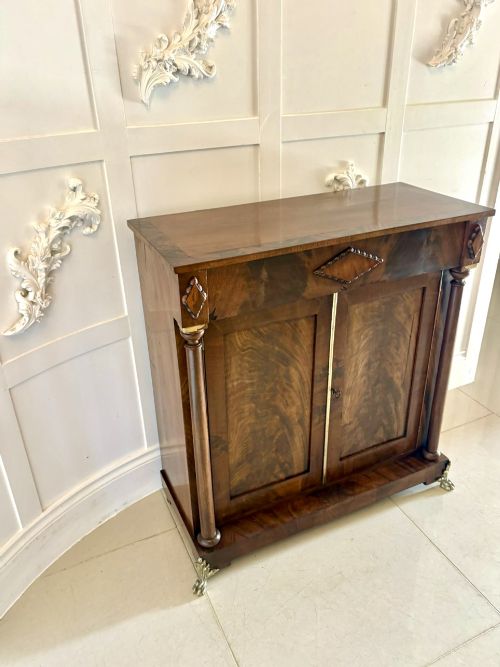
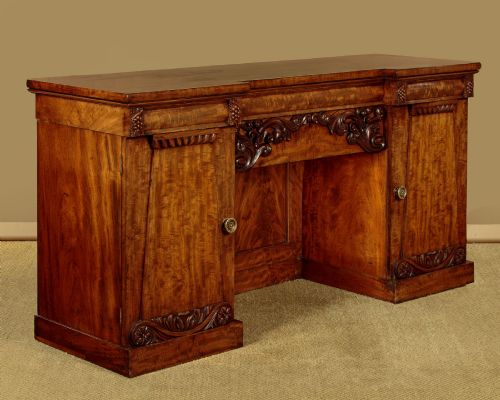
Wooden Dining Room Cabinet
A wooden dining room cabinet serves food and stores silver across centuries of mahogany and oak.
Wooden Dining Room Cabinet
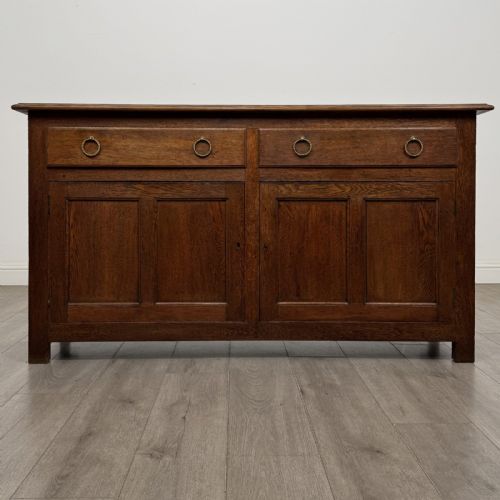
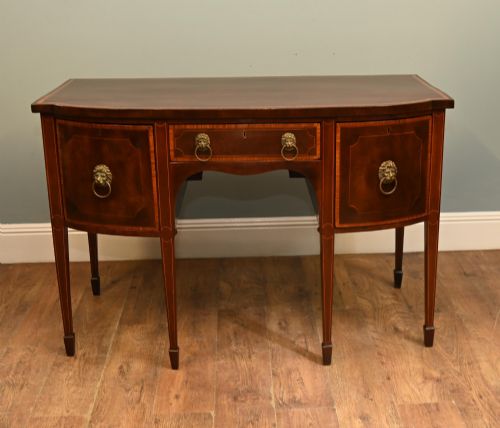
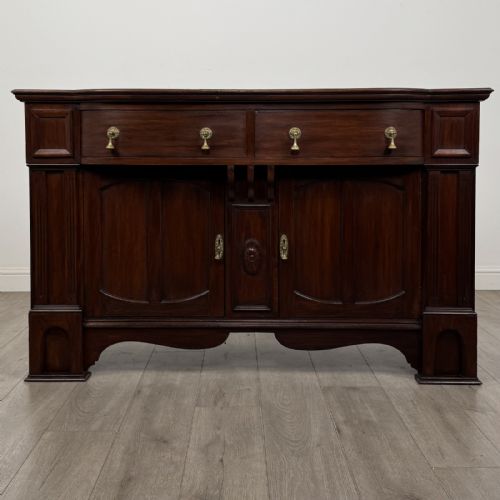
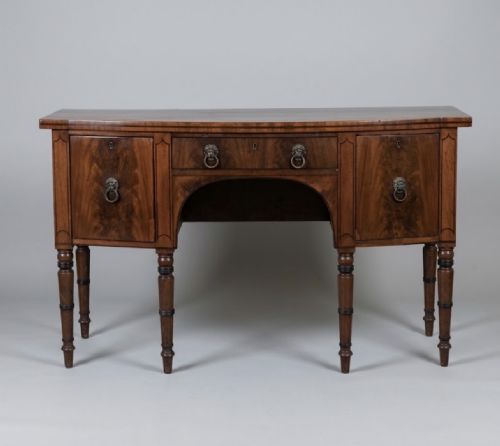
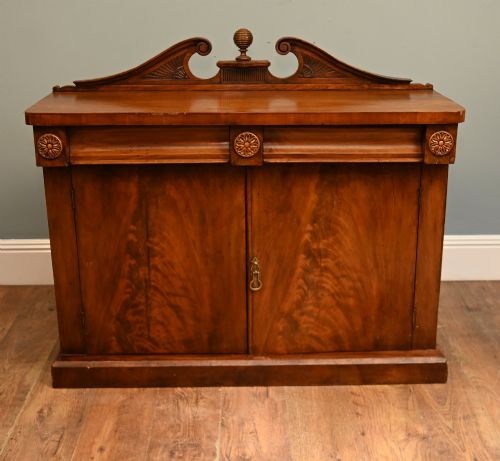
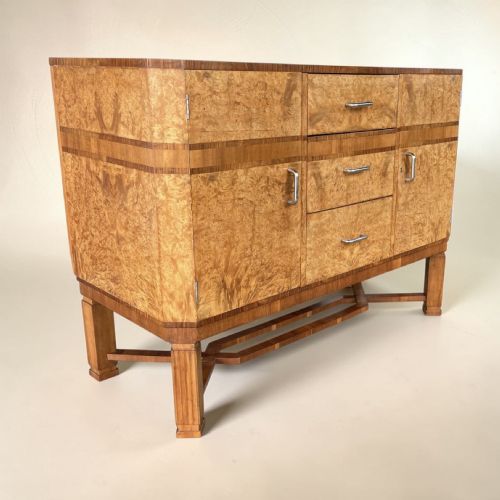
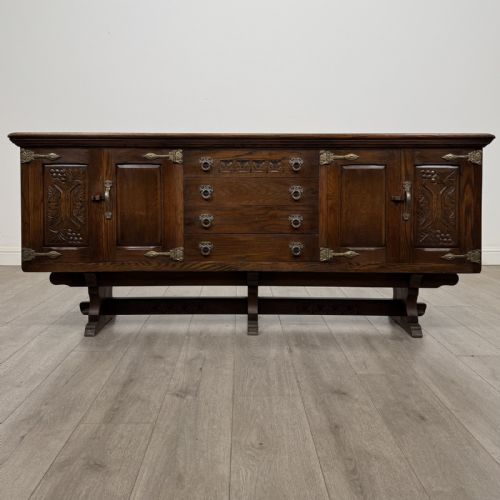
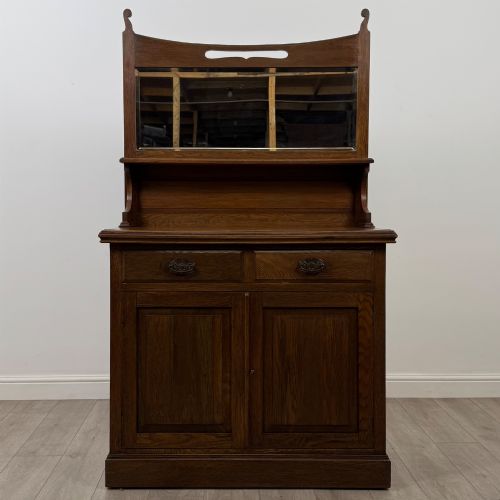
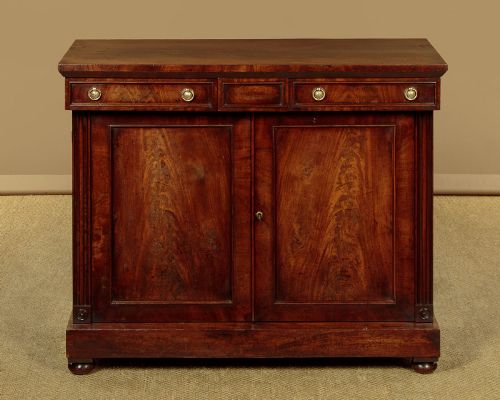
A wooden dining room cabinet encompasses sideboards, chiffoniers, dressers, and credenzas spanning from the eighteenth century through the art deco era. Buyers searching for this phrase seek functional storage furniture designed for dining spaces, which includes Georgian servers, Victorian pedestal sideboards, and Edwardian mirror-backed cupboards.
The pieces appearing on this page originate predominantly from nineteenth and twentieth-century British workshops, alongside earlier Georgian iterations and French provincial oak furniture. Sideboards and chiffoniers dominate the selection, offering substantial surface areas for serving and enclosed shelving for tableware.
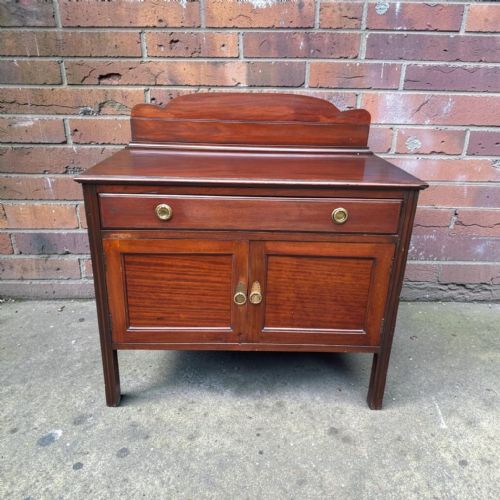
Makers and regional cabinet makers utilise traditional forms influenced by Regency, Chippendale, and Arts and Crafts design movements. Each wooden dining room cabinet reflects the domestic requirements of its period, shifting from formal dining room servers to compact Edwardian storage solutions.
Materials and Construction
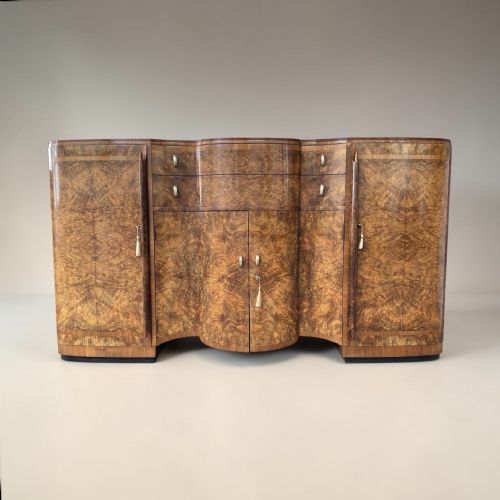
Solid mahogany and oak form the structural foundation for the majority of pieces, frequently enhanced by flame mahogany veneer, burr walnut, and delicate inlay work. Cabinet makers select timber for its grain pattern, applying French polish or wax finishes to protect the wood and deepen its natural lustre.
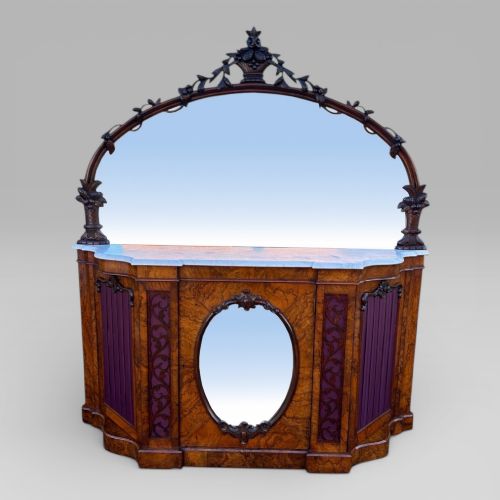
Brass hardware, including drop handles, backplates, and occasional face handles, fastens doors and drawers constructed with traditional dovetail joints. Glass panels appear in upper display sections, while marble tops feature on specific Victorian credenzas to provide durable serving surfaces.
Carved wooden details, stretcher bases, and curved bowfronts demonstrate specialist joinery techniques employed across the eighteenth, nineteenth, and early twentieth centuries. Structural integrity relies on frame and panel construction designed to support heavy tableware and dining room linen.
Wooden Dining Room Cabinet Retail Price Guide 2026
Typical asking prices for wooden dining room cabinet among the pieces listed under this phrase on Sellingantiques today, from the lower quarter to the upper quarter. They describe what is for sale here now, not the wider market.
Some Edwardian cupboards hide brass face handles that peer out from the woodwork.
Gradations in Quality
Quality differentiates through the selection of timber figures, such as highly figured mahogany or burr walnut veneer, which dictates the visual impact of the front elevation. Superior examples exhibit continuous grain matching across drawers and doors, coupled with crisply executed hand-carvings and inlaid stringing.
Internal construction standards separate standard production items from master cabinet work, notably in the thickness of secondary timbers and the precision of dovetail joinery. Original brass hardware, sound marble inserts, and intact mirror plates uphold the integrity and period accuracy of the piece.
Rushworth's·Maurice Adams·M. D. Miller and Sons
The Wooden Dining Room Cabinet Glossary
- Sideboard
- A dining room storage piece equipped with cupboards and drawers for serving food and storing cutlery.
- Chiffonier
- A compact sideboard featuring enclosed shelving beneath, often surmounted by a raised superstructure or mirror.
- Flame mahogany
- Timber veneer cut to reveal a characteristic flickering flame pattern across cabinet doors and drawer fronts.
- Stretcher base
- An underframe of horizontal wooden bars connecting the legs of a cabinet to provide structural stability.
- Breakfront
- A cabinet design where the central section projects forward from the flanking outer cupboards.
Wooden Dining Room Cabinet: Frequently Asked Questions
What is a wooden dining room cabinet?
A wooden dining room cabinet is a functional storage item designed for dining spaces, encompassing forms such as sideboards, chiffoniers, and dressers.
These pieces provide surface space for serving food and enclosed cupboards for tableware, cutlery, and linens.
How do I date a wooden dining room cabinet?
Dating relies on examining timber choices, construction techniques, hardware, and stylistic influences from periods like the Georgian, Victorian, or Edwardian eras.
Hand-cut dovetails, secondary timbers, and characteristic veneers assist in narrowing the decade of manufacture.
Where were these cabinets placed?
Historically, dining room cabinets stood against the main wall of the dining room or parlour to hold serving dishes during meals.
Today, they function equally well in hallways, living rooms, and kitchens for general storage and display.
How do I care for a mahogany cabinet?
Care involves maintaining stable indoor humidity and avoiding direct sunlight to protect the wood and polished surface.
Routine dusting with a soft, dry cloth preserves the finish without requiring heavy chemical polishes.