
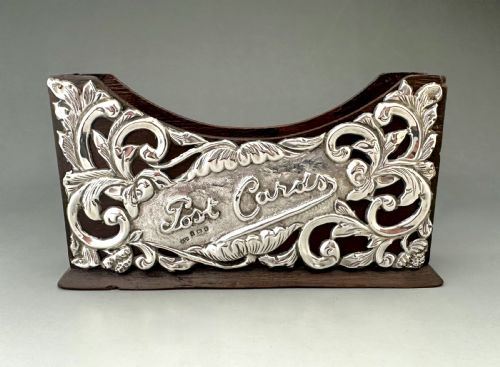
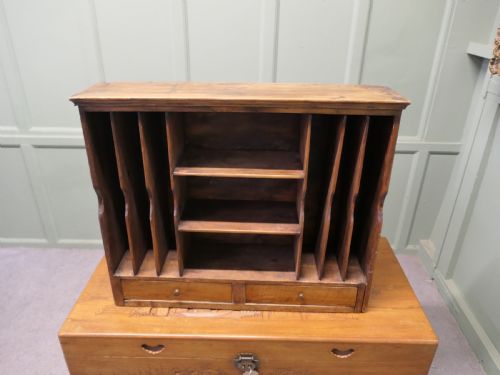


Wooden Desktop Organiser
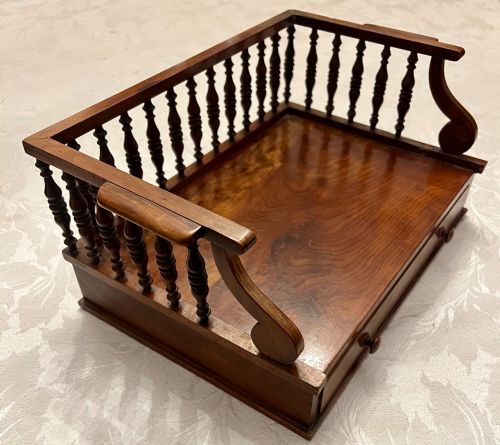
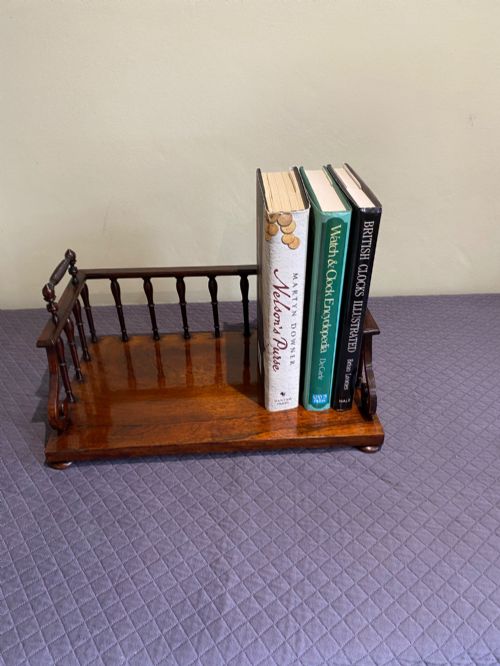
These wooden desktop organiser items hold letters, stationery and papers neatly in place while adding period character to a working space.
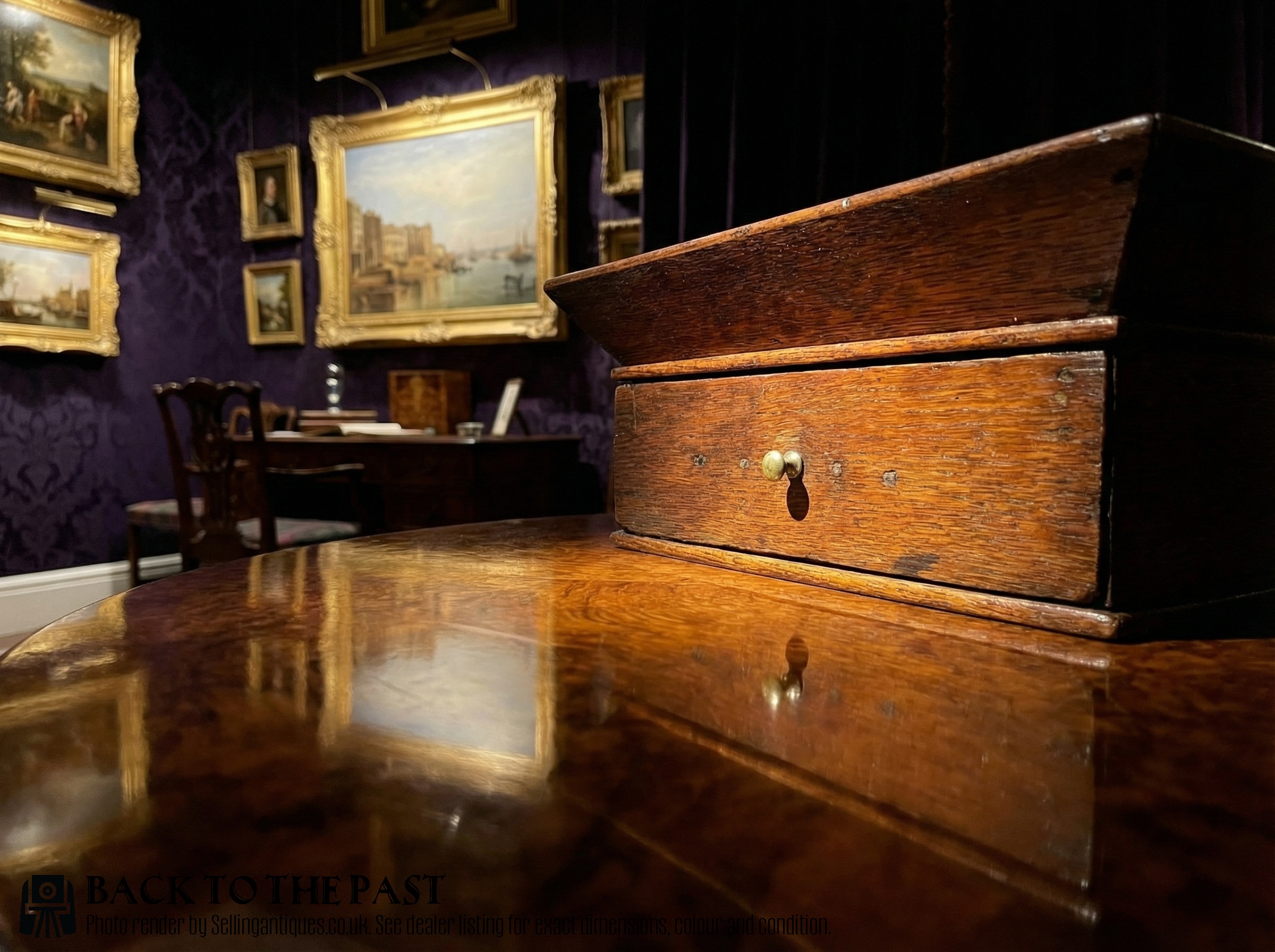
Wooden Desktop Organiser
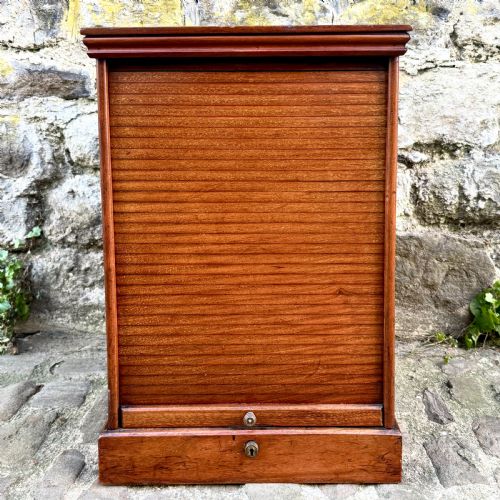
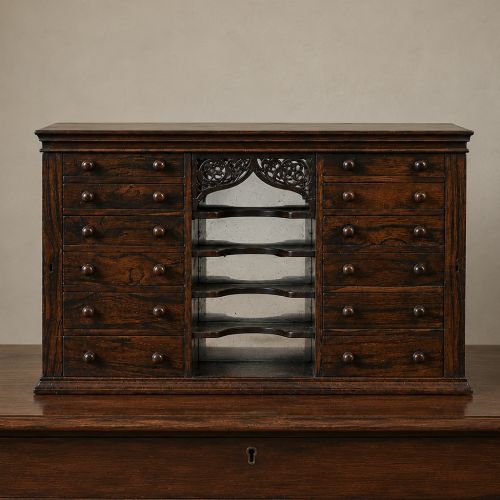
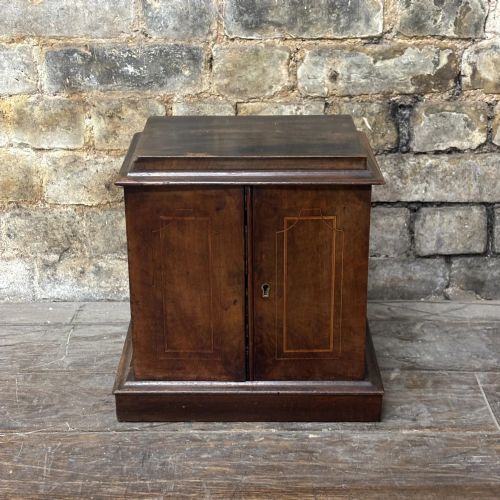
A wooden desktop organiser encompasses a diverse array of desk accessories, stationery cabinets, and miniature chests designed to manage correspondence and small items. Buyers encounter forms ranging from simple book racks and letter holders to elaborate collectors cabinets and filing boxes.
The pieces span from the Georgian and Regency periods through the Victorian and Edwardian eras up to the 1920s. Oak and mahogany examples appear most frequently, alongside rosewood, walnut, and occasional specialist woods.
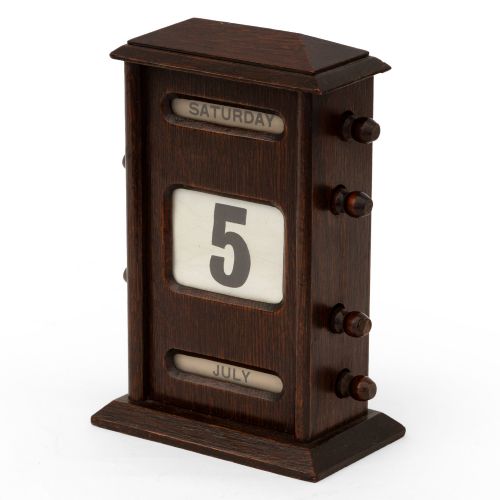
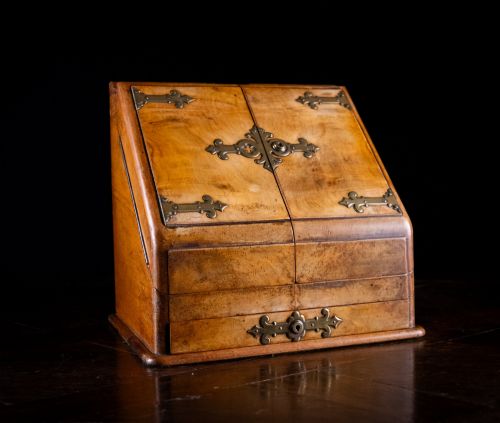
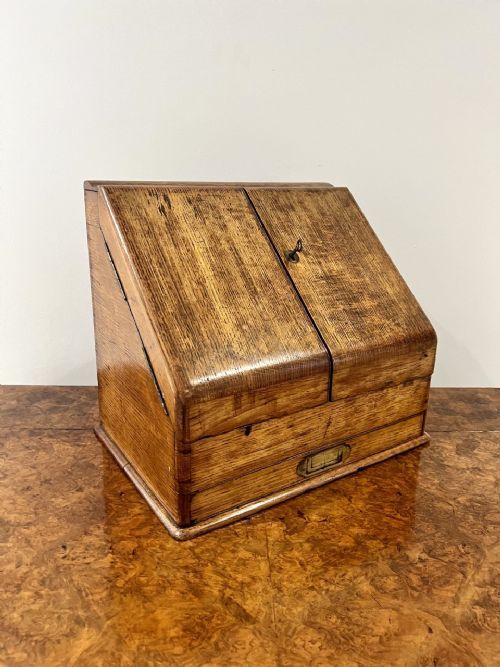
Objects serve various organisational needs, including desk boxes with secret drawers, perpetual calendars, apothecary displays, and sloping writing boxes. Many items reflect distinct stylistic movements such as Arts and Crafts, Black Forest carving, and Victorian Gothic Revival.
Timbers, brass mounts and hand carving
Cabinet makers utilised solid and veneered hardwoods like mahogany, oak, rosewood, walnut, and coromandel to construct these desktop pieces. Construction often involved precise dovetail joints for small drawers and internal pigeonholes.
Metal components such as brass drop handles, hinges, locks, and letter clips provide functional strength and visual contrast against the polished timber. Glass panels, mother-of-pearl inlays, and marquetry frequently decorate the exterior surfaces of finer stationery boxes.
Specialist techniques include hand carving, seen particularly in Black Forest bear inkstands and Arts and Crafts oak letter racks. Surfaces received polished finishes that enhanced the natural grain of the wood.
Materials span oak, mahogany, rosewood, walnut, coromandel, brass, and glass across 19th-century and early 20th-century periods.
Timber selection, internal complexity and decorative detail
Quality rests significantly on the choice of timber and the sophistication of its preparation. Finely figured mahogany, rich rosewood, and quarter-sawn oak distinguish superior specimens from simpler utility boxes.
Internal arrangement and mechanical execution drive value higher. Stationery cabinets featuring intricate pigeonhole layouts, working locks with keys, adjustable calendars, secret drawers, and coordinated brass mounts demonstrate superior craftsmanship.
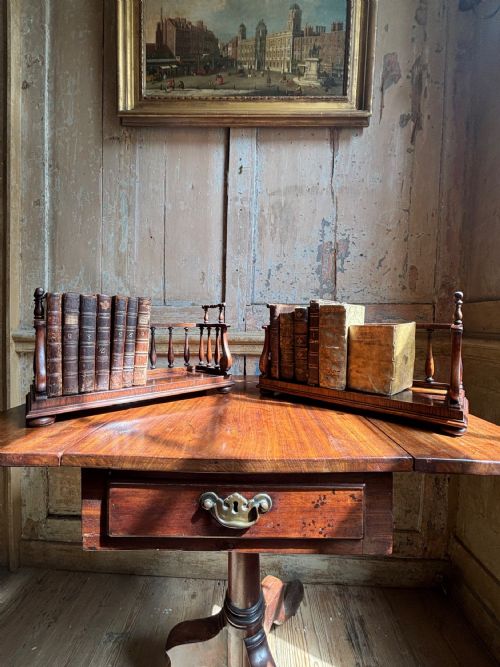
Decorative elements mark the upper tier of production. Hand-carved details, marquetry inlay, inlaid mother-of-pearl, and matching pairs of book stands elevate standard office accessories into refined decorative objects.
The Wooden Desktop Organiser Glossary
- Apprentice piece
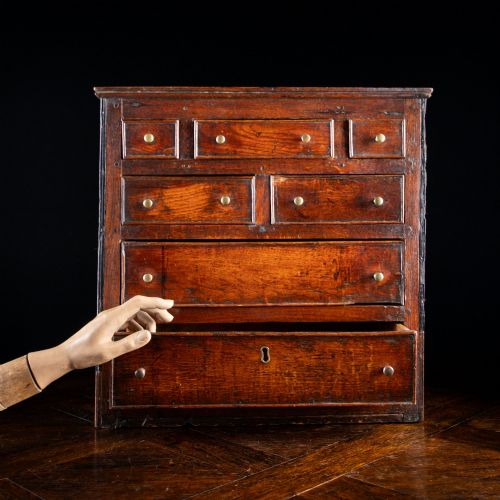
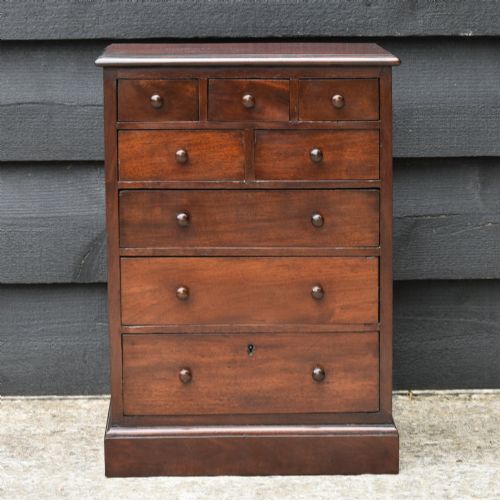
- A small-scale item created by a skilled trainee to demonstrate proficiency to a guild or master. These often take the form of miniature chests of drawers.
- Stationery cabinet
- A desktop housing unit featuring doors or fall fronts that open to reveal slots and pigeonholes for paper and envelopes. They became common in Victorian and Edwardian offices.
- Book slide
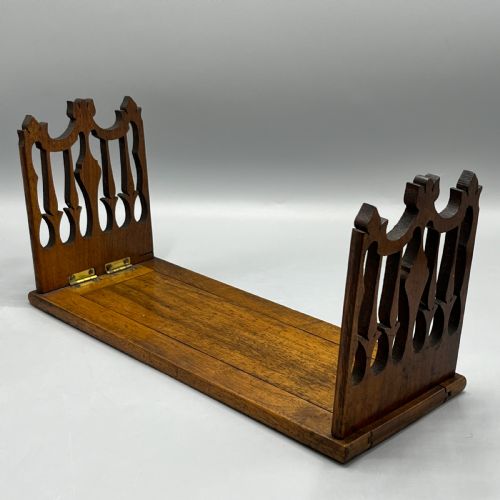
- An extending rack designed to hold volumes upright on a desk or table. Many utilise sliding mechanisms or hinged ends.
- Collector's cabinet
- A small multi-drawer chest intended for storing specimens, coins, or curiosities. They frequently feature locking doors to protect the contents.
- Pigeonholes
- Small, open compartments grouped together within a desk accessory for sorting mail and documents. They form an essential interior component of many stationery boxes.
Wooden Desktop Organiser: Frequently Asked Questions
What periods do these pieces come from?
The selection includes items spanning from the late 18th-century Georgian era through the Regency, Victorian, and Edwardian periods up to the 1920s.
Stylistic cues such as heavy oak carving, sleek mahogany proportions, or marquetry inlay help indicate the specific era of manufacture.
How were stationery cabinets used?
Stationery cabinets served to store writing paper, envelopes, and inkwells in home libraries, studies, and offices.
Their internal compartments kept correspondence organised before the widespread adoption of modern filing systems.
Are keys usually included?
Some cabinets and boxes retain their original working keys, particularly pieces designated as collector's cabinets or secure letter boxes.
Listings specify whether a key is present with the item.
What is an apprentice piece?
An apprentice piece is a finely made miniature item, such as a small chest of drawers, produced by a craftsman in training.
These pieces showcase the maker's mastery of scaling and traditional woodworking joints.