



Wooden Corner Wall Cabinet
A wooden corner wall cabinet makes clever use of neglected angles while offering practical display space.
Wooden Corner Wall Cabinet
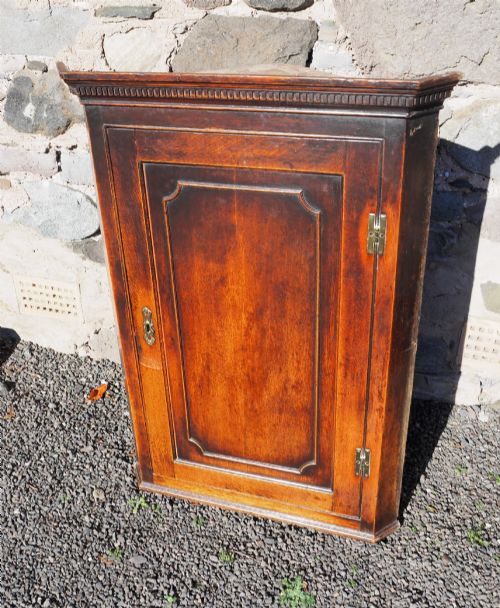
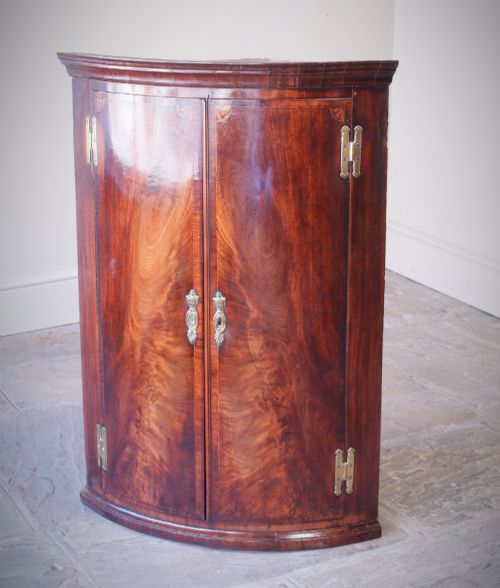
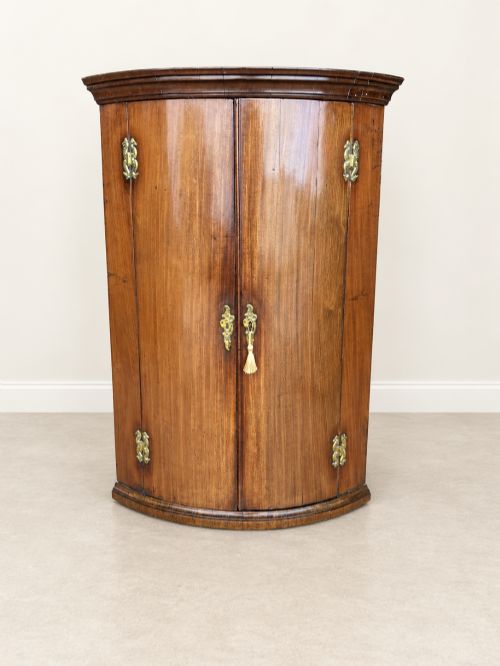
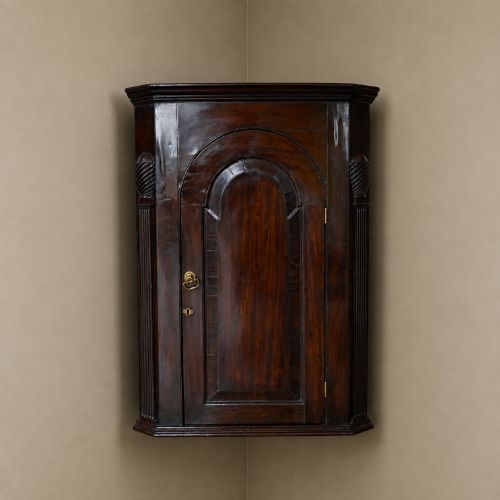
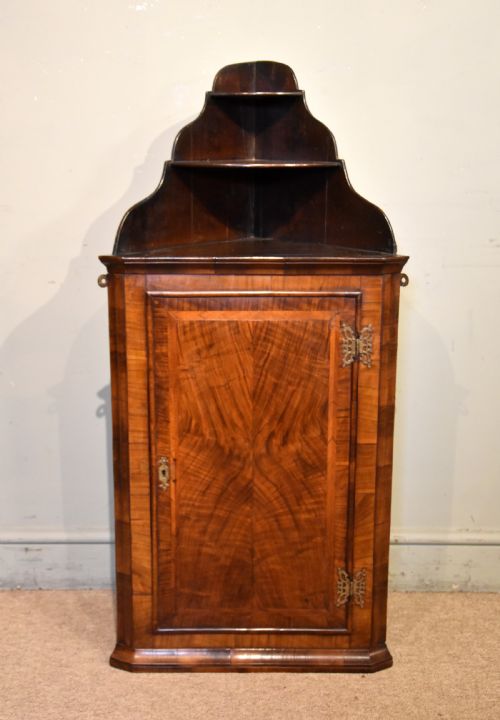
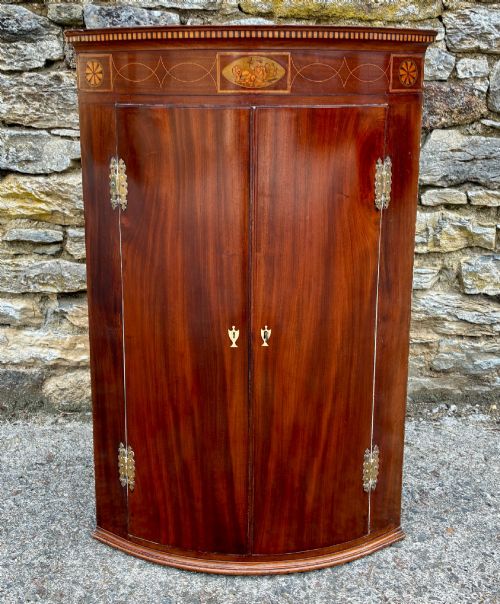
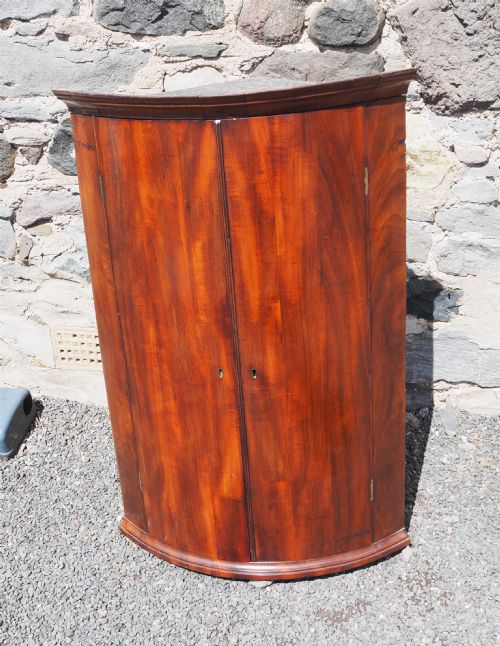
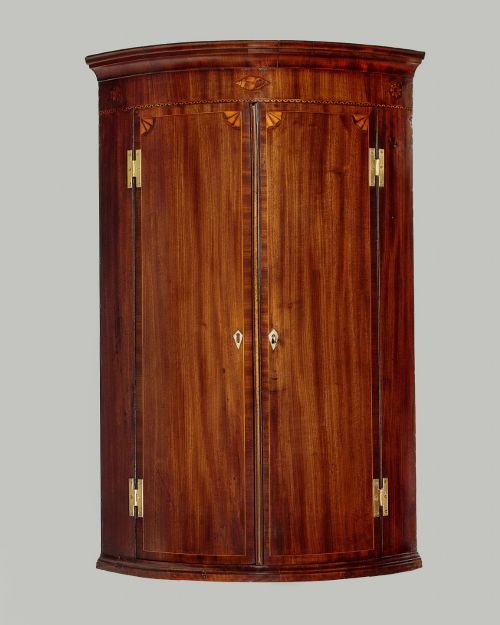
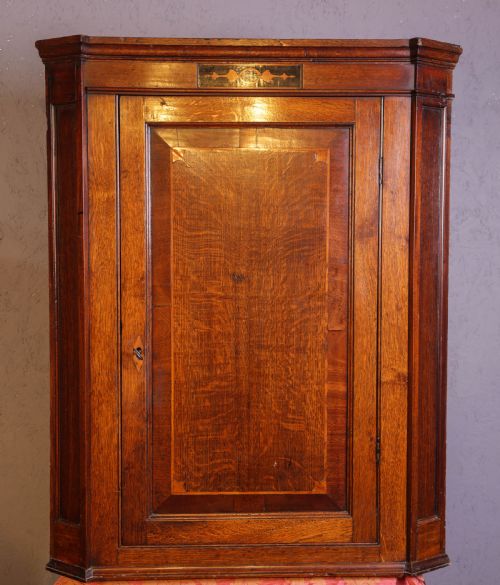
A wooden corner wall cabinet is designed to fit flush into the intersecting walls of a room, transforming dead space into functional storage. These hanging cupboards appear in various formats across this selection, from simple rectangular wall cabinets to refined bow front designs.
The pieces on this page span several centuries of British cabinet making, led by numerous examples from the eighteenth century and the Georgian period. Buyers also encounter nineteenth century iterations, along with occasional Arts and Crafts pieces and later twentieth century interpretations.
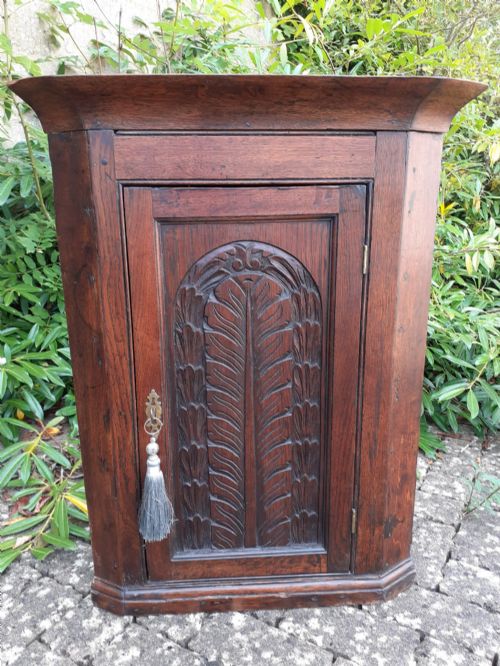
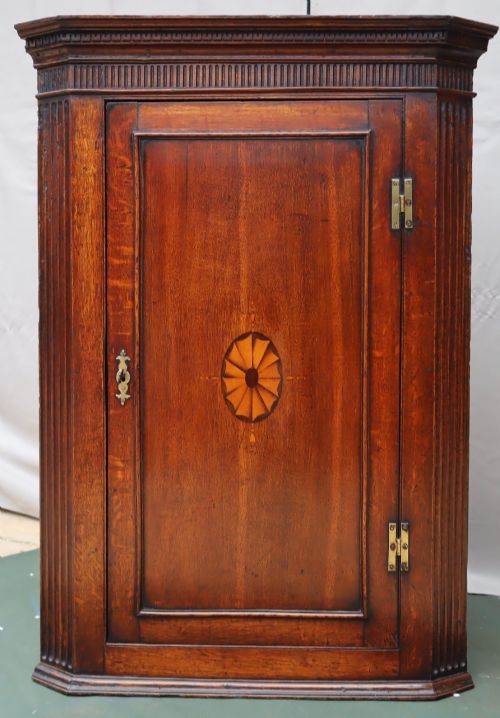
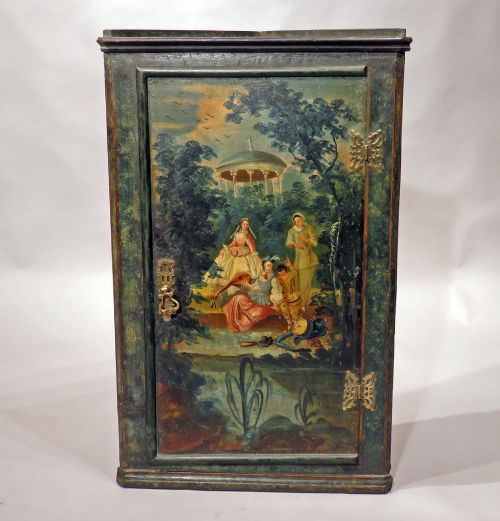
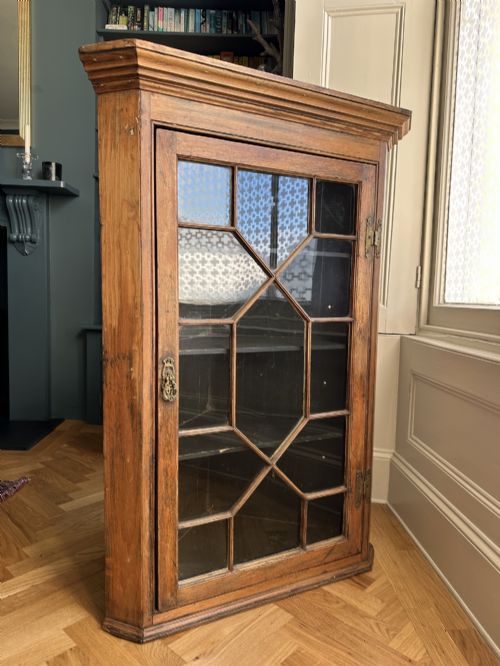
Most entries function as hanging cupboards intended to be secured directly to wall studs, freeing up valuable floor space in smaller rooms. Forms range from single door cupboards with plain panelled fronts to glazed display versions and pieces finished with painted surfaces.
Materials and construction
Cabinet makers relied primarily on native and imported timbers, building carcases and doors from sturdy woods like oak, mahogany, walnut, and pine. Oak predominates in earlier rustic and country pieces, whilst finer formal items utilise figured mahogany, red walnut, and decorative veneers.
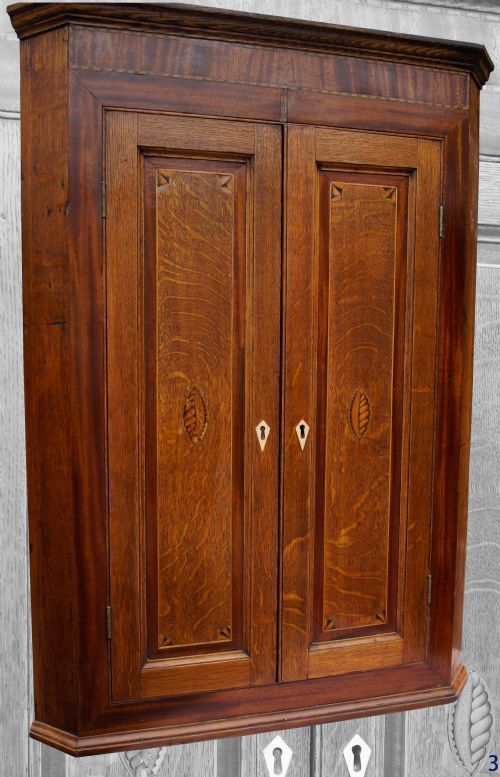
Detailed joinery distinguishes these cupboards, with many incorporating bow fronts, brass H-hinges, and delicate boxwood or satinwood stringing. Interiors often feature shaped wooden shelving and original painted or papered surfaces behind panelled or glass doors.
Wooden Corner Wall Cabinet Retail Price Guide 2026
Typical asking prices for wooden corner wall cabinet among the pieces listed under this phrase on Sellingantiques today, from the lower quarter to the upper quarter. They describe what is for sale here now, not the wider market.
Listed cabinets span nearly three centuries of production, stretching from early eighteenth century walnut pieces to nineteen-thirty Cotswold School oak work.
Assessing quality
Quality in these cabinets rests upon the selection of timber and the sophistication of the exterior detailing, such as crossbanding or inlaid stringing. Superior examples display carefully chosen grain patterns on curved doors and harmonious proportions between the cornice and the main body.
The integrity of the original hanging fixings, backboards, and interior shelving also dictates value among collectors. Pieces retaining untouched period paintwork or original brass hardware command higher regard than heavily altered or stripped examples.
The Wooden Corner Wall Cabinet Glossary
- Bow front
- A convex curved cabinet front that projects outward, popular during the Georgian period for adding visual depth to corner units.
- Hanging cupboard
- A wall mounted cabinet designed to be suspended from structural fixings rather than resting upon the floor.
- Stringing
- Thin inlay lines of a contrasting wood, such as boxwood or satinwood, used to edge panels and drawers on finer furniture.
- Pediment
- The decorative structure crowning the top of a cabinet, which can take broken arch, swan neck, or plain triangular forms.
- Crossbanding
- A border of veneer laid with the grain running perpendicular to the central panel, enhancing the decorative surface.
Wooden Corner Wall Cabinet: Frequently Asked Questions
Where should I hang a corner cabinet?
These cabinets work best in dining rooms, kitchens, or hallways where floor space is limited and dead room angles require activation. Ensure the wall structure can support the combined weight of the solid timber carcase and its contents.
Position the unit at eye level so that interior shelving remains easily accessible during daily use.
How do I identify a Georgian corner cupboard?
Georgian pieces typically exhibit timber choices like mahogany, walnut, or oak, often paired with hand-cut dovetails and brass hardware. Look for characteristic details such as cockbeaded door frames and traditional timber backboards.
Many examples from this era also incorporate curved bow fronts or architectural cornices at the top.
Can these cabinets hold heavy items?
Most historic wall cabinets feature fixed or adjustable wooden shelving designed for crockery, glassware, or decorative ornaments. The weight capacity depends entirely on the thickness of the internal timber and the security of the wall fixings.
Heavy ironstone or large stacks of books should be avoided in favour of lighter display pieces.
Are painted finishes original on old cupboards?
Some period pieces feature original painted surfaces, faux tortoiseshell finishes, or decorated interiors that survived from the date of manufacture. However, many pine and oak examples were stripped or repainted during later decorative revivals.
Close inspection of the paint layers under natural light helps reveal whether the finish matches the age of the carcase.