





Wooden Corner Storage Unit
A wooden corner storage unit makes use of overlooked angles, bringing timber furniture and practical shelving into domestic rooms.
Wooden Corner Storage Unit
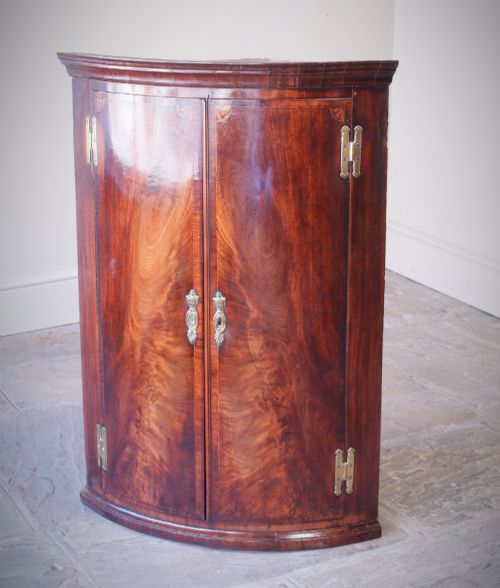
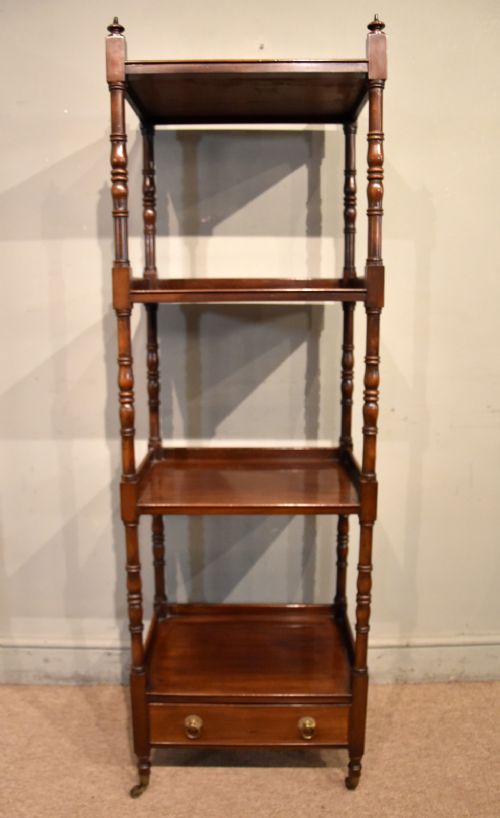
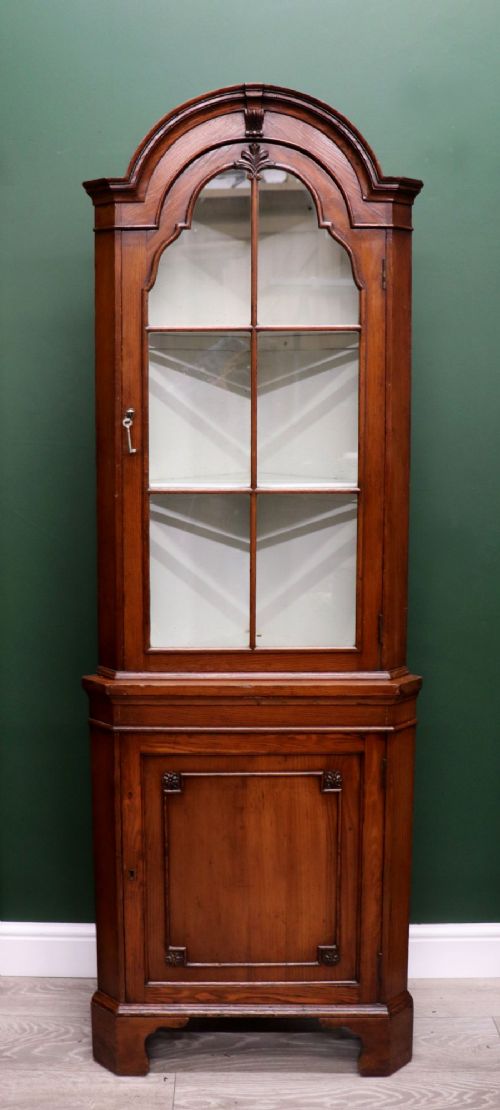
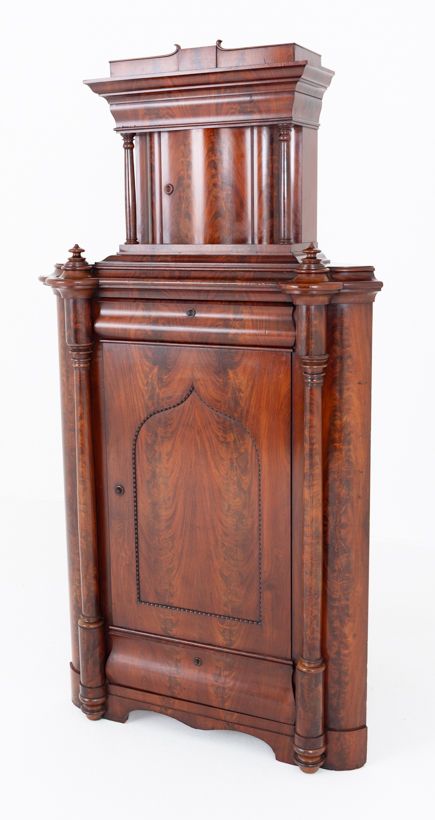
A wooden corner storage unit turns empty angles into functional shelving through corner cupboards, cabinets, and whatnots. These pieces span Georgian, Victorian, Edwardian, and Regency periods, originating from country houses and smaller dwellings alike.
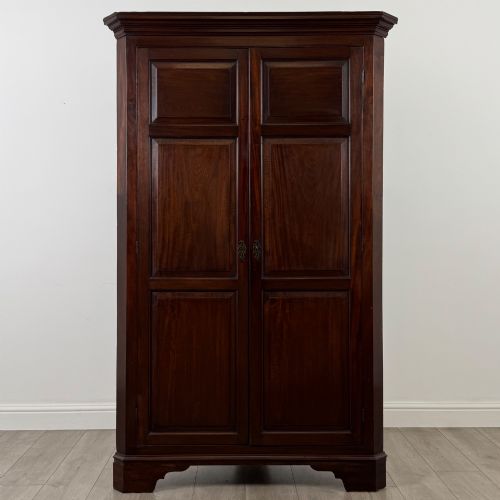
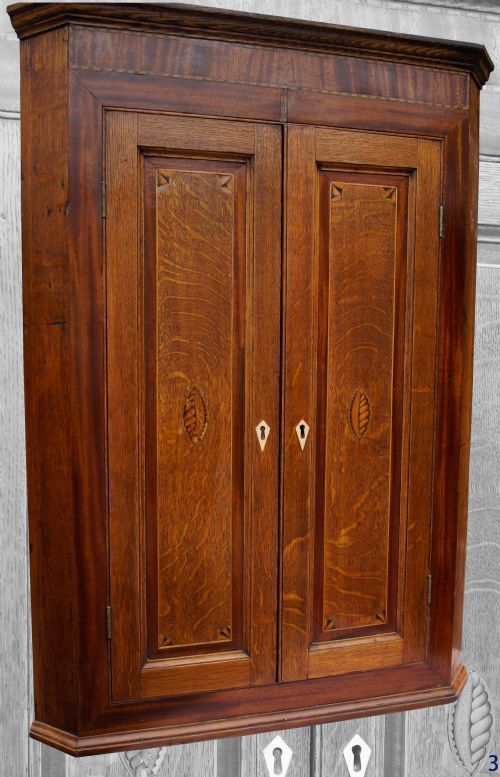
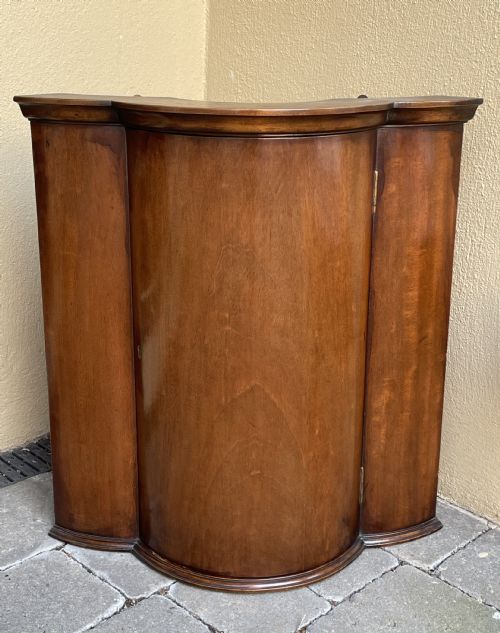
The most common formats on this page are mahogany and oak corner cupboards designed to fit snugly against intersecting walls. Standing floor models and hanging wall versions both appear across the listed periods.
Makers utilised woods such as walnut, pine, and boxwood, sometimes adding glass doors or brass hardware. Regional variations include Welsh designs and Dutch marquetry works.
Materials and Construction
Makers built these units primarily in mahogany and oak, often employing pine for secondary framing and internal shelving. Timber selection governed whether a piece received a clear polish or a painted finish.
Joinery methods involved dovetailing and panel construction to handle the structural demands of angled walls. Boxwood stringing, brass hinges, and glass panels appeared on finer examples from the Georgian and Regency eras.
Wooden Corner Storage Unit Retail Price Guide 2026
Typical asking prices for wooden corner storage unit among the pieces listed under this phrase on Sellingantiques today, from the lower quarter to the upper quarter. They describe what is for sale here now, not the wider market.
Pine pieces survived centuries of service in damp pantries by wearing thick coats of old paint.
Assessing Quality and Construction
Quality separates through timber selection and the crispness of carved or inlaid details. Mahogany and walnut items with fine grain contrast sharply with utility pine pieces meant for hidden service areas.
The integration of original brasses, intact glass, and tight door joints distinguishes superior cabinetry from later alterations. Timber shrinkage and replaced mouldings mark the difference between untouched and heavily restored pieces.
The Wooden Corner Storage Unit Glossary
- Whatnot
- A set of open shelves standing on pillars, used for displaying or storing small objects.
- Bow front
- A convex curved front facade, common on Regency and Georgian storage furniture.
- Marquetry
- Decorative patterns formed by inserting pieces of wood into a veneer, seen on Dutch pieces.
- Boxwood
- A dense, pale wood used for fine stringing inlay and contrasting details.
- Georgian Revival
- A style emulating the architectural and furniture designs of the 18th century.
Wooden Corner Storage Unit: Frequently Asked Questions
What is a wooden corner storage unit?
A wooden corner storage unit is a piece of furniture shaped to fit into the ninety-degree angle of a room. These items maximise floor space by utilising corners that standard rectangular cabinets cannot occupy.
Designs include hanging wall cupboards, tall floor-standing cabinets, multi-tiered whatnots, and low chests. They appear across Georgian, Victorian, and Edwardian periods in timbers like mahogany and oak.
How do I choose between hanging and standing models?
Hanging models mount directly to the wall, freeing up the floor space underneath for other furniture. Floor-standing units rest on the ground and often provide greater internal volume and multiple tiers.
Consider the weight of the timber and the strength of your walls when selecting a hanging cupboard. Standing units require accurate measurement of wall angles to ensure a flush fit.
How do I date a wooden corner unit?
Dating relies on timber choices, construction techniques, and stylistic markers recorded in the listed periods. Georgian pieces frequently feature mahogany or oak with fielded panels and brass H-hinges.
Later Victorian and Edwardian examples introduce machine-sawn timbers, lighter pine carcases, and different inlay styles. Examining the interior construction reveals hand-planed surfaces typical of 18th-century work.
Were these units built for specific rooms?
These cabinets served multiple domestic purposes, from displaying dining china in parlours to storing provisions in country houses. Tall standing cupboards functioned as drinks cabinets or general pantry storage in period homes.
Smaller hanging versions often hung in bedrooms or hallways for everyday items. The triangular footprint suited domestic layouts where wall space was restricted.