


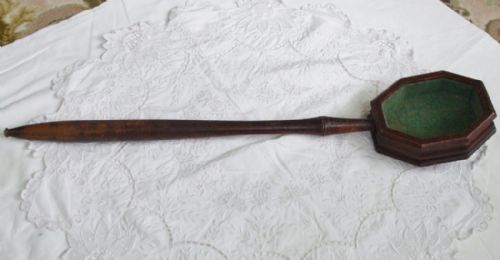


Wooden Collection Box
A wooden collection box gathers funds or mail across centuries, offering solid timber construction and honest period utility.
Wooden Collection Box
A wooden collection box encompasses church alms dishes, postal boxes, ballot containers, and institutional receptacles spanning the eighteenth and nineteenth centuries. These pieces serve functional roles in parishes, country houses, and public institutions, reflecting the administrative and social habits of past eras.
The versions most commonly met on this page range from modest nineteenth-century Victorian country house letterboxes to eighteenth-century walnut examples. Regional items, such as long-arm church collection boxes and Welsh alms dishes, sit alongside French ballot boxes and trench art pieces.
Materials span oak, walnut, mahogany, and satinwood, frequently paired with brass mounts or bone details. Buyers encounter diverse forms associated with games, tobacco, and ecclesiastical use alongside dedicated post and ballot boxes.
Materials and construction methods
Carpenters utilised dense hardwoods including walnut, oak, and mahogany to build sturdy receptacles capable of withstanding regular public or domestic handling. Surface finishes relied on natural timber grains, sometimes enhanced by polished patination over decades of use.
Metal and organic accents such as brass hinges, escutcheons, and bone or mother-of-pearl details provide structural reinforcement and visual contrast. Joinery methods varied according to the date, ranging from eighteenth-century cabinet work to later Victorian institutional manufacturing.
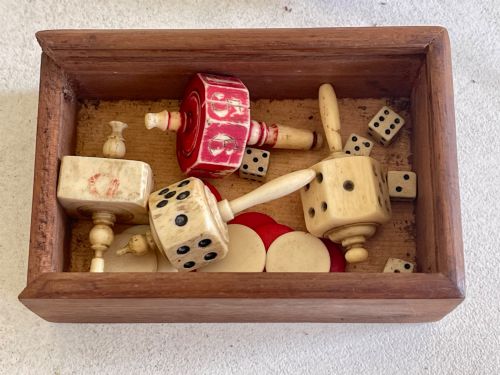
Prisoner-of-war bone teetotums remind us that intricate games were whiled away in captivity with surprising patience.
Judging quality and craftsmanship
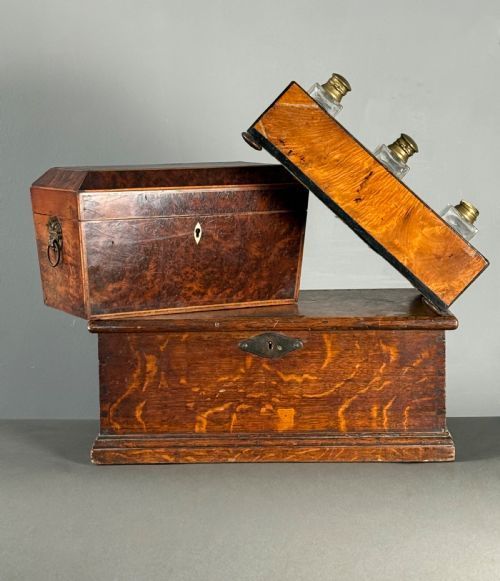
Quality reveals itself in the selection of timber figures, such as burr walnut or figured mahogany, and the precision of the brass hardware fitted to the box. Superior examples display thoughtful proportions and intact original mounts rather than later replacements.
The integrity of the construction and the subtlety of decorative details, including bone inlay or moulded mouldings, separate standard utility items from finer cabinet-made examples. Preservation of surface texture and honest patination indicate how well the timber has aged.
The Wooden Collection Box Glossary
- Alms dish
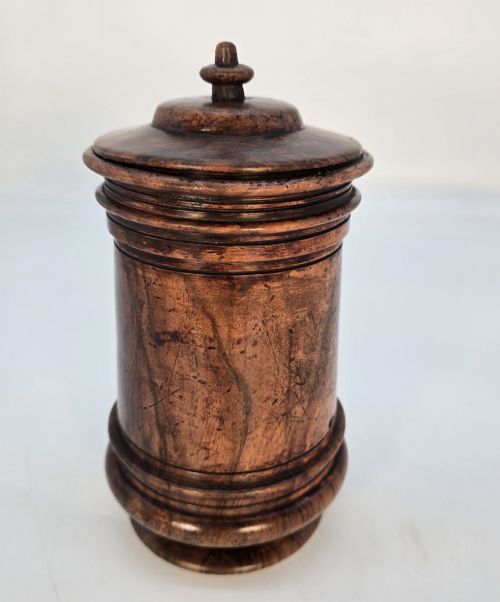
- A shallow vessel or box used in churches for collecting monetary offerings from the congregation. These pieces often feature turned wooden construction or metal mounts.
- Ballot box
- A secure container utilised for casting secret votes, frequently fitted with specialised internal mechanisms or sliding lids. French nineteenth-century examples demonstrate distinct regional cabinet-making styles.
- Escutcheon
- A protective brass plate surrounding a keyhole on a box or lid. These fittings secure the mechanism while adding a decorative metallic contrast to the timber surface.
Wooden Collection Box: Frequently Asked Questions
What were wooden collection boxes used for?
These boxes served multiple functions across domestic, ecclesiastical, and public spheres. Examples include church alms collection, household postal sorting, and ballot casting.
Institutional settings required secure locking mechanisms and wall-mounted or long-arm formats. Domestic variants handled correspondence, games, and tobacco within country houses.
How can I date a wooden collection box?
Dating relies on timber selection, construction techniques, and stylistic markers associated with Georgian or Victorian periods. Eighteenth-century pieces frequently employ walnut or mahogany with simpler, robust joinery.
Later nineteenth-century examples often incorporate brass mounts, stamped hardware, or specific institutional labelling. Comparing the patination and hardware style helps clarify the era of production.
Are these boxes suitable for daily use?
Most historic boxes function well for modern storage of letters, small items, or games compendiums. Their sturdy hardwood construction remains durable after centuries of handling.
Care should be taken with delicate bone details or historic brass hinges to preserve their original condition. Placing them in stable indoor environments protects the timber from extreme humidity shifts.
What woods were commonly used?
Cabinet makers and joiners relied on durable hardwoods such as oak, walnut, and mahogany. These timbers offered structural stability and attractive grain patterns suited to polished finishes.
Satinwood and burr walnut appear on finer decorative compendiums and letterboxes. Brass and bone frequently supplement the primary timber structure for functional reinforcement.