




French Storage Box
A French antique storage box brings centuries of regional craft and practical utility directly into a modern room.
French Storage Box
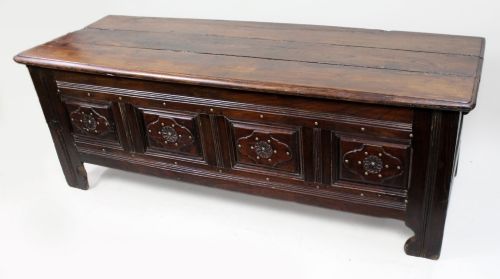
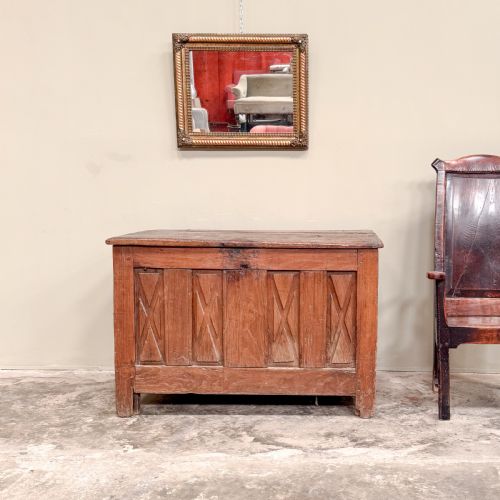
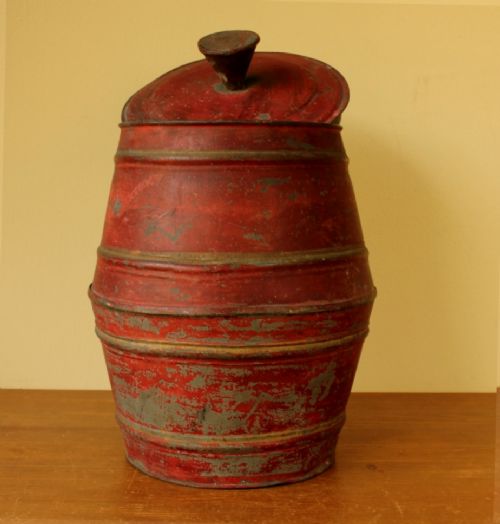
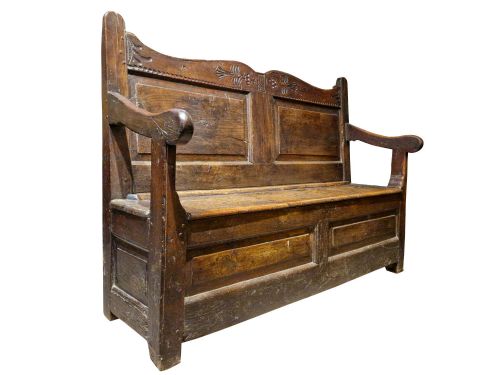
A french antique storage box encompasses a broad range of vessels, from heavy oak coffers and dough bins to tea caddies and decorative caskets. The selection on this page relies heavily on nineteenth-century pieces, alongside seventeenth and eighteenth-century examples built for provincial and domestic use.
Buyers will encounter heavy storage chests and blanket boxes alongside smaller tabletop pieces like tea caddies, faux book caskets, and snuff boxes. Regional variations include elm cannonball boxes with iron hasps and cherrywood blanket boxes, reflecting the diverse practical needs of past French households.
Larger items like coffers and dough bins provide substantial floor storage, while smaller boxes serve for desk organisation or tabletop display. Each piece bridges utility and ornament, maintaining the functional integrity for which these containers were originally constructed.
Materials and Construction Methods
Makers built these pieces primarily from domestic hardwoods such as oak, walnut, cherry, and elm, relying on sturdy joinery to withstand heavy daily use. Iron hasps, brass mounts, and carrying hoops provide structural reinforcement and secure closures on utilitarian bins and coffers.
Finer tabletop items utilise luxury veneers including mahogany, satinwood, and tortoiseshell, often enhanced with ormolu mounts or intricate boulle work. Leather tooling and silver gilt appear on smaller caskets and trinket boxes, showing meticulous attention to decorative surface detail.
Listings feature storage containers spanning five centuries, from seventeenth-century oak coffers to mid-twentieth-century leather faux book caskets.
Determining Quality in Period Boxes
Quality rests upon the integrity of the timber selection and the precision of the primary joinery, whether dealing with a rough-hewn dough bin or a polished mahogany wine cooler. Original hardware, including working locks, keys, and iron strapwork, elevates the standing of a piece considerably.
The finesse of surface decoration marks the divide between utilitarian containers and high-status objects. Crisp carving on oak coffers contrasts with the delicate precision required for boulle work, tortoiseshell inlay, and ormolu mounts found on nineteenth-century caddies.
Tahan of Paris·Lund Of Cornhill·Louis Vuitton France·Hermes·Gillows
The French Storage Box Glossary
- Coffer
- A large wooden chest traditionally used for storing valuables or household goods. These heavy pieces often feature robust oak construction and iron locking mechanisms.
- Dough Bin
- A deep wooden trough with a lid, originally utilised for proving bread dough in domestic kitchens. They are frequently constructed from elm, walnut, or pine.
- Boulle
- An elaborate form of marquetry employing brass and tortoiseshell, developed in France and popular on nineteenth-century luxury boxes.
- Ormolu
- Gilt-bronze mounts applied to furniture and decorative boxes for ornamentation. The technique adds metallic lustre and architectural definition to the corners and feet.
- Cellarette
- A lockable container designed to hold bottles of wine or spirits. Examples from the nineteenth century often incorporate mahogany or styling influenced by French design.
French Storage Box: Frequently Asked Questions
What was a dough bin used for?
A dough bin served as the primary vessel for mixing and proving bread in traditional French households. The deep wooden trough allowed yeast dough to rise securely beneath a fitted lid.
Today, these pieces function well as side tables or deep storage chests in living spaces, retaining their rustic charm and tactile wood grain.
How do I identify an eighteenth-century coffer?
Eighteenth-century coffers typically display hand-planed oak planks, pegged joints, and heavy iron hinges. Their construction is straightforward and utilitarian, designed for durability rather than delicate display.
Examining the underside and interior surfaces reveals tool marks left by period hand-joinery, distinguishing genuine age from later reproductions.
Are boulle boxes fragile?
Boulle work combines delicate brass and tortoiseshell inlay, which requires a stable indoor climate to prevent movement in the underlying wood base. Gentle handling and avoidance of direct sunlight protect the intricate surfaces.
Regular dusting with a dry cloth keeps the metal and shell secure without risking moisture damage to the historical adhesives.
What is the difference between a tea caddy and a trinket box?
A tea caddy was engineered specifically to store dry tea leaves securely, often featuring internal lidded compartments and mixing bowls. They reflect the high value placed on imported tea during past centuries.
Trinket or snuff boxes are smaller in scale, designed for personal accessories and pocket items rather than dry foodstuffs.