

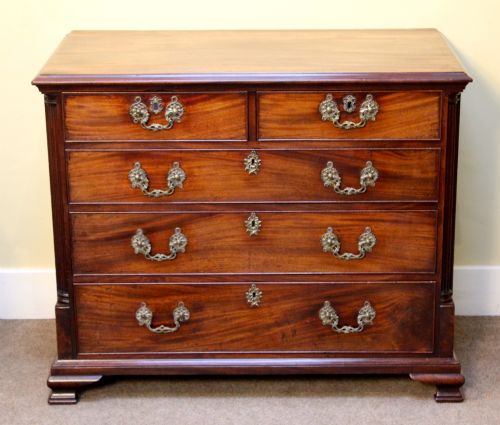
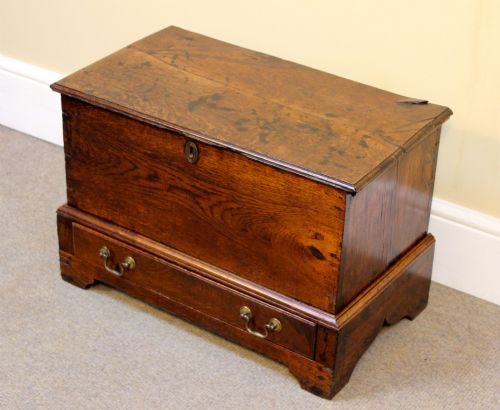
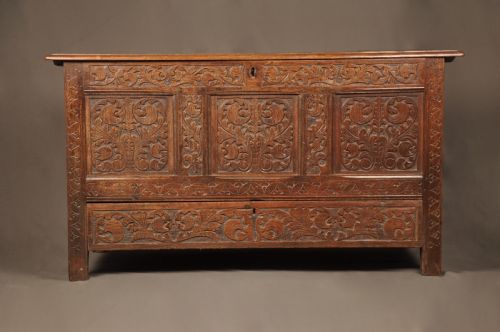
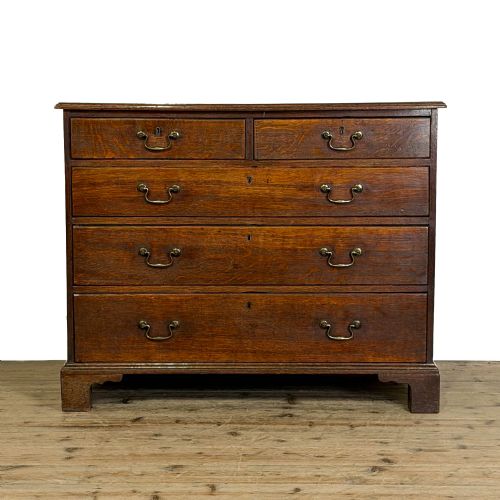
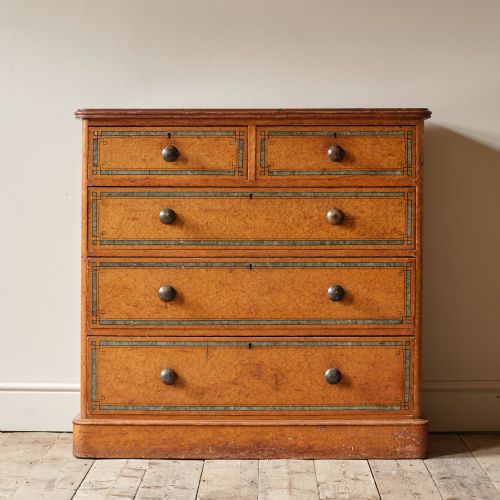
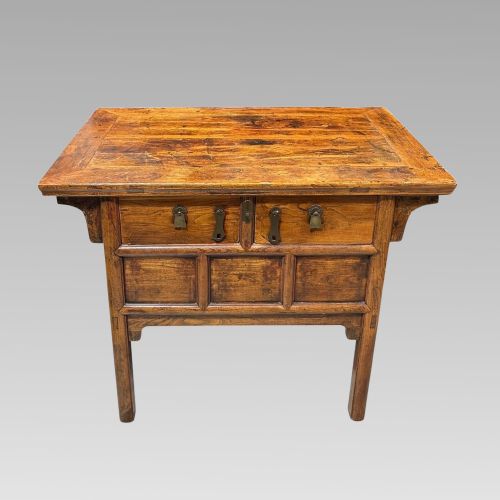
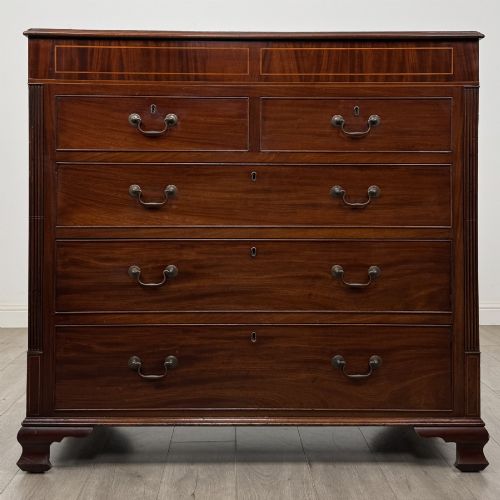
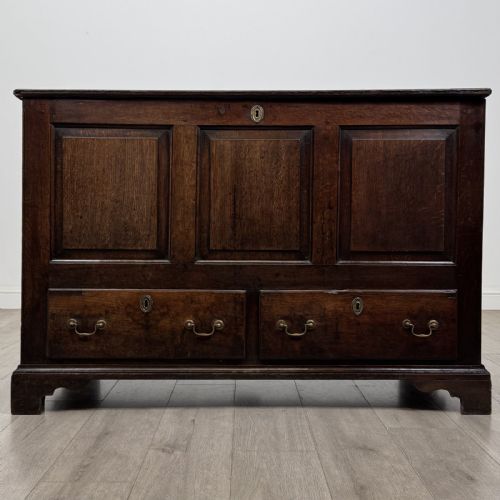
Wooden Coffer with Drawers
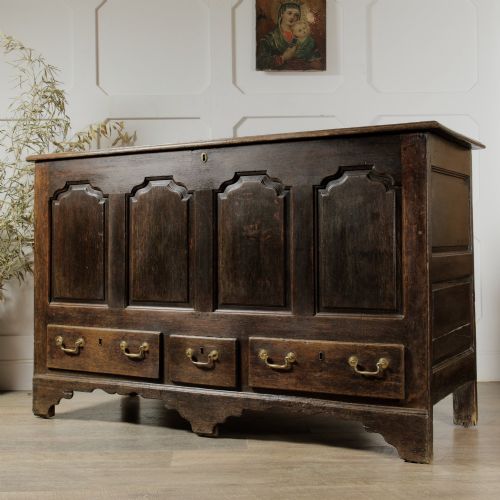
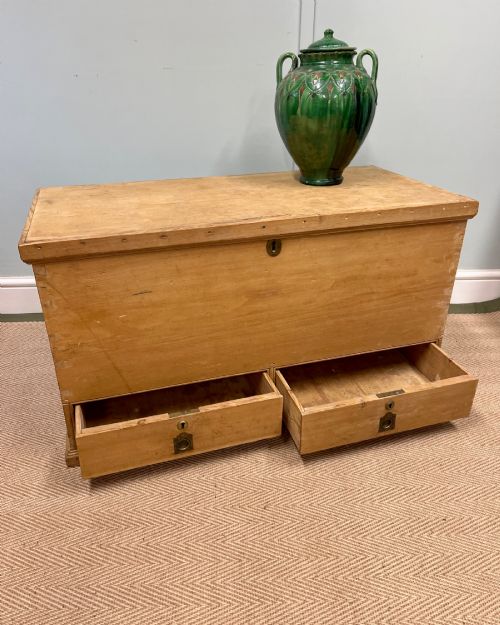
These robust wooden coffer with drawers pieces combine secure storage with basal drawer space, bridging the gap between traditional blanket boxes and modern chests.
Wooden Coffer with Drawers
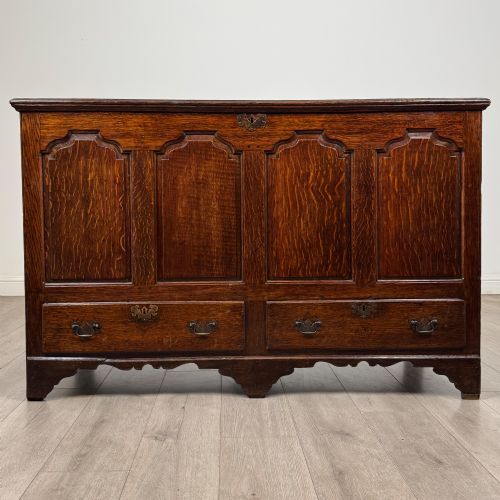
A wooden coffer with drawers typically takes the form of a mule chest or coffer bach, uniting a hinged trunk top with one or more lower drawers. These hybrid items evolved to house linens and garments while offering easier access to smaller items kept in the base.
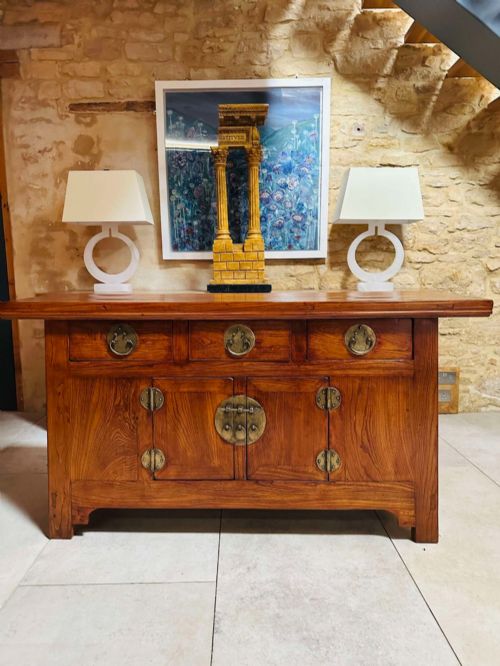
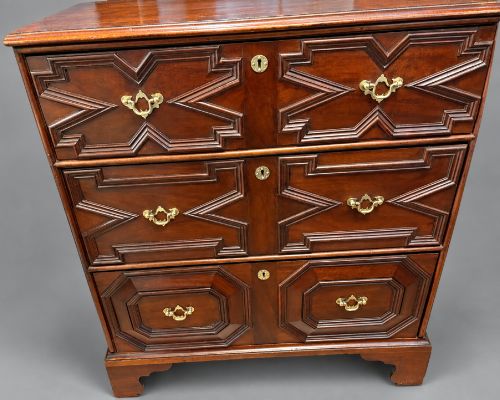
The pieces appearing on this page span several centuries, with robust examples originating from the seventeenth, eighteenth, and nineteenth periods. Oak and pine dominate the selection, often shaped by regional vernacular traditions in England and Wales.
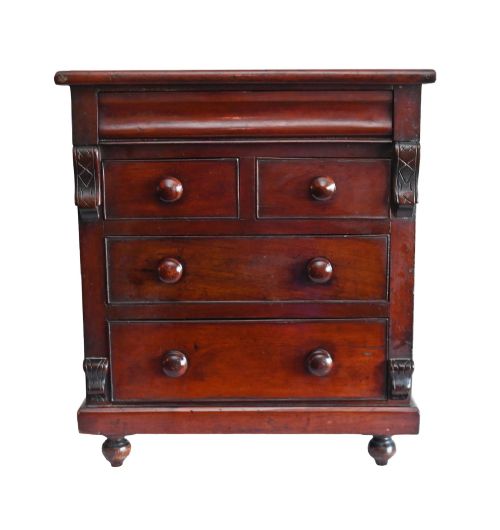
Buyers will frequently encounter generous proportions intended for domestic storage, alongside smaller table boxes and coffer bach variants designed for more compact spaces. The primary function remains straightforward containment, enriched by regional craftsmanship and utilitarian evolution.
Materials and construction
Construction relies heavily on native timbers such as oak, pine, and elm, assembled using pegged joints and panelled frames. Cabinetmakers selected these dense woods to withstand heavy daily use in domestic settings.
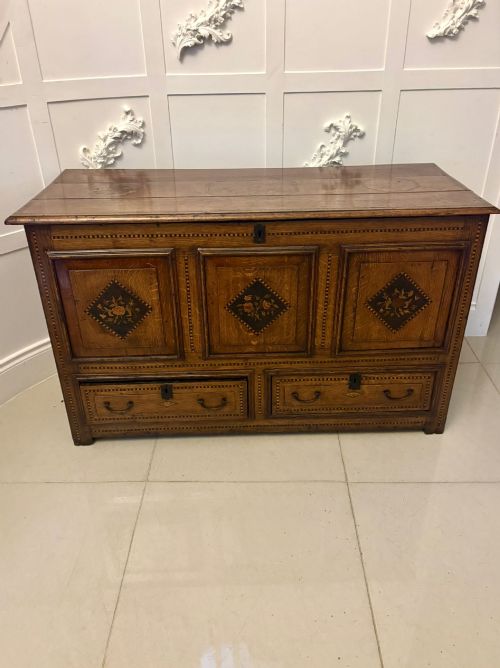
Secondary materials like brass and iron provide essential reinforcement through strap hinges, escutcheons, and drawer pulls. Marquetry inlay occasionally surfaces on select panels, adding decorative contrast to the plain timber surfaces.
Wooden Coffer with Drawers Retail Price Guide 2026
Typical asking prices for wooden coffer with drawers among the pieces listed under this phrase on Sellingantiques today, from the lower quarter to the upper quarter. They describe what is for sale here now, not the wider market.
Several pieces conceal tiny internal compartments for secret documents, proving that past generations loved hiding things just as much as we do.
Qualities of distinction
The calibre of a wooden coffer with drawers rests in the integrity of its timber selection and the retention of original surface patination. Untouched waxed finishes and minimal structural intervention elevate a piece above heavily restored alternatives.
Proportion and decorative restraint dictate visual success, where hand-carved panels, dovetail joints on drawers, and original brass hardware contribute to a cohesive design. Subtle details such as burr elm panels or internal secret compartments separate standard utility boxes from superior cabinetwork.
The Wooden Coffer with Drawers Glossary
- Mule chest
- A storage chest fitted with one or more drawers beneath the main lift-up compartment. This form bridged the transition between simple blanket boxes and multi-drawer chests.
- Coffer bach
- A small Welsh coffer, often elevated on short feet or a stand, traditionally utilised for storing personal valuables and linens. These compact chests reflect distinct regional furniture traditions.
- Marquetry inlay
- The art of applying small pieces of veneered wood into a structured surface to form decorative patterns. This technique enhances panels with contrasting geometric or floral motifs.
- Panel construction
- A method of joining timber where a central floating board fits within a grooved frame. This technique accommodates the natural expansion and contraction of wood across changing seasons.
Wooden Coffer with Drawers: Frequently Asked Questions
What is a mule chest?
A mule chest is essentially a coffer with one or more drawers built into the base beneath the main lifting lid. This design allowed users to retrieve stored items from the bottom drawers without needing to clear objects off the top of the box.
Over time, this hybrid form became a staple in domestic interiors, providing versatile storage for both bulky textiles and smaller garments.
How do I date an old wooden chest?
Dating involves examining the construction methods, tool marks, and timber species used throughout the carcass. Hand-cut dovetails, pegged mortise and tenon joints, and native hardwoods like English oak typically point towards earlier eighteenth or seventeenth century origins.
Later nineteenth century examples often introduce softer pines, machine-sawn elements, and different fastening hardware that help distinguish them from earlier vernacular pieces.
How do I maintain a waxed wooden trunk?
Maintaining a waxed timber surface requires occasional applications of a quality beeswax to nourish the wood and protect the grain. Avoid placing antique trunks near direct heat sources or in areas with fluctuating humidity to prevent timber splitting.
Regular dusting with a soft, dry cloth keeps the surface clean without stripping the historic patina built up over centuries.