

Wooden Coffer Seat
A wooden coffer seat combines domestic storage with sturdy timber seating, offering both utility and historic character for hallway or fireside use.
Wooden Coffer Seat
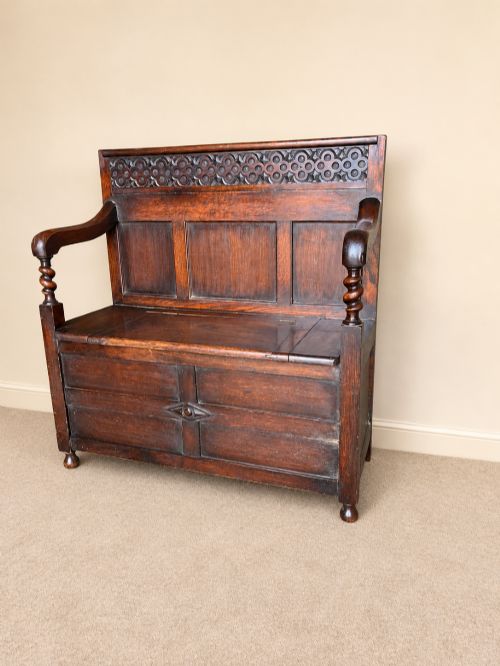
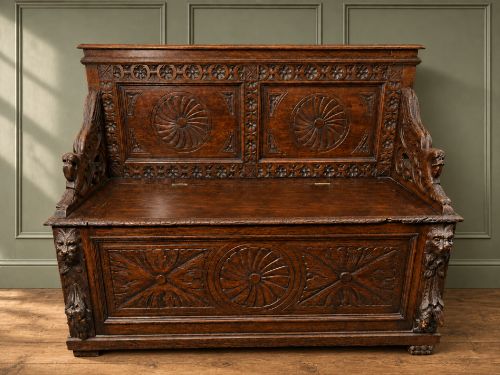
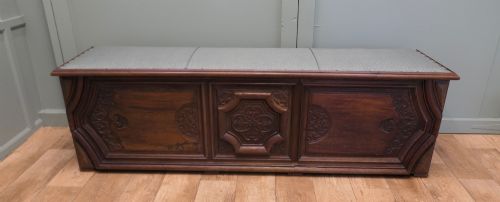
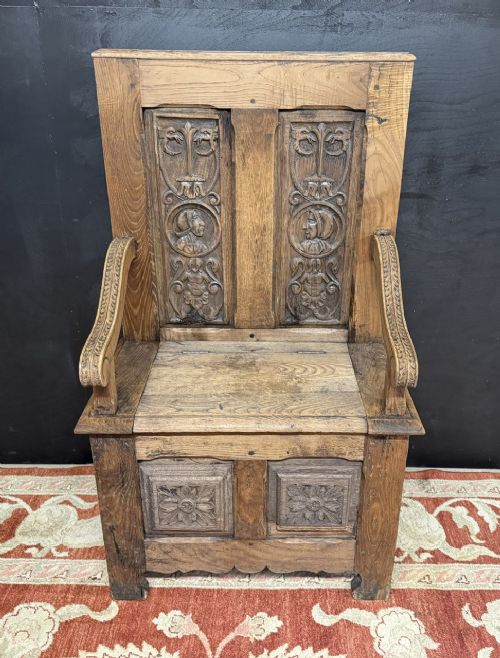
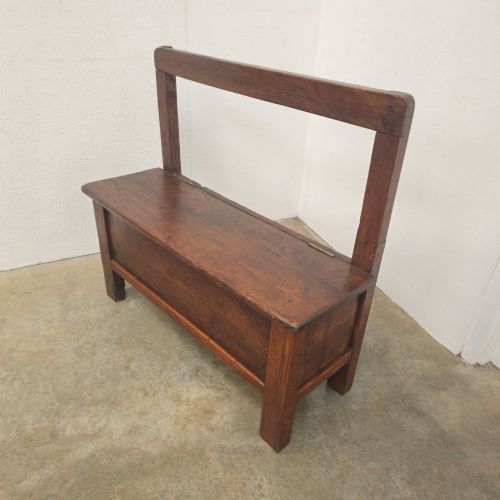
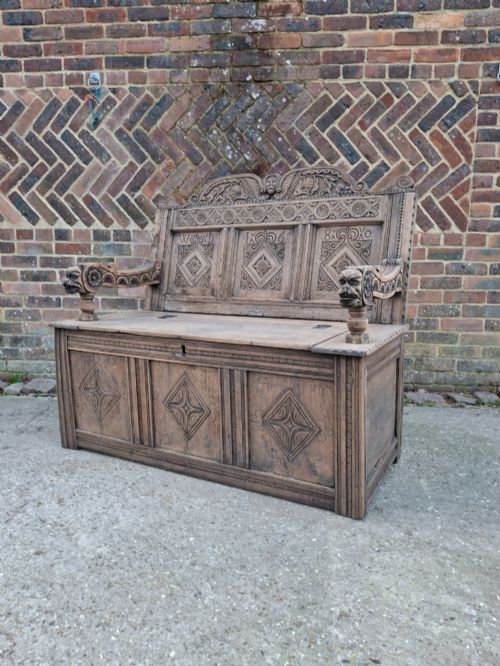
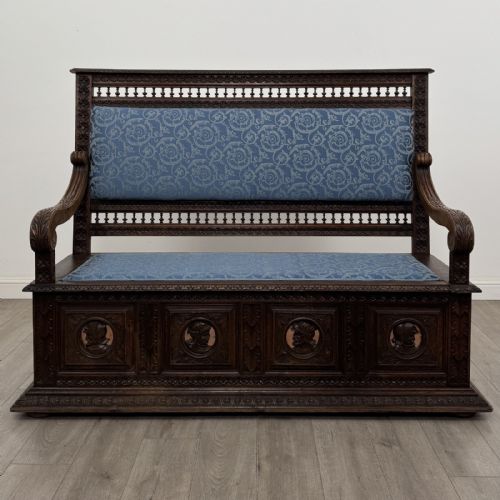
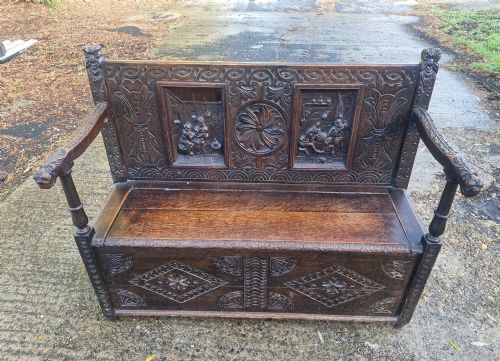
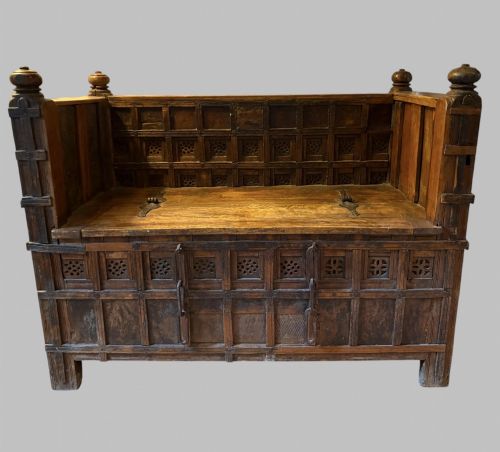
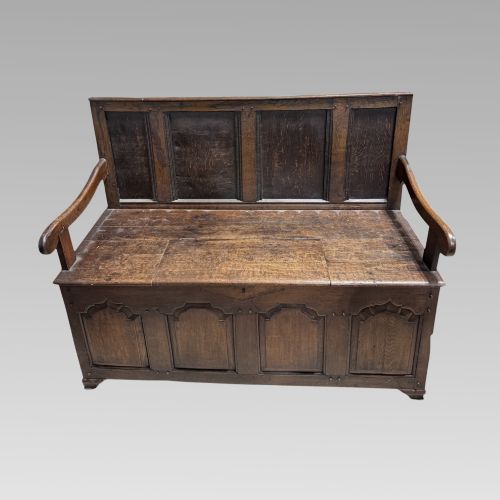
Buyers seeking a wooden coffer seat look for multi-functional antique furniture that conceals storage beneath a hinged bench top. These pieces appear under various historical terms such as box settles, hall benches, and monks benches.
The selections span centuries of cabinet making, with 18th century and Victorian examples forming the majority of the current inventory. Regional workshops from Wales, Scotland, and continental Europe produced distinct regional variations in proportion and ornamentation.
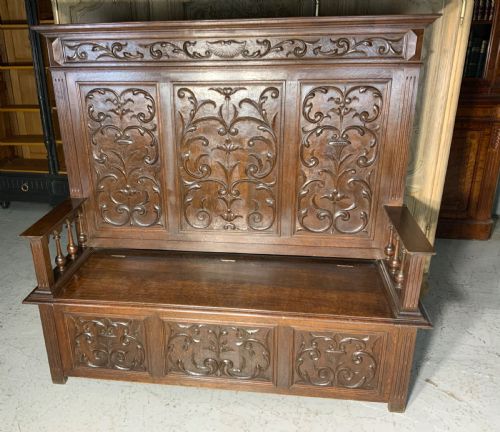
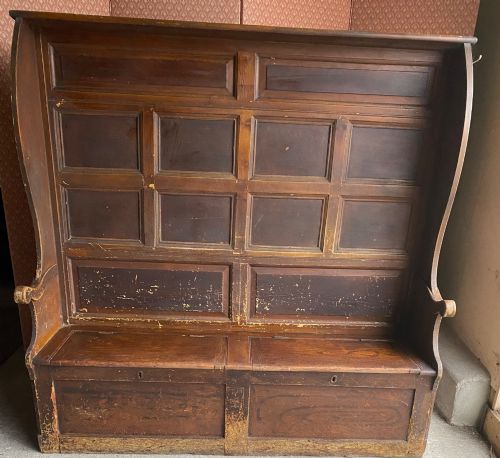
Most examples function as entrance hall seating, utilising deep storage compartments originally designed to keep draughts away from firesides. High-backed panelled variants predominate, though smaller lift-lid box stools and convertible table forms also occur.
Materials and Construction Methods
Oak remains the predominant timber, supplemented by pine, ash, elm, and exotic hardwoods. Joinery relied on traditional mortise and tenon frames combined with hand-carved panels.
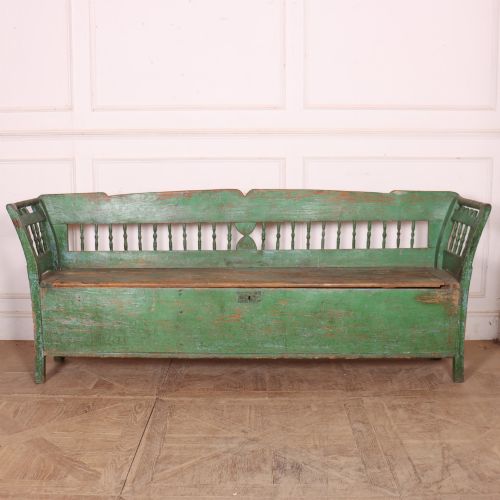
Surface finishes range from waxed patinated timber to historical painted blue and black coatings. Iron hinges and brass fittings secure the lift-up lids and fold-over mechanisms.
Wooden Coffer Seat Retail Price Guide 2026
Typical asking prices for wooden coffer seat among the pieces listed under this phrase on Sellingantiques today, from the lower quarter to the upper quarter. They describe what is for sale here now, not the wider market.
Regional variants in the selection include Welsh, Scottish, English, French, Hungarian, and Austrian country house workshops.
Distinguishing Quality in Construction and Carving
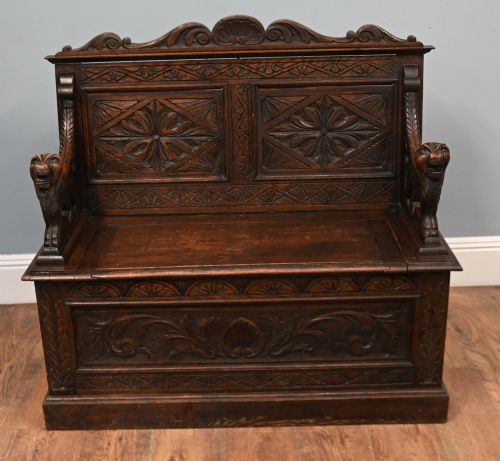
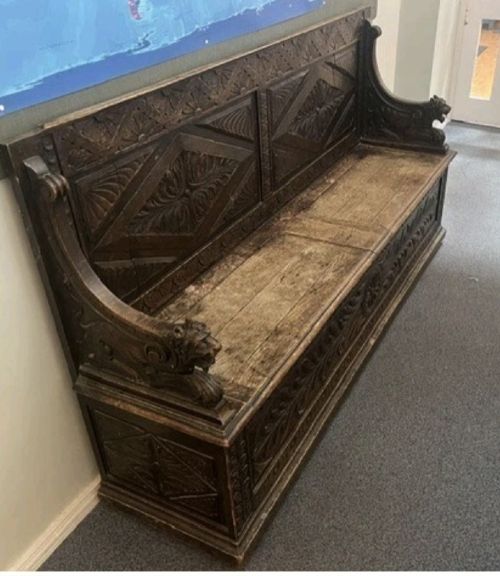
Quality rests upon the integrity of the original timber frame and the depth of hand-carved detailing on the back panels. Deep relief work and intact original box bases separate superior country house examples from simpler utilitarian forms.
The retention of original iron hardware, hinges, and untouched aged patina dictates the desirability of a piece. Altered lids, replaced floorboards in the box section, or heavily restored surfaces alter the historical integrity.
The Wooden Coffer Seat Glossary
- Box settle
- A high-backed wooden bench featuring a compartment beneath the seat accessed via a lift-up lid. This design kept living spaces tidy and blocked cold draughts.
- Monks bench
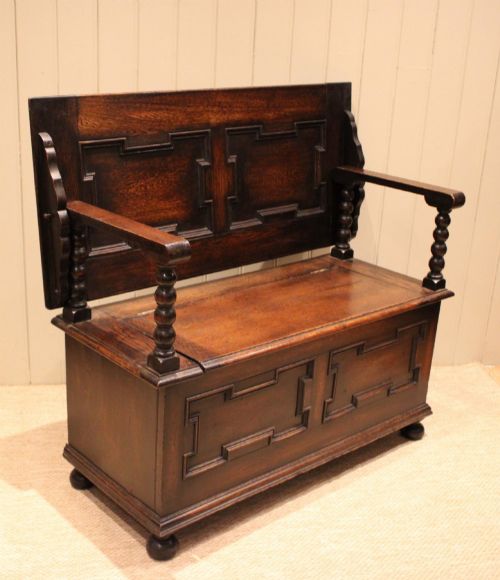
- A convertible seat whose back folds down flat over the armrests to form a table top. This dual-purpose form became popular during revival periods.
- Panelling
- Framework constructed from fitted wooden stiles and rails enclosing thinner central boards. It added structural rigidity to large backrests without excessive weight.
- Vernacular
- Furniture built by local tradesmen using regional traditions and available regional timbers rather than adhering to formal London design patterns.
Wooden Coffer Seat: Frequently Asked Questions
How do I date an antique wooden coffer seat?
Dating relies on examining the joinery methods, tool marks, and wood shrinkage patterns visible on the underside and interior panels. 17th and 18th-century examples display pegged mortise and tenon joints with hand-planed surfaces.
Later Victorian and revival pieces often exhibit machine-cut components, standardised screws, and deep mechanical relief carvings such as green man motifs.
Were these seats used outdoors?
Historic box settles and hall benches were strictly interior furnishings designed for farmhouses, great halls, and cottages. Their enclosed bases protected stored linens, dry goods, or garments from dampness.
Placing them outdoors exposes the dry historic timbers and old wax finishes to moisture, which damages the joints and degrades the wood.
How do I maintain the wood finish?
Preserving the surface requires occasional applications of traditional beeswax rather than modern liquid polishes or silicones. This feeds the dry timber and maintains the natural patina accumulated over centuries.
Keep the furniture away from direct heat sources and dramatic humidity fluctuations to prevent the oak or pine panels from splitting.