

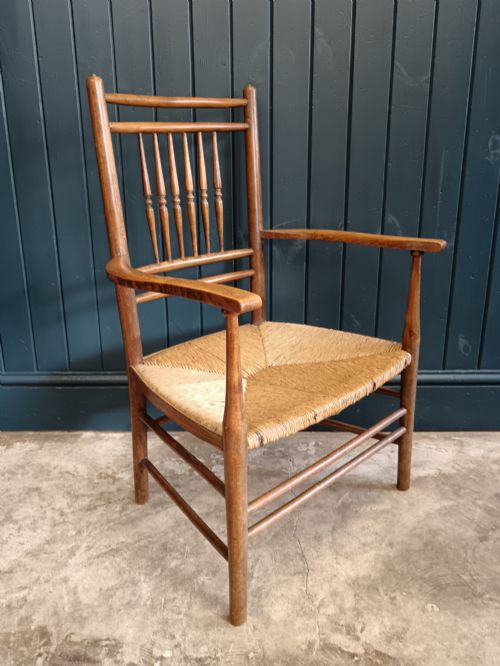


Wooden Arts Crafts Armchair
A wooden arts crafts armchair brings honest construction and simple materials into daily seating, rooted in the design movements of the late nineteenth and early twentieth centuries.
Wooden Arts Crafts Armchair
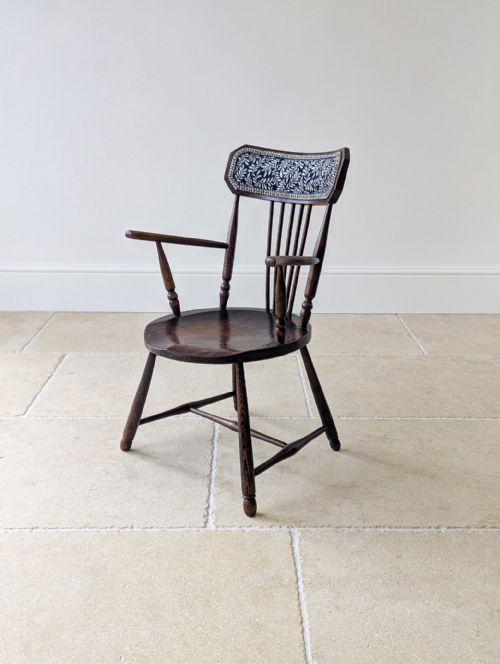
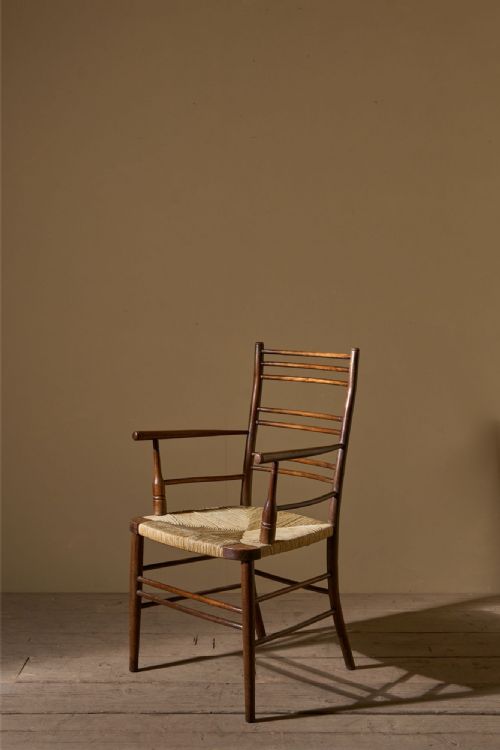
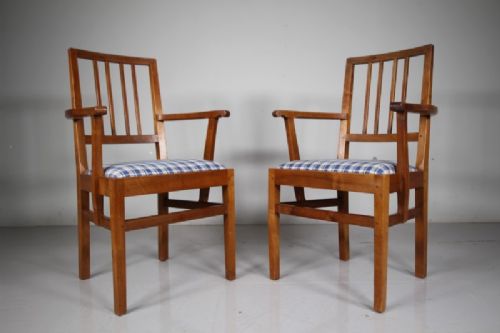
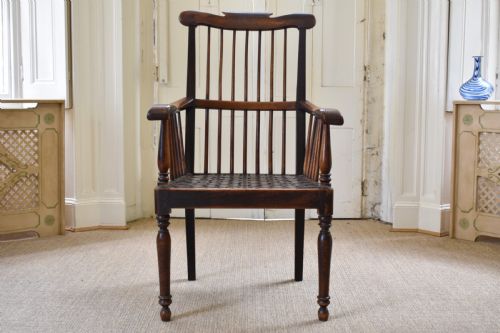
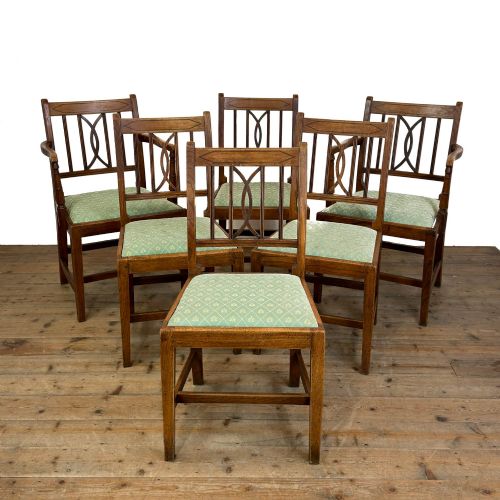
A wooden arts crafts armchair embodies the philosophy of honest construction, functional simplicity, and rejection of mass-produced ornamentation. When searching for a wooden arts crafts armchair, buyers encounter pieces ranging from spindle-backed fireside chairs to substantial oak desk chairs and low rush-seated designs.
The selections span periods from the late nineteenth century through the Edwardian era up to the 1930s. Oak is the primary timber met here, complemented by elm, beech, walnut, mahogany, fruitwood, laburnum, and teak.
Makers and designers of note include Liberty, Morris and Co, Philip Webb, Philip Clissett, Edward Barnsley, E W Godwin, Kendrick and Jefferson, Shoolbred, Dicon Nance of the St Ives Studio, and Wheelers of Arncroach.
How they were made
Makers utilised solid timbers such as oak, elm, beech, and mahogany, often leaving the natural grain visible through clear finishes or ebonisation. Construction relied on traditional joinery methods, visible pegged joints, and turned spindles.
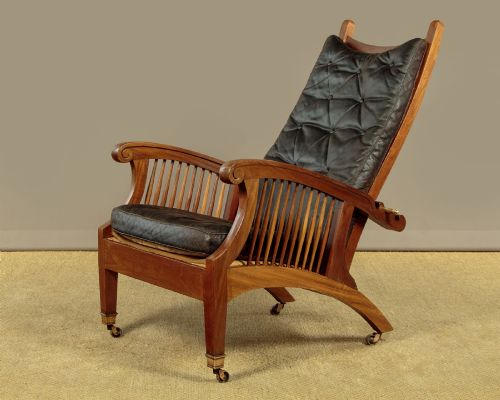
Seats incorporated woven natural rush, leather panels, upholstered fabric, or dropped-in pads. Details included ladder backs, high backs, adjustable reclining mechanisms, and carved panel detailing.
Listings feature oak as the dominant timber alongside rush seating and reclining mechanisms dating from the nineteenth and twentieth centuries.
What varies in quality
Quality separates through the integrity of the timber selection, the crispness of the turned spindle work, and the tightness of the joinery. Workshop attribution and maker stamps elevate examples significantly above anonymous commercial production.
The survival of original woven rush seats, undisturbed ebonised finishes, and authentic leather or fabric upholstery panels distinguishes superior survivals from later alterations.
Liberty Morris And Co·Philip Webb·Philip Clissett·Edward Barnsley·E W Godwin·Kendrick And Jefferson·Shoolbred·Dicon Nance St Ives Studio·Wheelers Of Arncroach
The Wooden Arts Crafts Armchair Glossary
- Rush seat
- A seating surface woven from natural marsh rushes, commonly found on ladder-back and Sussex chairs. This technique provides a resilient and textured pad.
- Ladder back
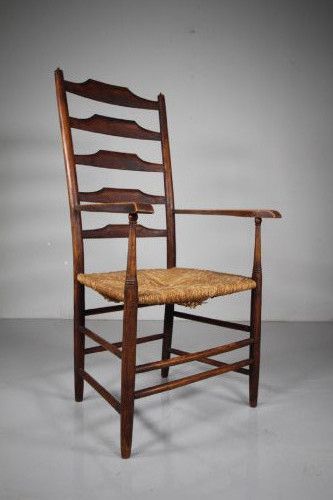
- A chair back featuring horizontal slats or rails between the vertical uprights. This form draws on traditional vernacular furniture designs.
- Ebonised
- Wood treated with a dark stain or chemical process to imitate ebony. This finish was favoured by designers associated with the Aesthetic Movement.
- Spindle back
- A chair back constructed with numerous thin turned wooden rods. It offers light structural support while maintaining visual openness.
Wooden Arts Crafts Armchair: Frequently Asked Questions
How do I identify an arts and crafts armchair?
Look for visible construction methods such as pegged joints, straight-grained oak timbers, and unpretentious structural lines. These chairs prioritise functional utility over applied decorative carving.
Decoration emerges naturally from the construction, including ladder backs, turned spindles, and woven rush seats. Stamped maker marks or workshop attributions often confirm origin.
What is a Sussex armchair?
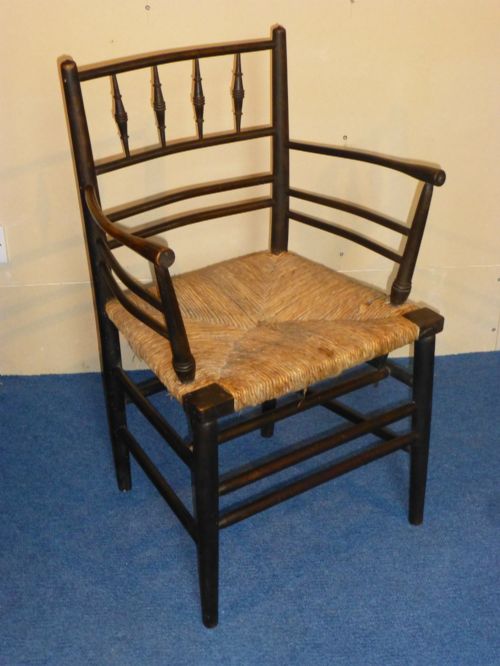
A Sussex armchair is a lightweight seating design inspired by traditional vernacular Sussex country chairs. These pieces typically feature spindle backs and woven rush seats.
Associated with manufacturers like Morris and Co and designers such as Philip Webb and E W Godwin, they gained popularity for domestic fireside and bedroom use.
Are these chairs suitable for daily use?
Solid timber construction and sturdy joinery make these armchairs durable for everyday seating. Many examples function well as desk chairs or fireside reading seats.
Care should be taken with delicate woven rush seats and antique upholstery panels. Periodic checks of the joints help maintain stability over time.
How do I care for a rush seat?
Natural rush seats require a dry environment and protection from excessive moisture to prevent brittleness. Gentle dusting with a soft brush keeps the weave clean.
Avoid sitting on rush seats with sharp objects that could snap the dried plant fibres. Maintaining stable indoor humidity preserves the material.