
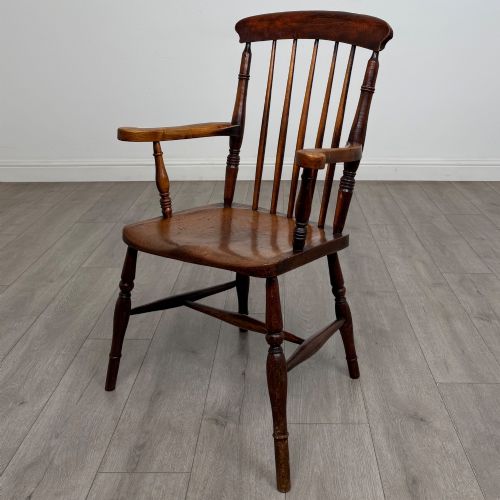
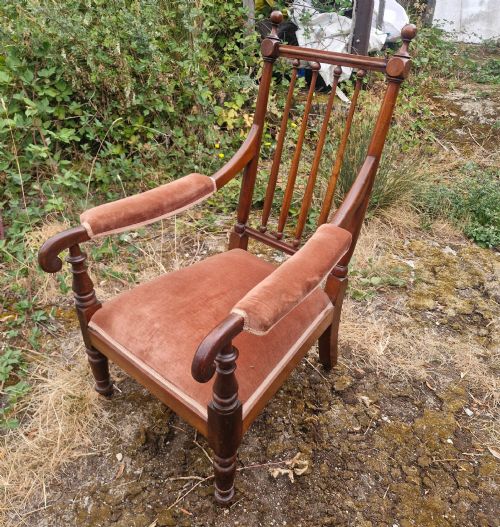
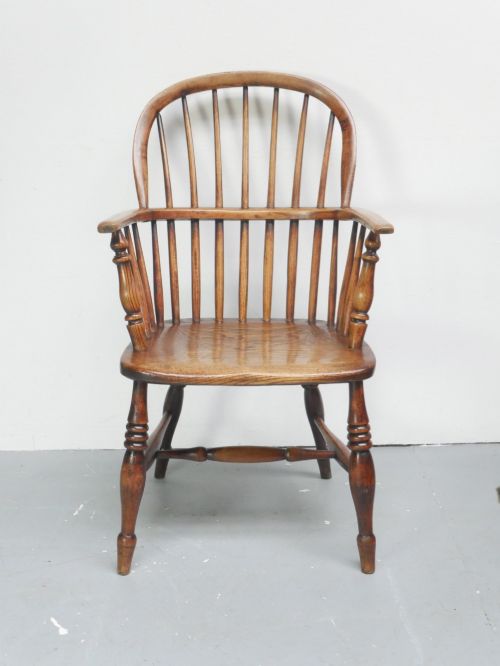
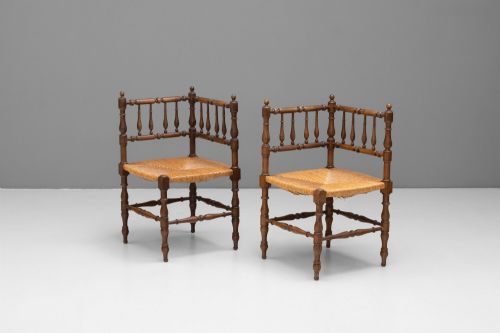
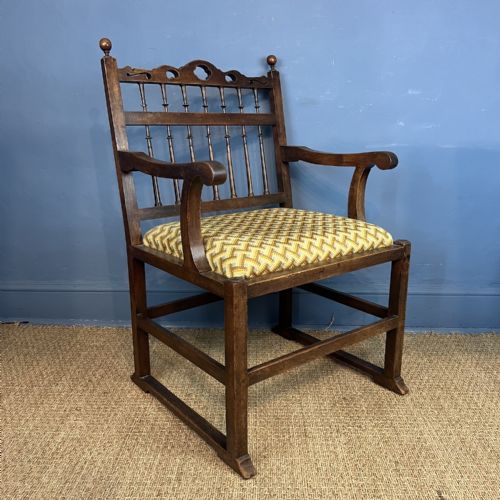
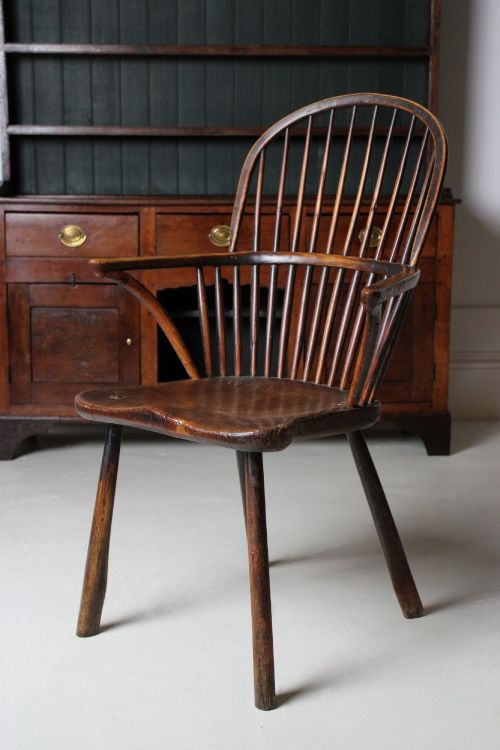
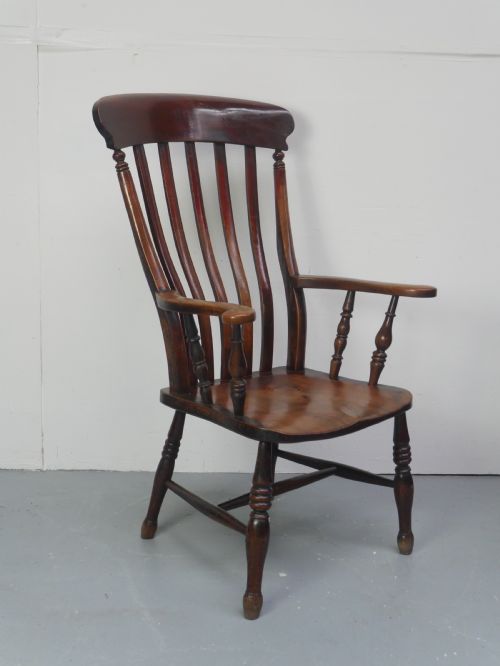
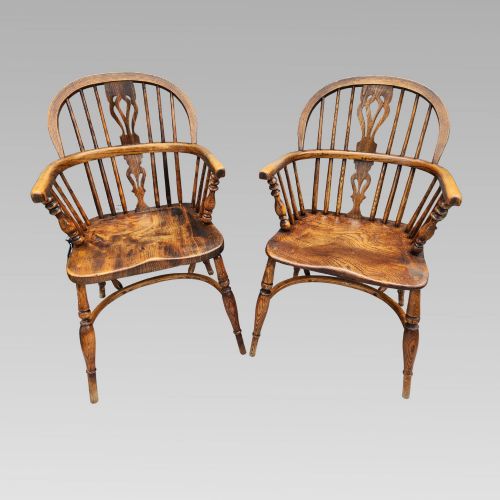


Spindle Back Fireside Chair
A spindle back fireside chair offers honest vernacular seating, built from native timbers to warm the hearth.
Spindle Back Fireside Chair
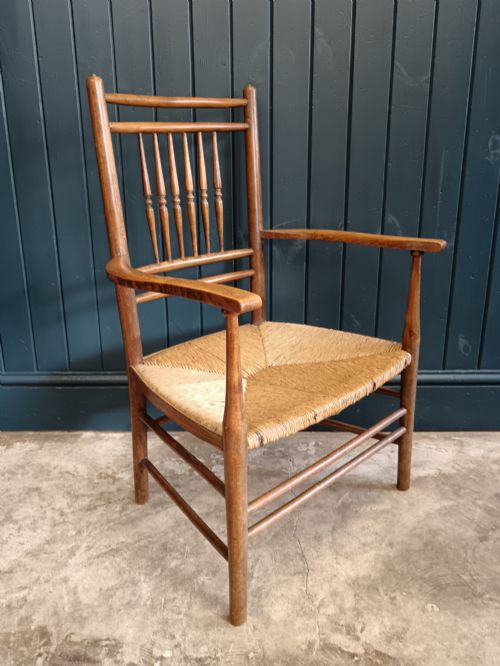
A spindle back fireside chair brings robust country seating to the hearth, combining sturdy turned uprights with comfortable wooden or rushed seats. You will frequently encounter these pieces framed in sturdy timbers like elm, ash, and beech across Victorian and Georgian eras.
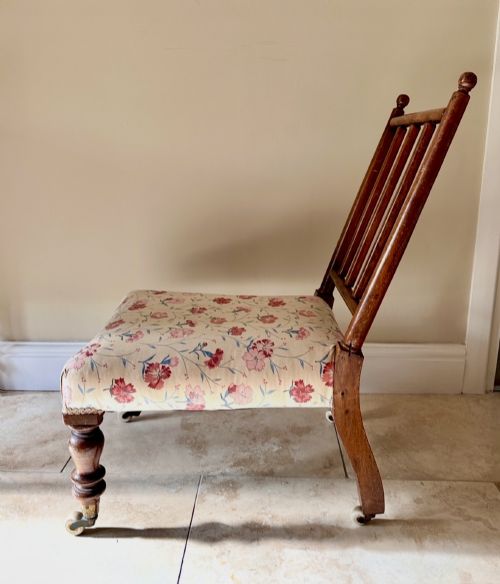
The form spans versatile armchairs, rocking chairs, and low nursing seats designed for warmth and utility by the fire. Makers built these chairs for daily domestic service rather than formal display, resulting in honest vernacular seating that suits modern interiors.
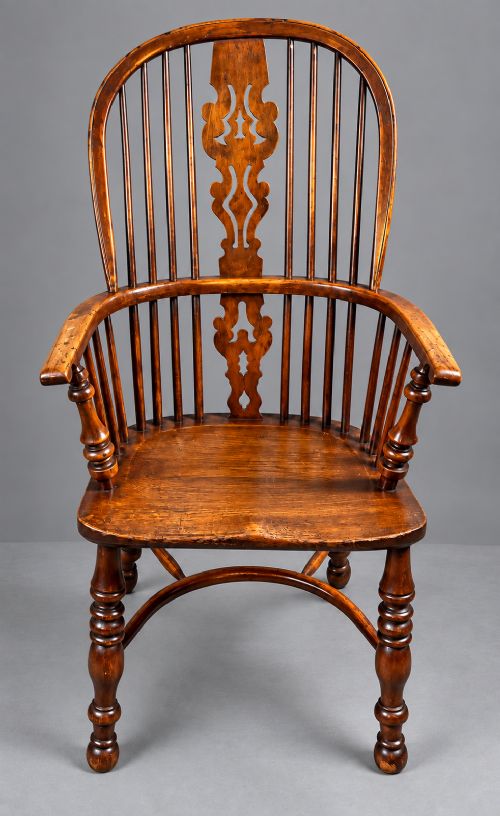
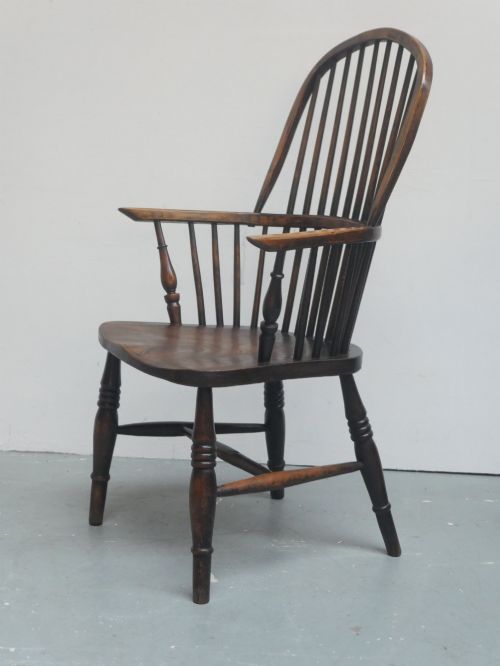
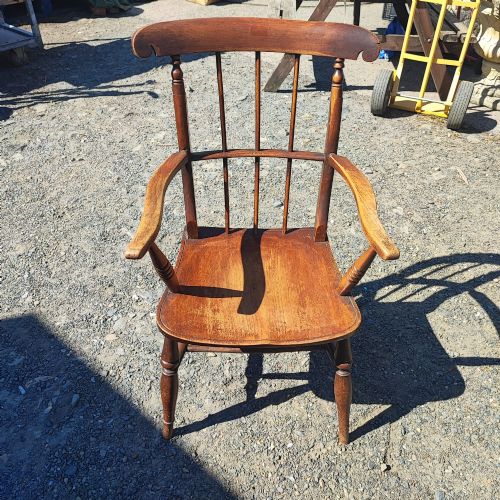
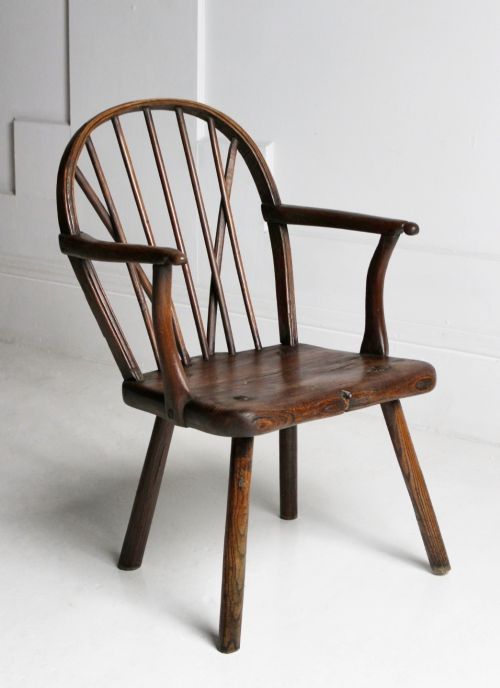
Regional variations appear in domestic workshops, yielding vernacular Windsor designs alongside Lancashire spindlebacks and corner chairs. These pieces ground a room with straightforward construction and enduring structural integrity.
How they were made
Local artisans turned wooden spindles on lathes and shaped solid seats from thick slabs of elm or ash. They joined components using traditional pegged and wedged mortise and tenon joints to withstand heavy domestic use.
Craftsmen combined multiple native timbers within a single frame, pairing bendable ash or beech for the back bows with dense elm for the sculpted seats. This utilitarian material mix ensured both flexibility and load-bearing strength.
Some nineteenth-century examples include designated drunkards chairs, built with low arms specifically to accommodate bulky eighteenth-century garments.
What varies in quality
Quality rests in the proportional balance of the turned spindles and the deep sculptural shaping of the solid wooden seat. Superior examples display crisp lathe work and a harmonious relationship between the crest rail and the arm supports.
The integrity of the timber selection dictates longevity, with well-figured grain and honest patination elevating a vernacular chair above standard utility seating. Original surface finishes and tight structural joints separate finer workshop output from later replacements.
The Spindle Back Fireside Chair Glossary
- Spindle back
- A chair back constructed from a series of slender turned wooden rods fitted between a top rail and the seat. This method provides lightweight structural support.
- Vernacular
- Everyday objects made by local tradesmen following regional traditions rather than high-style academic designs. These pieces prioritise practical function over fashionable ornament.
- Windsor
- A chair built with a solid wooden seat into which the legs, back spindles, and arms are separately jointed. This method creates a sturdy, unified frame.
- Rush seat
- A seating surface woven from dried marsh reeds twisted into cords and threaded across the frame. It yields a resilient, textured platform for sitting.
- Comb back
- A Windsor chair variation where the central spindle back extends upward into a low horizontal headrest resembling a hair comb. This style offers additional head support by the fireside.
Spindle Back Fireside Chair: Frequently Asked Questions
What is a spindle back fireside chair?
A spindle back fireside chair is a traditional wooden seat featuring turned vertical spindles supporting the backrest, designed for domestic use near a hearth.
These chairs draw on vernacular furniture traditions, combining sturdy solid wood seats with lightweight turned components for comfort and durability.
How were these chairs used historically?
Families placed these sturdy chairs close to the fireplace to benefit from radiant heat during cold winter months.
Their robust construction made them suitable for everyday domestic tasks in farmhouse kitchens and living spaces.
How do I style a spindle back chair today?
These wooden chairs anchor modern or traditional living rooms when placed beside a fireplace or used as a reading seat.
Their honest timber construction allows them to complement neutral interiors and natural textures.
How can I tell the age of a wooden chair?
Age is determined by observing tool marks, timber shrinkage, joint construction methods, and the natural patination of the wood over time.
Earlier pieces often exhibit hand-turned variations in the spindles and adze marks on the underside of the solid seats.