

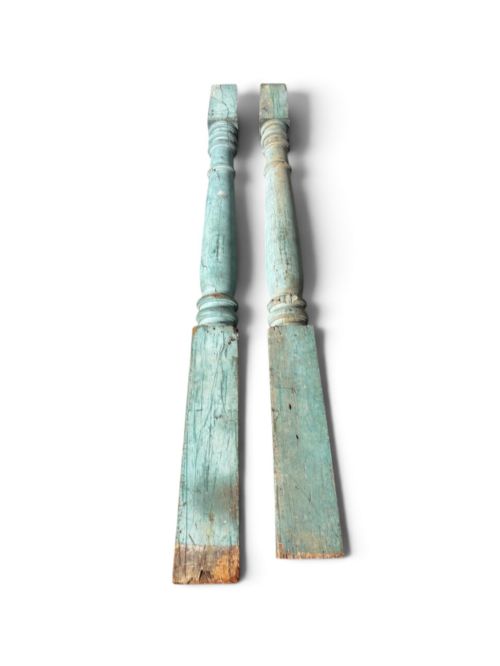
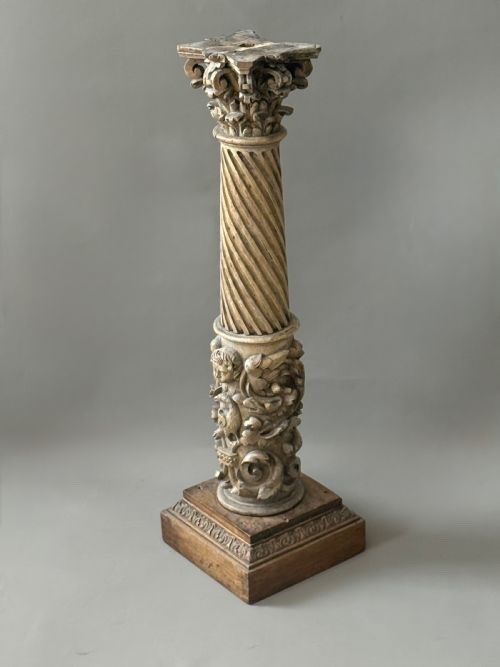


Wooden Architectural Pillars
These wooden architectural pillars are substantial salvage pieces salvaged from structures and interiors, bringing historic scale and form into modern rooms.
Wooden Architectural Pillars
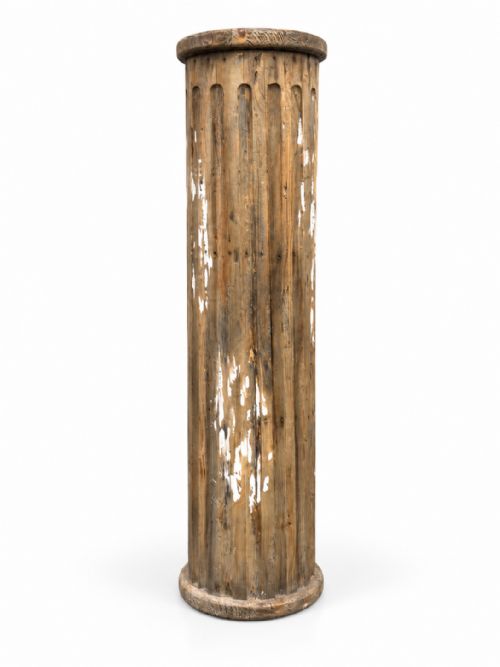
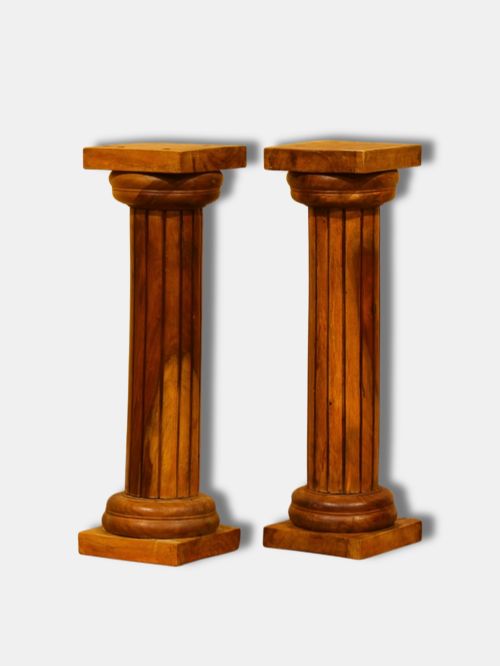
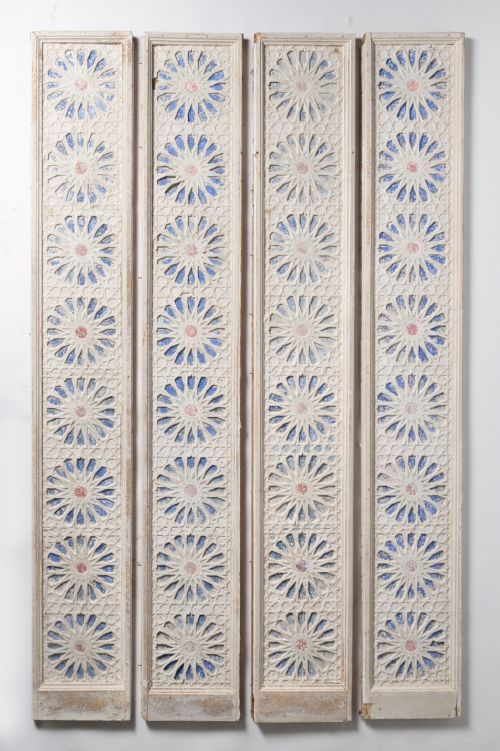
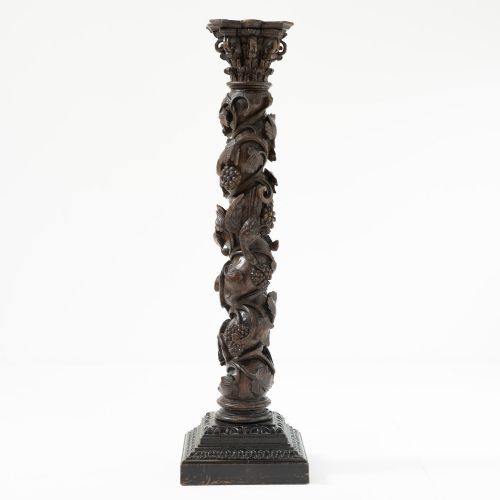
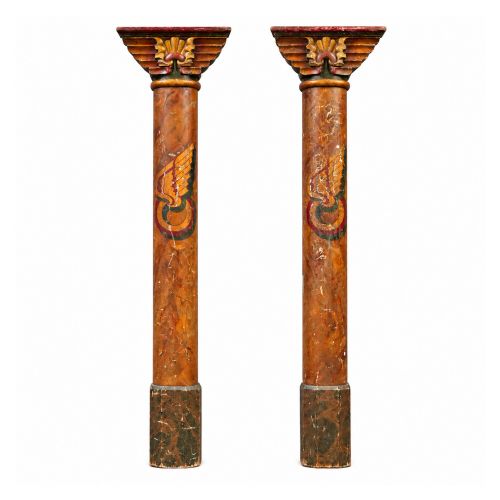
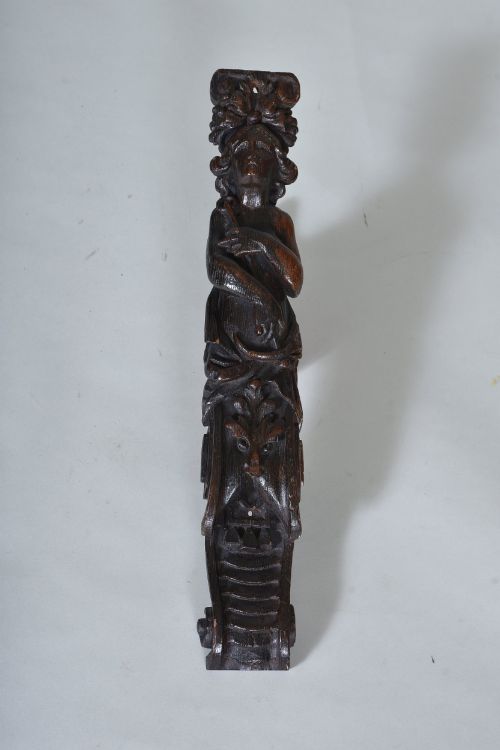
Wooden architectural pillars encompass large structural supports, decorative columns, pedestals, and repurposed bed posts spanning multiple centuries. When exploring wooden architectural pillars, buyers encounter items ranging from neoclassical French column pedestals to 18th-century carved oak Solomonic examples and 19th-century painted pairs.
How they were made
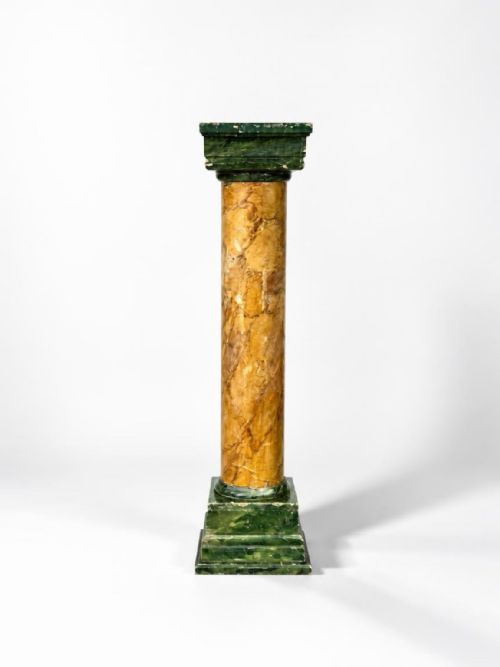
Carpenters and carvers shaped these pieces primarily from various woods including hardwood, oak, mahogany, and softwood. Artisans frequently applied surface finishes such as paint, parcel gilt, gesso, and simulated marble effects like faux verde antico.
Wooden Architectural Pillars Retail Price Guide 2026
Typical asking prices for wooden architectural pillars among the pieces listed under this phrase on Sellingantiques today, from the lower quarter to the upper quarter. They describe what is for sale here now, not the wider market.
Listings feature wooden architectural pillars spanning the 17th, 18th, and 19th centuries, alongside early 20th-century fairground pieces.
What varies in quality
The depth and execution of the hand carving dictate much of the distinction between standard examples and exceptional works. Crisp detailing in capitals, fluting, and figural or botanical motifs demonstrates superior craftsmanship.
Original surface treatments, whether historic paint, parcel gilding, or patinated timber, influence the integrity of a piece. Pairs and matched sets also command different consideration compared to single items due to their balance and symmetry.
Marguerite
The Wooden Architectural Pillars Glossary
- Solomonic
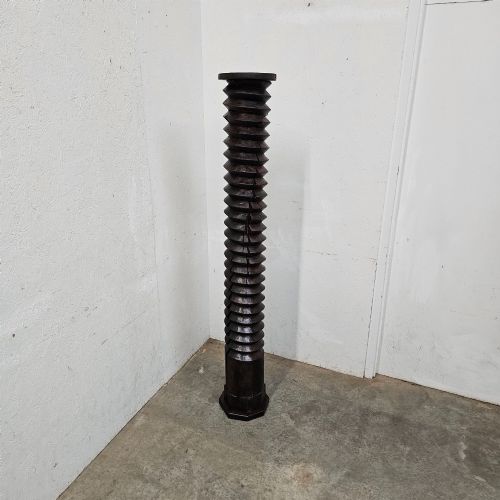
- A column characterised by a spiralling twist shaft reminiscent of a helix. This form appears frequently in Baroque and later decorative woodwork.
- Ionic
- A classical architectural order identifiable by the scroll-like volutes on its capital. These capitals sit atop the column shaft.
- Parcel Gilt
- A decoration method where parts of an object receive a thin layer of gold leaf while other areas show painted or natural wood underneath. This technique highlights specific carved details.
- Architectural Salvage
- Building components and structural elements rescued from demolition or alteration. These items are reused for interior decoration or display.
- Capital
- The topmost member of a pillar or column that distributes weight from the entablature. Carved decoration often concentrates on this section.
Wooden Architectural Pillars: Frequently Asked Questions
How were wooden pillars used originally?
Builders integrated these structural supports into porticos, door frames, and interior room divisions to bear weight or define spaces. Many also served as decorative architectural elements in grand buildings.
Over time, carvers and makers adapted similar forms into bed posts, furniture pedestals, and large lamp bases for domestic interiors.
How do I tell different periods apart?
Stylistic details offer the clearest indication of age, such as Regency reeving, Baroque twisting, or Neoclassical proportions. Tool marks, timber selection, and the composition of gesso or paint layers also help date a piece.
Comparing capitals and bases against established architectural orders reveals whether a piece follows 17th-century Jacobean heaviness or 19th-century revival standards.
How do I care for painted wooden pillars?
Historic painted and parcel gilt surfaces require gentle dusting with a dry, soft cloth to preserve delicate finishes. Avoid liquid cleaners and modern solvents that can strip historic pigments or gesso.
Keeping the pillars away from direct heat sources and dramatic humidity fluctuations prevents the underlying wood from splitting and the paint from flaking.