



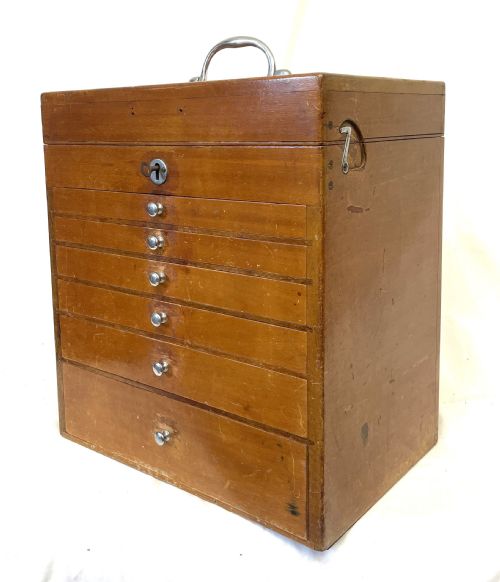


Wooden Apothecary Box
A wooden apothecary box holds the quiet science of domestic and military medicine, prized for compact fitted interiors and surviving glass bottles.
Wooden Apothecary Box
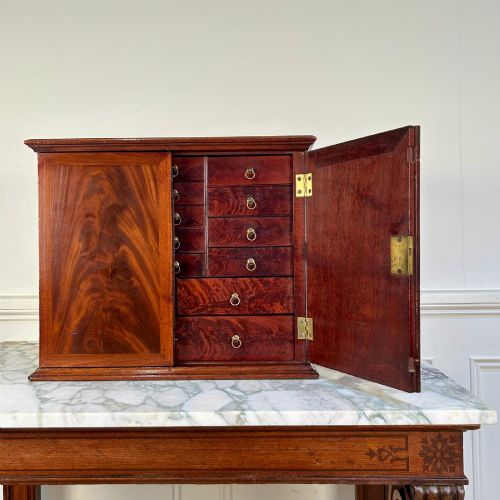
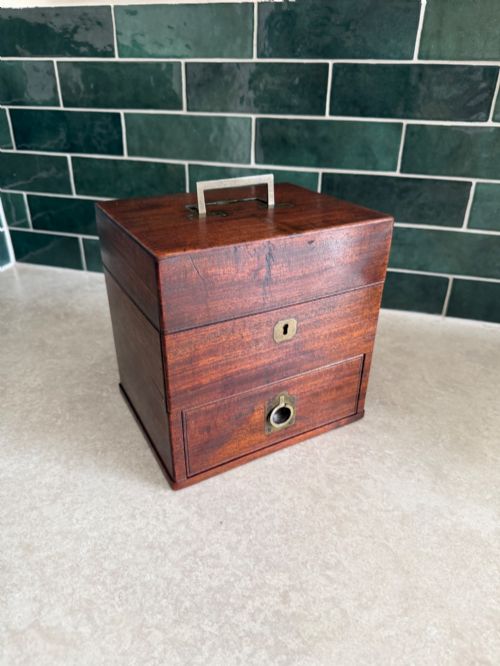
A wooden apothecary box serves as a portable pharmacy or cabinet designed to house medical ingredients, scales, and glass bottles safely. When you search for a wooden apothecary box, you encounter pieces spanning the Georgian, Regency, and Victorian periods, alongside later 19th century and 1920s medical containers.
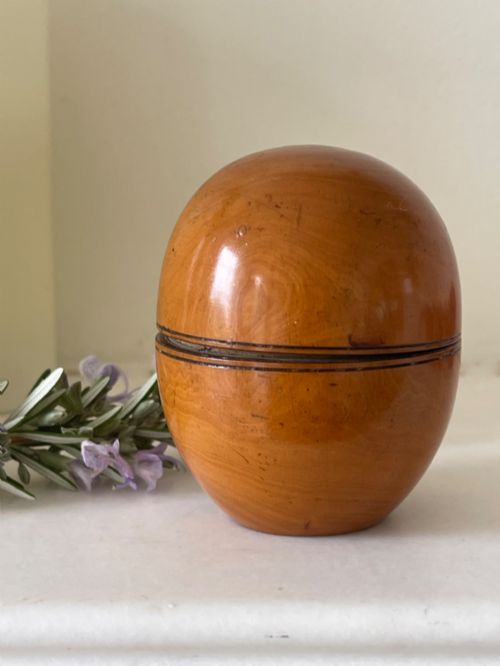
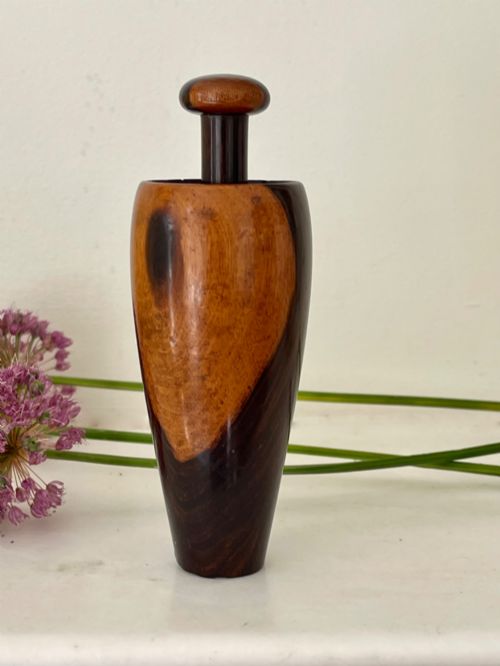
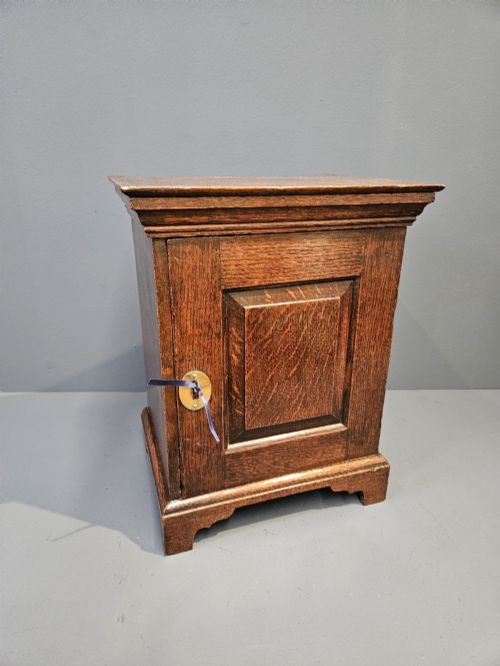
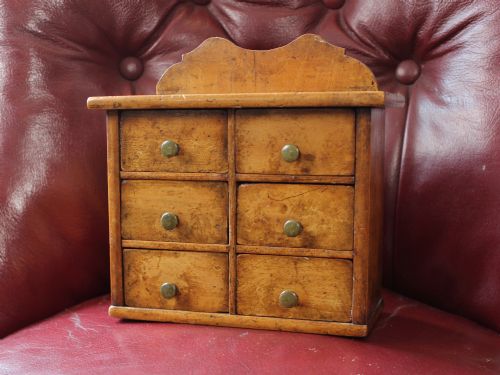
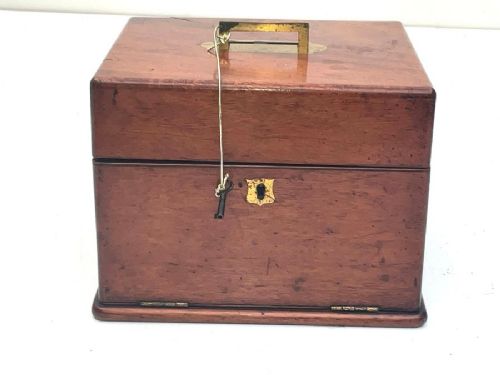
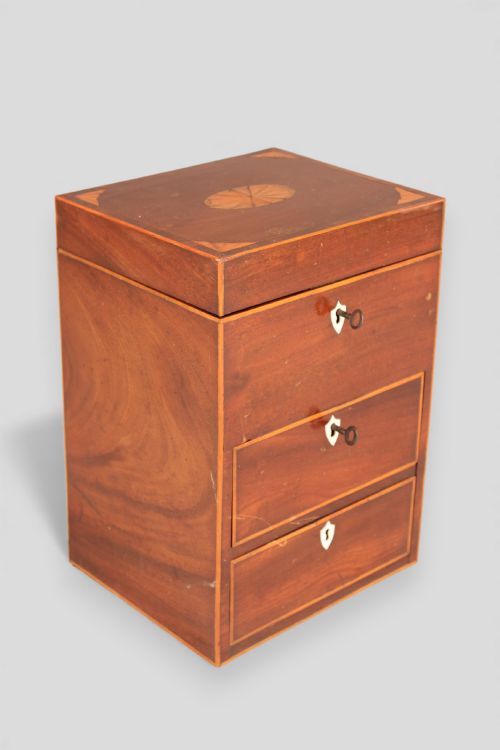
The selection here ranges from fitted campaign cases and countertop display cabinets to wall hanging spice boxes and miniature chests. Mahogany and oak dominate these forms, often accompanied by original internal compartments and glass bottles.
How they were made
Cabinetmakers constructed these chests primarily in mahogany, oak, pine, and fruitwood, utilising sturdy dovetail joints to withstand travel and daily use. Brass fittings such as carrying handles, corner brackets, and escutcheons reinforced the carcase while adding functional detail.
Interiors required precise carpentry to create fitted partitions, secret drawers, and recesses for delicate glass bottles and pestles. Velvet lining frequently cushioned the instruments and containers within Georgian and Regency examples.
Wooden Apothecary Box Retail Price Guide 2026
Typical asking prices for wooden apothecary box among the pieces listed under this phrase on Sellingantiques today, from the lower quarter to the upper quarter. They describe what is for sale here now, not the wider market.
Listings feature 19th Century, Georgian, and Regency periods, utilising brass, mahogany, oak, velvet, and pine.
What varies in quality
The distinction between standard utility containers and superior pieces rests on the precision of the internal joinery and the completeness of the original fittings. Cabinets retaining their matched set of glass bottles, jars, or original keys command greater interest among collectors.
Timber selection and exterior finish further separate ordinary boxes from exceptional examples, particularly where figured mahogany or decorative inlay is employed. The survival of untouched surfaces and original brass hardware indicates a higher grade of workshop production.
The Wooden Apothecary Box Glossary
- Campaign box
- A portable chest built for travel, featuring recessed brass handles and robust corners to endure movement.
- Escutcheon
- A protective brass plate surrounding a keyhole, designed to prevent the surrounding wood from splitting.
- Treen
- Small handmade wooden household objects and utensils, often turned on a lathe from boxwood or fruitwood.
- Pill rounder
- A wooden tool used historically to shape individual medicinal pills by hand in apothecaries and chemists.
Wooden Apothecary Box: Frequently Asked Questions
What did they store inside?
These chests contained glass bottles of tinctures, powders, scales, mixing bowls, and mortar and pestle sets for compounding remedies at home or on travels.
Larger versions held surgical instruments or veterinary supplies, serving rural estates and medical practitioners alike.
How do I date a Georgian box?
Georgian examples typically display dense mahogany timbers, hand-cut dovetails, and simple brass carrying rings rather than heavy inset hardware.
Internal partitions tend to be straightforward and functional, occasionally concealing small secret drawers beneath the bottle tiers.
Are the glass bottles usually original?
Many surviving chests retain their original blown glass bottles, though replacements do occur due to breakage over centuries of domestic use.
Matched sets featuring ground glass stoppers significantly enhance the integrity and historical interest of the piece.
Where were they kept in the home?
Wealthy households kept medicine chests in private drawing rooms or dressing areas for prompt access to household remedies.
Countertop display cabinets and wall-hanging spice boxes sat in domestic workrooms or early chemists and shops.