





Woodblock Print Art
These woodblock print art pieces combine ink and paper with meticulous carving to bring historic scenes to your walls.
Woodblock Print Art
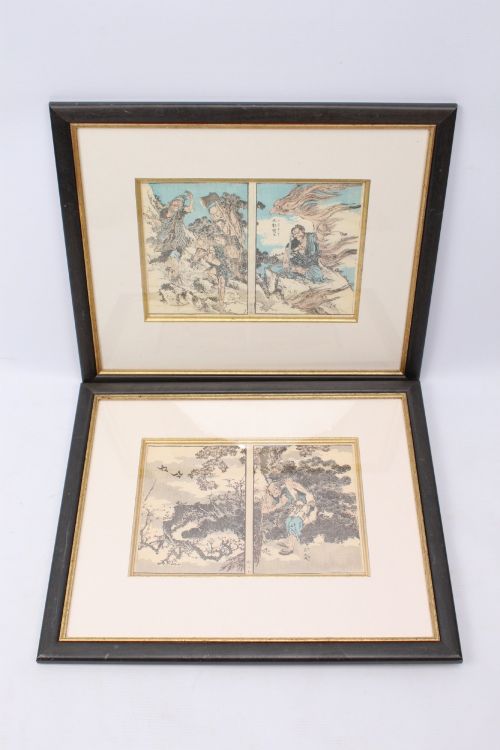
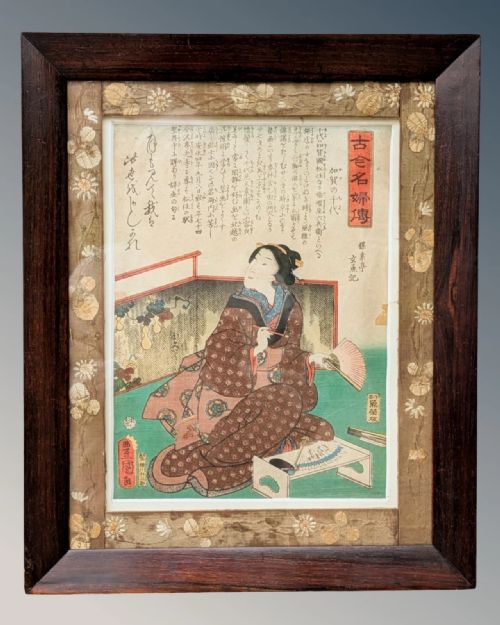
You are most likely to meet Japanese woodblock prints from the eighteenth and nineteenth centuries, often framed in rosewood with silk brocade mounts. These pieces depict subjects such as the seven lucky gods, figures by artists like Kunisada, and landscape views.
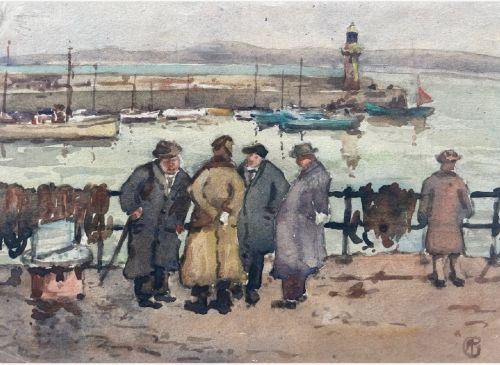
The category also encompasses British landscapes involving early twentieth-century watercolours alongside woodblock prints, as well as fabric printing blocks from Liberty of London. Victorian framed art prints and nineteenth-century engravings expand the scope of works available on paper, card, and wood.
How they were made
The creation of these works relies fundamentally on woodblocks carved to transfer ink onto paper or card. Artisans applied coloured inks and sometimes gold leaf to achieve the layered compositions seen in Japanese ukiyo-e and European wood engravings alike.
Many Japanese pieces utilise delicate watercolour touches alongside the primary ink impressions on paper. Framing methods vary, incorporating glass and specialised mounts such as silk brocade to preserve the paper supports.
Woodblock Print Art Retail Price Guide 2026
Typical asking prices for woodblock print art among the pieces listed under this phrase on Sellingantiques today, from the lower quarter to the upper quarter. They describe what is for sale here now, not the wider market.
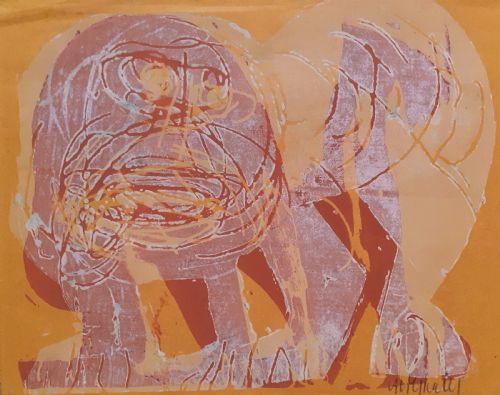
A fantastical German expressionist lion named Astra rubs shoulders with historical Japanese gods sailing in the Takarabune.
What varies in quality
The distinction between tiers of these works rests on the precision of the carving and the vibrancy of the ink impressions on the paper. Strong alignment of multiple colour blocks demonstrates superior technical execution during the printing process.
Material preservation significantly influences the standing of a piece, particularly the condition of the paper, card, and any accompanying silk brocade mounts or rosewood frames. Original period framing and clear artist signatures provide additional context that elevates individual examples.
Shiro Katamatsu·George F Pennington·Kitagawa Utamaro·Gustave Doré·Liberty of London
The Woodblock Print Art Glossary
- Woodblock print
- An impression created from a carved block of wood applied with ink onto paper or card. This technique forms the basis of numerous historic Asian and European works.
- Ukiyo-e
- A genre of Japanese art flourishing from the Edo period onwards, depicting scenes of everyday life and landscapes. These works often employ multiple blocks for distinct colour applications.
- Woodcut
- A relief printing technique where an artist carves an image into the face of a block of wood. Lines remaining level with the surface absorb ink while the carved portions do not.
- Shin-hanga
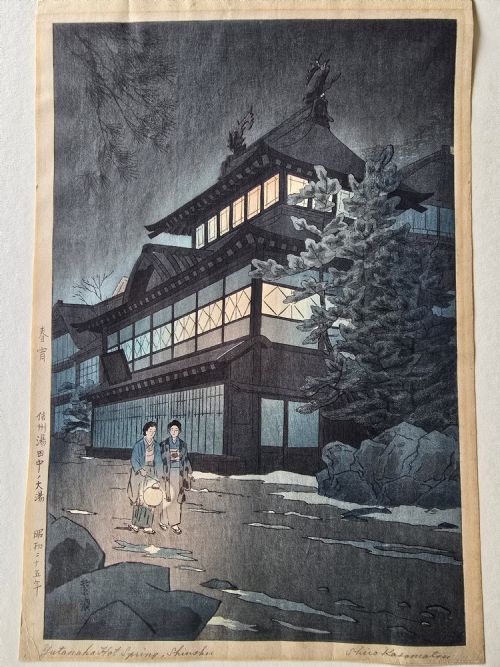
- A twentieth-century Japanese art movement reviving traditional ukiyo-e collaboration between artist, carver, and printer. These prints incorporate contemporary western influences in lighting and atmosphere.
Woodblock Print Art: Frequently Asked Questions
How do I care for antique woodblock prints?
Keep your framed prints away from direct sunlight to prevent the ink and paper from fading over time. Maintaining stable indoor humidity levels also protects the paper supports and wooden frames.
Ensure that any hanging placement avoids damp walls and extreme temperature fluctuations. Proper framing with suitable conservation materials safeguards the delicate surfaces against environmental degradation.
What is the difference between ukiyo-e and shin-hanga?
Ukiyo-e primarily emerged during the Edo period to depict floating world scenes, kabuki actors, and traditional landscapes. These historic works established the foundational aesthetic of Japanese printmaking.
Shin-hanga developed later in the twentieth century, introducing individual artistic expression and atmospheric lighting effects. While both utilise traditional woodblock techniques, shin-hanga reflects a shift toward modern sensibilities.
How were fabric printing blocks used?
Fabric printing blocks served as stamps or matrices to apply repeated patterns onto textiles in commercial production settings. Artisans pressed the carved wooden surfaces into dye before stamping lengths of fabric.
These functional workshop tools record the mechanical side of design history alongside fine art prints. Their carved relief patterns highlight the practical applications of wood carving.
Can I find European wood engravings here?
The selection includes nineteenth-century European engravings and German expressionist woodcuts alongside Japanese prints. These works demonstrate alternative western approaches to relief printing on paper.
Examples range from illustrative book plates to standalone modernist animal compositions in colours. Such pieces broaden the stylistic spectrum of wood-based print art available to collectors.