
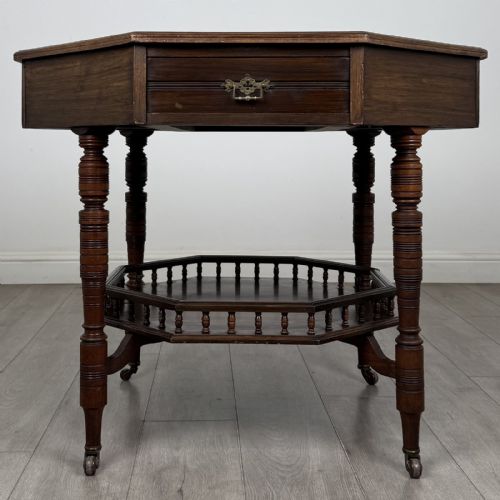
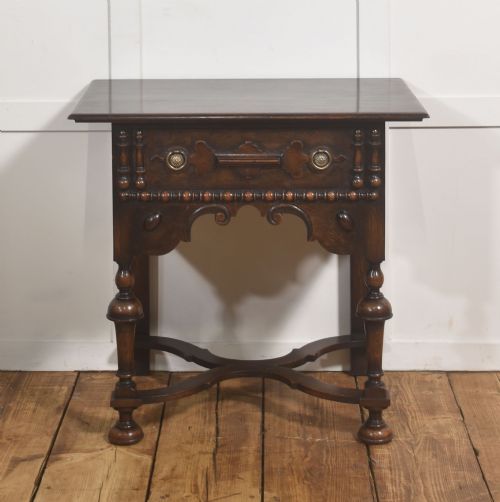
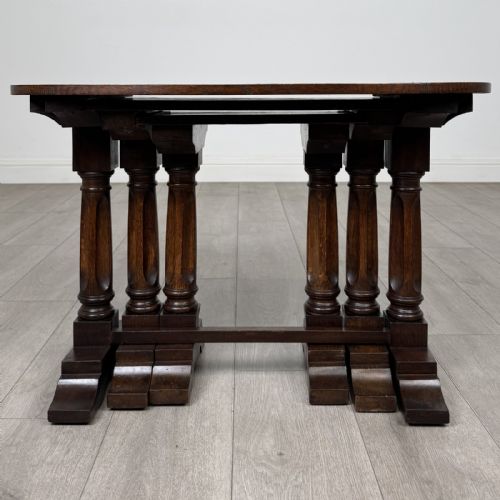
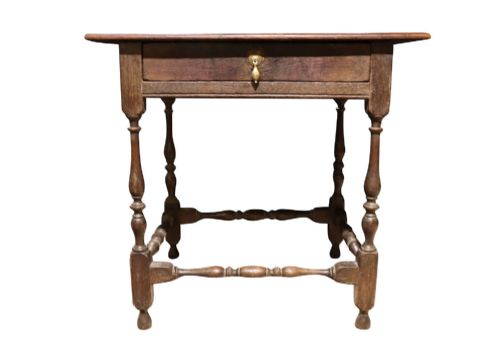
Wood Table Turned Legs
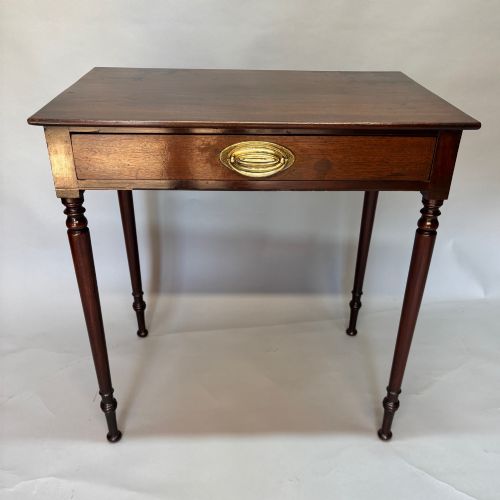
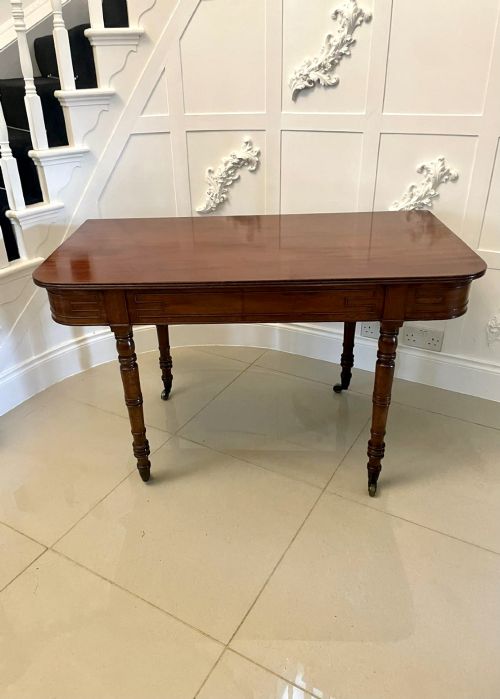
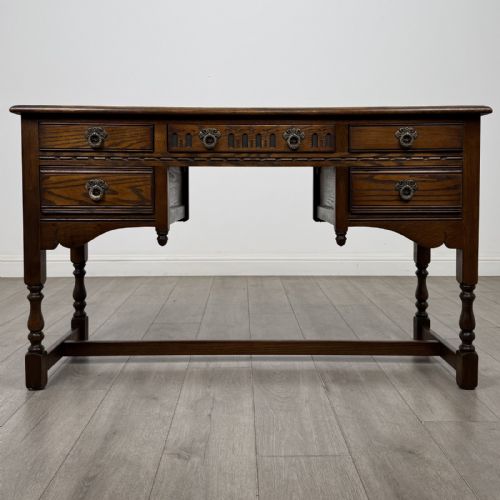
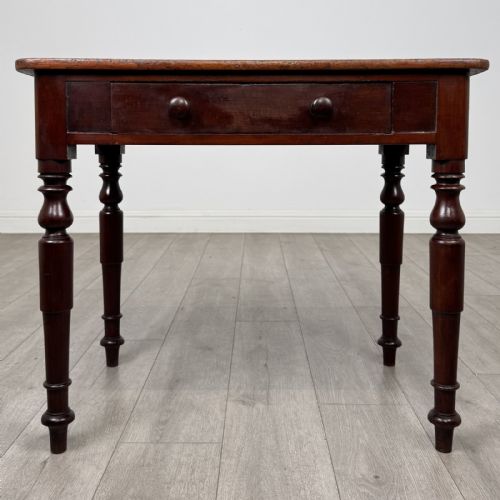
These wood table turned legs selections bring enduring character to a room, offering practical surfaces shaped by traditional joinery.
Wood Table Turned Legs
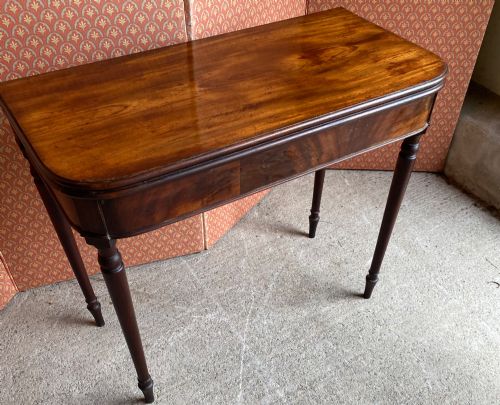
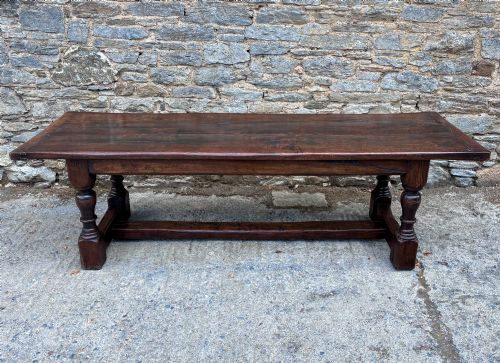
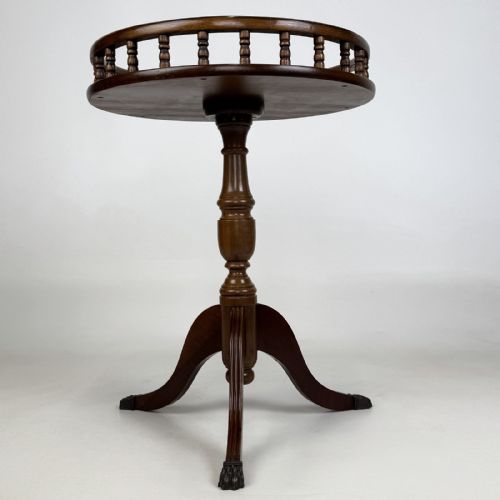
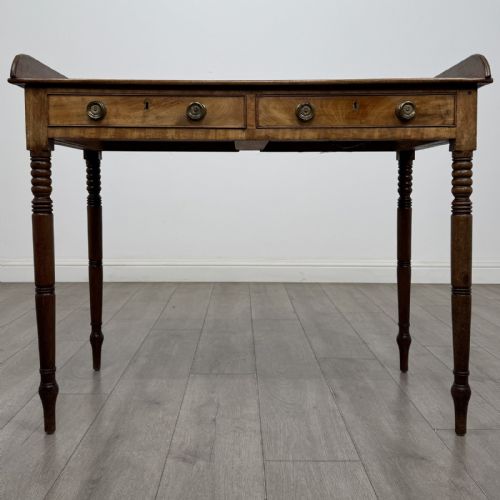
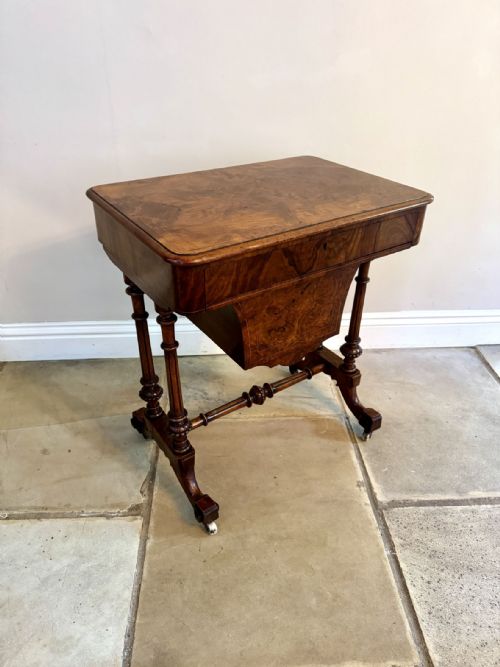
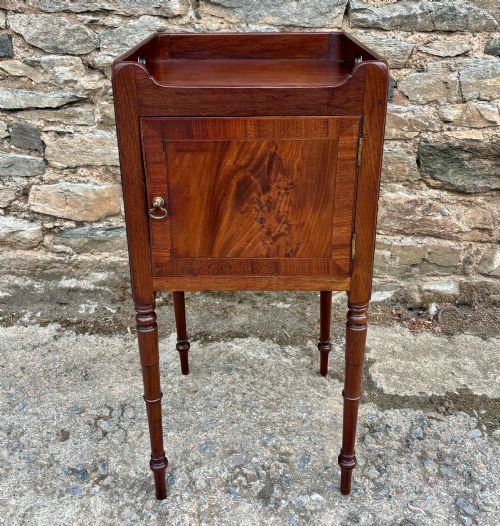
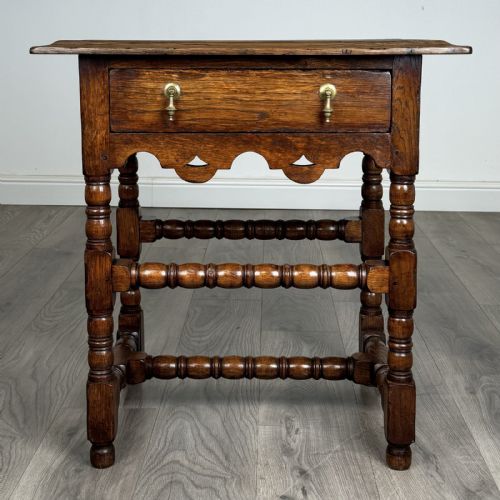
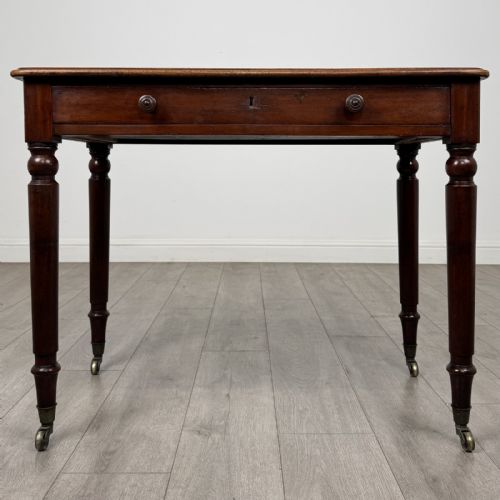
A wood table turned legs search covers an array of utilitarian and formal furniture, spanning centuries of domestic life. You encounter dining tables, side tables, and occasional pieces that rely on lathe-shaped supports for structural stability and visual rhythm.
The material palette is broad, featuring native and exotic timbers such as mahogany, oak, walnut, pine, and cherry wood. Pieces range from robust farmhouse dining boards to compact occasional tables and nests designed for flexible living.
The designs draw from distinct historical periods including the Georgian, Regency, Victorian, and Edwardian eras. Simpler rustic vernacular items sit alongside refined revival styles from the late nineteenth and early twentieth centuries.
Construction and materials
Cabinet makers utilised a lathe to fashion the distinctive cylindrical supports from solid timber blanks. This process created smooth profiles, ring turnings, or bobbin details that anchor the structural framework of each piece.
Joinery methods varied according to the function and period of the furniture, incorporating peg construction, mortise and tenon joints, and occasional brass fittings or castors. Table tops were frequently fashioned from solid planks or veneered panels secured to robust underframes.
Listings feature woods including mahogany, oak, pine, walnut, elm, and cherry, alongside periods from the eighteenth to the twentieth century.
Judging the standard of workmanship
The calibre of a piece rests upon the selection of timber and the precision of the lathe work on the supports. Superior examples display crisp turnings, tight joints, and timbers with rich grain patterns that have matured evenly over time.
Subtleties in proportion and the integrity of the original finish distinguish finer workshop productions from standard utility items. Alterations to the height or replaced structural components affect the overall coherence of the piece.
The Wood Table Turned Legs Glossary
- Turned legs
- Structural supports shaped on a lathe by rotating the timber against cutting tools. This technique produces symmetrical profiles such as columns, bobbins, or spirals.
- Refectory table
- A long dining table traditionally used in communal halls and characterised by sturdy legs joined by longitudinal stretchers. These pieces provide stable seating for large gatherings.
- Tilt-top table
- A small table featuring a mechanism that allows the surface to pivot to a vertical position when not in use. This design saved space in period interiors.
- Washstand
- A dedicated piece of furniture designed to hold a basin and jug for washing before indoor plumbing became universal. They frequently incorporate lower shelves or small drawers.
- Quartetto
- A set of four graduating tables designed to nest neatly beneath one another. They offer versatile surface space that can be expanded or concealed as required.
Wood Table Turned Legs: Frequently Asked Questions
How do I care for an old wooden table?
Maintain the timber by keeping it away from direct heat sources and sudden humidity changes. Apply natural waxes sparingly to nourish the grain without building up a heavy residue.
Avoid using harsh chemical polishes that can strip the historic finish. Use coasters and mats to protect the surface from moisture and heat damage during daily use.
Are these tables suitable for modern dining?
Many historical dining tables accommodate contemporary seating arrangements while providing ample knee clearance. Their robust construction handles daily meals and gatherings with ease.
Check the height from the floor to the underside of the rails to ensure standard chairs fit comfortably underneath. Extending versions offer flexibility for larger dinner parties.
How can I tell the age of a turned leg?
Inspect the tool marks and the symmetry of the shaping to understand how the support was produced. Hand-turned examples often exhibit subtle irregularities compared to later mechanised production.
The choice of timber and the oxidation of the wood surface help indicate the period of manufacture. Tool chatter and timber shrinkage offer further clues to the age of the piece.