

Wood Secretary Desk
A wood secretary desk brings together practical workspace and concealed storage in a single handsome cabinet.
Wood Secretary Desk
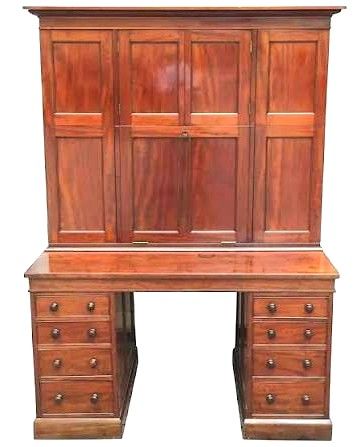
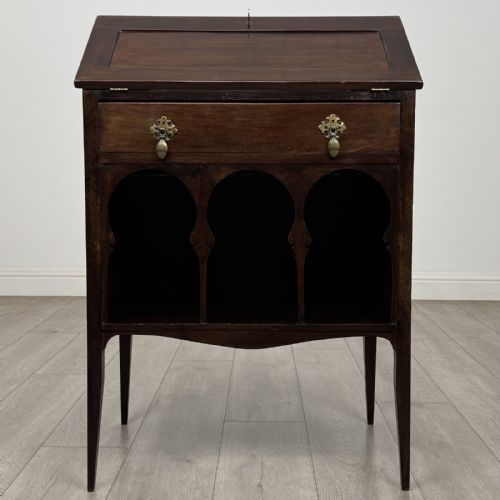
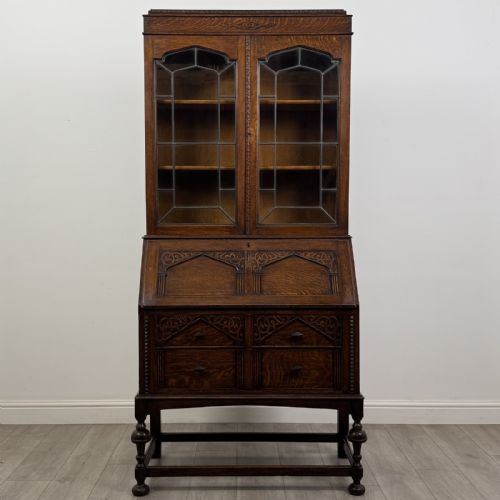
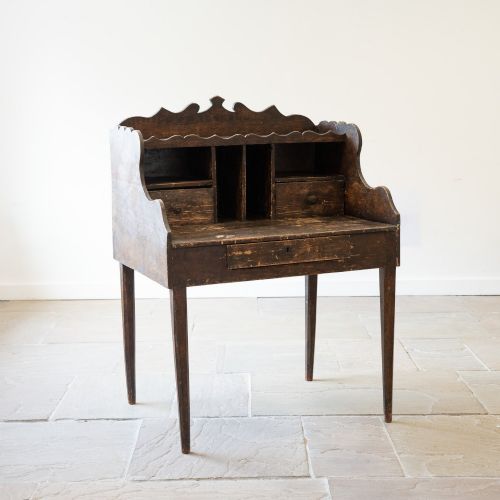
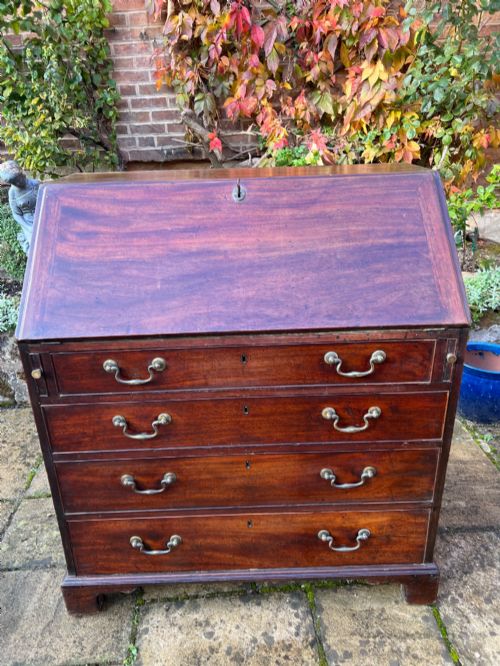
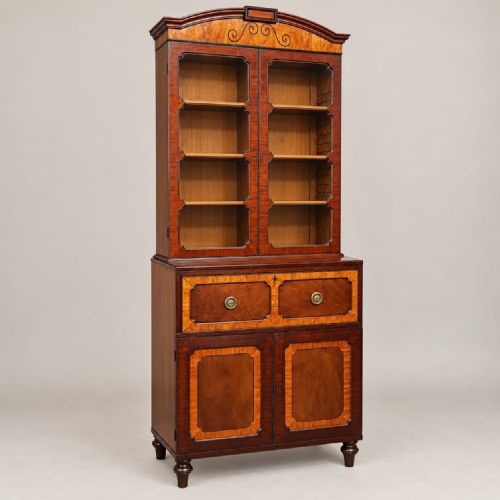
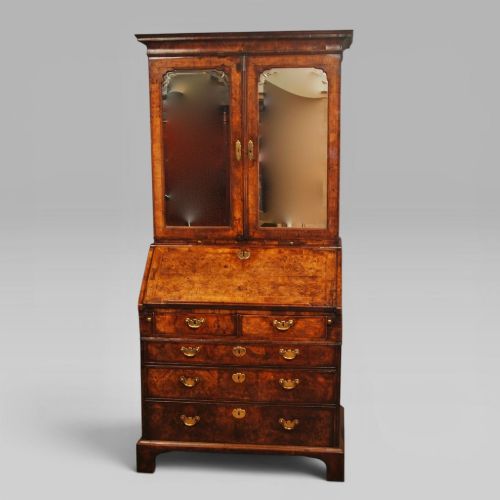
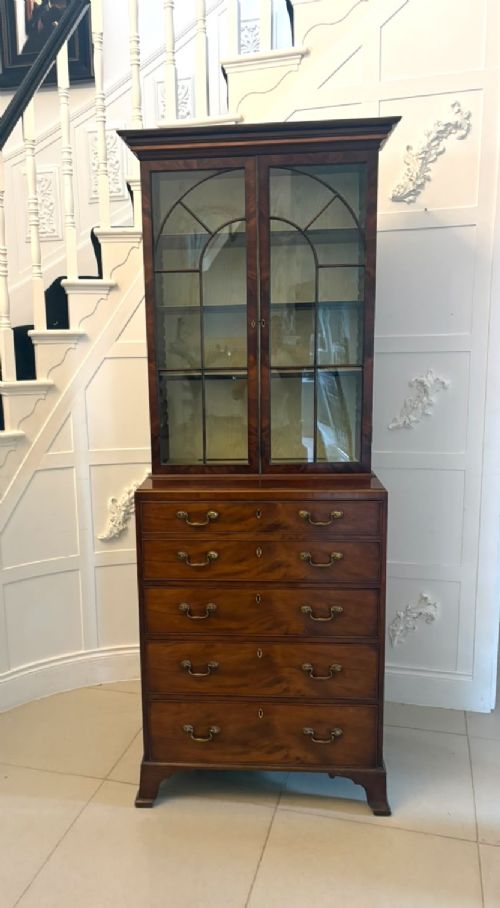
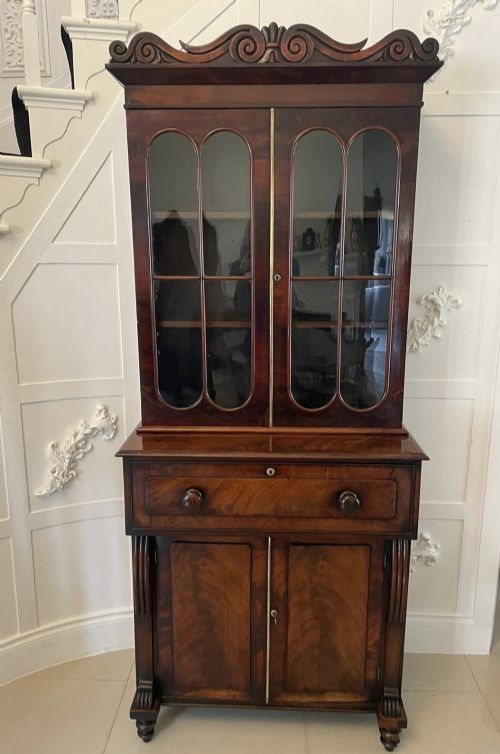
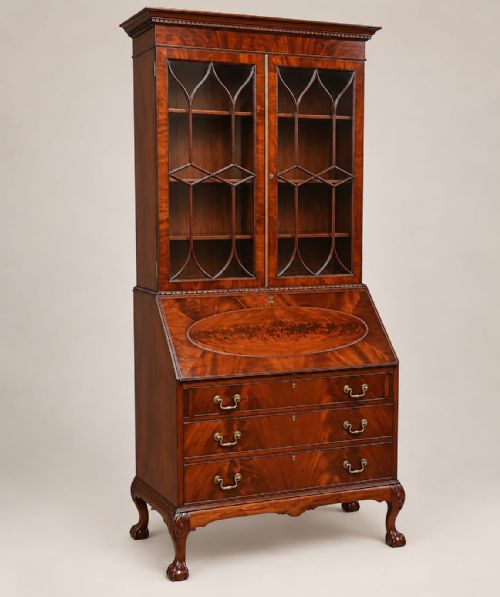
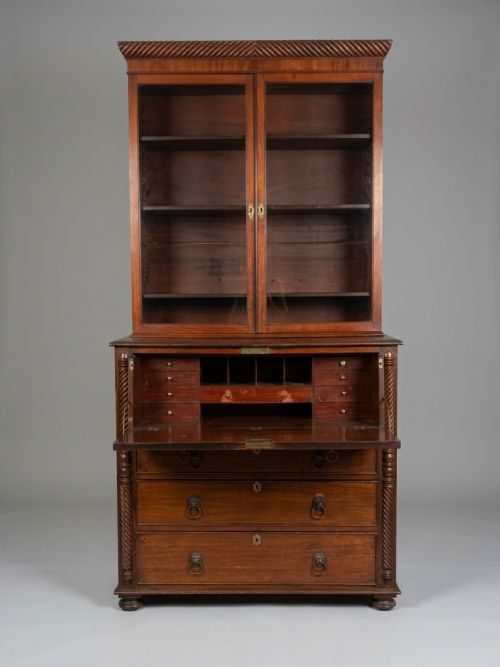
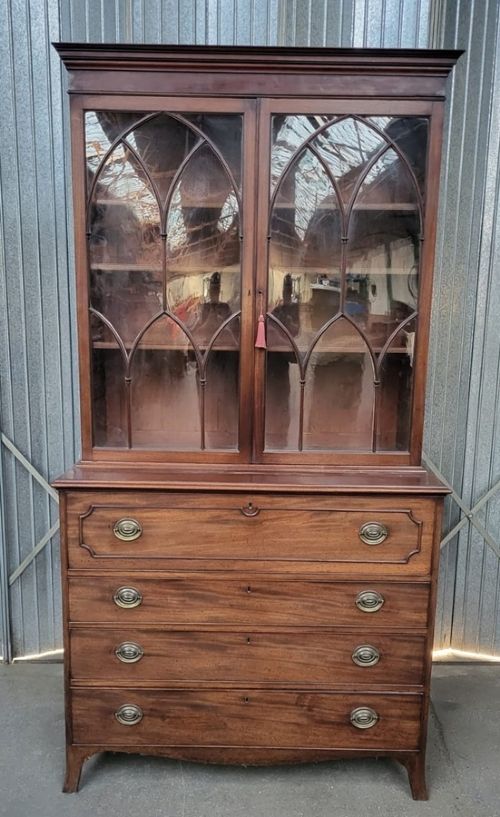
A wood secretary desk combines a writing surface with upper shelving or lower drawer storage across several historical periods. Pieces appear frequently as tall bureau bookcases with glazed upper doors or fall-front writing cabinets.
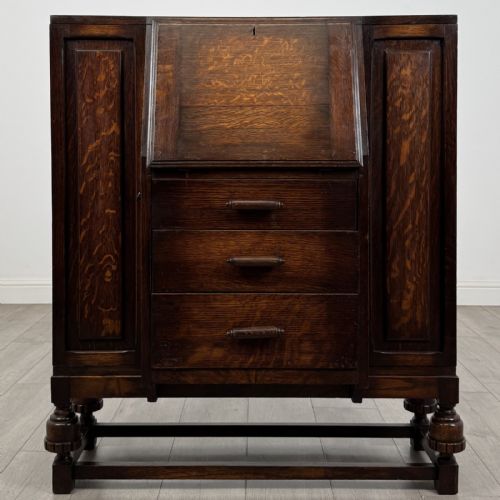
The selections span from 18th-century Georgian designs through Regency and William IV periods to Edwardian examples and 1920s oak pieces. Makers utilised various traditional formats including cylinder desks and secretaire chests.
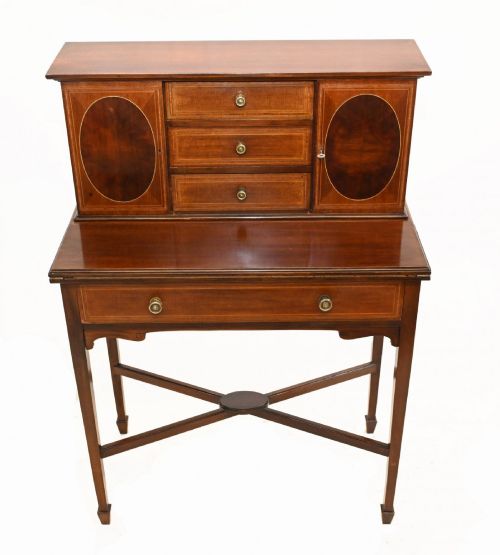
Early iterations display Queen Anne or George II styling in walnut and mahogany, while later Edwardian pieces often incorporate satinwood or oak. Buyers encounter both monumental library bookcases and compact writing desks.
Assessing Quality
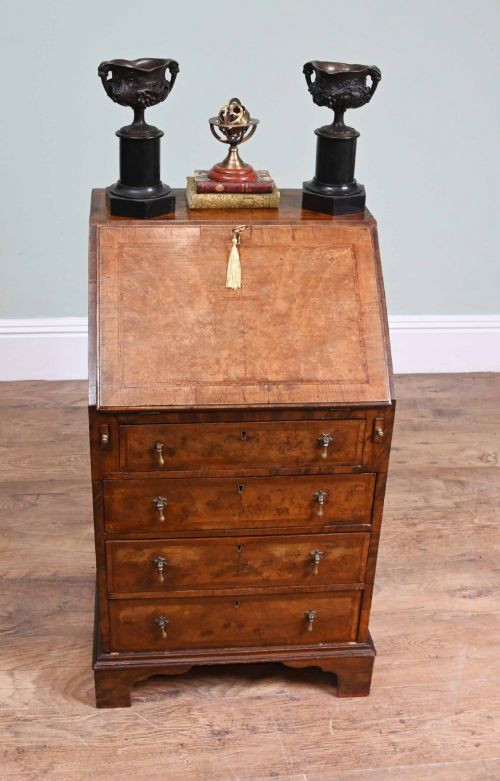
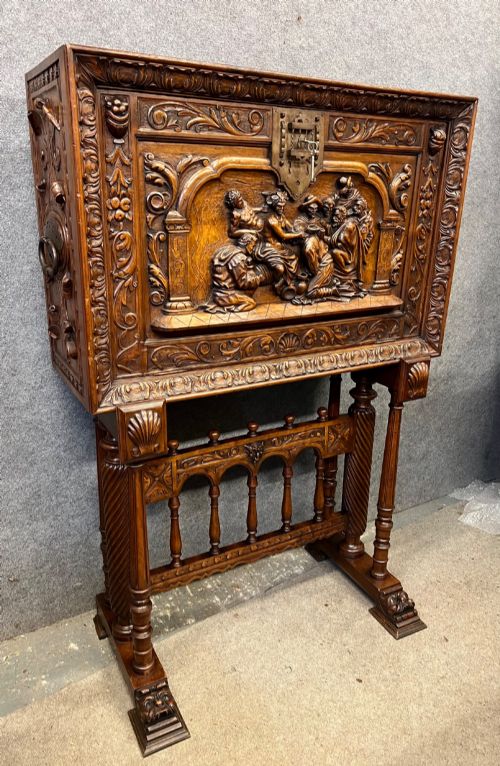
Timber selection distinguishes finer examples, where cabinetmakers matched figured mahogany, burr walnut, or yew grain across primary surfaces. Superior pieces display crisp carving, precise inlay, and well-proportioned astragal glazing.
Internal secondary woods, drawer linings, and the smoothness of sliding writing mechanisms indicate the standard of original workshop production. Untouched original brasses and well-preserved fitted interiors add significantly to a piece's integrity.
Wood Secretary Desk Retail Price Guide 2026
Typical asking prices for wood secretary desk among the pieces listed under this phrase on Sellingantiques today, from the lower quarter to the upper quarter. They describe what is for sale here now, not the wider market.
Several pieces conceal hidden wells beneath their fitted interiors, offering a private spot to stash letters away from prying eyes.
Gillows·George Oakley
The Wood Secretary Desk Glossary
- Secretaire
- A writing cabinet or desk containing a drawer or drop-front panel that conceals a fitted writing surface and small compartments. This form allows a chest of drawers or bookcase to function as a desk.
- Fall-front
- A hinged writing flap that drops forward into a horizontal position for writing. When closed, it conceals the interior pigeonholes and small drawers.
- Astragal glazed
- Doors divided into smaller glass panes by narrow wooden bars called glazing bars. This treatment is common on upper bookcase sections.
- Cylinder desk
- A desk featuring a curved, rotating wooden cylinder that rolls back to reveal a pull-out writing slide and fitted interior. It offers an alternative to the flat fall-front flap.
- Fitted interior
- The arrangement of small drawers, pigeonholes, and central compartments revealed when the desk flap or cylinder opens. These compartments often include secret wells.
Wood Secretary Desk: Frequently Asked Questions
How do I use a wood secretary desk daily?
Lower the fall-front flap or pull out the writing slide to reveal the internal compartments for correspondence and laptop placement.
Close the front panel when finished to conceal work materials and restore a tidy appearance to the room.
What is the difference between a bureau and a secretaire bookcase?
A bureau typically refers to a slope-front desk with drawers below, while a secretaire bookcase combines a writing section with enclosed shelving above.
Both forms utilise drop-front mechanisms, but bookcase versions extend taller to incorporate display or library storage.
How can I tell a Georgian piece from an Edwardian one?
Georgian pieces from the 18th century often feature dense mahogany, bracket feet, and robust internal pigeonholes associated with formal parlours.
Edwardian examples tend to use lighter oak, satinwood, or yew, sometimes displaying revival motifs like claw and ball feet or painted decorations.
Where should I place a cylinder desk in my home?
Position the desk against a sturdy wall with adequate natural light falling across the room for writing tasks.
Allow sufficient clearance in front of the piece for the pull-out writing slide or chair movement.