

Wood Pedestal Plant Stand
A wood pedestal plant stand elevates greenery or lamps with classical proportion, bringing vertical interest to corners and empty spaces.
Wood Pedestal Plant Stand
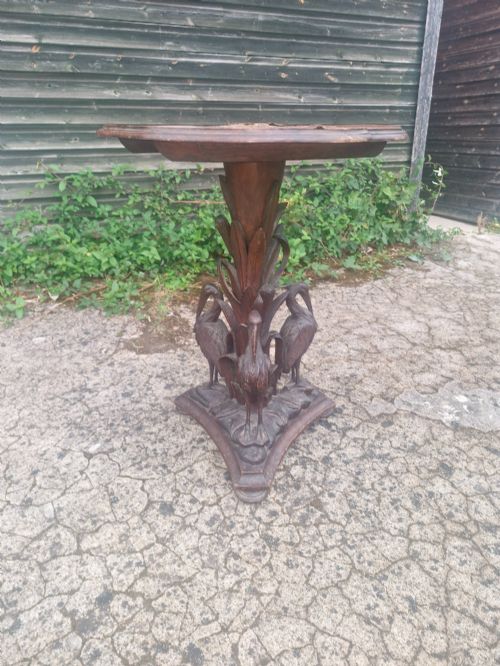
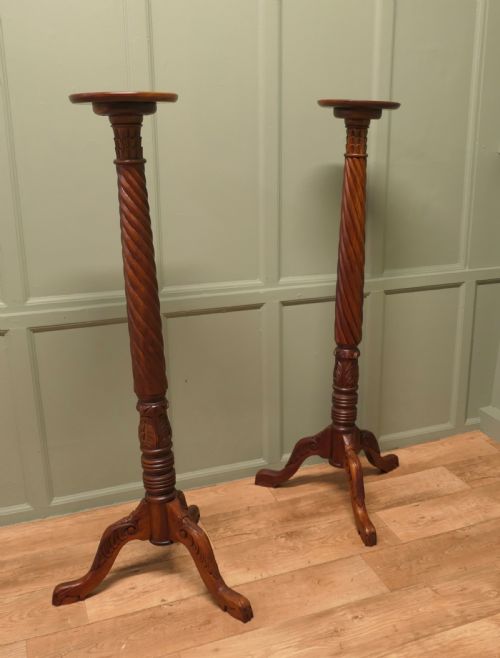
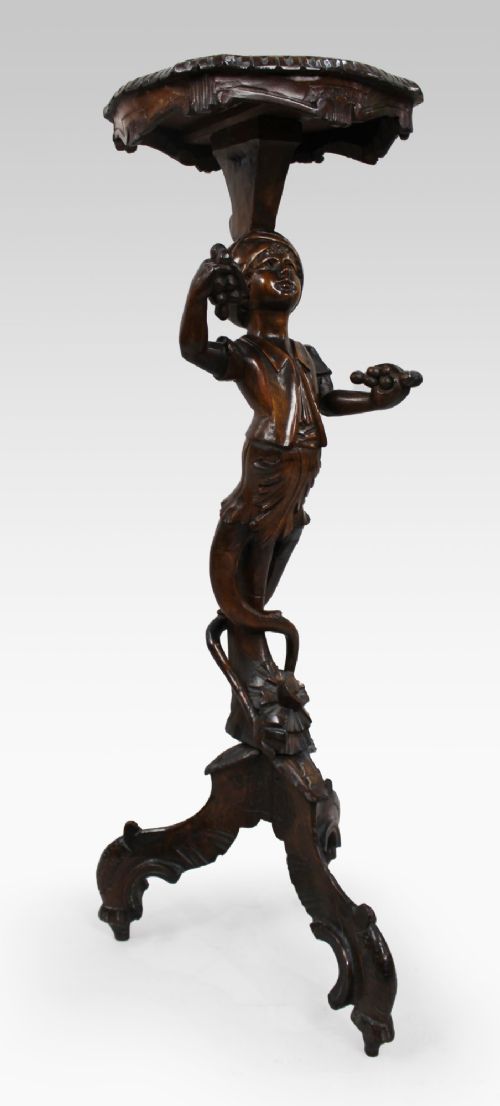
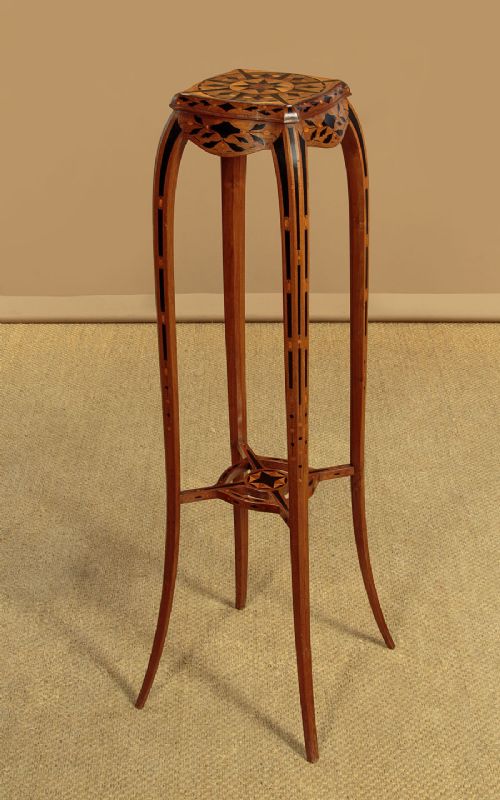
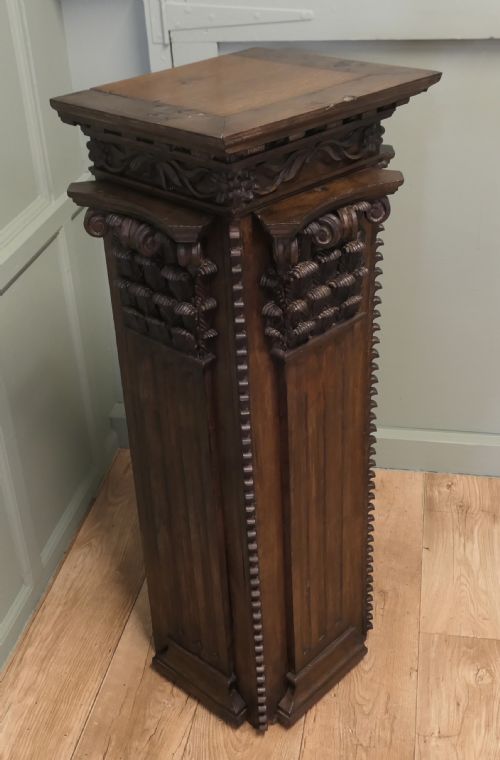
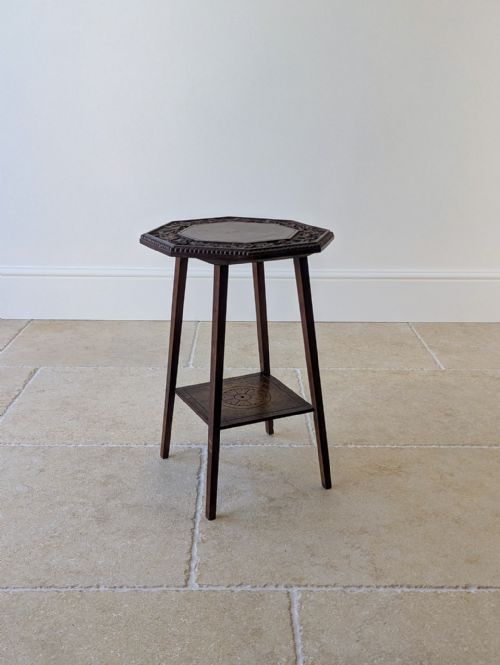
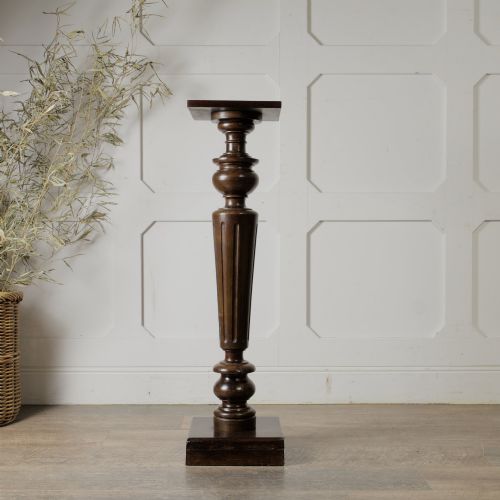
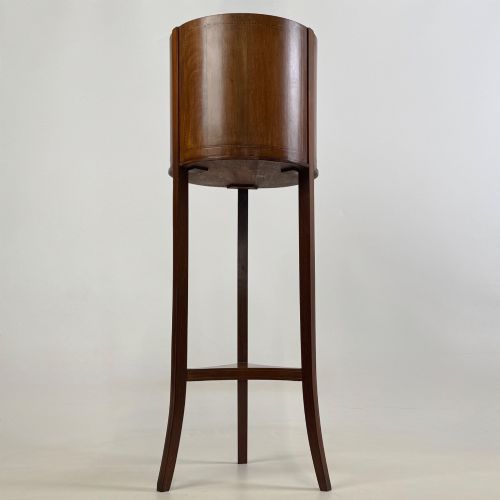
A wood pedestal plant stand serves primarily to elevate potted plants, urns, or decorative objects within a room. When searching for a wood pedestal plant stand, buyers encounter tall torcheres, column display pedestals, and tripod tables dating from the nineteenth and early twentieth centuries.
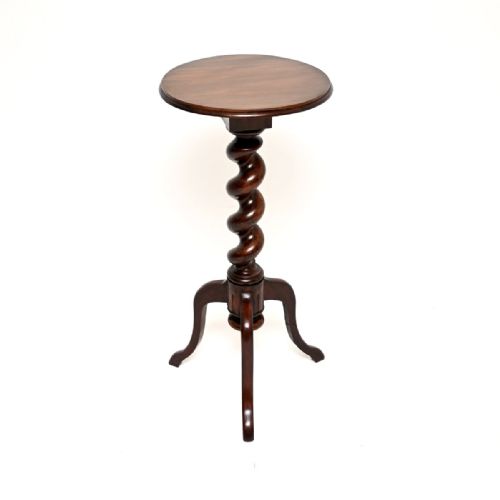
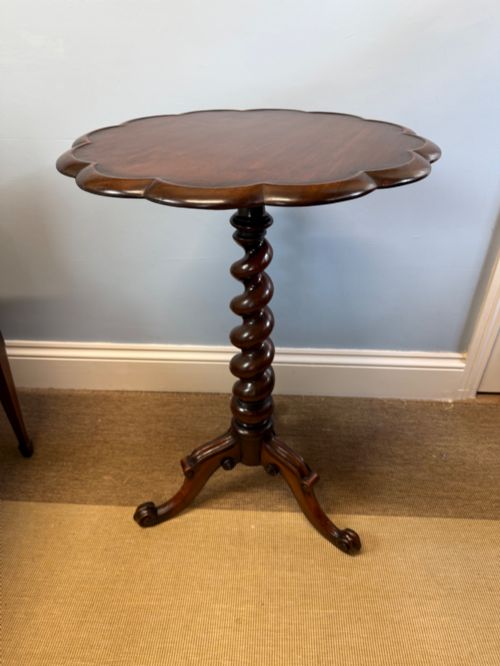
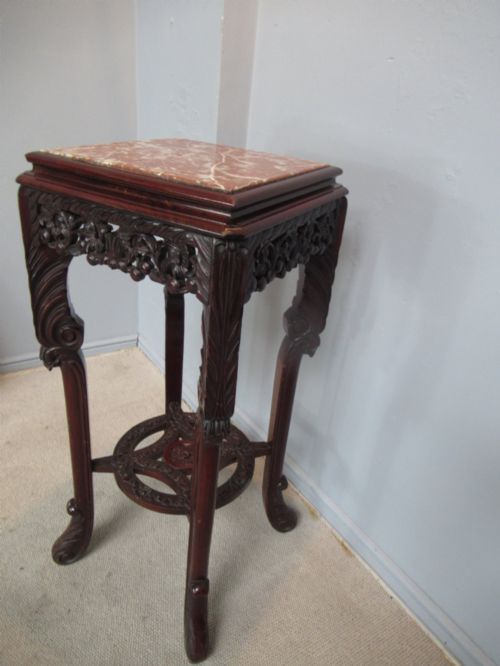
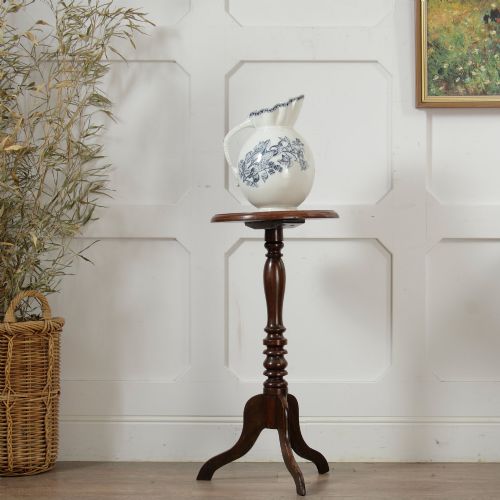
The selection ranges from simple Edwardian mahogany designs to carved Victorian torchères and hardwood stands influenced by Chinese, Italian, and French styles. Makers utilised diverse forms such as barley twists, fluted columns, and tripod supports to sustain heavier garden pots or indoor planters.
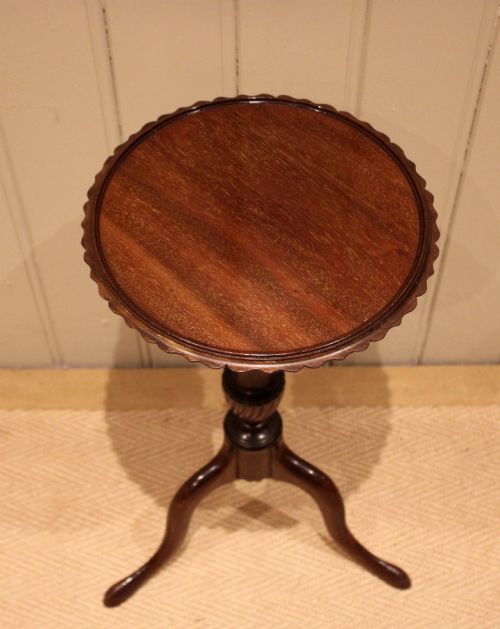
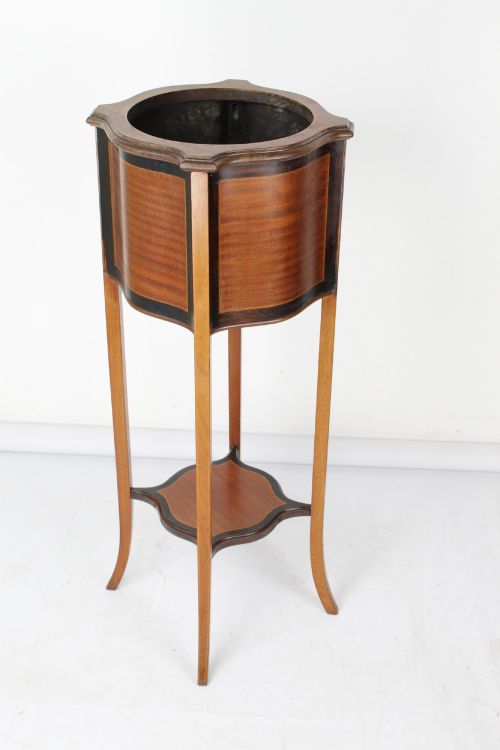
Victorian and Edwardian examples dominate the offerings, frequently incorporating circular tops designed to display jardinieres or porcelain vases securely. These pieces function equally well as occasional tables or lamp stands in period interiors.
Judging quality in stands
Quality rests upon timber selection, stability, and the crispness of any carved or inlaid detail. Superior examples display dense, well-figured mahogany or walnut with solid structural integrity across the column and base.
Refined pieces exhibit balanced proportions and careful joinery that prevents wobbling when supporting heavy jardinieres. The integration of specialty materials like inset marble or fine brass hardware distinguishes finer workshops from standard production.
One extraordinary Victorian elephant table includes painted wooden tusks.
Druce & Co London·Liberty of London
The Wood Pedestal Plant Stand Glossary
- Torchere
- A tall ornamental stand designed to hold a lamp, vase, or plant. These slender pieces elevate decorative objects to eye level.
- Jardiniere
- An ornamental pot or stand intended for holding plants or flowers. They often feature protective metal liners or waterproof inserts.
- Barley twist
- A spiral carving resembling a twisted rope found on table legs and support columns. This decorative turning became popular during the Victorian and Edwardian periods.
- Tripod base
- A three-legged support structure providing stability for elevated occasional tables and plant stands. This configuration prevents rocking on uneven floorboards.
- Inlay
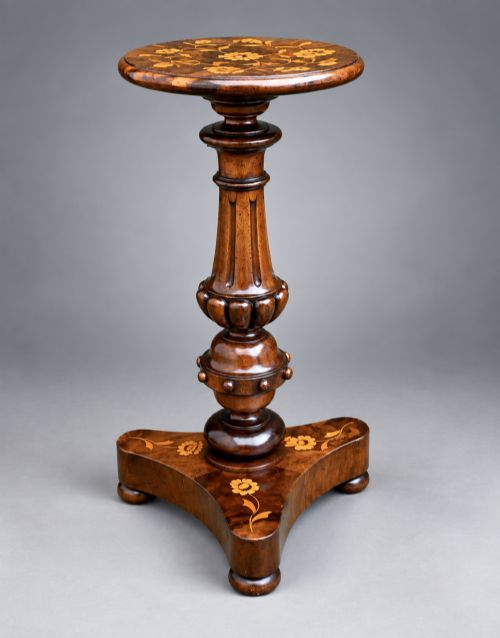
- The technique of embedding contrasting pieces of wood or shell into a solid timber surface to create decorative patterns.
Wood Pedestal Plant Stand: Frequently Asked Questions
What is a wood pedestal plant stand used for?
These tall stands elevate potted plants, floral arrangements, or lamps to create focal points in room corners. They lift greenery off the floor to catch better light and protect flooring from moisture.
Beyond plants, many function as torchères or occasional tables to display ceramics, bronzes, or reading lights. Their compact footprint makes them practical for utilising vertical space in smaller rooms.
How do I date a wood plant stand?
Dating relies on combining timber characteristics, stylistic revivals, and construction methods. Victorian pieces often feature heavy carved mahogany, while Edwardian versions lean towards lighter inlaid mahogany or oak.
Turnings such as barley twists and structural details like tripod bases help narrow down the decade of production. Examining the underside and joint construction provides further clues to the manufacturing era.
Can these stands support heavy pots?
Solid mahogany and hardwood versions with sturdy tripod or multi-legged bases provide reliable support for substantial ceramic pots. Weight distribution matters, so heavier jardinieres require wider bases and rigid pillar construction.
Checking the stability of the central column and joints ensures the stand safely bears the load. Marble-topped variants offer durable, moisture-resistant surfaces well-suited for holding damp flowerpots.
Where should I place a pedestal in a room?
Pedestals suit empty corners, transitional hallways, or flanking spaces beside large pieces of furniture. Placing them near windows allows trailing plants to receive adequate natural light without blocking walkways.
They also work effectively as display surfaces in living rooms or studies when topped with sculptures or lamps. Matching pairs can frame doorways or fireplaces for a balanced decorative arrangement.