
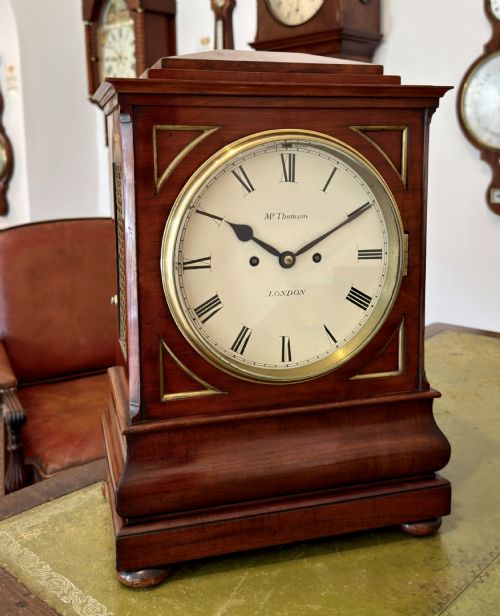

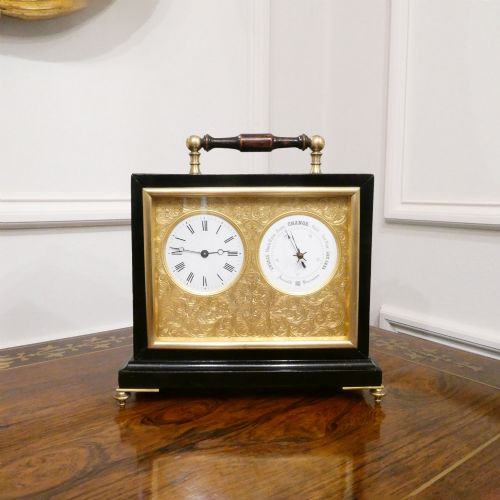
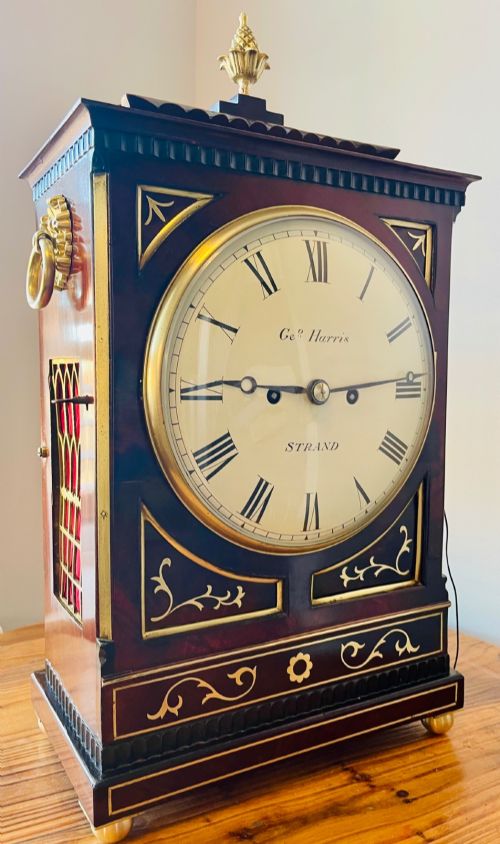
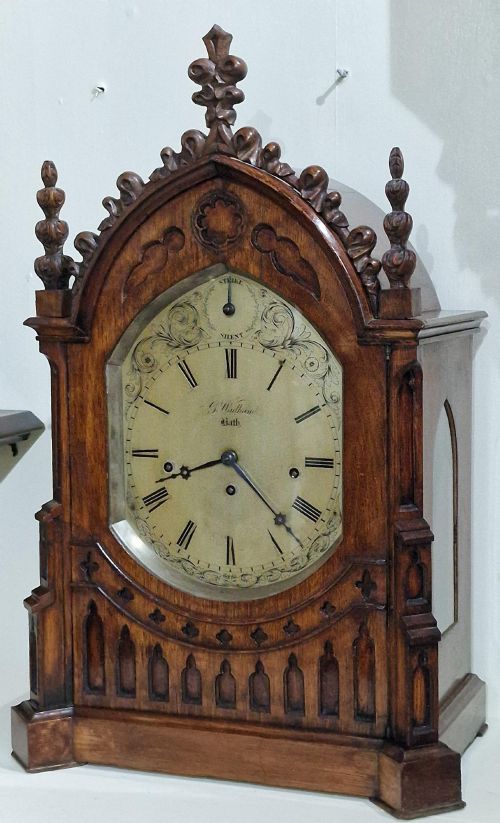

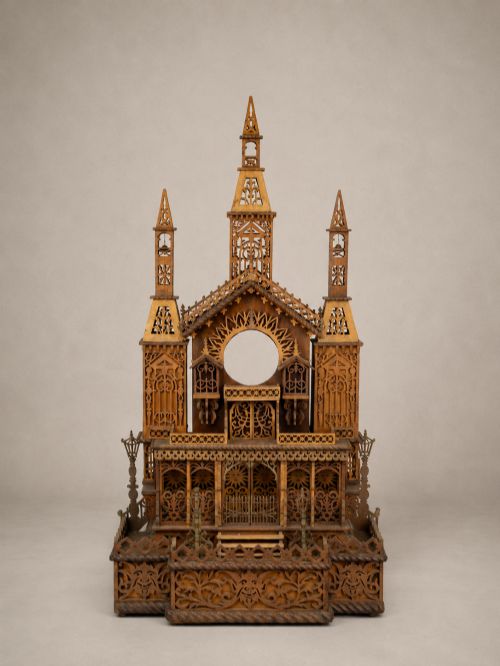
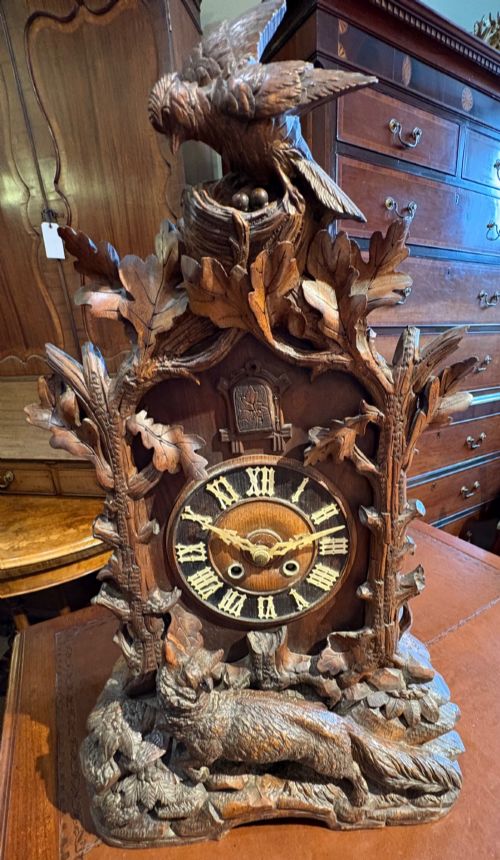
Wood Mantel Clock
When you search for a wood mantel clock, you are looking at centuries of cabinet-making and horology combined into a single, functional object for the home.
Wood Mantel Clock
A wood mantel clock sits upon a shelf, table or bracket, serving to tell the time while anchoring a room's interior decoration. These pieces bridge the gap between mechanical engineering and decorative woodwork.
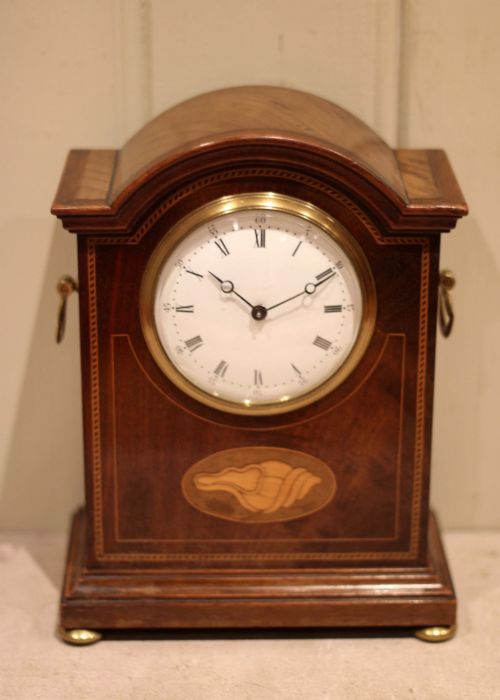
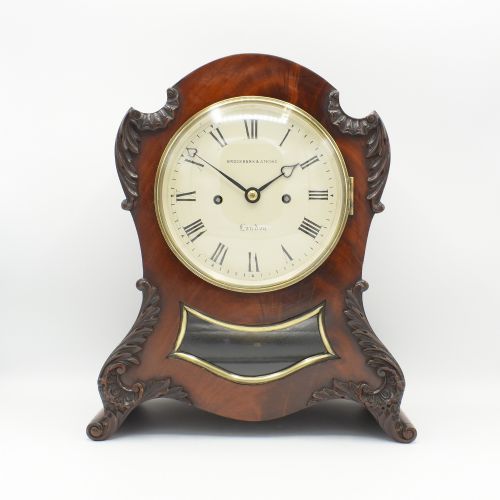
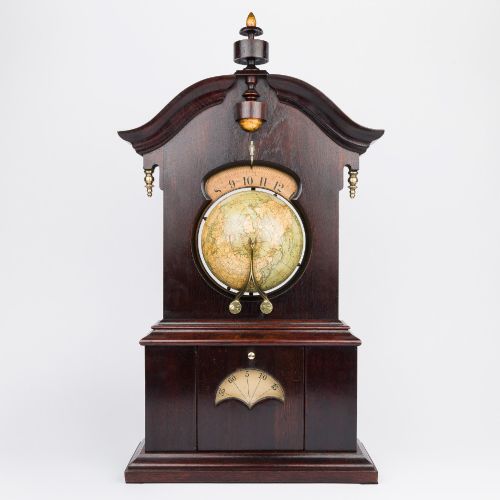
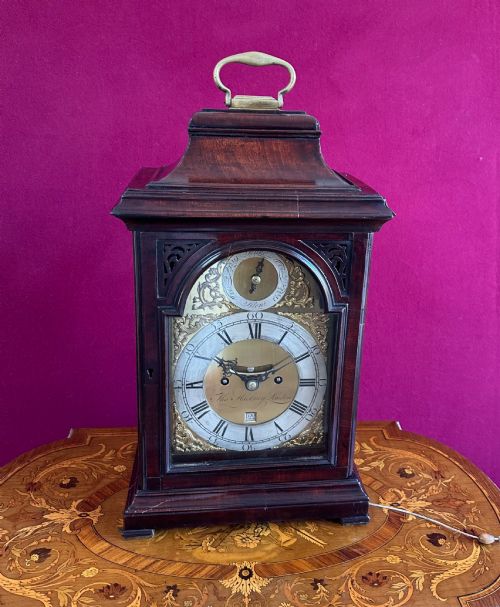
The versions met most frequently on this page span the Victorian, Edwardian and Regency periods, alongside earlier Georgian examples and later 20th-century designs. Forms range from simple inlaid Edwardian balloon cases to robust mahogany and rosewood bracket clocks.
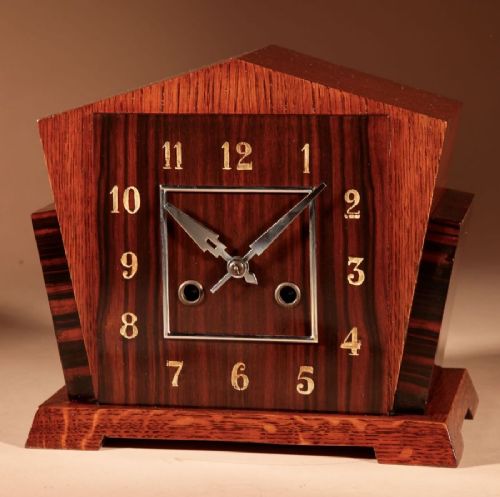
Originating from British workshops as well as continental makers in France and Germany, these clocks reflect the prevailing design movements of their respective decades, including Gothic Revival, Art Nouveau and the Amsterdam School.
How they were made
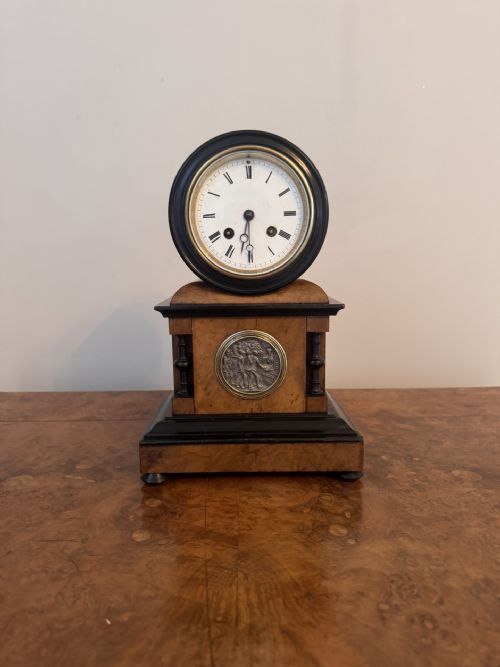
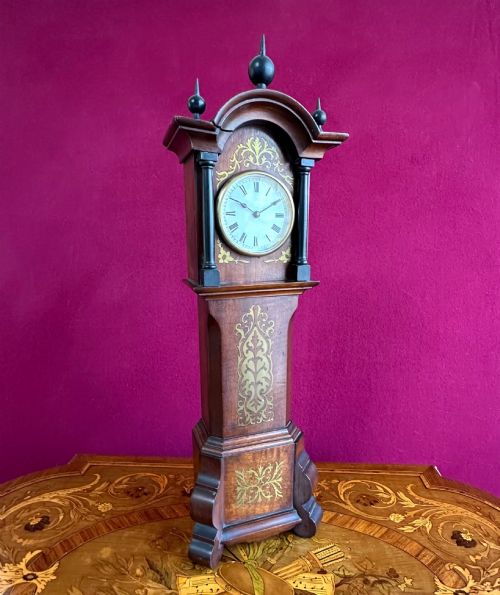
Cabinet-makers constructed the timber cases using dense, stable hardwoods such as mahogany, rosewood, walnut and satinwood, often embellishing surfaces with marquetry, stringing or contrasting wood veneers like lemon wood and macassar ebony.
Mechanically, these clocks relied on brass movements ranging from simple timepieces to complex fusee or striking mechanisms, protected behind glass panels and framed by brass or ormolu mounts.
Some miniature bracket clocks include an optional matching wall bracket, ensuring the timepiece hangs securely off the mantelpiece.
What varies in quality
The standard of a piece depends heavily on the precision of the cabinet work, the integration of fine stringing or inlay, and the original maker of the internal movement. Well-known makers and regional clockmakers elevate the standing of a clock considerably.
Materials also dictate the tier of the piece, with richly figured rosewood veneers, delicate satinwood banding and heavy cast bronze or ormolu mounts marking out the superior examples from standard production items.
Thomson of London·George Wadham Bath·Brockbanks And Atkins·Mappin And Webb·Barber And North·Sir John Bennett·Lenzkirch
The Wood Mantel Clock Glossary
- Fusee
- A conical pulley used in spring-driven clocks to ensure even power delivery as the mainspring unwinds. This mechanism helps maintain accurate timekeeping throughout the duration of the winding cycle.
- Bracket clock
- A portable household clock originally designed to sit on a matching wall bracket or a table. Many examples feature substantial brass carrying handles on top.
- Portico clock
- A monumental clock style shaped like a classical architectural portico, supported by columns. They often showcase striking rosewood and ormolu finishes.
- Marquetry
- The art of applying pieces of veneer to a structure to form decorative patterns and pictures. Craftsmen utilise different coloured woods to create depth and contrast.
Wood Mantel Clock: Frequently Asked Questions
How do I wind a fusee mantel clock?
Winding requires inserting the key into the dial arbor and turning it carefully in the designated direction until resistance is felt. Care must be taken not to overwind the mainspring.
Most fusee movements require attention once every eight days, though some variations operate for longer periods between windings.
Where should I place my mantel clock?
These clocks belong on stable surfaces where vibrations from foot traffic or closing doors are kept to a minimum. A level shelf ensures the pendulum or balance wheel beats evenly.
Avoid placing wooden cases in areas subject to direct sunlight or rapid humidity changes, as fluctuating conditions affect the timber.
How can I tell a Victorian clock from a Regency one?
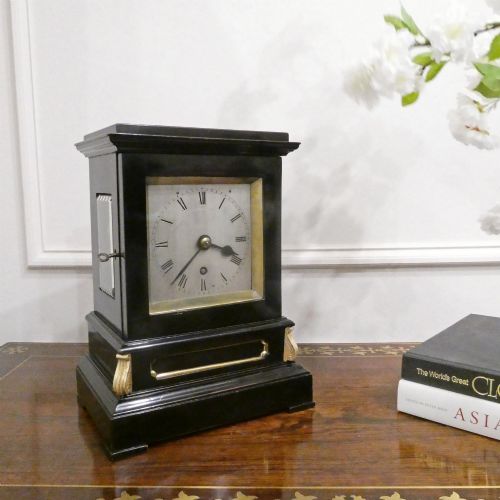
Regency models often display restrained classical proportions, premium rosewood veneers, and brass bracket feet. Victorian pieces frequently introduce heavier architectural elements, ebonised finishes, or elaborate marquetry.
Examining the interior movement and the style of the brass dial provides further clues to the manufacturing era.
What is the difference between a timepiece and a striking clock?
A timepiece simply tells the time of day without any acoustic mechanism. It contains a single train of wheels dedicated solely to the motion of the hands.
A striking clock includes an additional gear train and hammer to sound the hours or quarters on a bell, gong or set of rods.