
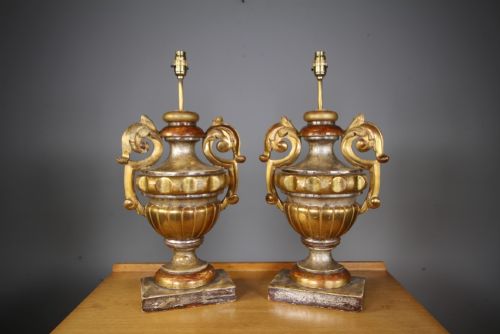
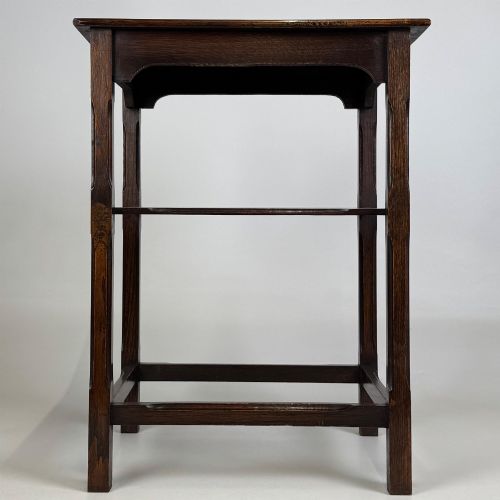
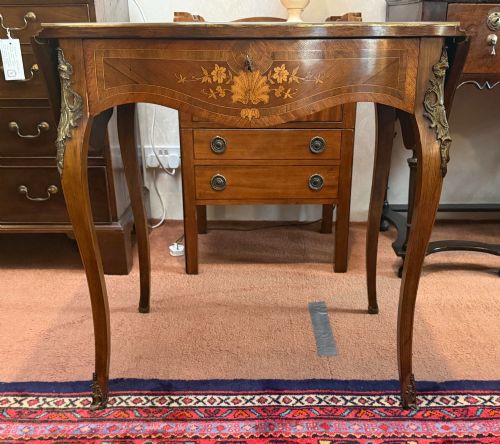
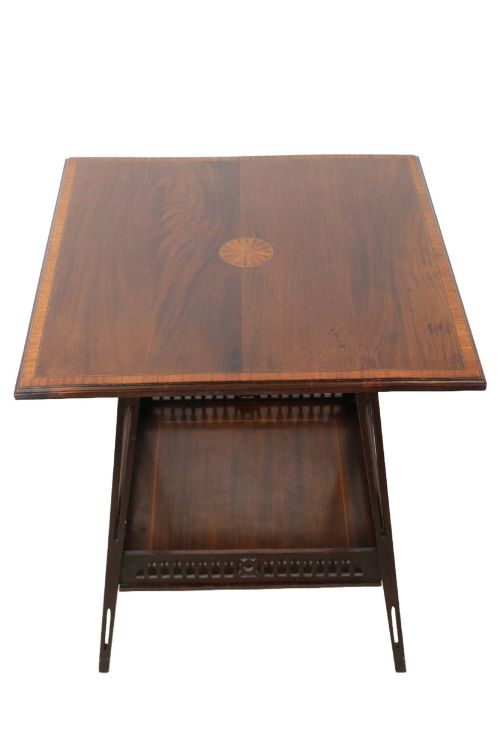
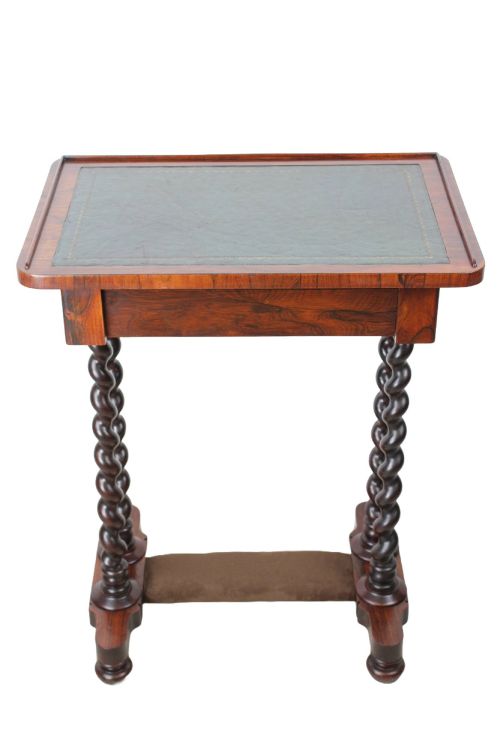
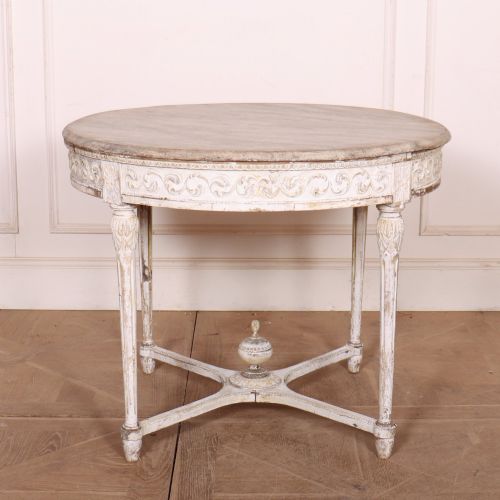
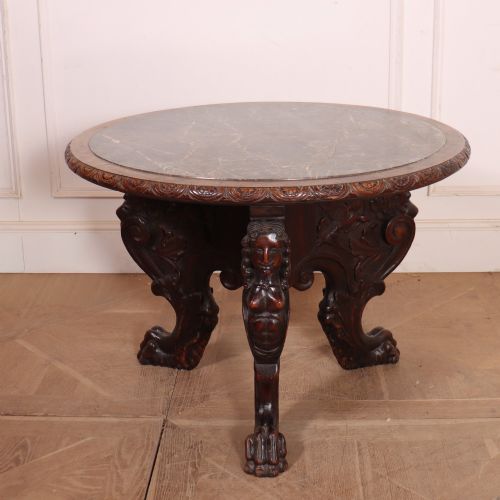
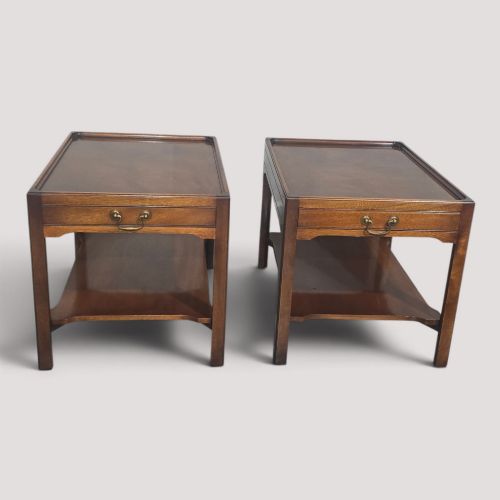
Wood Lamp Table
A wood lamp table provides a steady surface for illumination while anchoring a room with period character.
Wood Lamp Table
A wood lamp table serves primarily to support lighting and small decorative objects within domestic spaces. When exploring this selection, buyers frequently encounter compact forms designed for versatile placement beside seating or beds.
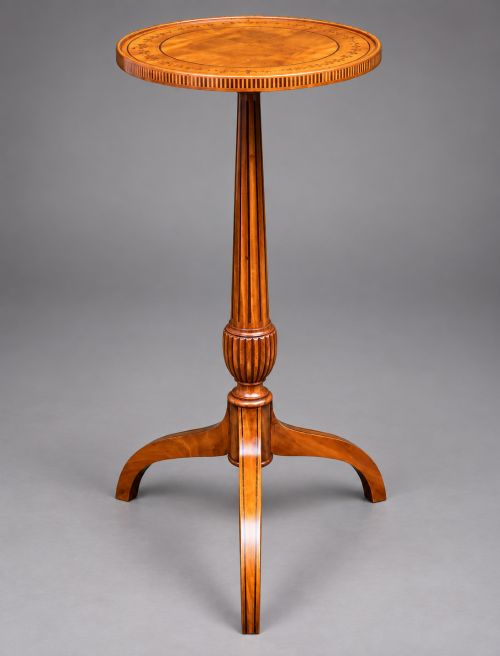
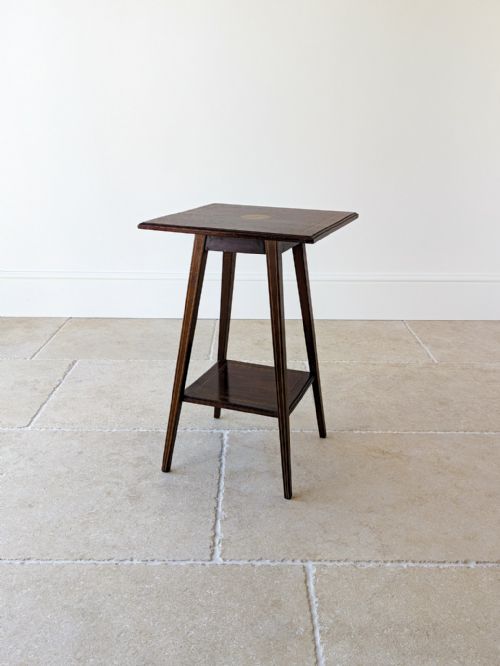
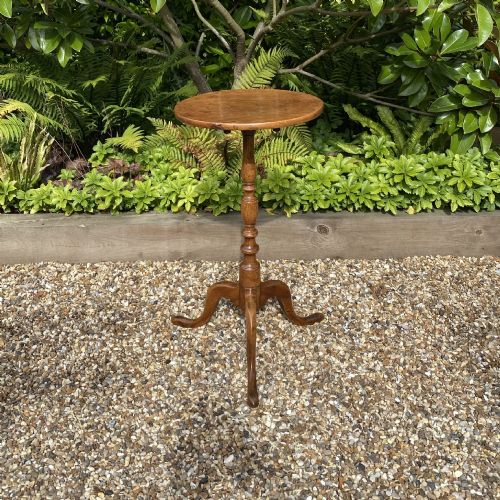
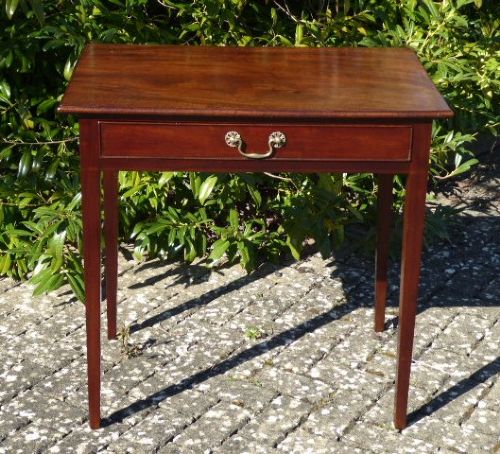
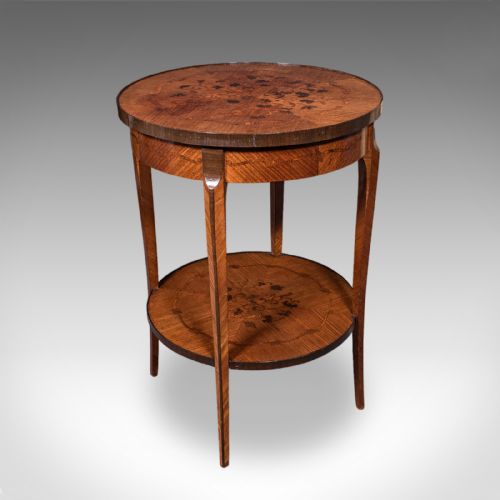
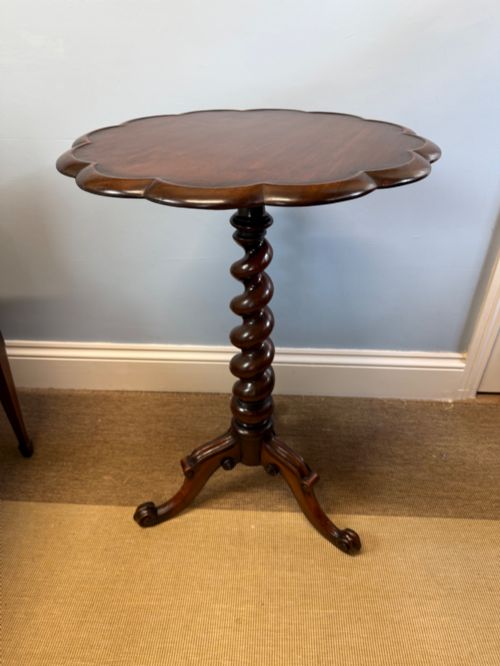
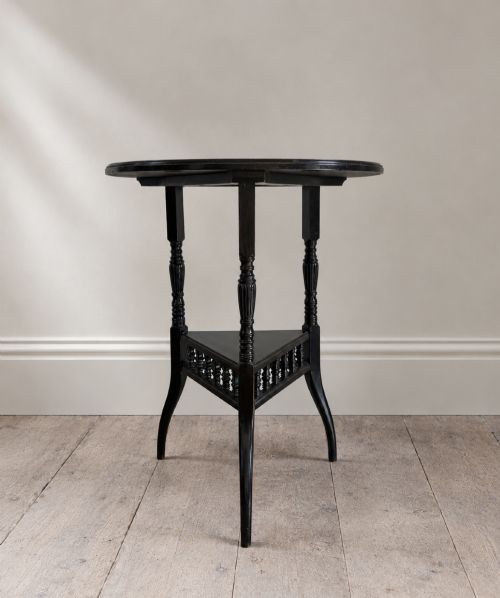
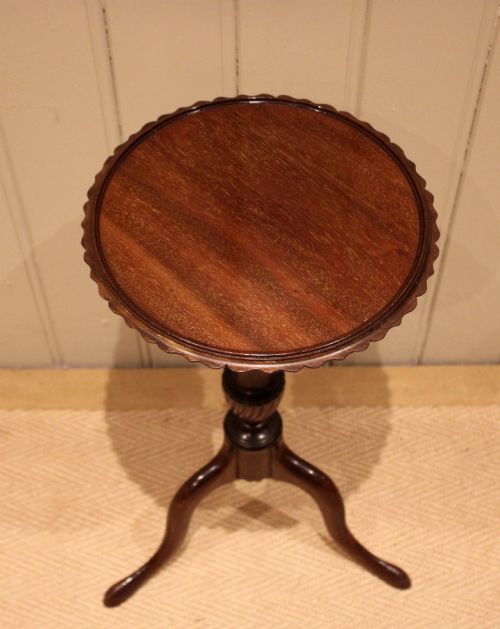
The objects recorded here span several centuries of British, European and Asian cabinet making, drawing on periods from the 18th century through to the Art Deco era and Edwardian times. Forms range from tripod pedestals and spider leg designs to occasional tables and small bedside cabinets.
Makers utilised various timbers to suit formal drawing rooms or simpler chambers, resulting in diverse tabletop shapes including circular, oval and rectangular formats.
How they were made
Cabinet makers constructed these tables using a variety of hardwoods such as mahogany, rosewood, walnut and oak, frequently enhanced by contrasting veneers, satinwood inlays or marble tops.
Joinery techniques relied on solid timber construction, turned pedestals, tripod legs, and occasionally gilded brass mounts or ormolu details to elevate the visual appeal of the piece.
Several tables doubling as brush pots or candle stands prove ancestors were just as keen on multi-tasking furniture as we are.
What varies in quality
The distinction between standard examples and superior pieces rests on the selection of figured timbers, the crispness of carved details, and the refinement of subsidiary woods used in the carcase construction.
Proportion and stability dictate overall merit, where balanced pedestals, finely executed brass fittings, and well-preserved original polished surfaces elevate an item beyond basic utility.
Trevor Page Co·Gillows·M Woodburn
The Wood Lamp Table Glossary
- Tripod table
- A small freestanding table supported by a central pillar resting on three legs. This form became popular during the 18th century for flexibility in domestic interiors.
- Occasional table
- A light, movable table intended for intermittent use around a sitting room or parlour. These pieces often feature inlaid tops or drop leaves.
- Pedestal table
- A table design relying on a central vertical column rather than four corner legs. They frequently appear in rosewood or mahogany from the Regency and Victorian periods.
- Gueridon
- A small French table supported by one or more columns, often circular in top format. Originating in the 17th century, the style persisted well into the Victorian era.
- Inlay
- A decorative technique where contrasting woods, metals or shells are inserted into recesses cut into the primary surface. This method defines much of the Edwardian and Georgian output.
Wood Lamp Table: Frequently Asked Questions
Where should a lamp table sit?
These pieces function best beside armchairs, sofas or beds where they hold task lighting and small personal items within easy reach.
Their compact proportions allow them to occupy awkward corners or narrow spaces without crowding the surrounding floor area.
How do I identify a Victorian example?
Victorian pieces frequently employ dense timbers like rosewood or mahogany, often featuring substantial turned columns and circular tops. Burr wood veneers and heavy tripod bases also point towards this period of manufacture.
Examination of the secondary woods underneath often confirms the mid to late 19th-century origin of the construction methods.
What is the difference between a wine table and a lamp table?
Wine tables traditionally featured small circular tops designed to hold glasses or bottles during evening gatherings, often with tilt-top mechanisms. Lamp tables serve a similar scale but are built primarily to support the weight of a lighting fixture.
In modern usage, the terms frequently overlap as both describe compact occasional furniture.
How do I care for antique wood surfaces?
Maintain the polish by dusting with a dry lint-free cloth and avoiding exposure to direct sunlight or sudden temperature changes. Natural waxes applied sparingly help preserve the depth of the grain without building up heavy residues.
Moisture should be kept away from the timber to prevent staining or lifting of delicate veneers.